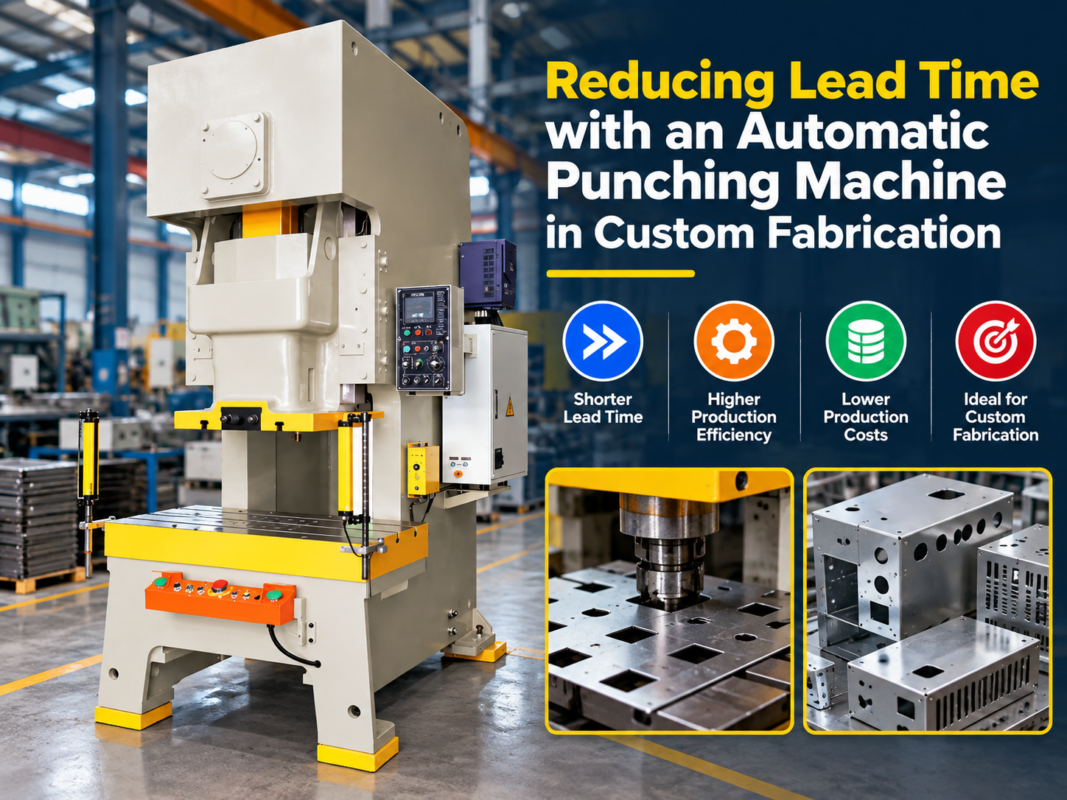
How a Multi-Station Punching Machine Increased Flexibility in Workshop Production


Introduction: The Evolution of Modern Metal Fabrication
In the fast-paced world of metal fabrication, the ability to adapt to changing customer demands is the primary differentiator between a thriving workshop and one struggling to keep up. For decades, traditional fabrication methods relied on single-purpose machines that required significant downtime for tool changes and setup adjustments. However, the industry has shifted toward high-mix, low-volume production, necessitating a more versatile approach. This is where the integration of advanced technology has proven transformative.
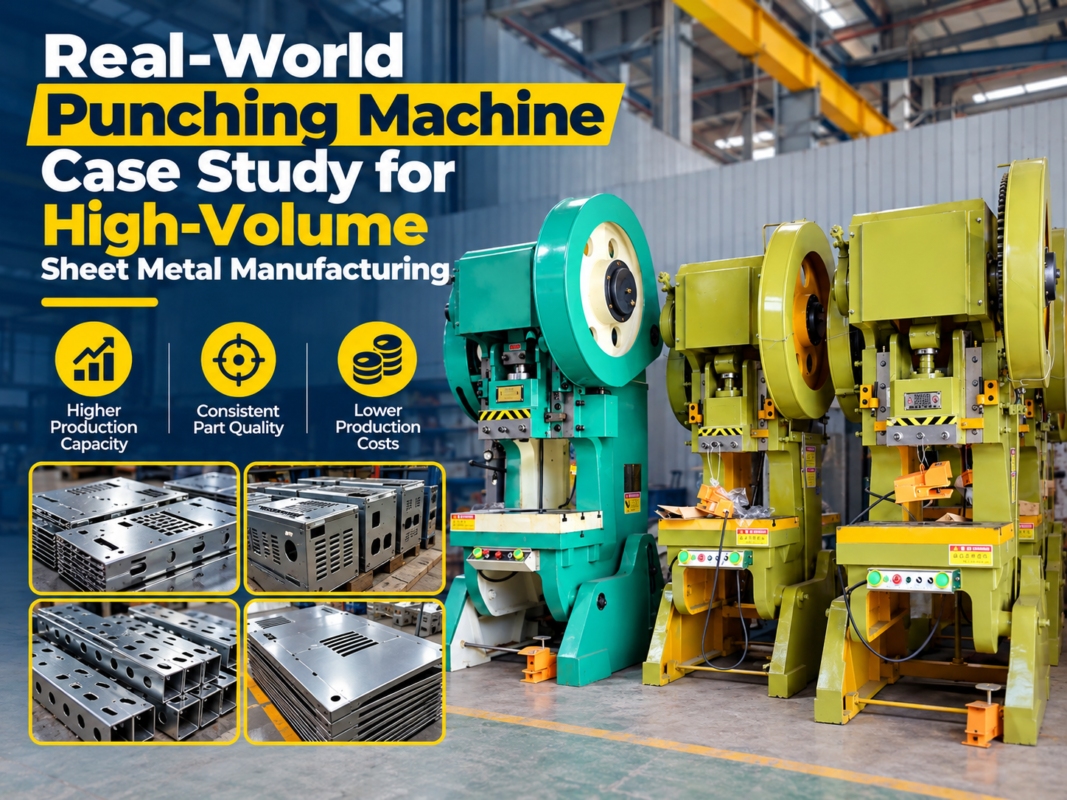
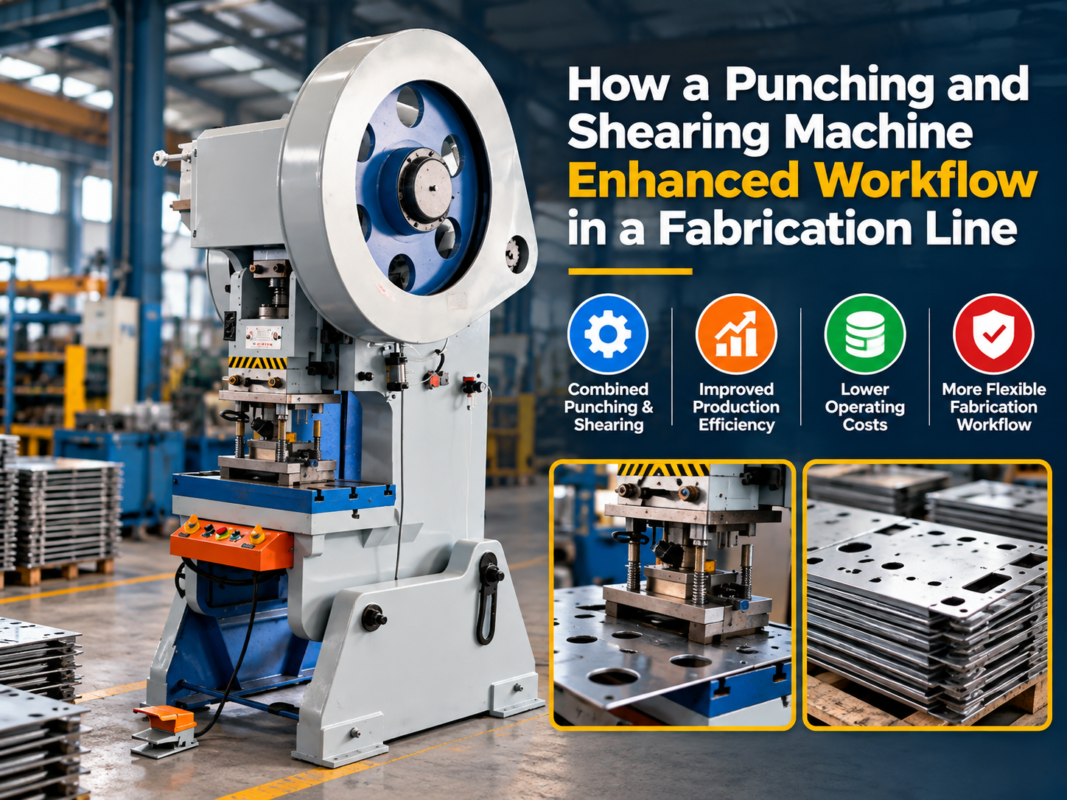
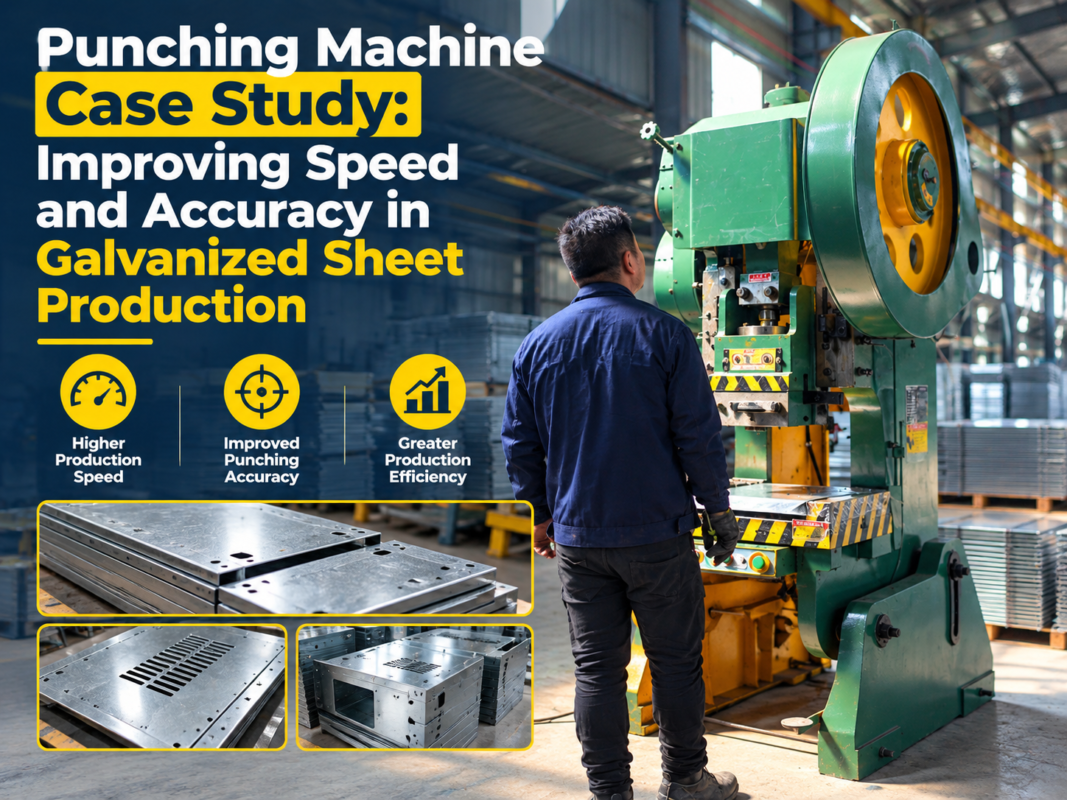
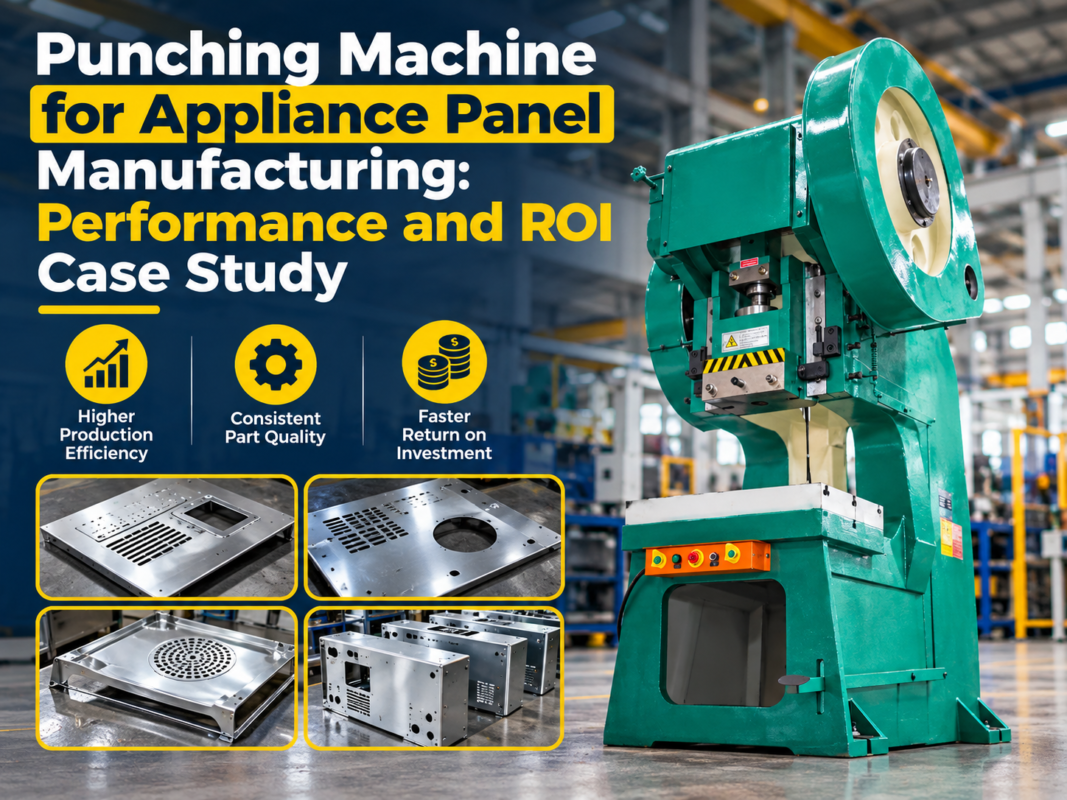
We have observed that a multi-station punching machine increased flexibility in workshop production by allowing operators to perform a wide array of tasks—from punching and shearing to notching and bending—within a single footprint. By consolidating multiple processes, workshops can reduce material handling, minimize human error, and significantly shorten lead times. This article explores the technical and operational advantages of adopting multi-station systems in modern industrial environments.
HARSLE has been at the forefront of this transition, providing robust machinery designed to handle the rigors of heavy-duty fabrication while maintaining the precision required for intricate components. As we delve into the mechanics and strategic benefits of these machines, it becomes clear that the transition to multi-station technology is not merely an upgrade; it is a fundamental shift in how production workflows are managed.
Whether you are a small job shop or a large-scale manufacturing facility, understanding the impact of these machines is crucial. By optimizing the production cycle, fabricators can unlock new revenue streams and take on complex projects that were previously deemed too costly or time-consuming. Let us examine how these machines redefine the boundaries of workshop efficiency.
Key Considerations for Workshop Integration
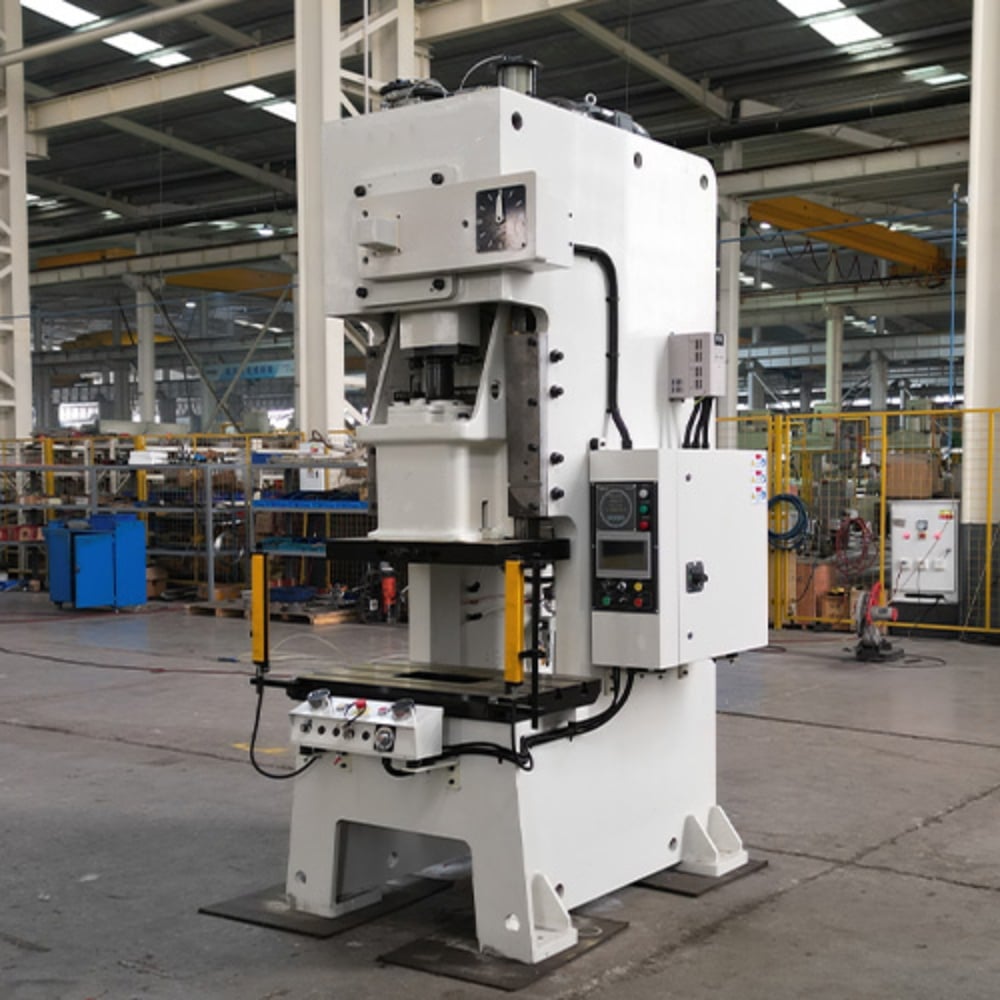
Integrating a multi-station punching machine into an existing production line requires careful planning. The first consideration is the spatial layout of the workshop. Unlike single-purpose machines, a multi-station unit acts as a central hub. It is essential to ensure that material flow—from raw sheet metal storage to the finished part output—is optimized to prevent bottlenecks around the machine.
Another critical factor is operator training. While these machines are designed for efficiency, they are also sophisticated pieces of equipment. Investing in comprehensive training ensures that your team can leverage the full range of the machine’s capabilities, including automated tool indexing and programmable stroke lengths. A well-trained operator can reduce setup times by up to 40% compared to traditional manual setups.
Energy efficiency and maintenance schedules must also be evaluated. Modern multi-station punchers are designed with energy-saving hydraulic or servo-electric systems. Understanding the power requirements and the preventive maintenance schedule is vital for long-term ROI. Regular lubrication, tool inspection, and software updates are the pillars of a machine that remains productive for years.
Finally, consider the versatility of the tooling library. A multi-station machine is only as good as the tools it carries. Workshops should assess the types of materials they process most frequently—be it mild steel, stainless steel, or aluminum—and ensure the machine’s tonnage and tool capacity align with these requirements. This strategic alignment ensures that the machine remains a versatile asset rather than a specialized tool.
Technical Details: The Mechanics of Versatility
The core of a multi-station punching machine lies in its turret or tool-changing mechanism. These systems allow for the storage of multiple punches and dies, which can be indexed automatically. This means that a single machine can switch from a circular punch to a rectangular notch or a specialized forming tool in seconds, without the need for manual intervention.
The hydraulic system is another technical marvel. Modern HARSLE machines utilize high-precision hydraulic cylinders that provide consistent force across all stations. This consistency is vital for maintaining tight tolerances, especially when working with varying material thicknesses. The integration of CNC (Computer Numerical Control) allows for precise positioning, ensuring that every hole and notch is placed exactly where the CAD design dictates.
Furthermore, the software interface plays a pivotal role. Modern controllers support nesting software, which optimizes the layout of parts on a sheet of metal to minimize waste. By maximizing material utilization, the machine not only increases production speed but also significantly lowers the cost per part, which is a key metric for any competitive fabrication business.
Safety features are also embedded into the technical design. Light curtains, emergency stop buttons, and interlocked guards ensure that the high-speed operation of the punch does not compromise operator safety. These technical advancements collectively ensure that the machine is not just a tool for production, but a safe, reliable, and highly efficient partner in the workshop.
Selection Advice: Choosing the Right Equipment
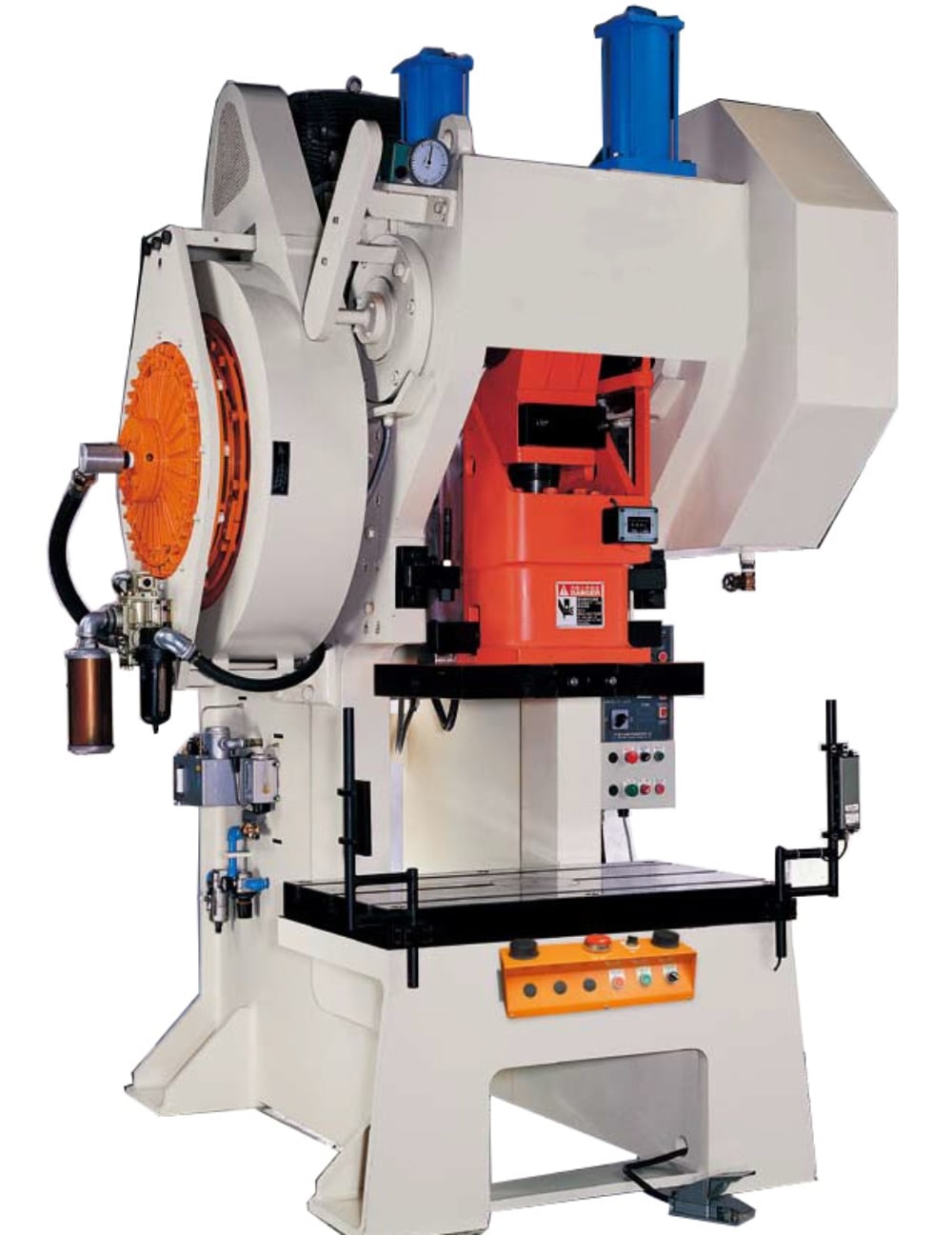
When selecting a multi-station punching machine, start by analyzing your current production data. Look at the average batch size, the complexity of the parts, and the variety of materials used. If your workshop frequently handles diverse projects, a machine with a larger turret capacity is essential. If you focus on high-volume, repetitive parts, prioritize speed and automation features like automatic loading and unloading systems.
Tonnage is another non-negotiable factor. Ensure the machine’s maximum punching force exceeds the requirements of your thickest material. It is always better to have a slight buffer in tonnage to prevent machine strain and extend the life of your tooling. Consult with manufacturers like HARSLE to discuss your specific material requirements and receive a recommendation based on your throughput goals.
Consider the software compatibility. Your new machine should integrate seamlessly with your existing CAD/CAM software. If the machine requires a proprietary, difficult-to-learn interface, it may hinder your production speed. Look for systems that support standard file formats and offer intuitive, user-friendly programming environments.
Finally, evaluate the after-sales support. A multi-station punching machine is a long-term investment. Ensure the manufacturer provides robust technical support, readily available spare parts, and remote diagnostic capabilities. A machine that is down for days due to a lack of support is a liability, regardless of how advanced its features are.
Buyer Checklist for Punching Machines
- Tonnage Capacity: Does it handle your thickest plate?
- Tooling Stations: Are there enough stations for your most complex parts?
- Automation Readiness: Can it be upgraded with loading/unloading systems later?
- Software Integration: Does it communicate with your current CAD/CAM?
- Maintenance Accessibility: Are components easy to reach for routine service?
- Energy Consumption: Does it meet your facility’s power efficiency standards?
Frequently Asked Questions (FAQ)
How does a multi-station machine improve production speed?
By housing multiple tools in a single turret, the machine eliminates the need to stop production to change tools manually. The CNC controller automatically selects the required tool, allowing for continuous operation.
Is a multi-station puncher suitable for small workshops?
Yes. While they are powerful, these machines consolidate multiple processes into one, saving floor space and reducing the need for multiple specialized machines, making them ideal for space-constrained workshops.
What is the typical maintenance requirement?
Routine maintenance includes daily lubrication, checking hydraulic fluid levels, inspecting punch and die wear, and cleaning the turret area. Annual professional servicing is recommended to ensure long-term precision.
Can these machines handle different types of metal?
Absolutely. With the correct tooling and pressure settings, multi-station punchers can process mild steel, stainless steel, aluminum, and even certain copper alloys effectively.
How long does it take to train an operator?
With a user-friendly CNC interface, basic operation can be learned in a few days. However, mastering advanced nesting and complex tool programming typically takes a few weeks of hands-on experience.
Conclusion: Investing in Future-Proof Fabrication
The evidence is clear: a multi-station punching machine increased flexibility in workshop production by bridging the gap between manual labor and fully automated production lines. By consolidating processes, reducing setup times, and improving material utilization, these machines empower fabricators to handle a broader range of projects with greater speed and precision. As the manufacturing landscape continues to evolve, the ability to pivot quickly is the ultimate competitive advantage.
HARSLE remains committed to providing the machinery that makes this flexibility possible. By choosing the right equipment, investing in operator training, and maintaining a rigorous service schedule, your workshop can transform its production capabilities. The transition to multi-station technology is more than just an equipment upgrade—it is a strategic decision to secure your place in the future of metal fabrication. Embrace the efficiency, embrace the versatility, and watch your production output reach new heights.