How to Reduce Vibration and Instability in Laser Cutting Machine Operation: A Comprehensive Guide


Introduction to Laser Cutting Stability
In the high-precision world of metal fabrication, the performance of your equipment is defined by its ability to maintain absolute consistency. When operators ask how to reduce vibration and instability in laser cutting machine operation, they are essentially asking how to preserve the integrity of their production line. Vibration is the silent enemy of laser cutting; it manifests as jagged edges, inconsistent kerf widths, and premature wear on critical mechanical components. For HARSLE users and metal fabrication professionals, understanding the root causes of instability is the first step toward achieving superior cut quality.
A laser cutting machine is a complex assembly of high-speed motion systems, optical paths, and structural frames. Even microscopic vibrations, often imperceptible to the human eye, can be amplified by the high-velocity movement of the laser head. When these vibrations occur, the focal point of the laser beam shifts, leading to deviations in the cut path. This article serves as a definitive guide to identifying, mitigating, and eliminating these instabilities to ensure your shop maintains peak operational efficiency.
Achieving stability is not merely about tightening a few bolts; it is a holistic approach involving the machine’s foundation, the mechanical drive systems, and the software parameters that govern motion. By addressing these factors systematically, fabrication shops can significantly reduce scrap rates and improve the overall lifespan of their HARSLE laser cutting equipment. This guide explores the technical nuances of vibration control and provides actionable strategies for operators and maintenance teams.
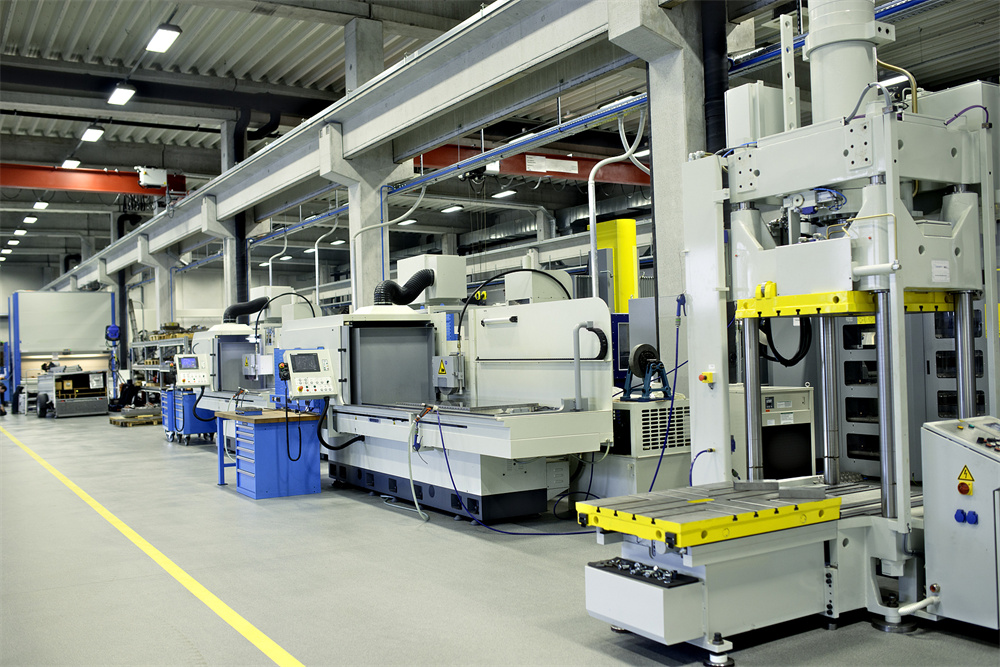
Key Considerations for Machine Stability
The foundation of your laser cutting machine is the most critical factor in vibration management. Many operators overlook the importance of a level, vibration-dampened concrete slab. If the floor is uneven or prone to seismic shifts from nearby heavy machinery, the machine frame will inevitably experience micro-distortions. Installing the machine on a reinforced, isolated concrete pad is the primary defense against external environmental vibrations.
Beyond the floor, the structural integrity of the machine frame itself plays a vital role. HARSLE machines are engineered with heavy-duty, stress-relieved steel frames designed to absorb internal kinetic energy. However, over time, thermal expansion and mechanical stress can lead to frame fatigue. Regular inspections of the frame’s leveling feet and anchor bolts are necessary to ensure that the machine remains perfectly square and stable throughout its operational life.
Environmental factors also contribute to instability. Air currents, temperature fluctuations, and even the proximity of high-traffic areas in the factory can introduce subtle vibrations. Maintaining a climate-controlled environment not only protects the sensitive optical components of the laser but also ensures that the mechanical components operate within their intended thermal expansion tolerances, thereby reducing the likelihood of erratic motion.
Finally, consider the weight distribution of the material being processed. Loading heavy metal sheets unevenly can shift the center of gravity of the machine bed, leading to uneven wear on the guide rails and rack-and-pinion systems. Proper material handling and ensuring that the workpiece is securely clamped or supported across the entire cutting area are essential practices for maintaining a stable cutting environment.
Technical Details: Addressing Mechanical and Software Instability
Mechanical drive systems, including rack-and-pinion gears and linear guides, are the primary sources of internal vibration. If these components are not properly lubricated, friction increases, leading to ‘stick-slip’ motion. This phenomenon creates a jerky, vibrating movement that is clearly visible in the cut quality. Implementing a rigorous lubrication schedule using high-quality lubricants is essential to ensure smooth, continuous motion of the laser head.
The tension of the drive belts and the alignment of the linear guides must be checked regularly. A loose belt can cause the laser head to oscillate during rapid direction changes, while misaligned guides can cause the carriage to bind, creating vibrations that travel through the entire gantry. Using precision alignment tools, such as laser trackers or dial indicators, allows maintenance teams to verify that all axes are moving in perfect parallel and perpendicular alignment.
Software parameters, specifically acceleration and deceleration (accel/decel) curves, are often overlooked when troubleshooting vibration. If the machine is programmed to accelerate too quickly, the inertia of the gantry can cause the frame to shudder. By fine-tuning the ‘S-curve’ acceleration profiles in the CNC controller, operators can ensure that the machine reaches high speeds smoothly without inducing unnecessary mechanical stress or vibration.
The laser head itself, including the nozzle and lens assembly, must be securely fastened. Any looseness in the nozzle or the optical mount will result in beam instability. Regularly checking the tightness of all fasteners on the laser head and ensuring that the protective cover glass is clean and properly seated will prevent beam jitter and ensure that the laser energy is delivered consistently to the workpiece.
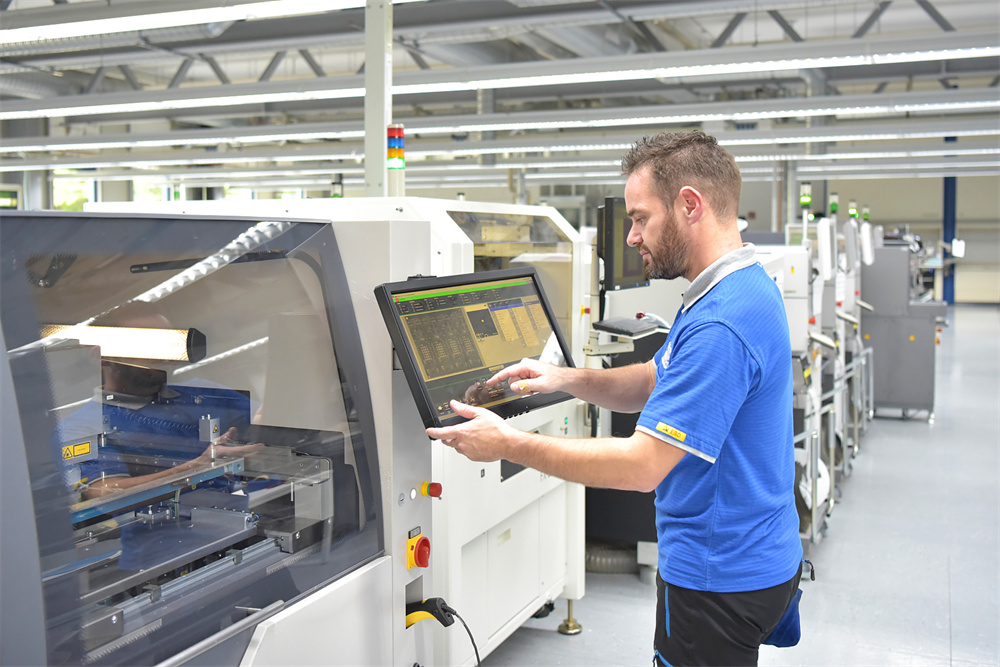
Selection Advice for Laser Cutting Equipment
When selecting a laser cutting machine, prioritize models with heavy-duty, stress-relieved frames. The mass of the machine is a significant factor in its ability to dampen vibrations. A machine with a lightweight frame may be faster, but it will be more susceptible to the kinetic energy generated during rapid acceleration and deceleration. HARSLE’s range of laser cutting machines is designed with a balance of speed and structural mass to ensure long-term stability.
Look for machines that utilize high-quality, precision-ground linear guides and helical rack-and-pinion systems. These components offer superior load-bearing capacity and smoother motion compared to standard industrial components. Furthermore, the integration of advanced CNC controllers that support sophisticated vibration suppression algorithms is a major advantage. These controllers can predict and compensate for mechanical resonances in real-time.
Consider the drive motor technology. Servo motors with high-resolution encoders provide the feedback necessary for the controller to make micro-adjustments to the motion path. This closed-loop system is essential for maintaining accuracy at high speeds. When evaluating potential equipment, ask the manufacturer about the machine’s ‘dynamic stiffness’ and how it handles high-speed cornering, as this is where vibration is most likely to occur.
Finally, evaluate the support and maintenance infrastructure provided by the manufacturer. A machine is only as stable as its maintenance program. Choose a partner like HARSLE that provides comprehensive training, detailed maintenance manuals, and responsive technical support. Having access to genuine spare parts and expert guidance ensures that you can address any signs of instability before they escalate into major mechanical failures.
Frequently Asked Questions (FAQ)
- How often should I check the leveling of my laser cutting machine?
We recommend checking the machine level every 3 to 6 months, or immediately if you notice a sudden decline in cut quality or if the machine has been moved. - Can ambient temperature affect laser cutting stability?
Yes. Significant temperature fluctuations can cause the machine frame and optical components to expand or contract, leading to alignment issues and vibration. Maintaining a stable factory temperature is highly recommended. - What are the signs of ‘stick-slip’ motion?
Signs include jerky movement of the laser head, audible clicking or grinding noises, and visible ‘chatter’ marks on the edges of the cut parts. - Does the type of material affect vibration?
Yes. Thicker, heavier materials require more power and slower speeds, which can change the harmonic frequency of the machine. Always adjust your cutting parameters according to the material thickness and type. - How do I know if my vibration is caused by the floor?
If you notice vibrations that correlate with the operation of other heavy machinery in your shop, it is likely that your laser cutting machine needs better floor isolation.
Conclusion
Reducing vibration and instability in laser cutting machine operation is a continuous process of monitoring, maintenance, and optimization. By focusing on the machine’s foundation, ensuring the mechanical drive systems are properly lubricated and aligned, and fine-tuning software parameters, you can achieve the high-precision results that modern metal fabrication demands. Remember that stability is not a one-time setup but a commitment to operational excellence.
HARSLE remains dedicated to providing the tools and knowledge necessary for your success. By following the guidelines outlined in this article, you can extend the life of your equipment, reduce costly downtime, and ensure that every part produced meets the highest quality standards. Whether you are a small job shop or a large-scale manufacturing facility, prioritizing stability will always yield a significant return on investment.