Guillotine Shearing Machine Explained: Working Principle and Applications


Technical Overview: Understanding the Guillotine Shearing Machine
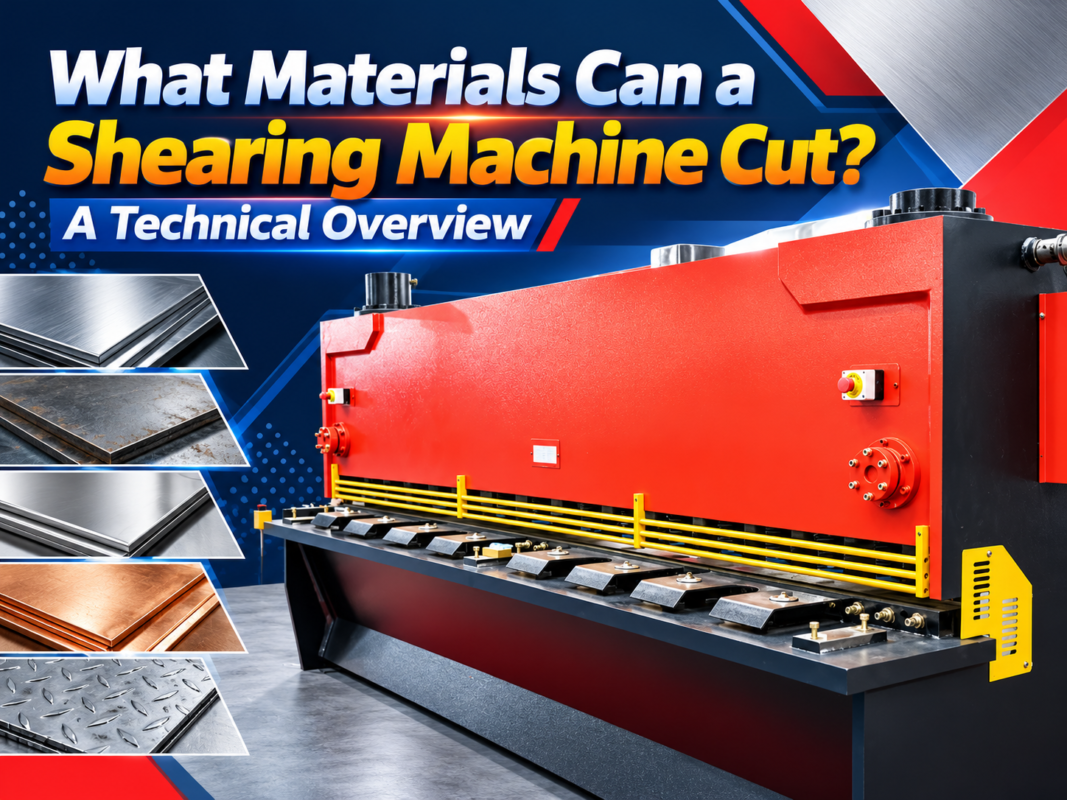
In the expansive world of metal fabrication, the guillotine shearing machine stands as a cornerstone of primary processing. Unlike other cutting methods that rely on thermal energy or abrasive action, the guillotine shear utilizes a mechanical or hydraulic force to drive a sharp-edged blade through a stationary sheet of metal. This process, known as shearing, is essentially a controlled fracture of the material, making it one of the most efficient ways to produce straight-line cuts in sheet metal and plate.
The fundamental design of a guillotine shear involves a fixed lower blade and a moving upper blade. The upper blade is typically mounted at a slight angle, known as the rake angle, which allows the machine to cut through the material progressively rather than all at once. This design significantly reduces the required cutting force, allowing for cleaner edges and less distortion in the finished workpiece. HARSLE’s modern guillotine shears incorporate advanced hydraulic systems to ensure consistent pressure and precision throughout the entire stroke.
Modern industrial guillotine shears are categorized primarily by their drive mechanism: mechanical or hydraulic. While mechanical shears are often used for lighter-gauge materials due to their high speed, hydraulic guillotine shears are the industry standard for heavy-duty fabrication. Hydraulic systems offer superior control over the cutting stroke, allowing operators to adjust the blade gap and rake angle to suit different material thicknesses and types, ranging from mild steel to high-tensile stainless steel.
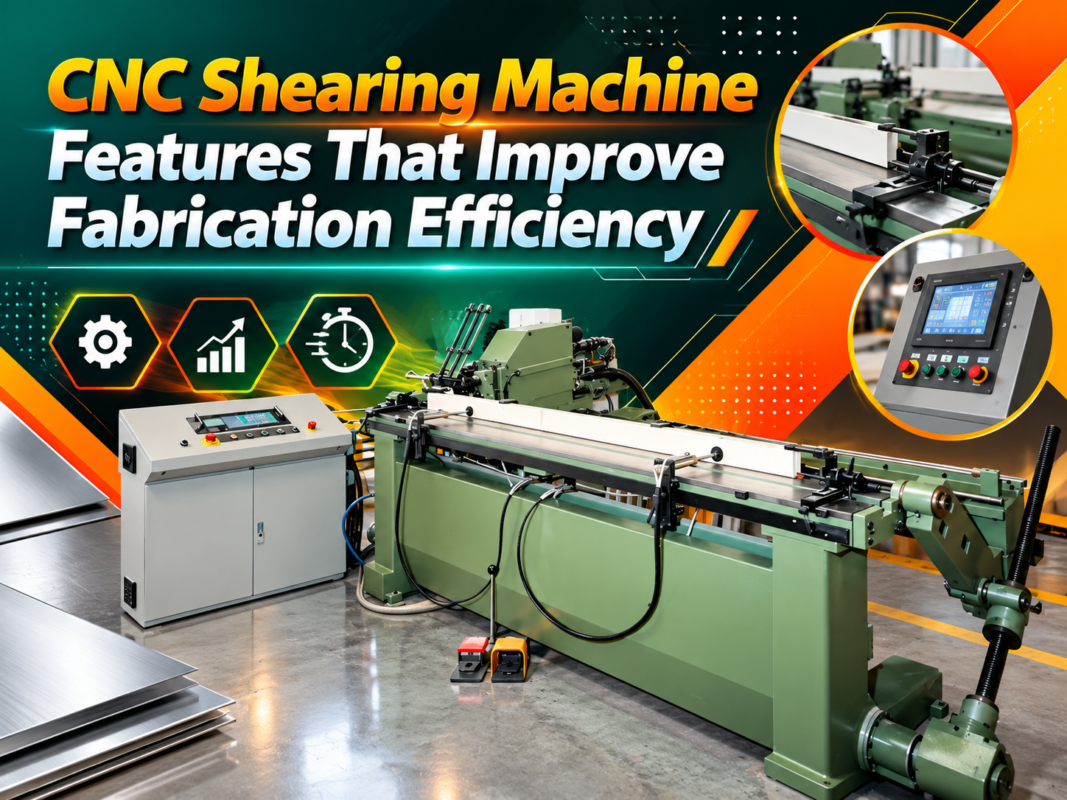
The integration of CNC (Computer Numerical Control) technology has revolutionized the operation of these machines. Today, a guillotine shearing machine explained through its modern capabilities involves automated backgauge positioning, programmable stroke lengths, and digital blade gap adjustment. These features minimize human error, increase throughput, and ensure that every cut meets the stringent tolerances required in modern manufacturing environments.

Core Parameters: Defining Performance
To understand the capabilities of a shearing machine, one must look at its core technical parameters. The most critical factor is the maximum cutting thickness, which is usually rated for mild steel with a tensile strength of 450 N/mm². When switching to stainless steel or other high-strength alloys, the machine’s capacity must be derated accordingly, as these materials exert significantly higher stress on the blades and the frame.
The cutting length is another defining parameter, determining the maximum width of the sheet that can be processed in a single stroke. HARSLE offers a variety of bed lengths to accommodate everything from small precision components to large-scale structural plates. It is important to note that the throat depth—the distance from the blade to the side frame—also dictates the maximum width of material that can be fed through the machine if the sheet is wider than the blade length.
The rake angle is a variable parameter that directly influences the quality of the cut. A smaller rake angle is ideal for thin sheets, as it minimizes the twisting and deformation of the material. Conversely, a larger rake angle is necessary for thicker plates to reduce the cutting force required. Advanced HARSLE machines allow for the motorized adjustment of this angle, providing the versatility needed for job shops handling diverse materials.
Finally, the blade gap adjustment is the most vital parameter for edge quality. If the gap is too wide, the material will be pulled into the gap, resulting in burrs and poor edge finish. If the gap is too narrow, the blades may collide or experience excessive wear. Modern machines feature quick-release or motorized gap adjustment systems, allowing operators to optimize the clearance based on the material thickness in seconds.
Calculation Method: Determining Cutting Force
Calculating the required cutting force is essential for selecting the right machine for your specific application. The formula for shearing force is generally expressed as: F = L × t² × σ / (2 × sin(α)), where L is the length of the cut, t is the thickness of the material, σ is the ultimate shear strength of the material, and α is the rake angle of the blade.
This calculation highlights why the rake angle is so important. By increasing the angle, the force required to shear the material is distributed over a longer period, preventing the machine from stalling or suffering structural damage. When working with high-tensile materials, engineers must multiply the standard force requirement by a safety factor to account for the increased resistance to plastic deformation.
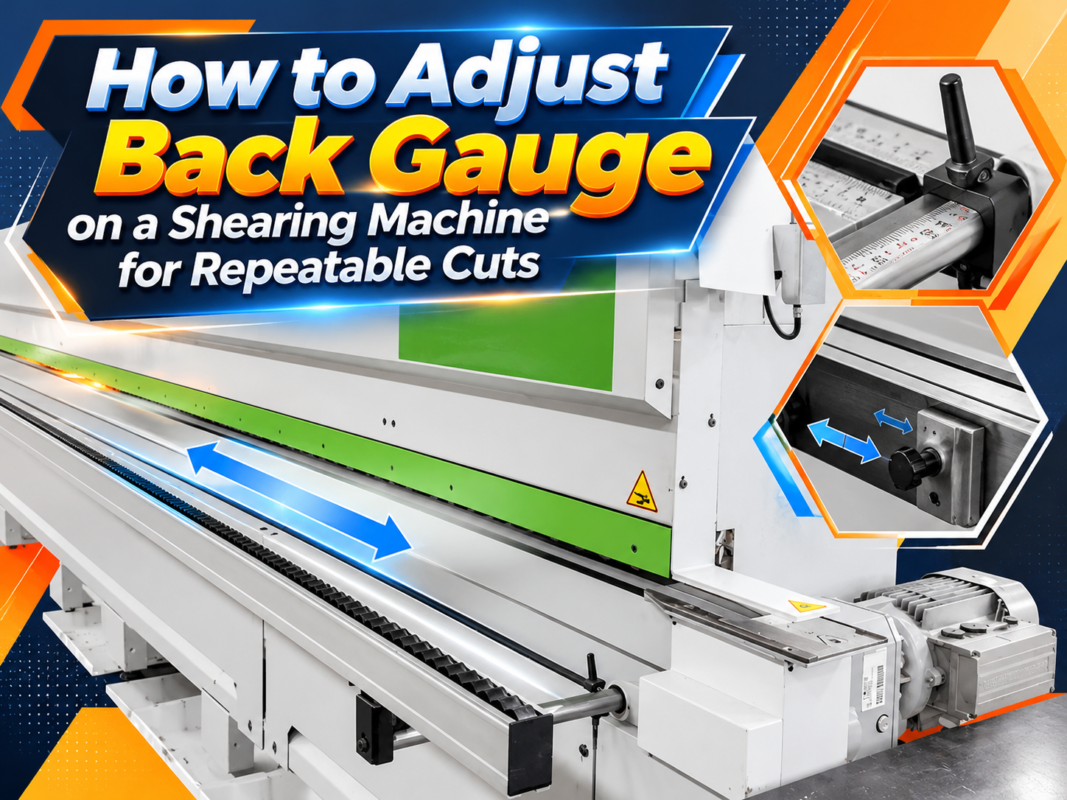
Another aspect of the calculation involves the backgauge accuracy. The backgauge is responsible for positioning the sheet to ensure the cut is made at the exact required dimension. The calculation for the backgauge travel speed and positioning accuracy involves the lead screw pitch and the motor’s encoder resolution. High-precision shears utilize ball screws and linear guides to ensure that the backgauge remains perfectly parallel to the blade, preventing trapezoidal cuts.
Lastly, energy consumption calculations are becoming increasingly important in modern manufacturing. Hydraulic shears consume power primarily during the cutting stroke. By calculating the cycle time and the pressure required for specific material thicknesses, plant managers can estimate the cost per cut, which is vital for competitive bidding in contract manufacturing.
Parameter Table: Standard Specifications
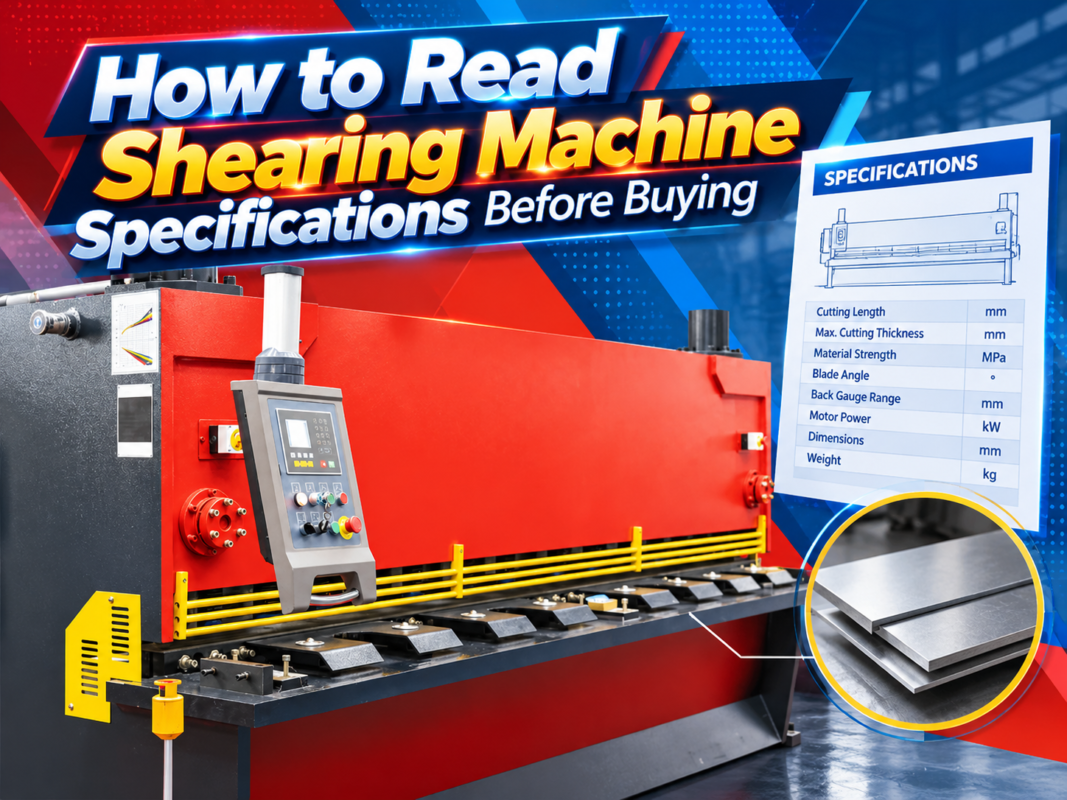
| Model | Max Cutting Thickness (mm) | Cutting Length (mm) | Rake Angle (deg) | Motor Power (kW) |
|---|---|---|---|---|
| HARSLE-QC11K-6×3200 | 6 | 3200 | 0.5-2.5 | 7.5 |
| HARSLE-QC11K-12×4000 | 12 | 4000 | 0.5-3.0 | 18.5 |
| HARSLE-QC11K-20×6000 | 20 | 6000 | 0.5-4.0 | 37 |

Common Engineering Mistakes
One of the most frequent mistakes in metal fabrication is ignoring the material’s tensile strength. Operators often assume that if a machine is rated for 10mm mild steel, it can handle 10mm stainless steel. This is a dangerous misconception. Stainless steel has a much higher shear strength, and attempting to cut it at the machine’s maximum capacity can lead to blade chipping, hydraulic seal failure, or even permanent frame deformation.
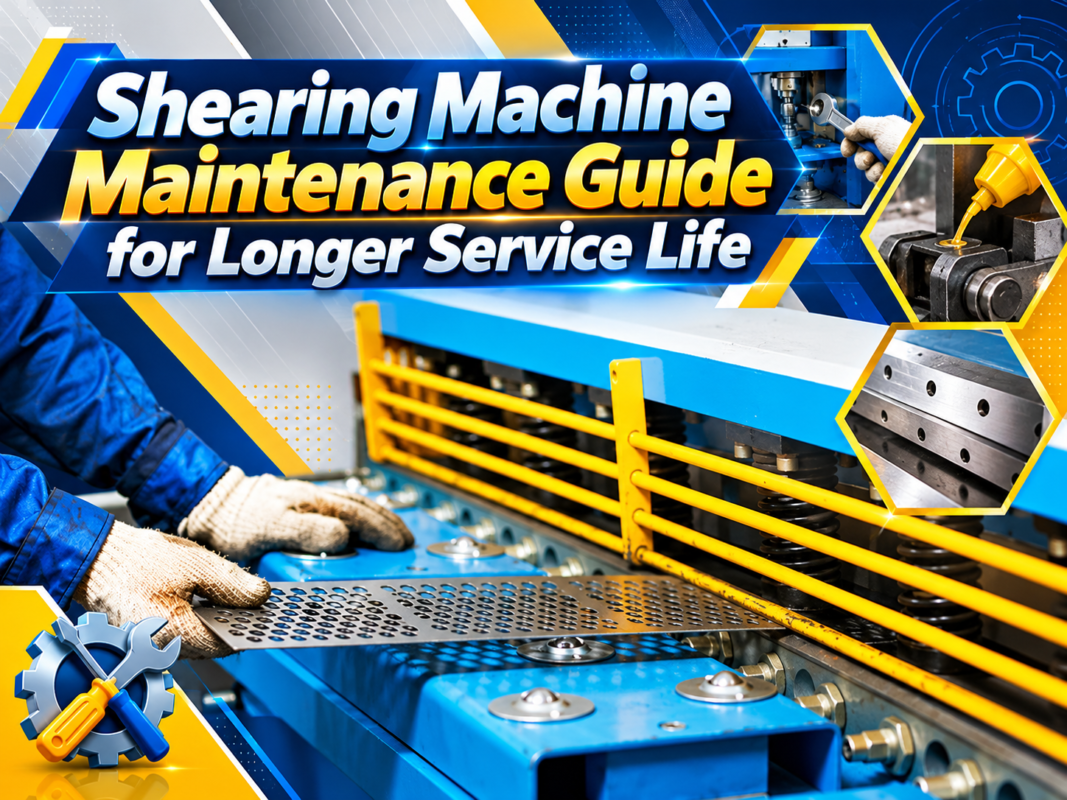
Another common error is the failure to maintain the correct blade gap. Many operators leave the gap set for thin material while attempting to cut thick plate. This leads to excessive burrs and forces the machine to work harder than necessary, accelerating the wear on the hydraulic pump and the blade edges. Regular inspection of the blade gap using a feeler gauge is a mandatory maintenance task that is often overlooked.
Neglecting the lubrication of the guide ways is a recipe for long-term failure. The upper blade carrier moves along precision guides; if these are not properly lubricated, friction increases, causing the machine to vibrate and produce inaccurate cuts. Furthermore, failing to clear the scrap metal from the rear of the machine can lead to jams, which can damage the backgauge assembly or the rear safety light curtains.
Finally, overloading the machine beyond its rated length is a critical error. Even if the material is thin, cutting a piece longer than the blade length can cause the material to twist and jam, potentially damaging the side frames. Always ensure that the material width does not exceed the machine’s effective cutting length and that the hold-down cylinders are fully engaging the material across the entire cut line.
Selection Checklist: Choosing the Right Shear
When selecting a guillotine shearing machine, start by defining your material profile. What is the thickest material you will cut regularly? What is the thinnest? What is the maximum length? These three questions will narrow down your options significantly. If you handle a wide variety of materials, prioritize a machine with a variable rake angle and easy-to-adjust blade clearance.
Consider the automation level required for your workflow. If you are producing high volumes of identical parts, a CNC-controlled backgauge with a programmable controller is essential. This allows you to save cutting sequences, reducing setup time and increasing consistency. For smaller job shops, a manual or simple digital readout (DRO) system may suffice, but ensure the build quality remains high to guarantee longevity.
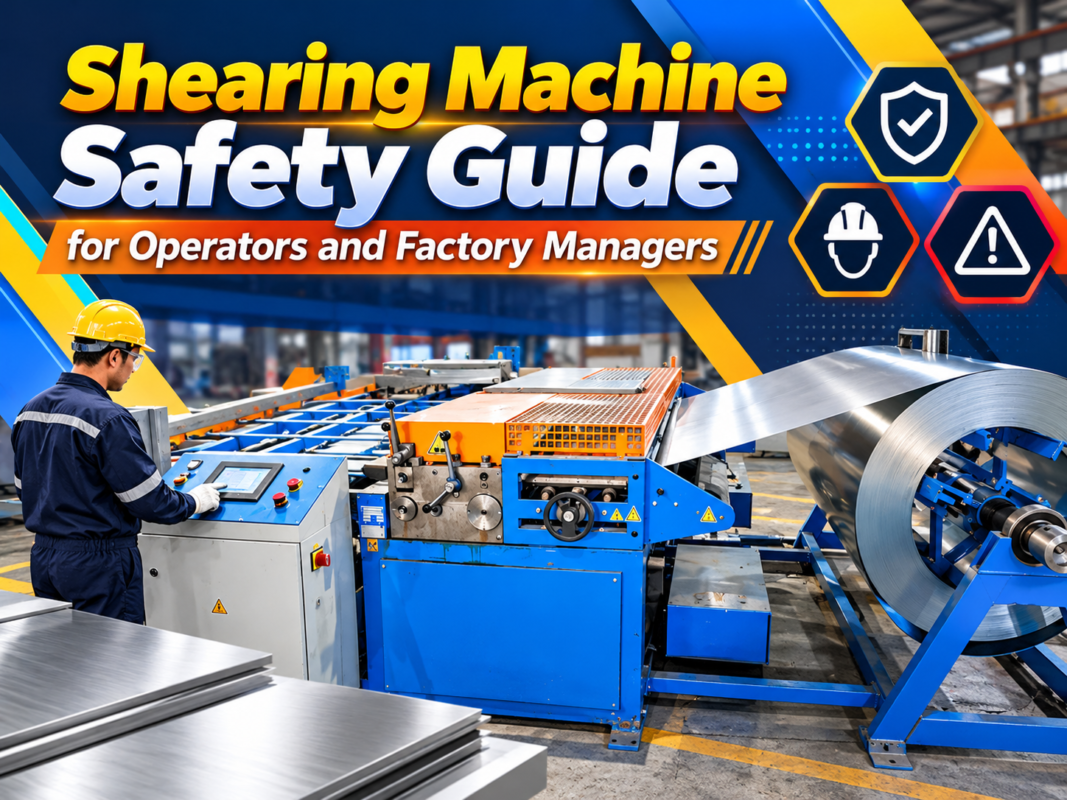
Evaluate the safety features. Modern shears should be equipped with rear light curtains, front finger guards, and emergency stop buttons that are easily accessible. HARSLE prioritizes operator safety by integrating these features into the machine’s control logic, ensuring that the machine cannot operate if a safety zone is breached.
Lastly, consider the after-sales support and spare parts availability. A shearing machine is a long-term investment. Ensure that the manufacturer provides comprehensive documentation, remote technical support, and a reliable supply of replacement blades and hydraulic components. HARSLE’s commitment to global service ensures that your production remains uninterrupted, regardless of your location.
FAQ: Guillotine Shearing Machine Explained
What is the difference between a swing beam shear and a guillotine shear?
A swing beam shear uses a pivoting upper blade carrier, which is simpler in design but can lead to slight variations in the blade gap throughout the stroke. A guillotine shear uses a vertical, linear guide system, providing superior precision and consistent blade clearance, making it better for high-accuracy applications.
How often should I sharpen the blades?
Blade life depends on the material type and volume. As a rule of thumb, if you notice excessive burrs on the bottom edge of the cut even after adjusting the blade gap, it is time to sharpen or rotate the blades. Most industrial blades are reversible, offering four cutting edges before needing professional regrinding.
Can I cut non-metallic materials with a guillotine shear?
Guillotine shears are specifically engineered for metal. Cutting non-metallic materials like plastic or wood can cause the material to shatter or splinter, and the lack of proper support can lead to dangerous kickback. Always consult the manufacturer before using the machine for non-standard materials.
What is the purpose of the hold-down cylinders?
The hold-down cylinders are designed to clamp the sheet firmly against the table before the blade makes contact. This prevents the material from lifting or shifting during the cut, which is crucial for maintaining dimensional accuracy and preventing the sheet from being pulled into the blade gap.
How do I ensure the cut is square?
Squareness is achieved by ensuring the backgauge is perfectly parallel to the blade and that the side squaring arm is set at a precise 90-degree angle. Regularly checking these alignments with a precision square is a vital part of routine maintenance.