
How to Extend the Service Life of Your Shearing Machine Through Proper Care


The Critical Importance of Maintenance for Shearing Machines
In the high-stakes world of metal fabrication, the shearing machine serves as the backbone of production efficiency. Whether you are operating a guillotine shear or a swing beam model, the ability to consistently produce clean, accurate cuts is paramount. To extend the service life of your shearing machine through proper care, one must first recognize that maintenance is not merely a chore, but a strategic investment in operational longevity and safety. Neglecting routine upkeep leads to premature wear, costly downtime, and potential safety hazards that can compromise your entire production line.
A well-maintained shearing machine operates with higher precision, consumes less energy, and maintains a higher resale value. When components like blades, hydraulic seals, and electrical sensors are kept in peak condition, the machine experiences less internal stress. This proactive approach prevents the ‘domino effect’ where a minor, ignored issue—such as a loose bolt or a clogged filter—eventually causes a catastrophic failure of the main drive system or the hydraulic pump.
Furthermore, industrial machinery like HARSLE shearing equipment is engineered for durability, but this durability is contingent upon the operator’s adherence to maintenance protocols. By integrating a culture of care into your daily workshop routine, you ensure that the machine remains a reliable asset for decades rather than years. This guide explores the technical nuances of maintaining your equipment to ensure maximum performance.
Understanding the mechanical integrity of your shear is the first step toward long-term success. Every component, from the frame to the blade clearance adjustment mechanism, plays a role in the machine’s overall health. By prioritizing maintenance, you are not just fixing problems; you are preventing them, thereby safeguarding your investment and ensuring that your metal fabrication applications remain competitive in an increasingly demanding market.
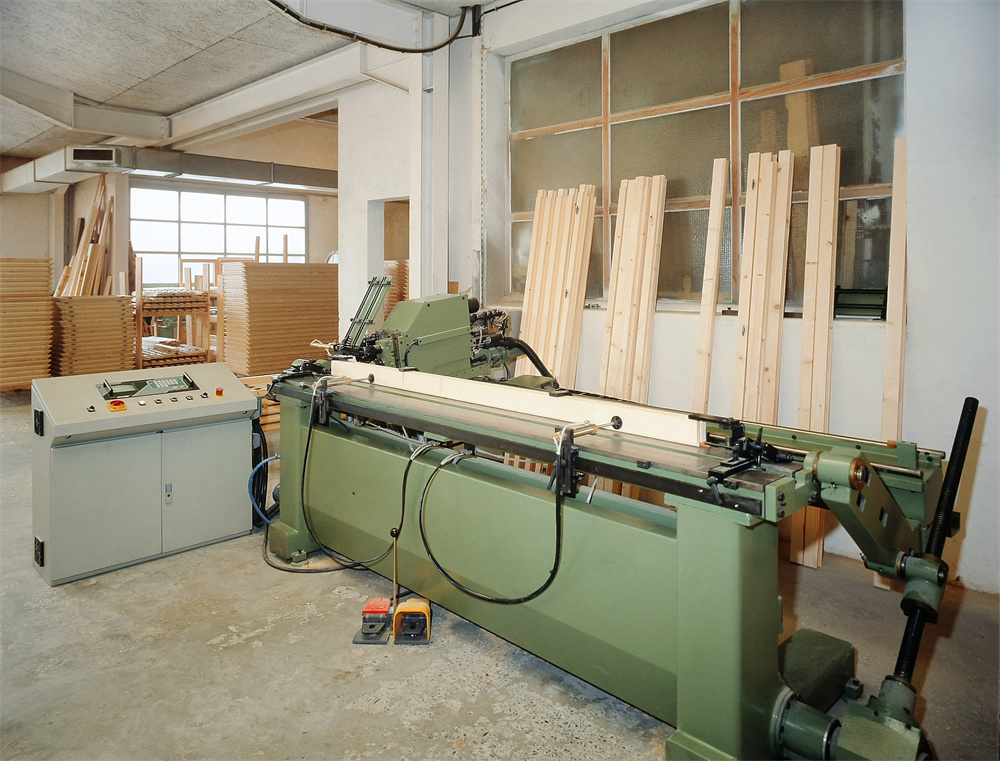
Daily Inspection: The First Line of Defense
The daily inspection is the most effective tool in your arsenal to extend the service life of your shearing machine through proper care. Before the start of every shift, operators should conduct a ‘walk-around’ check. This involves visually inspecting the machine for any signs of hydraulic leaks, loose fasteners, or debris accumulation around the blade area. Even a small puddle of oil beneath the machine can indicate a failing seal that, if left unaddressed, could lead to a total hydraulic system failure.
Check the blade gap settings before starting the first cut of the day. Using the wrong clearance for the material thickness is a leading cause of blade dulling and frame strain. Ensure that the backgauge is moving smoothly and that the digital readout matches the physical position of the backgauge. If the machine exhibits any unusual vibrations or sounds during the initial dry run, stop immediately and investigate the source before proceeding with production.
Cleanliness is equally vital. Metal shavings, dust, and offcuts should be cleared away from the work table and the blade housing. These small particles can act as abrasives if they get caught in the sliding surfaces or the blade guides. Use compressed air or a soft brush to clear the area, ensuring that the sensors and safety light curtains are free from obstructions. A clean machine is easier to inspect, and issues become visible much faster.
Finally, verify the functionality of all emergency stop buttons and safety guards. A shearing machine is a powerful piece of industrial equipment, and safety systems are designed to protect both the operator and the machine itself. Testing these systems daily ensures that they are ready to respond in the event of an anomaly, preventing potential damage to the machine’s internal components during an emergency shutdown.
Hydraulic, Electrical, and Mechanical Checks
The hydraulic system is the heart of your shearing machine. To extend the service life of your shearing machine through proper care, you must monitor the hydraulic fluid quality and pressure levels religiously. Contaminated oil is the primary enemy of hydraulic pumps and valves. Ensure that the oil is changed at the intervals recommended by HARSLE, and always use the specified viscosity grade. Check the oil temperature; if it runs consistently hot, it may indicate a cooling system failure or an internal leak that requires immediate attention.
Electrical components require a different, yet equally rigorous, approach. Dust and humidity are the enemies of control panels and PLC units. Ensure that the electrical cabinet is sealed properly to prevent metal dust from entering. Periodically open the cabinet (with the power safely disconnected) to check for loose wire connections or signs of overheating, such as discolored insulation. A stable power supply is also crucial; use a voltage stabilizer if your facility experiences frequent power fluctuations, as these can damage sensitive electronic controllers.
Mechanical checks focus on the structural integrity and the cutting action. The blade clearance is the most critical mechanical setting. If the gap is too wide, the material will bend rather than shear, putting excessive stress on the blade and the frame. If the gap is too tight, the blades will clash, leading to chipping and catastrophic failure. Regularly check the blade bolts to ensure they are torqued to the manufacturer’s specifications. A loose blade will vibrate, causing uneven cuts and damaging the blade seat.
The backgauge system and the hold-down cylinders also require attention. The hold-down cylinders must exert uniform pressure across the entire length of the sheet to prevent slipping. If one cylinder is weaker than the others, the sheet will shift, causing inaccurate cuts and potential damage to the blade edges. Regularly lubricate the guide rails of the backgauge to ensure smooth, repeatable positioning accuracy over the life of the machine.
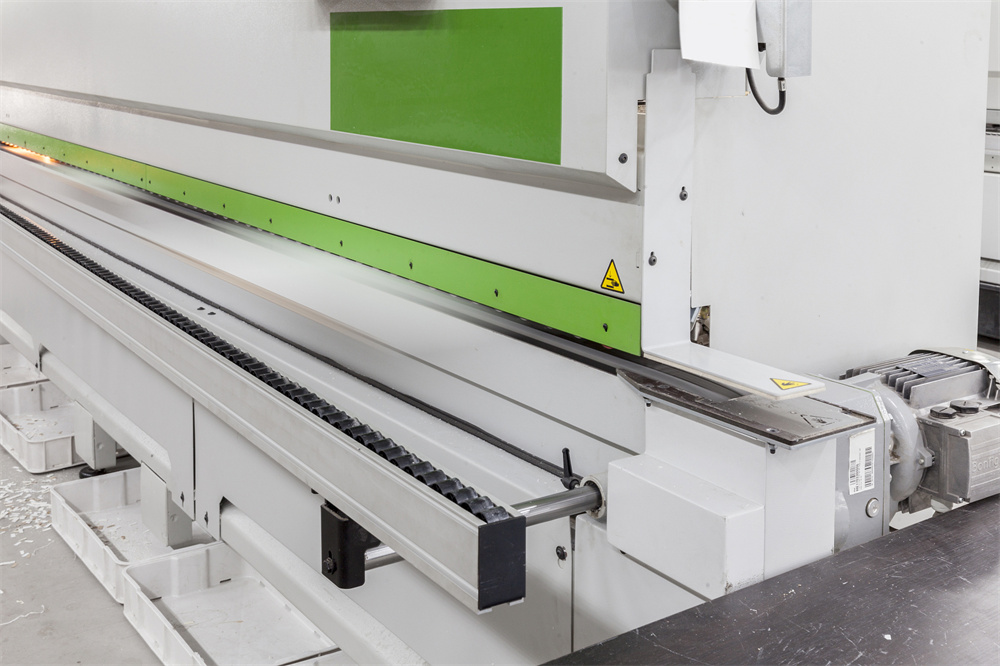
Comprehensive Lubrication Plan
A robust lubrication plan is the lifeblood of any metal fabrication equipment. Friction is the primary cause of wear in moving parts, and a shearing machine has many high-load contact points. To extend the service life of your shearing machine through proper care, you must follow a strict lubrication schedule. This includes the main slide guides, the backgauge lead screws, and the pivot points of the swing beam. Use only the high-quality lubricants recommended in your HARSLE manual, as improper grease can lead to gumming or insufficient protection under high pressure.
Establish a lubrication logbook. This log should track when each point was greased, the type of lubricant used, and the technician responsible. This creates accountability and ensures that no point is missed. For automated lubrication systems, check the reservoir levels weekly and ensure that the pump is delivering grease to all distribution blocks. If a specific point is not receiving grease, it could lead to localized overheating and metal-on-metal wear that is expensive to repair.
Pay special attention to the blade guides and the ram guides. These areas are subject to immense pressure during the shearing stroke. If these guides become dry, the ram will begin to ‘chatter,’ leading to poor cut quality and increased stress on the hydraulic cylinders. Clean the guides before applying new lubricant to prevent the buildup of old, contaminated grease that can act as an abrasive paste.
Finally, consider the environment. If your workshop is particularly dusty or operates in high-temperature conditions, you may need to increase the frequency of your lubrication cycles. Lubrication is a small cost compared to the price of replacing a scored guide rail or a seized lead screw. By treating lubrication as a non-negotiable part of your daily routine, you significantly reduce the risk of mechanical failure.
Troubleshooting Signals: When to Act
Recognizing the early warning signs of machine distress is a vital skill for any operator. To extend the service life of your shearing machine through proper care, you must be attuned to the ‘voice’ of the machine. Unusual noises, such as grinding, clicking, or high-pitched squealing, are immediate indicators of trouble. Grinding often points to worn bearings or lack of lubrication, while a high-pitched squeal might indicate a hydraulic relief valve that is stuck or set incorrectly.
Changes in cut quality are another major signal. If you notice burrs on the edges of the cut material, it is a sign that the blade clearance is incorrect or the blades have become dull. Do not simply increase the cutting force to compensate; this will only damage the machine further. Instead, inspect the blades for chipping or wear. If the material is slipping during the cut, check the hold-down cylinders for pressure loss or seal leakage.
Monitor the machine’s cycle time. If the shearing stroke has become noticeably slower, it could indicate a failing hydraulic pump or a clogged filter. If the backgauge is losing its accuracy or ‘hunting’ for position, it may be an issue with the encoder or the drive motor. These signals are the machine’s way of asking for help. Ignoring them will almost certainly lead to a more severe, and more expensive, breakdown.
Keep a maintenance log of these signals. If you notice a recurring issue, it may point to a deeper systemic problem, such as an undersized hydraulic system for your specific application or an electrical grounding issue. By documenting these events, you provide your maintenance team or HARSLE support technicians with the data they need to perform a precise diagnosis, saving time and reducing repair costs.
Maintenance Schedule Table
| Frequency | Task | Action |
|---|---|---|
| Daily | Visual Inspection | Check for leaks, loose bolts, and debris. |
| Daily | Safety Check | Test E-stops and light curtains. |
| Weekly | Lubrication | Grease guide rails and pivot points. |
| Weekly | Filter Check | Inspect hydraulic filters for clogging. |
| Monthly | Blade Inspection | Check blade clearance and edge sharpness. |
| Quarterly | Hydraulic System | Check oil levels, temperature, and pressure. |
| Bi-Annually | Electrical Cabinet | Clean dust and check wire connections. |
| Annually | Full Calibration | Professional service and alignment check. |
Frequently Asked Questions (FAQ)
How often should I sharpen the blades on my shearing machine?
The frequency depends on the material type, thickness, and volume of production. As a rule of thumb, if you notice burrs on the cut edge, it is time to inspect the blades. Regular sharpening prevents excessive force on the machine frame.
Can I use any hydraulic oil for my HARSLE shear?
No, you must use the specific hydraulic oil grade recommended in your machine manual. Using the wrong viscosity can lead to pump failure, overheating, and sluggish performance.
What is the most common cause of shearing machine failure?
The most common cause is neglect of routine maintenance, specifically regarding lubrication and hydraulic fluid cleanliness. Contaminated oil and dry guide rails are the primary culprits for premature wear.
How do I know if my blade clearance is correct?
The blade clearance should be set based on the material thickness and tensile strength. Refer to the HARSLE clearance chart provided with your machine. A correct gap produces a clean, square edge without excessive burrs or bending.
Why is my backgauge losing accuracy?
This is often caused by debris in the lead screw or wear in the drive mechanism. Ensure the backgauge area is kept clean and lubricated. If the issue persists, the encoder may need recalibration or replacement.
Is it necessary to hire a professional for annual maintenance?
While daily and weekly tasks can be handled by your team, an annual professional inspection is highly recommended. Experts can perform precision alignments and diagnostic checks that require specialized tools, ensuring the machine meets its original factory specifications.


