
Punching Machine Price Guide: What Affects Cost and How to Choose the Right Model


Punching Machine Price Range Overview
Investing in a punching machine is a significant capital expenditure for any metal fabrication facility. Understanding the punching machine price: affects cost choose model dynamics is essential for making an informed decision that aligns with your production requirements and budget. Generally, the market for punching machines is segmented into three tiers: entry-level manual or semi-automatic machines, mid-range hydraulic CNC punch presses, and high-end, fully automated turret punch press systems.
Entry-level machines, often used for small-batch production or specialized workshops, typically range from $10,000 to $30,000. These machines offer basic functionality and require more manual intervention. While they are cost-effective, they may lack the speed and precision required for high-volume industrial applications. They serve as a great starting point for businesses transitioning from manual labor to semi-automated processes.
Mid-range CNC hydraulic punching machines, which represent the workhorse of the industry, generally fall between $40,000 and $120,000. These machines offer a balance of speed, versatility, and automation. They are equipped with advanced control systems, automatic tool changers, and higher tonnage capacities, making them suitable for medium to large-scale production runs where precision and repeatability are paramount.
High-end, fully automated turret punch presses can exceed $200,000 to $500,000. These systems are designed for lights-out manufacturing, featuring integrated loading and unloading systems, complex tool management, and high-speed punching capabilities. The investment here is justified by the massive reduction in labor costs and the ability to handle complex, high-volume production schedules without constant supervision.
Main Cost Drivers in Punching Machinery
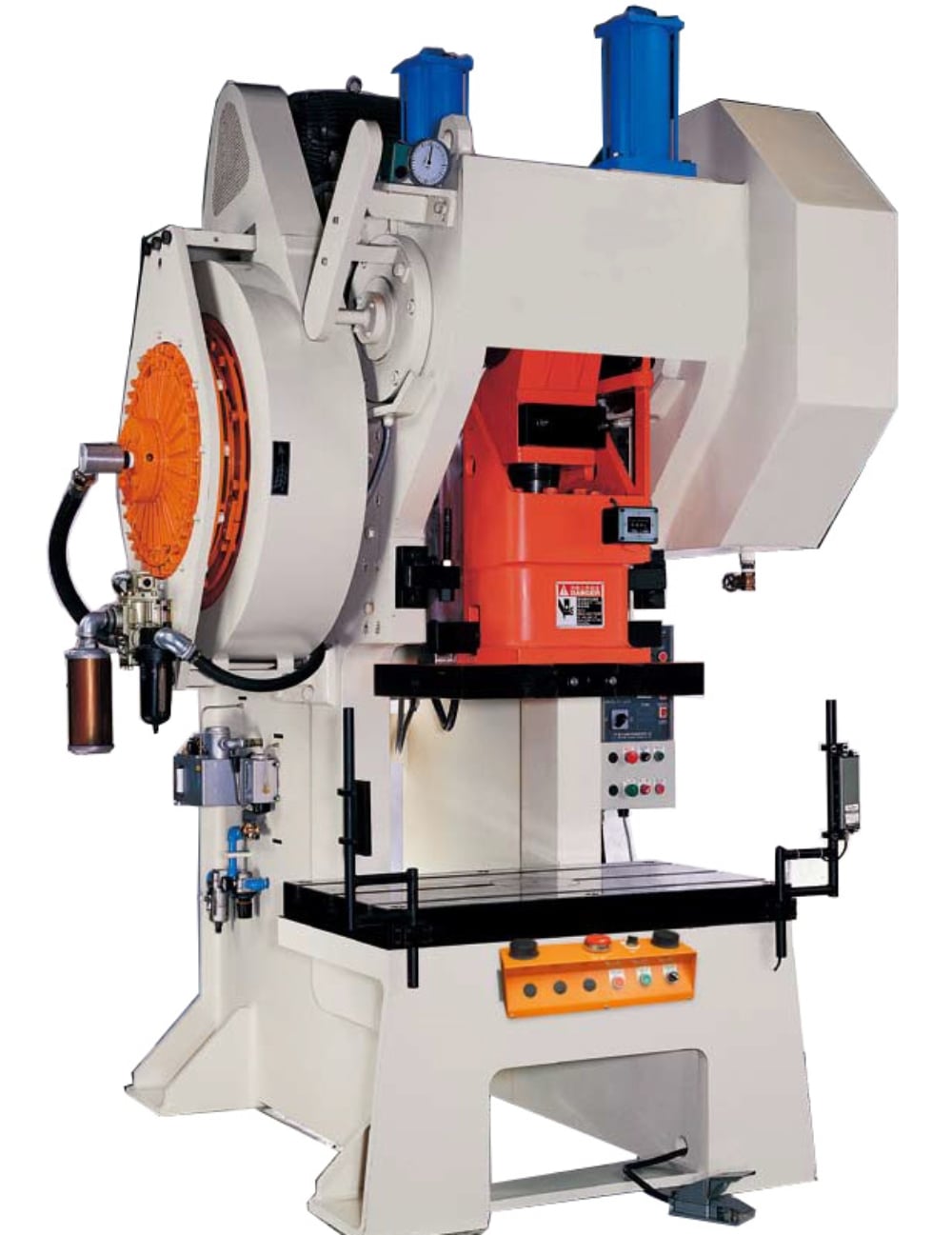
The punching machine price: affects cost choose model equation is heavily influenced by several technical specifications. The most significant driver is the tonnage capacity. Tonnage refers to the force the machine can exert on the material. Higher tonnage allows for punching thicker materials and larger hole diameters, but it also requires a more robust frame, larger motors, and more expensive hydraulic or servo components.
Another critical factor is the throat depth and sheet size capacity. Machines designed to handle larger sheet metal formats require larger frames and more complex positioning systems. The throat depth determines how far into the sheet the punch can reach. A machine with a larger throat depth is more versatile but comes with a higher price tag due to the structural engineering required to maintain rigidity under load.
The type of drive system—mechanical, hydraulic, or servo-electric—also dictates the price. Hydraulic systems are traditional and reliable, offering a good balance of cost and performance. Servo-electric systems, while more expensive upfront, offer superior energy efficiency, higher speeds, and lower maintenance costs over the machine’s lifecycle. Choosing between these depends on your specific production volume and energy cost considerations.
Tooling compatibility and the number of tool stations are also major cost drivers. A turret punch press with a high number of stations allows for more complex parts to be produced without manual tool changes. The complexity of the turret mechanism, the precision of the indexing system, and the integration of auto-index stations all contribute to the final price of the equipment.
Configuration Impact on Total Investment
When evaluating the punching machine price: affects cost choose model, the configuration of the machine is as important as the base unit. Many manufacturers offer modular configurations that allow you to tailor the machine to your specific needs. For instance, adding an automatic tool changer (ATC) significantly increases the initial investment but drastically reduces downtime during production runs.
Software integration is another configuration aspect that impacts cost. Modern CNC punching machines rely on sophisticated CAD/CAM software to optimize nesting, tool paths, and punch sequences. Investing in high-quality software can reduce material waste and increase machine throughput, effectively lowering the cost-per-part. Some machines come with proprietary software, while others are compatible with third-party solutions, each with its own pricing structure.
Safety features and environmental controls also play a role in the configuration cost. Modern machines must comply with strict safety standards, including light curtains, safety cages, and emergency stop systems. Additionally, noise reduction enclosures and dust extraction systems are often necessary in modern factory environments. While these add to the initial price, they are essential for regulatory compliance and worker safety.
Finally, consider the integration of material handling systems. Whether it is a simple sheet loader or a fully automated storage and retrieval system (AS/RS), these additions can double the price of the machine. However, for high-volume shops, the labor savings and increased machine utilization provided by these systems often result in a faster return on investment compared to a standalone machine.
Ukryte koszty posiadania
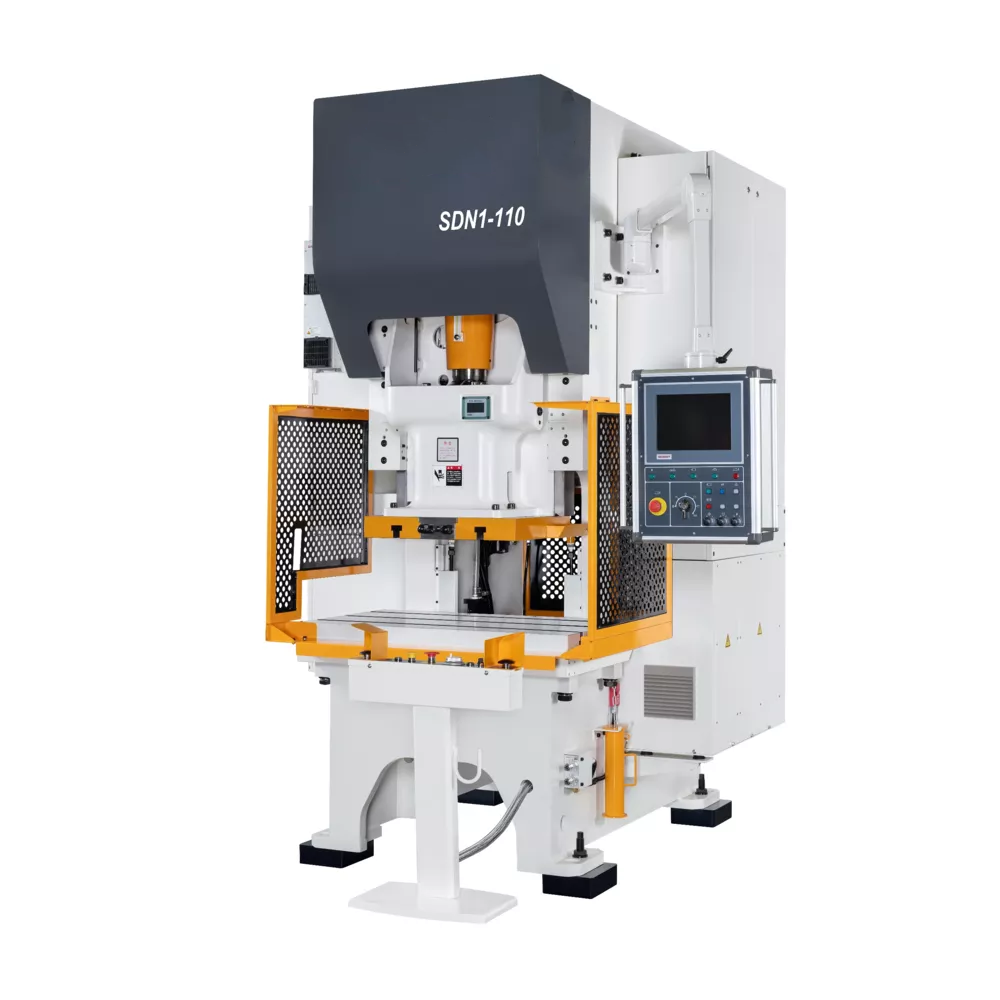
Beyond the sticker price, potential buyers must account for the total cost of ownership (TCO). Installation and commissioning are often overlooked. These costs include site preparation, such as reinforced concrete flooring, electrical upgrades, and pneumatic line installations. Depending on the machine size, professional rigging and installation services can add several thousand dollars to the project.
Maintenance and spare parts represent a significant ongoing cost. High-performance machines require regular lubrication, filter changes, and calibration. Furthermore, the cost of specialized tooling—punches, dies, and strippers—can be substantial. High-quality tooling lasts longer and produces better results, but it requires a larger upfront investment. It is wise to factor in a yearly budget for tooling replacement and machine servicing.
Training is another hidden cost that is vital for success. Your operators need to be proficient in programming, machine operation, and basic troubleshooting. Many manufacturers offer training packages, but you must also account for the downtime and lost productivity while your staff is learning the new system. Investing in comprehensive training early on prevents costly errors and machine damage later.
Energy consumption should also be calculated. While servo-electric machines are more efficient, they still draw significant power. If your facility has high electricity rates, the energy efficiency of the machine can impact your bottom line over time. Always request energy consumption data from the manufacturer to perform a realistic cost-benefit analysis before finalizing your purchase.
ROI Calculation for Punching Machines
Calculating the Return on Investment (ROI) is the most effective way to justify the punching machine price: affects cost choose model decision. To calculate ROI, start by determining the total investment cost, including the machine price, shipping, installation, training, and initial tooling. Next, estimate the annual savings generated by the machine. This includes labor cost reductions, material savings through better nesting, and increased production capacity.
Consider the “cost-per-part” metric. By comparing the cost of producing a part on your current equipment versus the new machine, you can determine how quickly the machine will pay for itself. If the new machine can produce parts 30% faster with 10% less material waste, the cumulative savings over a year can be substantial. Use this data to project the payback period.
Don’t forget to factor in the value of increased quality and reduced rework. A high-precision CNC punch press reduces the likelihood of errors, which saves money on scrap and customer returns. Furthermore, the ability to take on more complex jobs can open up new revenue streams, which should be included in your ROI projections as potential growth rather than just cost savings.
Finally, consider the resale value. High-quality industrial machinery from reputable brands like HARSLE tends to hold its value well. When calculating the long-term ROI, you can factor in the potential trade-in or resale value of the machine after 5 to 10 years of service. This often makes the decision to purchase a premium machine more financially sound than opting for a cheaper, less durable alternative.
Buying Advice: How to Choose the Right Model
Choosing the right punching machine requires a thorough assessment of your current and future production needs. Start by analyzing your product mix. Are you producing simple, repetitive parts, or do you need the flexibility to handle a wide variety of custom designs? If your work is highly varied, a turret punch press with a large number of tool stations is essential.
Evaluate the material types and thicknesses you work with most frequently. If you primarily work with thin-gauge aluminum, a lower-tonnage machine might suffice. However, if you regularly process thick steel or stainless steel, you will need a machine with higher tonnage and a more robust frame. Always choose a machine with a slightly higher capacity than your current maximum requirement to allow for future growth.
Consider the reputation and support network of the manufacturer. A machine is only as good as the support behind it. Look for manufacturers that offer local service technicians, readily available spare parts, and remote diagnostic capabilities. HARSLE, for example, provides comprehensive support to ensure that your machine remains operational and productive throughout its lifecycle.
Finally, schedule a demonstration or visit a facility that uses the machine you are considering. Seeing the machine in action allows you to assess its speed, noise levels, and ease of use. Talk to the operators about their experience with the machine’s interface and maintenance requirements. This real-world feedback is invaluable and often reveals details that are not apparent in brochures or technical specifications.
Najczęściej zadawane pytania (FAQ)
1. What is the average lifespan of an industrial punching machine?
With proper maintenance and regular servicing, a high-quality industrial punching machine can last between 15 and 25 years. The longevity depends heavily on the intensity of use and the quality of the maintenance program.
2. Is it better to buy a new or used punching machine?
New machines offer the latest technology, warranties, and higher reliability. Used machines are cheaper but carry risks regarding wear and tear and lack of manufacturer support. For critical production lines, new is generally recommended; for low-volume or startup shops, a well-maintained used machine can be a viable option.
3. How often should I perform maintenance on my punching machine?
Daily checks should include cleaning and lubrication. Monthly maintenance should involve inspecting hydraulic levels, checking for loose bolts, and verifying the accuracy of the turret indexing. Annual professional servicing is highly recommended to ensure long-term precision.
4. Can I upgrade my punching machine later?
Many modern CNC punching machines are modular. You can often add features like automatic loading/unloading systems or additional tool stations later. However, it is usually more cost-effective to purchase the configuration you need upfront.
5. How does the punching machine price: affects cost choose model logic apply to small businesses?
Small businesses should focus on versatility and ease of use. While a high-end automated system might be overkill, investing in a reliable, mid-range CNC machine provides the best balance of affordability and the ability to scale production as the business grows.


