A Complete Guide to Press Brake Safety Maintenance Procedures


The Critical Importance of Press Brake Maintenance
In the high-stakes environment of modern metal fabrication, the press brake stands as the backbone of production. Whether you are operating a high-precision CNC hydraulic machine or a heavy-duty mechanical press, the equipment is subject to immense physical stress, extreme pressure, and constant repetitive motion. Implementing a complete press brake safety maintenance procedures protocol is not merely a suggestion; it is a fundamental requirement for operational longevity, workplace safety, and consistent product quality.
Neglecting routine maintenance leads to a cascade of failures. When hydraulic seals degrade, pressure drops; when mechanical linkages lose lubrication, friction increases, leading to premature wear on the ram and bed. Beyond the financial impact of downtime and expensive repairs, poorly maintained machinery poses a significant risk to operators. A machine that is not calibrated correctly or has faulty safety sensors can lead to catastrophic accidents, making rigorous maintenance a cornerstone of your safety management system.
At HARSLE, we emphasize that maintenance is an investment, not an expense. By adhering to a structured maintenance schedule, fabricators can extend the service life of their equipment by years, maintain tighter tolerances on complex bends, and ensure that the machine remains compliant with international safety standards. This guide serves as your comprehensive resource for maintaining your press brake to peak performance levels.
Daily Inspection: The First Line of Defense
The daily inspection is the most effective tool in your arsenal for preventing major breakdowns. Before the shift begins, operators should perform a walk-around to identify any visible signs of wear or potential hazards. This process should take no more than 10 to 15 minutes but can save hours of unplanned downtime. Start by checking the area around the machine for oil leaks, loose debris, or obstructions that could interfere with the ram’s movement.
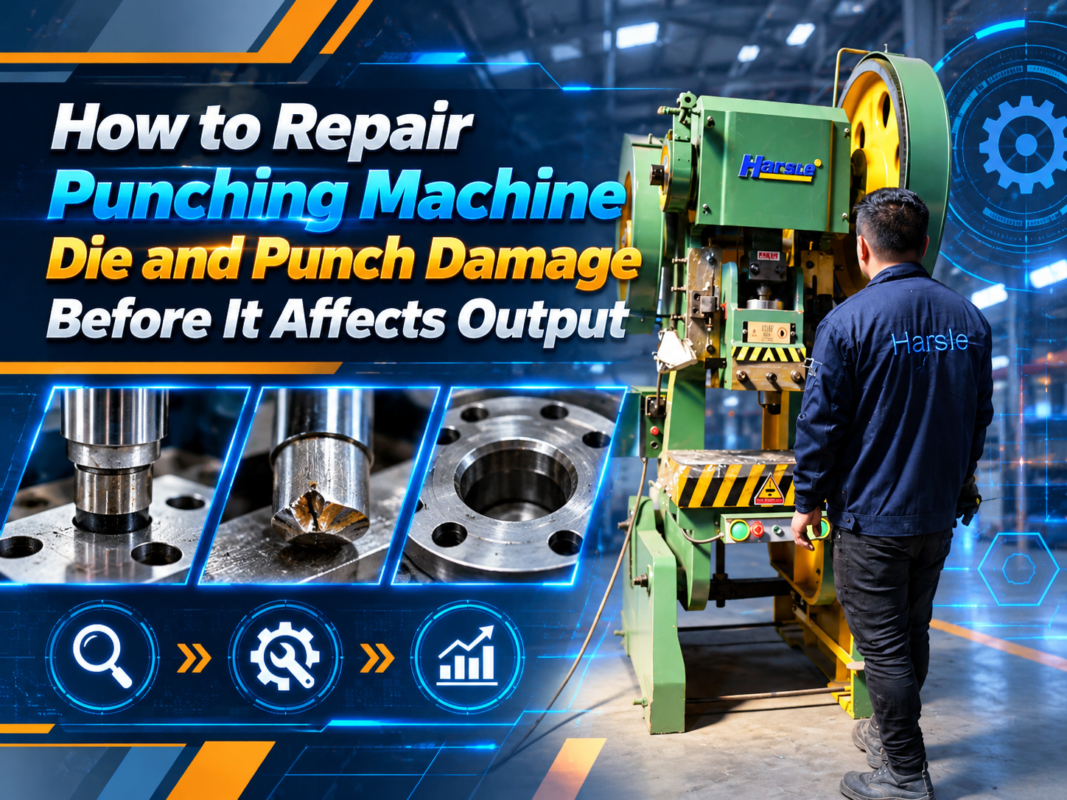
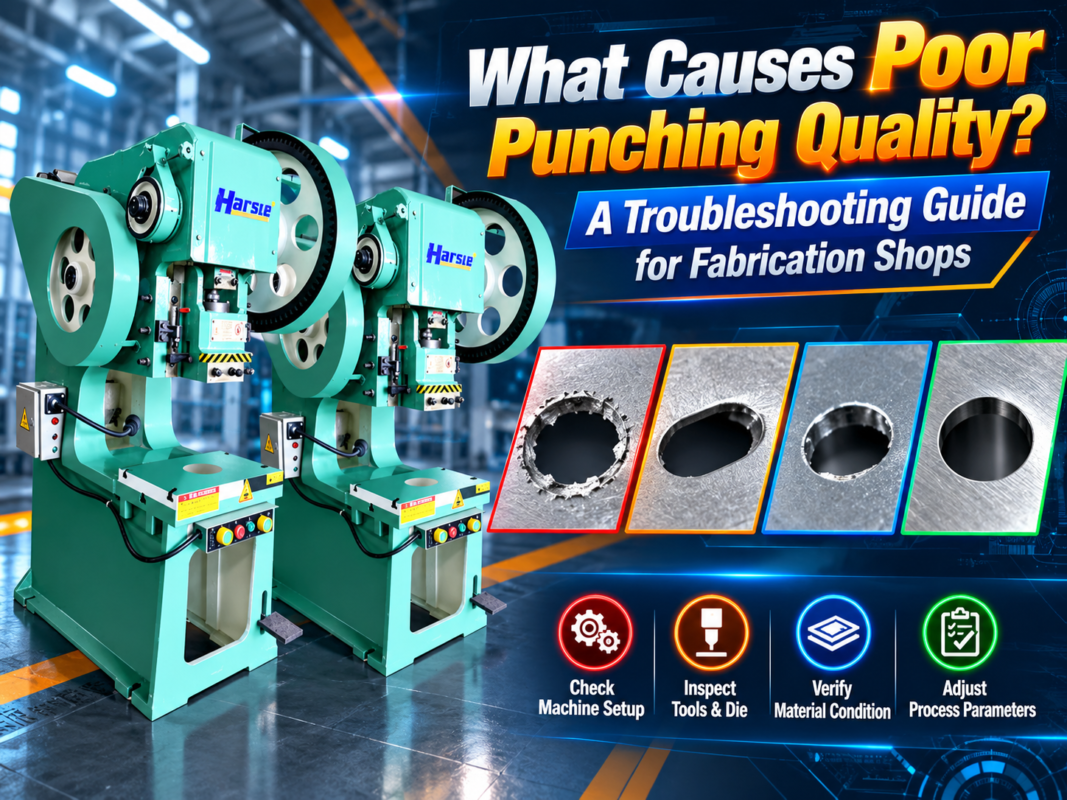
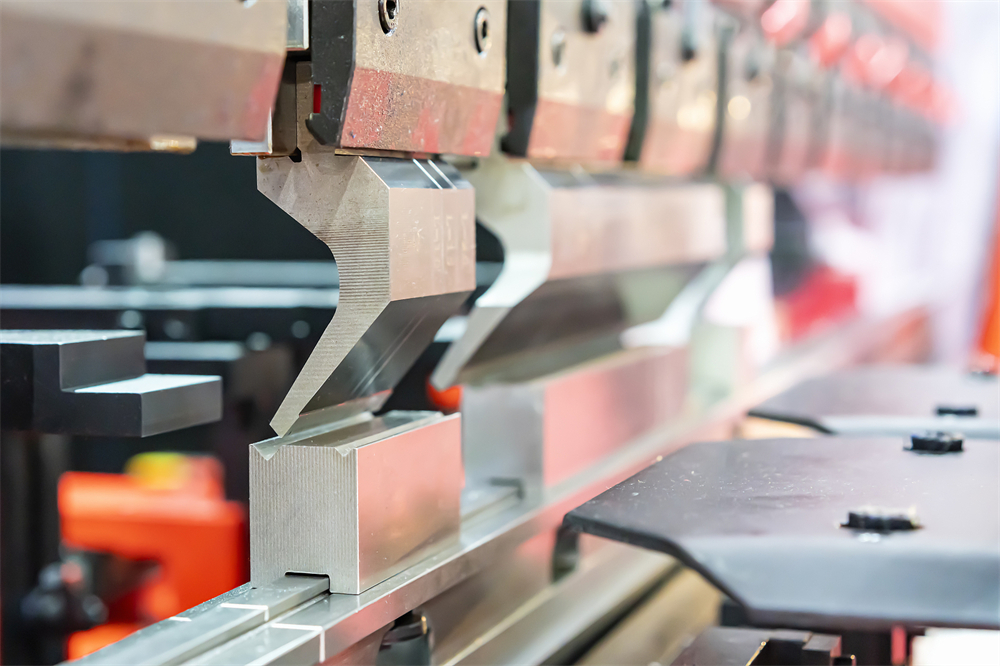
Next, inspect the tooling. The punch and die must be free of cracks, chips, or excessive wear. Even minor imperfections in the tooling can lead to uneven bending pressure, which in turn puts unnecessary stress on the machine’s frame and hydraulic system. Ensure that the tooling is properly seated and that all clamping mechanisms are tightened to the manufacturer’s specifications. A loose tool is a dangerous tool.
Check the safety systems daily. This includes testing the light curtains, laser safety guards, and the emergency stop buttons. If the light curtain does not trigger an immediate halt to the ram movement, the machine must be locked out and tagged out immediately. Never bypass safety sensors to increase production speed; the risk of injury far outweighs any temporary gain in output.
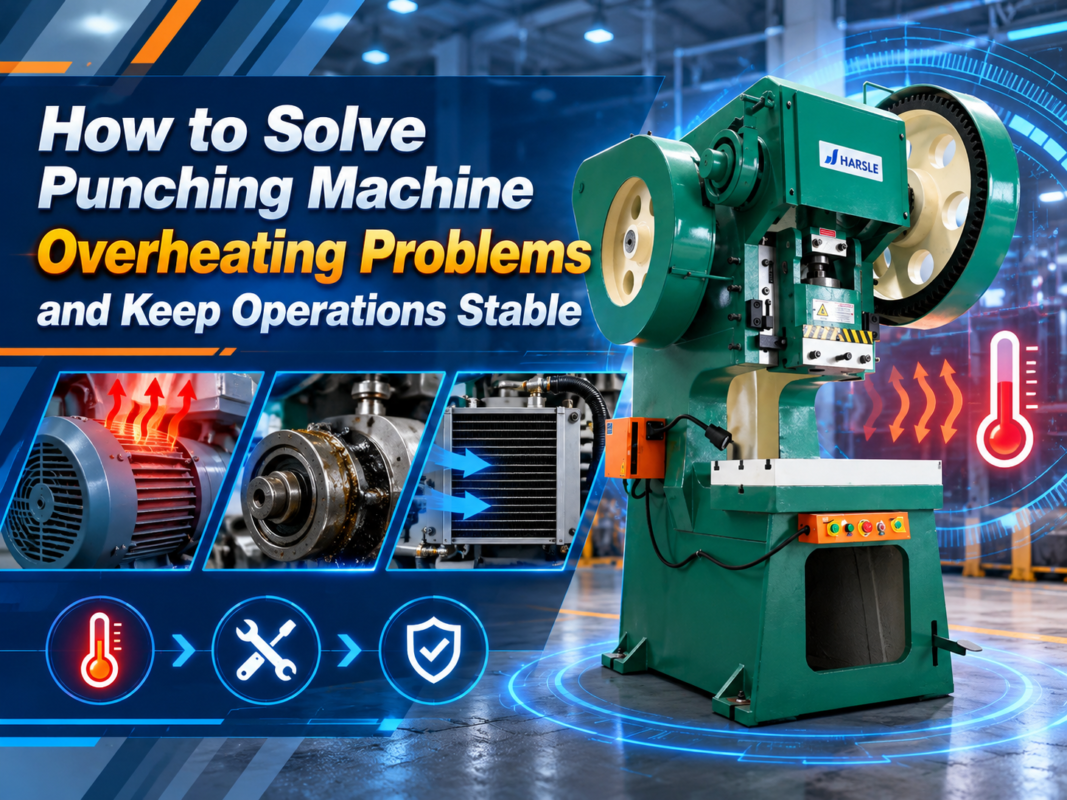
Finally, verify the fluid levels and pressure gauges. Ensure the hydraulic oil is at the correct level and that the temperature is within the operating range. If the machine has been sitting idle, allow it to warm up for a few minutes to ensure the oil reaches the proper viscosity, which improves the responsiveness of the valves and cylinders.
Hydraulic, Electrical, and Mechanical Checks
The hydraulic system is the heart of your press brake. Maintenance here focuses on fluid cleanliness and seal integrity. Hydraulic oil should be analyzed periodically for contamination, such as metal shavings or water ingress. If the oil appears cloudy or dark, it is time for a change. Furthermore, inspect all hoses and fittings for signs of weeping or bulging. A high-pressure hydraulic leak is not only a fire hazard but can also cause severe injury if it comes into contact with skin.
Electrical systems require a different approach. Over time, vibration can cause terminal connections to loosen, leading to arcing or intermittent signal loss. Periodically open the electrical cabinet (ensuring the power is disconnected) to check for loose wires, dust accumulation, and signs of overheating. Dust is a major enemy of electrical components; use compressed air or a vacuum to keep the cabinet clean, as dust can act as an insulator and cause components to overheat.
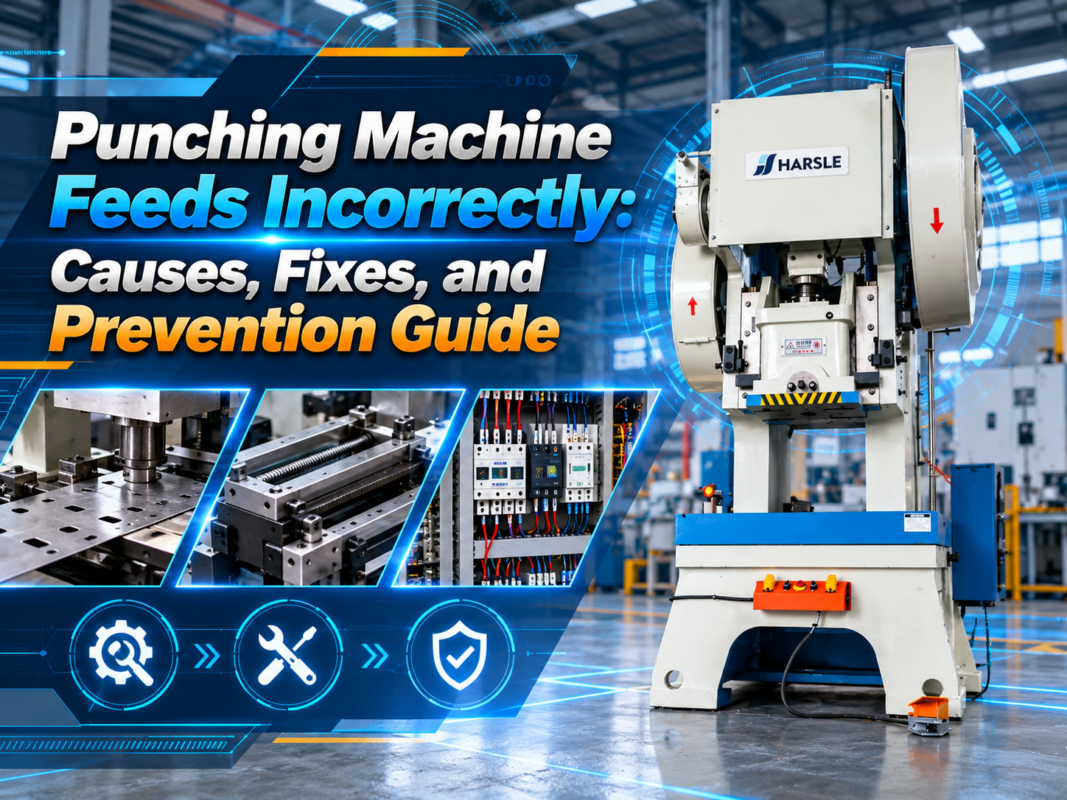
Mechanical checks involve the structural integrity of the machine. Inspect the ram guides and gibs for proper clearance. If the ram has too much play, your bend angles will be inconsistent. Check the synchronization of the cylinders; if one side is lagging, it may indicate a valve issue or a sensor calibration problem. Regularly inspect the backgauge system for smooth movement and accuracy, as this is critical for the repeatability of your parts.
Comprehensive Lubrication Plan
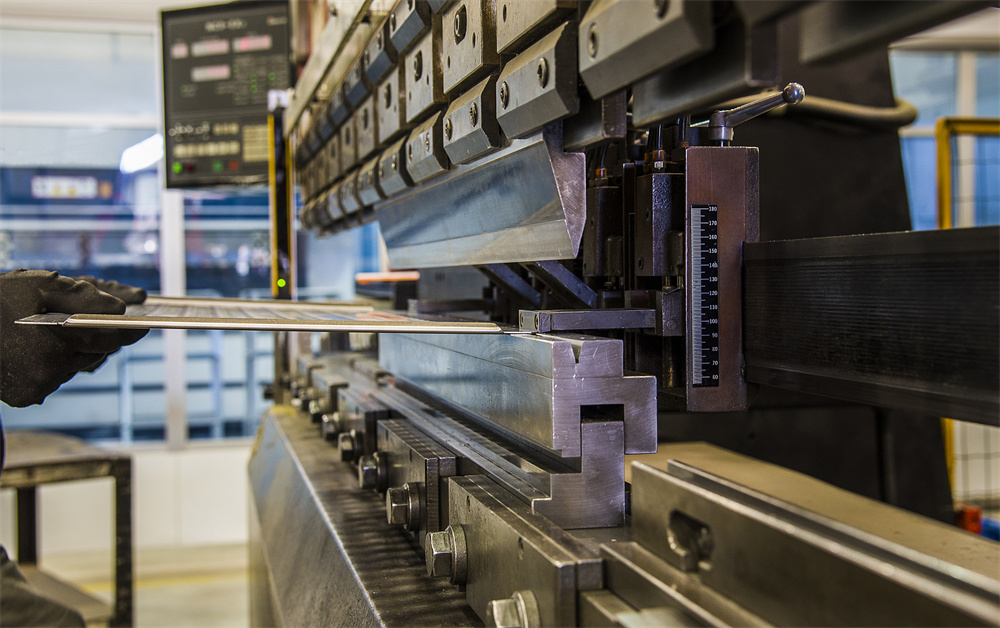
Lubrication is the lifeblood of the press brake’s moving parts. A well-lubricated machine runs cooler, quieter, and with less energy consumption. Your lubrication plan should be broken down into daily, weekly, and monthly tasks. Daily tasks usually involve checking the automatic lubrication system reservoir and ensuring that the grease lines are not blocked or kinked.
Weekly, you should manually inspect the lubrication points on the ram guides and the backgauge lead screws. Use the high-quality grease recommended by HARSLE to prevent metal-on-metal contact. If you are operating in a high-dust environment, you may need to clean and re-grease these areas more frequently, as dust can mix with grease to form an abrasive paste that accelerates wear.
Monthly, perform a deep clean of the lubrication system. Check the filters in the lubrication pump to ensure they are not clogged. If your machine uses an automatic lubrication system, verify that it is actually delivering grease to all designated points. Sometimes, a line can become pinched or blocked, leaving a critical bearing or guide rail dry while the pump continues to run.
Troubleshooting Signals: When to Call for Help
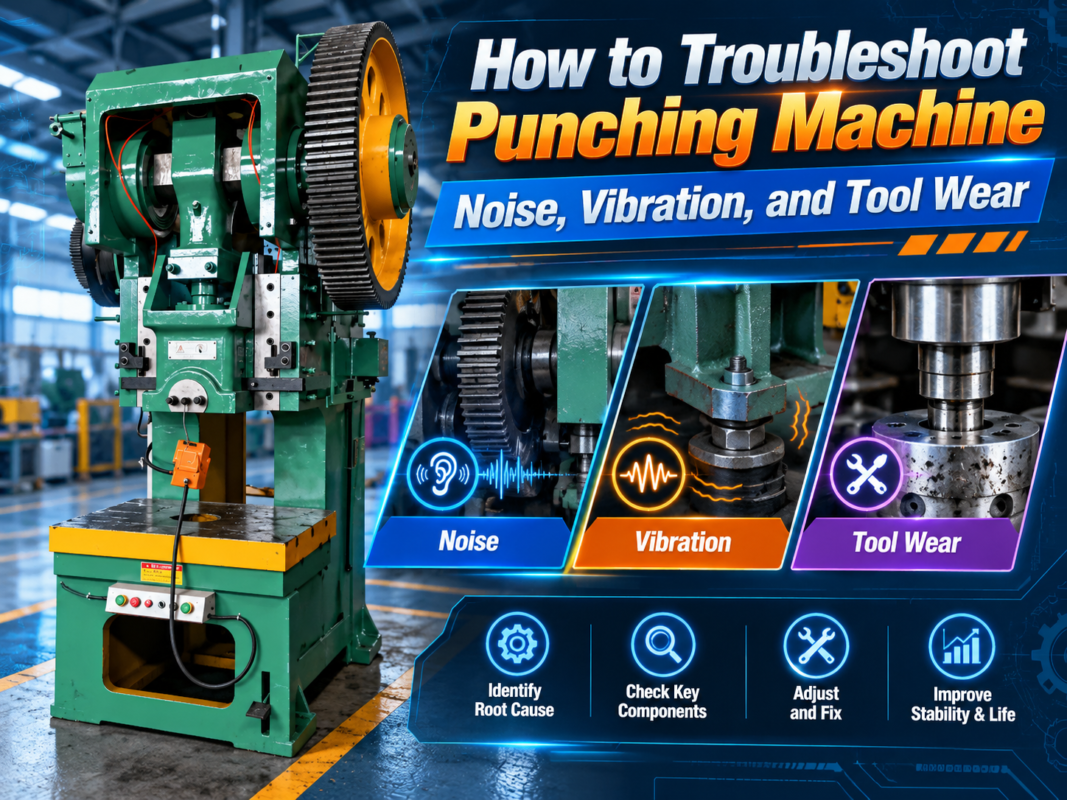
Even with the best maintenance, issues can arise. Recognizing the early warning signs is key to preventing catastrophic failure. Common signals include unusual noises, such as grinding or clicking, which often indicate worn bearings or loose mechanical parts. If the machine begins to vibrate excessively during a bend, it may be a sign of hydraulic cavitation or a failing pump.
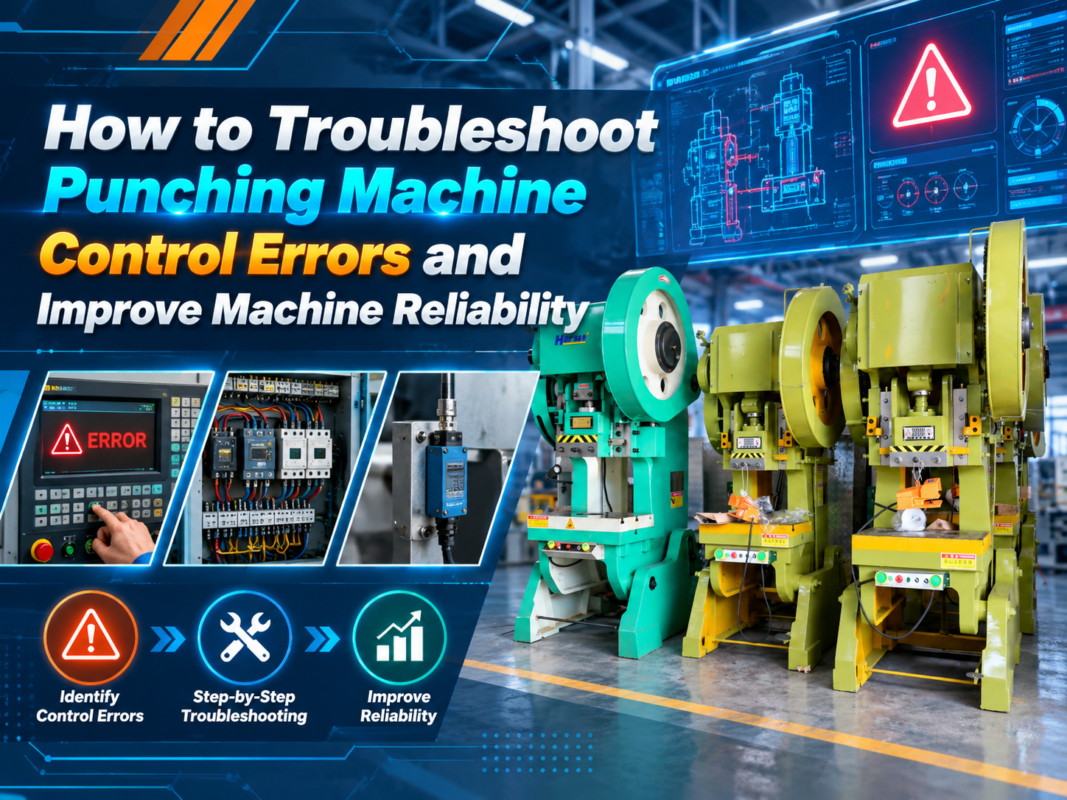
Inconsistent bend angles are another major red flag. If your parts are coming out with varying degrees of bend, check your crowning system and the calibration of your CNC controller. If the controller is throwing error codes, do not simply reset them and continue working. Document the error code and consult the HARSLE technical manual to understand the root cause. Ignoring error codes often leads to more complex electrical or software failures.
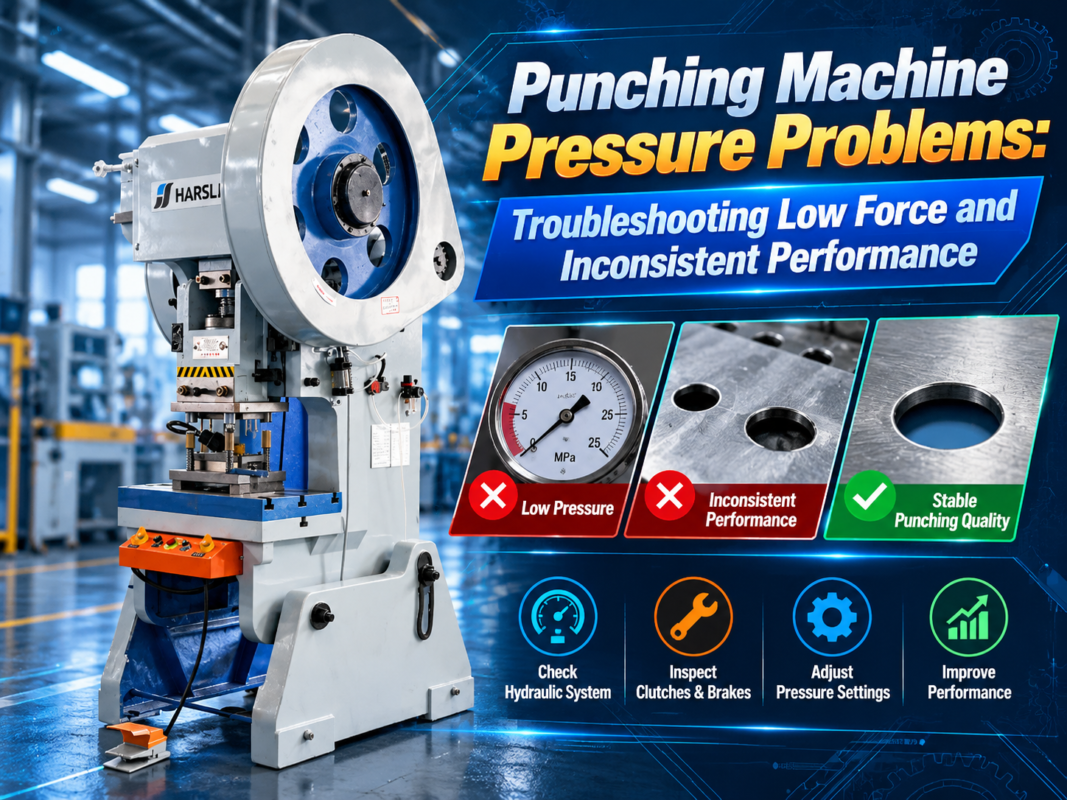
If you notice the ram is drifting or not returning to the top dead center position, this is a clear indication of a hydraulic valve or sensor issue. In such cases, stop production immediately. Attempting to force the machine to work through these issues can cause permanent damage to the hydraulic cylinders or the frame of the press brake.
Maintenance Schedule Table
| Frequency | Task | Description |
|---|---|---|
| Daily | Safety Check | Test light curtains, E-stops, and visual inspection. |
| Daily | Fluid Levels | Check hydraulic oil level and temperature. |
| Weekly | Tooling Inspection | Check punch/die for chips, cracks, or wear. |
| Weekly | Lubrication | Grease ram guides and backgauge components. |
| Monthly | Electrical Check | Clean cabinet, check for loose terminals. |
| Quarterly | Hydraulic System | Check filters, inspect hoses for leaks. |
| Annually | Full Calibration | Professional check of ram parallelism and CNC accuracy. |
Frequently Asked Questions (FAQ)
How often should I change the hydraulic oil in my press brake?
Typically, hydraulic oil should be changed every 2,000 to 4,000 operating hours, or once a year, depending on the intensity of use and the environment. Always refer to your specific HARSLE manual for the recommended oil grade.
Why is my press brake making a squealing noise?
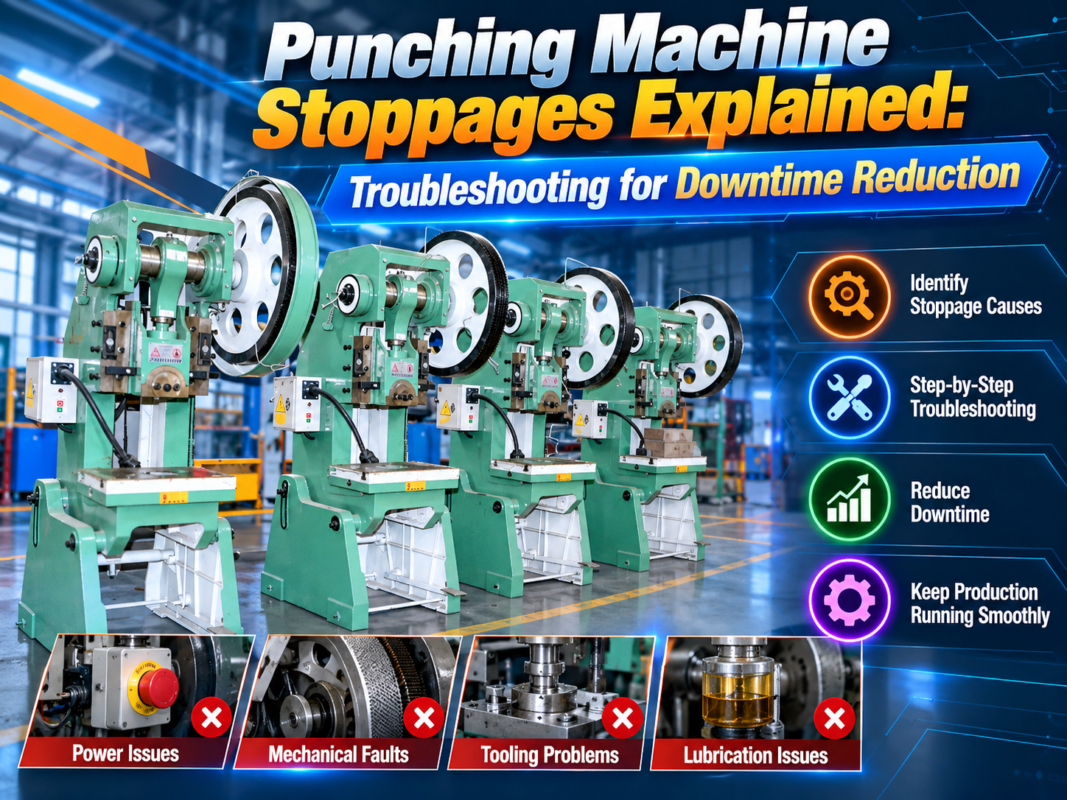
Squealing is often caused by a lack of lubrication on the ram guides or a slipping drive belt. Check these areas first. If the noise persists, it could be a sign of a failing hydraulic pump.
Can I bypass the light curtains for small parts?
Absolutely not. Bypassing safety systems is a violation of safety protocols and puts the operator at extreme risk. Always use appropriate tooling and safety guards designed for the specific part size.
What should I do if the machine loses accuracy?
First, check the tooling for wear and ensure the backgauge is calibrated. If the issue persists, the machine may require a recalibration of the ram parallelism, which should be performed by a qualified technician.
Is it necessary to keep a maintenance log?
Yes, keeping a detailed maintenance log is essential for tracking the history of your machine, fulfilling warranty requirements, and planning for future parts replacements. It also helps in troubleshooting recurring issues.