Daily Punching Machine Maintenance Tips for Metal Fabrication Workshops: A Comprehensive Guide


The Critical Importance of Daily Punching Machine Maintenance
In the high-stakes environment of a modern metal fabrication workshop, the punching machine serves as the backbone of production. Whether you are operating a high-speed CNC turret punch or a robust hydraulic punching press, the equipment represents a significant capital investment. Implementing consistent Daily Punching Machine Maintenance Tips for Metal Fabrication Workshops is not merely a suggestion; it is a fundamental operational requirement to ensure safety, precision, and long-term profitability. Neglecting these daily routines often leads to premature component wear, costly downtime, and potential safety hazards for operators.
When a punching machine is maintained correctly, it operates with higher accuracy, producing cleaner cuts and reducing the need for secondary finishing processes. Conversely, a machine that is ignored will eventually suffer from hydraulic leaks, electrical faults, or mechanical misalignment. By integrating maintenance into the daily workflow, shop managers can identify minor issues before they escalate into catastrophic failures. This proactive approach is the hallmark of a world-class fabrication facility.
Furthermore, the longevity of your tooling is directly tied to the health of the machine. A well-maintained ram and bolster plate ensure that punches and dies are perfectly aligned, preventing chipping and uneven wear. When you follow a structured maintenance plan, you are essentially protecting your investment in high-quality tooling, which can often be as expensive as the machine itself. HARSLE emphasizes that the cost of a few minutes of daily inspection is negligible compared to the thousands of dollars lost during unplanned production halts.
Finally, safety remains the most compelling reason for rigorous maintenance. Punching machines exert immense force, and any compromise in the structural integrity or the safety sensor systems can lead to severe workplace accidents. Daily checks ensure that emergency stops, light curtains, and physical guards are functioning exactly as intended. By fostering a culture of maintenance, you protect your most valuable assets: your employees.
Daily Inspection Protocols for Maximum Efficiency
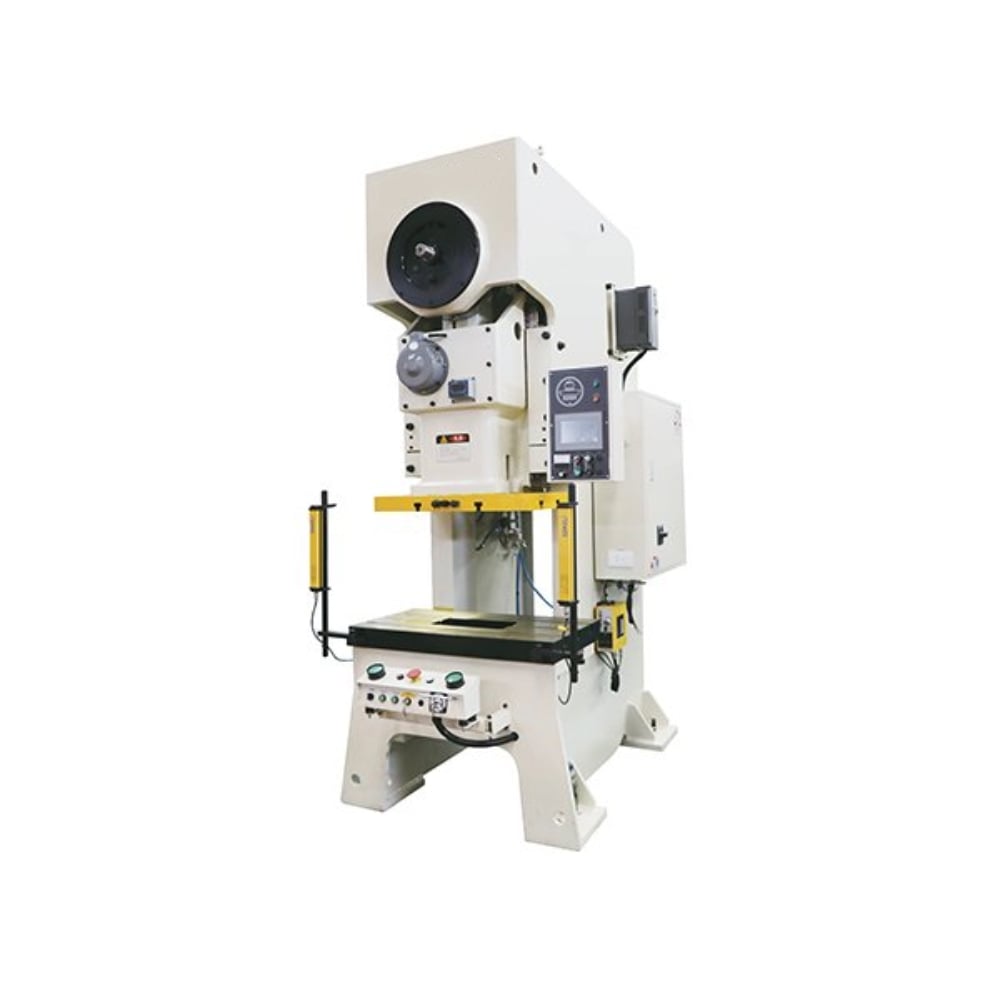
The first step in any effective maintenance program is the visual inspection. Before the machine is powered up for the shift, the operator should perform a ‘walk-around’ to identify any obvious signs of distress. Look for loose bolts, frayed wires, or unusual debris accumulation around the guide rails. This simple habit takes less than five minutes but provides a comprehensive overview of the machine’s current state.
Check the cleanliness of the work area. Metal chips, dust, and oil residue can migrate into sensitive components if left unchecked. Use compressed air or a vacuum to clear the die area and the turret assembly. Ensure that the scrap chute is clear; a blocked chute can cause scrap to back up into the die, leading to immediate damage to the punch and die set. Keeping the workspace clean is the most fundamental of all Daily Punching Machine Maintenance Tips for Metal Fabrication Workshops.
Verify the status of the lubrication system. Most modern punching machines feature automated lubrication, but it is essential to check the reservoir levels daily. If the oil level is low, the machine may trigger a fault, or worse, continue to run without adequate lubrication, causing friction-related damage to the guide ways. Check for any signs of oil leaks under the machine, as these can indicate a failing seal or a loose fitting that requires immediate attention.
Finally, perform a dry run of the machine’s movements. Listen for unusual noises—grinding, clicking, or high-pitched squeals—that could indicate mechanical stress. Observe the movement of the ram to ensure it is smooth and consistent. If the machine exhibits any hesitation or jerky motion, do not proceed with production. Document these observations in a daily logbook, which serves as a historical record for future troubleshooting and preventive maintenance planning.
Hydraulic, Electrical, and Mechanical System Checks
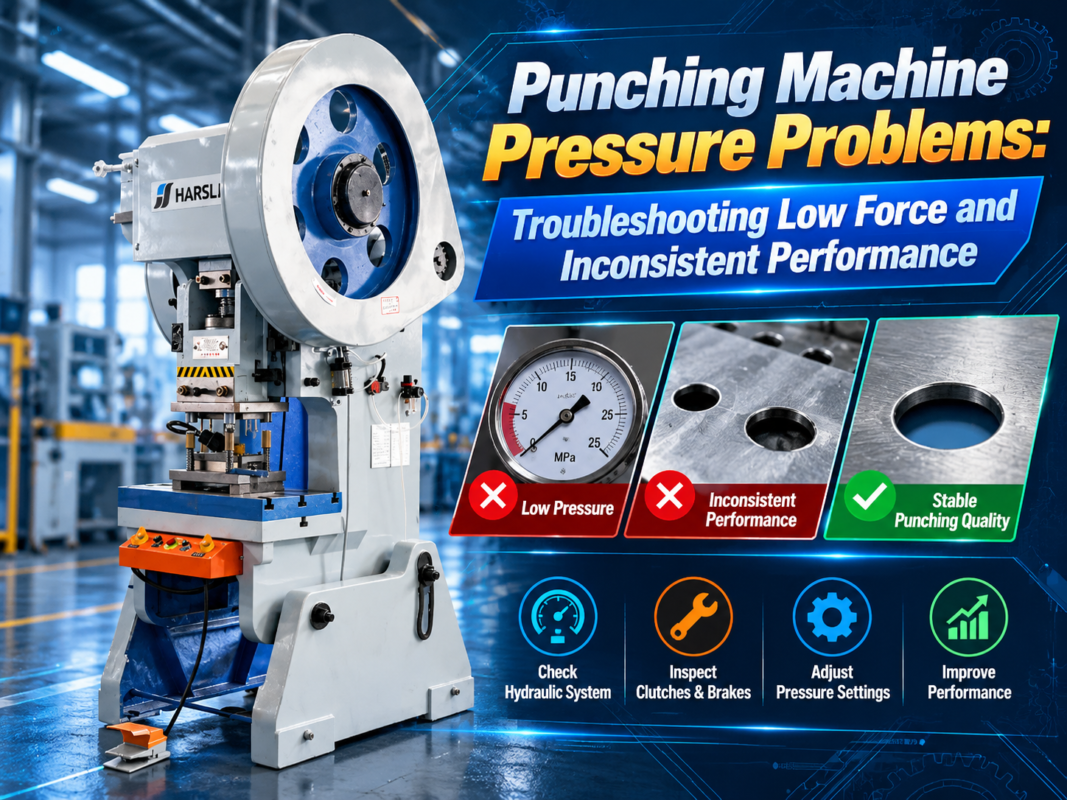
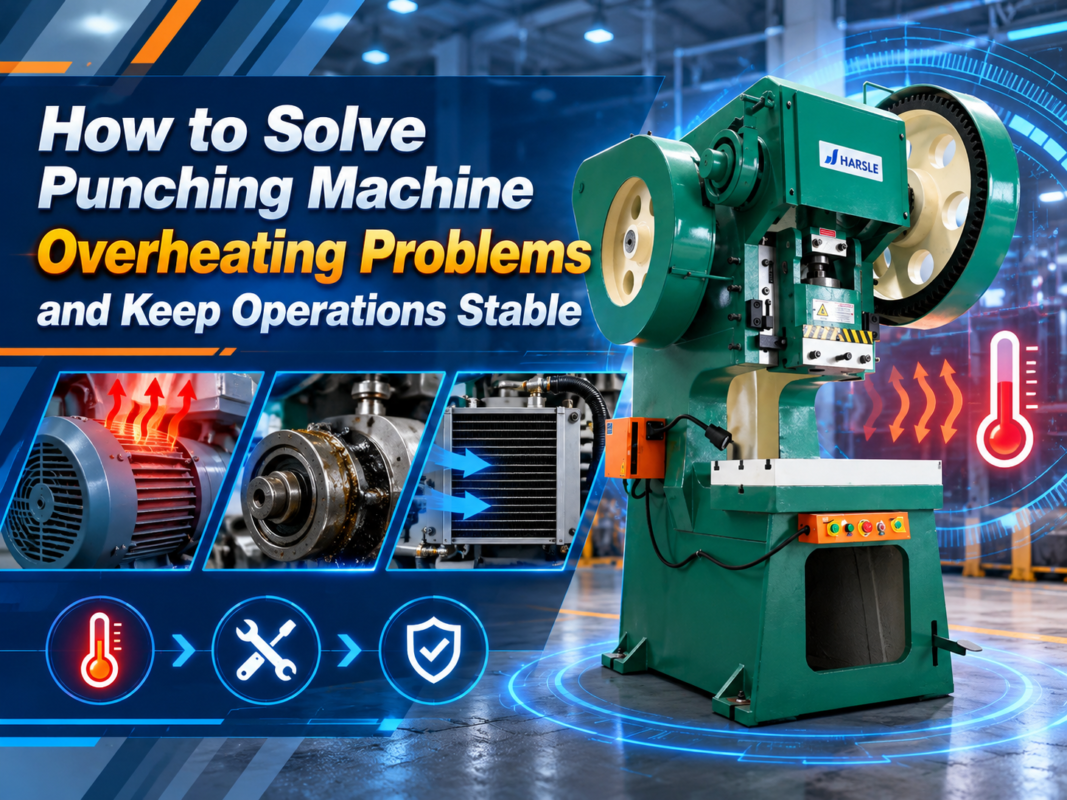
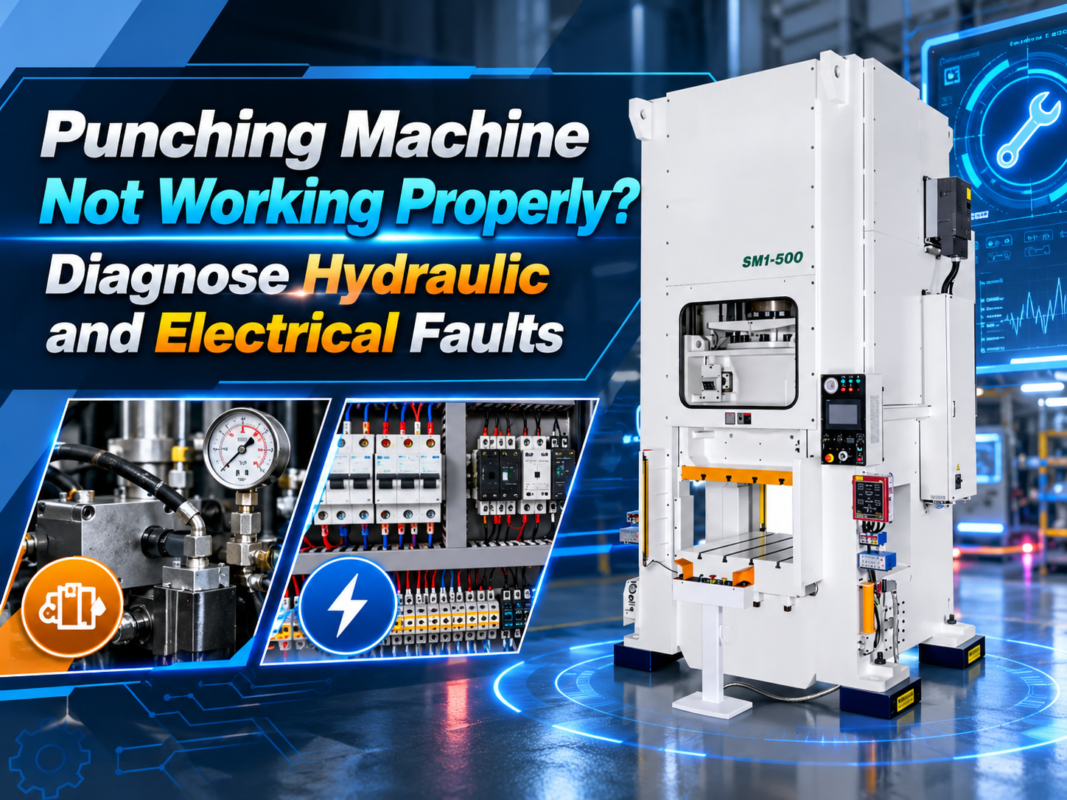
The hydraulic system is the heart of many punching machines, providing the force necessary to penetrate thick steel plates. Daily checks should focus on the hydraulic power unit (HPU). Monitor the pressure gauges to ensure they remain within the manufacturer’s specified range. Fluctuations in pressure can lead to inconsistent punching depth, which compromises the quality of the finished parts. Always check the temperature of the hydraulic oil; if it is running excessively hot, it may indicate a cooling system failure or a pump that is working too hard due to internal resistance.
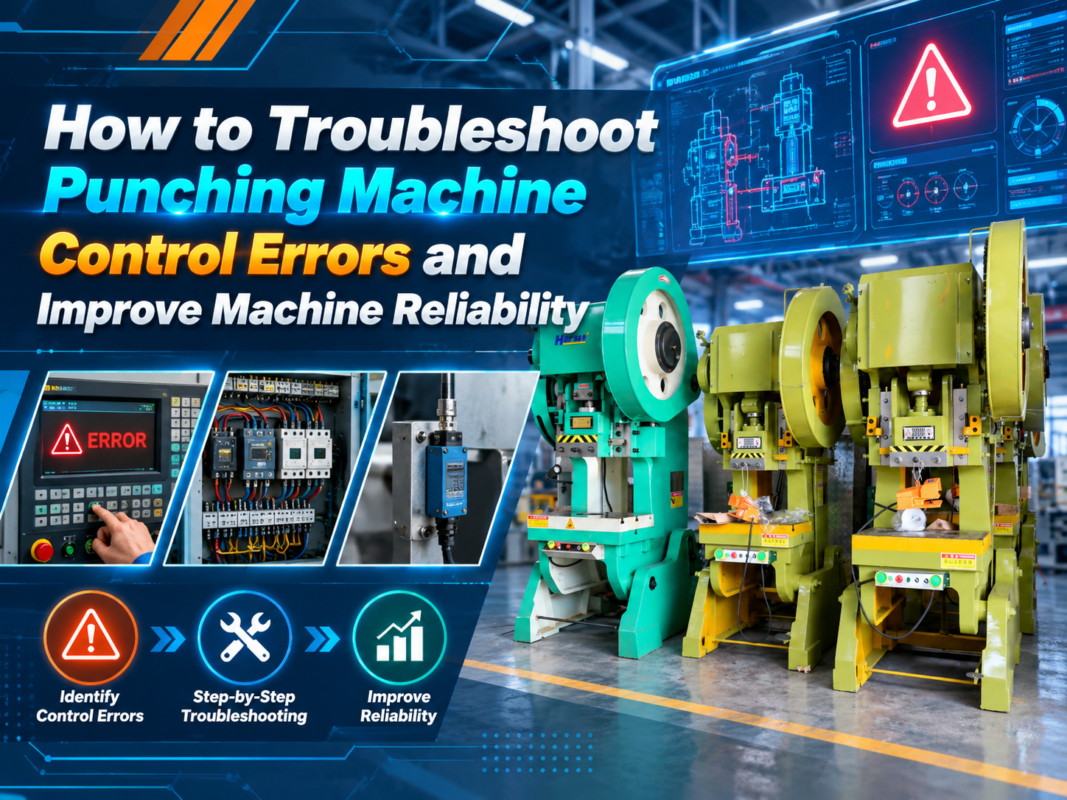
Electrical systems require a different approach. Inspect the control panel and the wiring conduits for any signs of damage or overheating. Ensure that all emergency stop buttons are accessible and functional. In a CNC environment, check the cooling fans on the electrical cabinet. If these fans are clogged with dust, the internal components can overheat, leading to intermittent software errors or total control board failure. Keeping the electrical cabinet clean and well-ventilated is a critical Daily Punching Machine Maintenance Tip for Metal Fabrication Workshops.
Mechanical integrity is equally important. The ram and the guide ways must be kept free of debris and properly lubricated. Check the tightness of the punch and die holders. Over time, the vibration of the punching process can cause fasteners to loosen. Use a torque wrench to verify that all mounting bolts are tightened to the manufacturer’s specifications. If you notice any play or ‘slop’ in the ram movement, it is a sign that the gibs may need adjustment.
Pay close attention to the turret or tool changer assembly. If your machine uses a turret, ensure that the indexing mechanism is locking correctly. Any misalignment during the rotation of the turret can cause the punch to strike the die off-center, resulting in catastrophic damage to both the tool and the machine. Daily verification of the turret alignment is a non-negotiable task for operators working with high-volume production schedules.
Developing a Robust Lubrication Plan
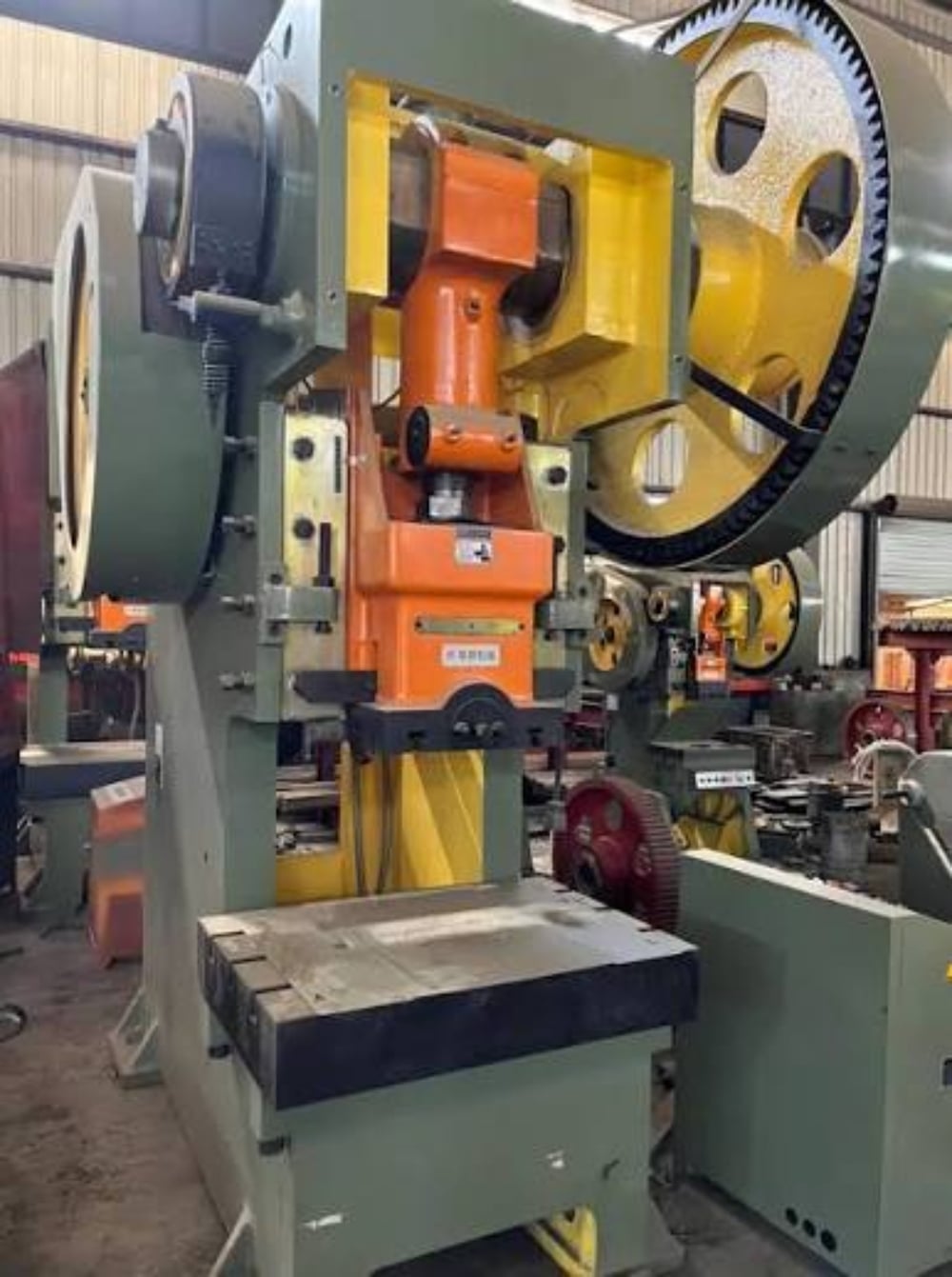
Lubrication is the lifeblood of any industrial machine. A well-executed lubrication plan prevents metal-on-metal contact, reduces heat, and flushes out contaminants. For punching machines, the focus should be on the guide ways, the ram assembly, and the turret indexing pins. Use only the lubricants recommended by the manufacturer; using the wrong viscosity or type of oil can lead to premature wear or chemical degradation of seals.
Establish a daily lubrication checklist. This should include checking the automatic lubrication pump, verifying that oil is reaching all designated points, and manually greasing any points that are not covered by the automatic system. If your machine has manual grease nipples, ensure they are wiped clean before applying grease to prevent the introduction of grit into the bearing surfaces. Over-greasing can be just as harmful as under-greasing, as it can attract dust and cause seals to blow out.
Consider the environment of your workshop. If you operate in a high-dust environment, you may need to increase the frequency of lubrication or install additional protective bellows. HARSLE recommends keeping a dedicated lubrication log. This log should track the date, the type of lubricant used, and the initials of the person who performed the task. This level of accountability ensures that no part of the machine is overlooked during the busy work week.
Finally, monitor the condition of the used lubricant. If the oil appears milky, it may be contaminated with water or coolant. If it contains metal shavings, it is a sign of internal component wear. These are early warning signals that require immediate investigation. By treating lubrication as a science rather than an afterthought, you significantly extend the operational life of your punching equipment.
Troubleshooting Signals: When to Stop and Inspect
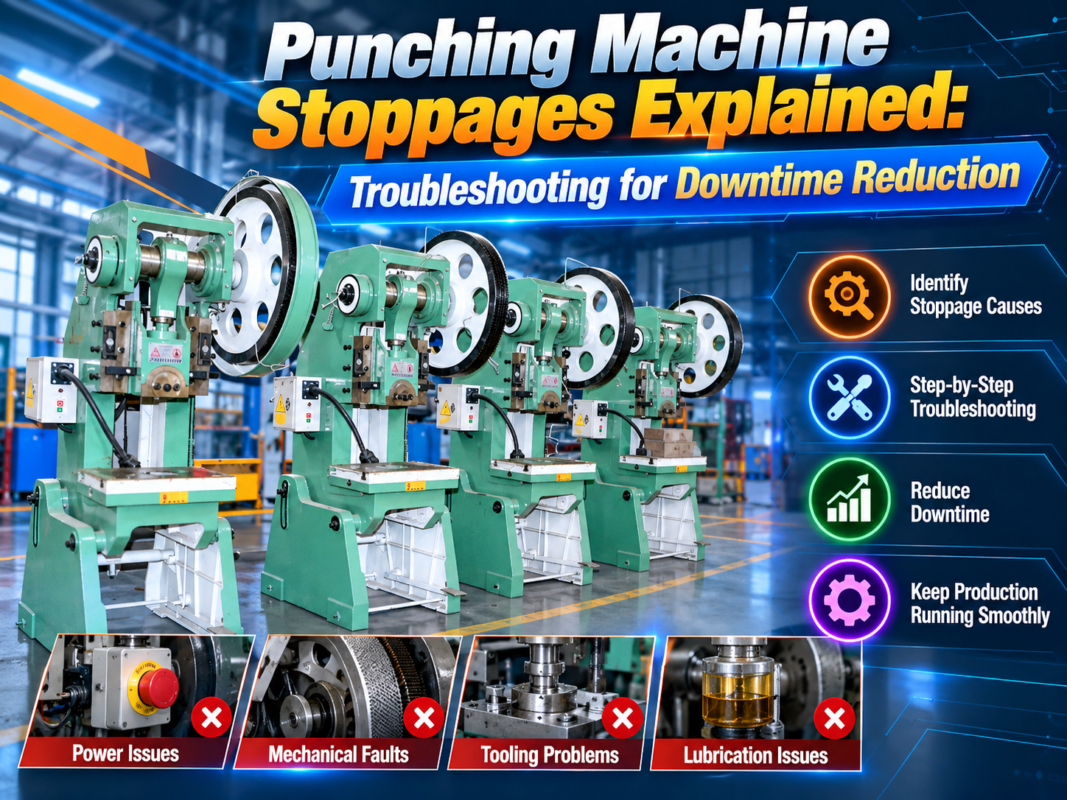
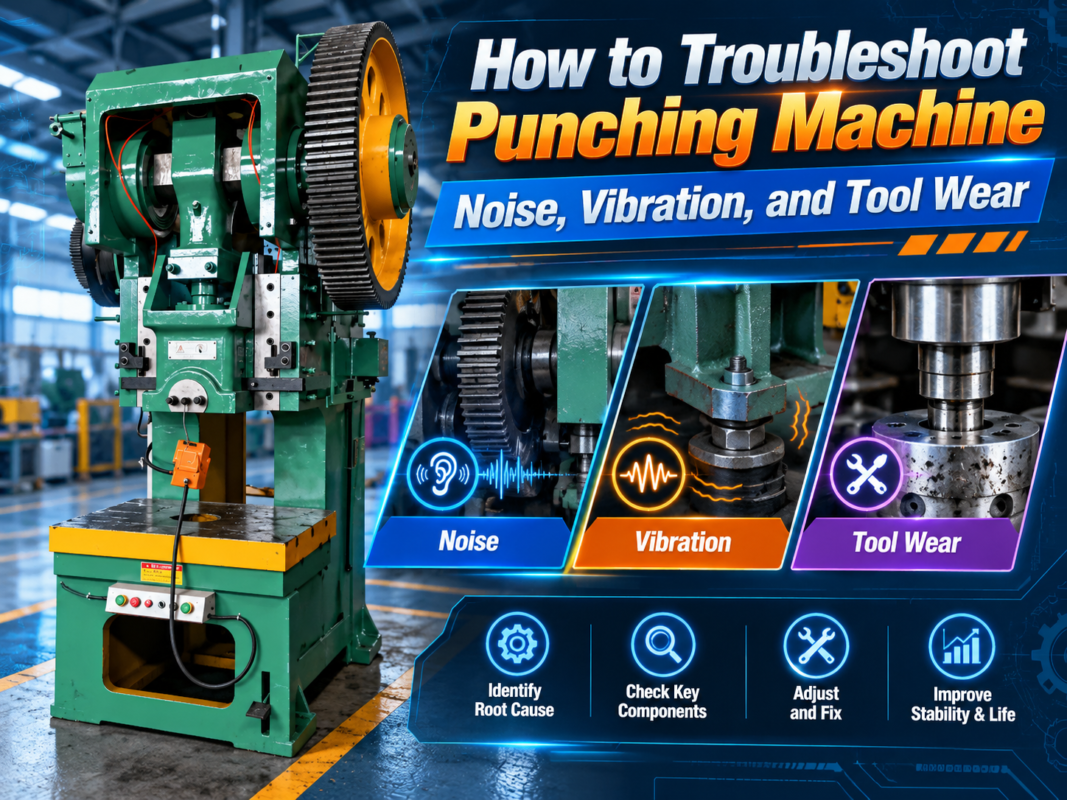
Even with the best maintenance, machines will occasionally signal that something is wrong. Operators must be trained to recognize these ‘troubleshooting signals’ immediately. The most common signal is a change in the sound of the machine. A healthy punching machine has a rhythmic, consistent sound. If you hear a sudden ‘clunk,’ a high-pitched whine, or a rhythmic tapping, stop the machine immediately and investigate the source.
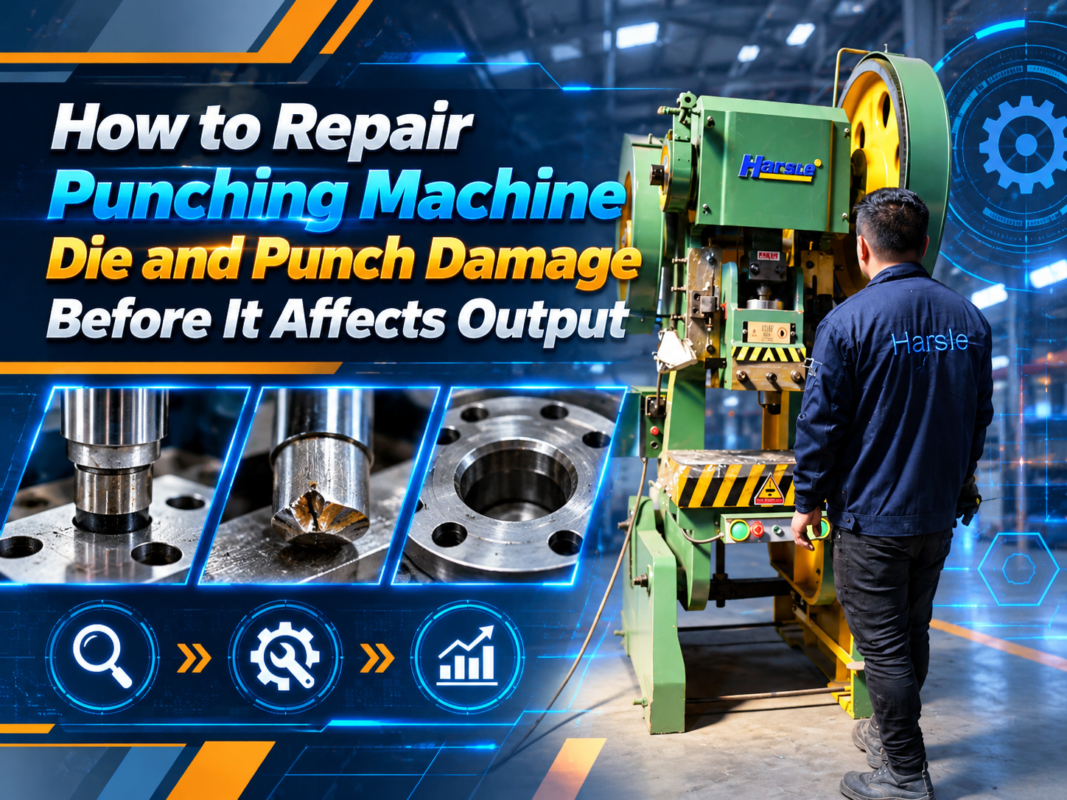
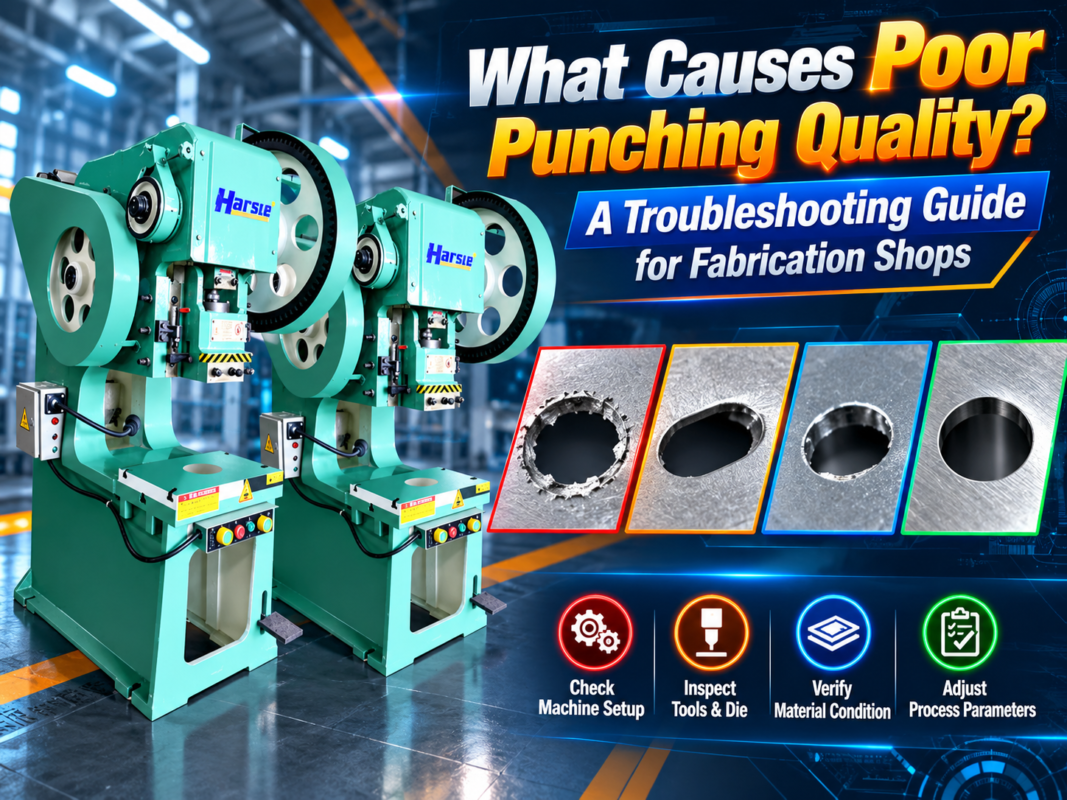
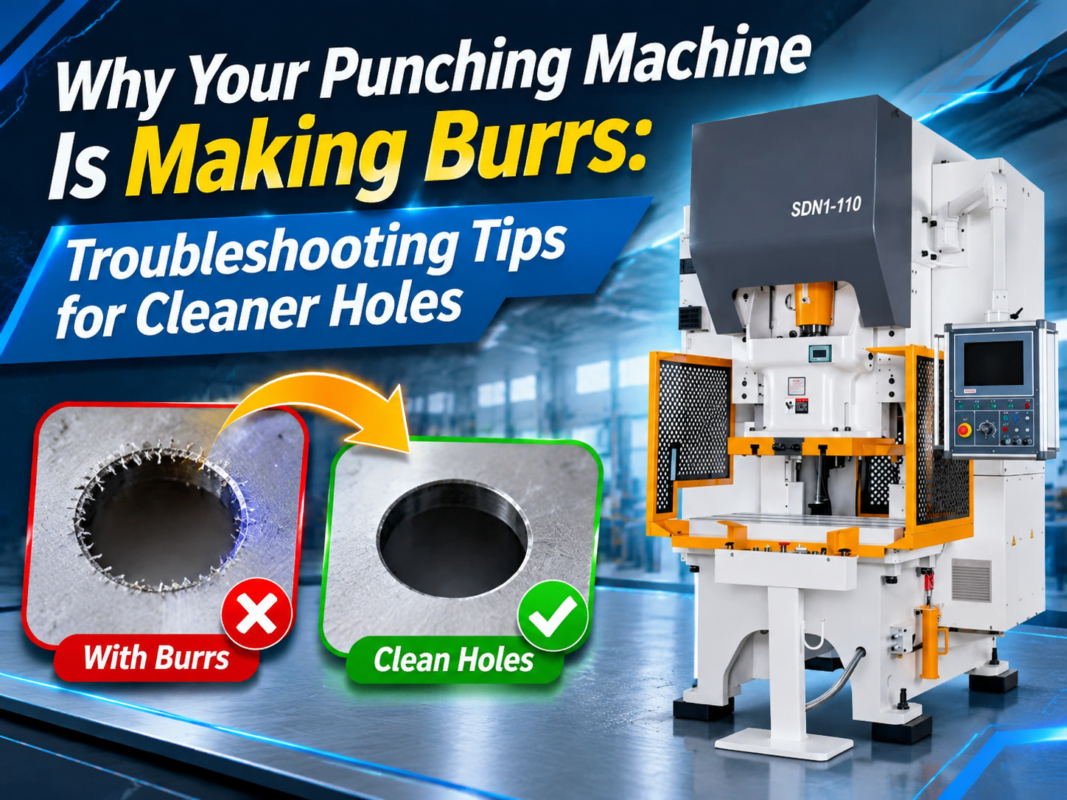
Another signal is a change in the quality of the punched parts. If you notice burrs appearing on the edges of the holes, it is a sign that the punch and die clearance is incorrect or that the tools are dull. If the parts are not coming out to the correct dimensions, it could indicate a mechanical issue with the backgauge or a loss of calibration in the CNC system. Do not attempt to ‘force’ the machine to work by adjusting the settings to compensate for these issues; this will only cause further damage.
Watch for error codes on the CNC controller. Modern punching machines are equipped with sophisticated diagnostic systems that can pinpoint the location of a fault. Never ignore an error code, even if it seems to clear itself after a restart. These codes are often the first indication of a failing sensor or a loose electrical connection. Keep a record of all error codes to help technicians diagnose recurring problems.
Finally, monitor the machine’s temperature. If the hydraulic unit or the motor housing feels excessively hot to the touch, it is a sign of an overloaded system or a cooling failure. In many cases, these signals are subtle. The operators who spend the most time with the machine are the best at detecting these changes. Encourage an open line of communication between operators and maintenance staff to ensure that these signals are addressed before they lead to downtime.
Comprehensive Maintenance Schedule Table
To assist your workshop in staying organized, we have compiled a recommended maintenance schedule. This table summarizes the essential tasks that should be performed at different intervals to maintain peak performance.
| Frequency | Task | Description |
|---|---|---|
| Daily | Visual Inspection | Check for leaks, loose bolts, and debris. |
| Daily | Lubrication Check | Verify oil levels and grease points. |
| Daily | Tooling Check | Inspect punches and dies for wear/chipping. |
| Weekly | Filter Inspection | Clean or replace hydraulic and air filters. |
| Weekly | Safety Systems | Test light curtains and emergency stops. |
| Monthly | Calibration | Verify backgauge and turret alignment. |
| Quarterly | Deep Cleaning | Remove panels and clean internal electronics. |
| Annually | Full Service | Professional inspection by HARSLE technicians. |
Frequently Asked Questions (FAQ)
How often should I change the hydraulic oil in my punching machine?
Generally, hydraulic oil should be changed every 2,000 to 4,000 operating hours, or annually, depending on the intensity of use and the environment. Always check the oil quality; if it is dark or smells burnt, change it immediately regardless of the hours.
What should I do if my punch is sticking in the material?
Sticking is usually caused by improper clearance between the punch and die, or a lack of lubrication on the punch. Check the tool clearance settings and ensure you are using the correct stripper plate for the material thickness.
Can I use any grease for my machine’s guide ways?
No. Always use the specific grease grade recommended in your HARSLE machine manual. Using the wrong grease can lead to gumming, which increases friction and can cause the machine to stall.
Why is my machine making a loud noise during the punching cycle?
Loud, unusual noises often indicate a loose component, a worn bearing, or a dull tool. Inspect the turret assembly and the ram guides first. If the noise persists, contact a qualified technician.
How do I know if my tooling is worn out?
Signs of worn tooling include increased burrs on the bottom of the part, the need for higher punching force, and visible chipping on the cutting edges of the punch or die. Dull tools should be sharpened or replaced immediately to prevent damage to the machine.
Is it necessary to keep a maintenance log?
Yes, a maintenance log is essential for tracking the history of your machine. It helps in identifying recurring issues, planning for spare parts, and maintaining the resale value of your equipment.