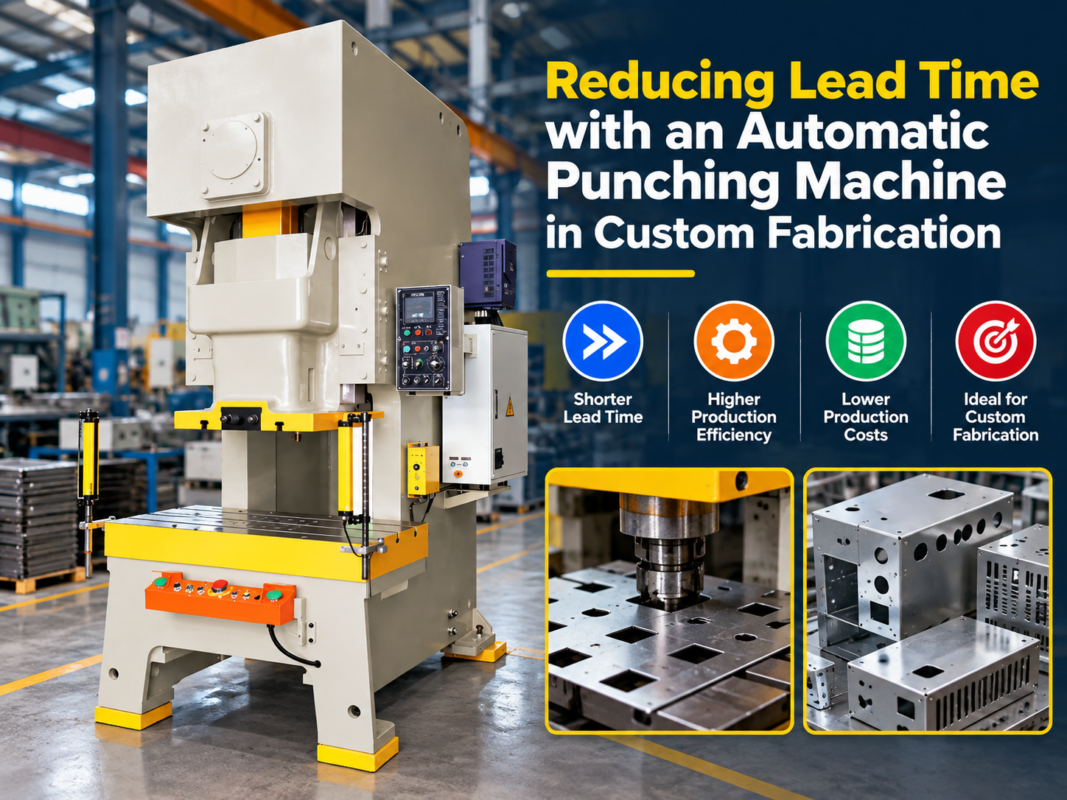
Punching Machine in Construction Hardware Production: Real Factory Results


Introduction to Punching Machine in Construction Hardware Production: Real Factory Results
In the modern landscape of construction hardware manufacturing, the demand for precision, speed, and structural integrity has never been higher. From heavy-duty steel brackets and joist hangers to intricate mounting plates and fasteners, the backbone of the construction industry relies heavily on efficient metal fabrication. At the heart of this production cycle lies the industrial punching machine, a powerhouse of versatility that has evolved from simple manual operation to sophisticated, high-speed CNC-driven systems.
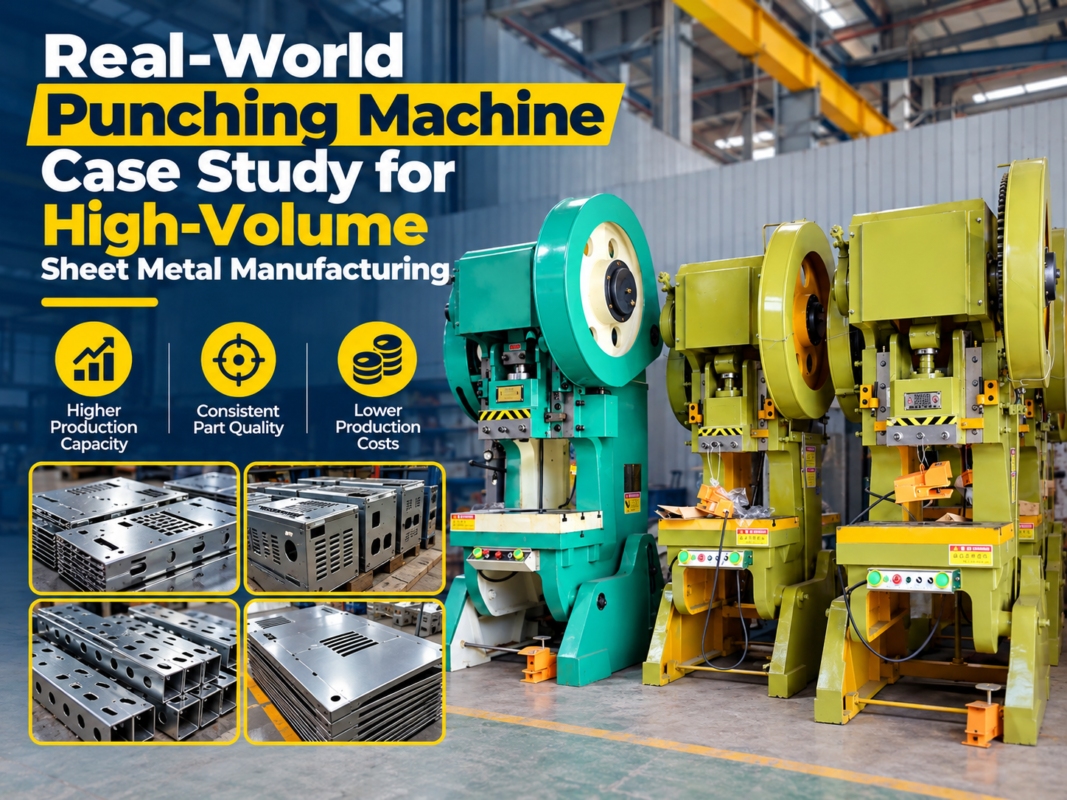
HARSLE has been at the forefront of this evolution, providing advanced metal fabrication equipment that helps factories achieve unprecedented output levels. When we analyze the Punching Machine in Construction Hardware Production: Real Factory Results, we see a clear trend: manufacturers who transition from traditional stamping or drilling methods to high-performance hydraulic or mechanical punching machines report a 40% increase in throughput and a significant reduction in material waste. This article explores the technical nuances, operational benefits, and strategic advantages of integrating modern punching technology into your hardware production line.
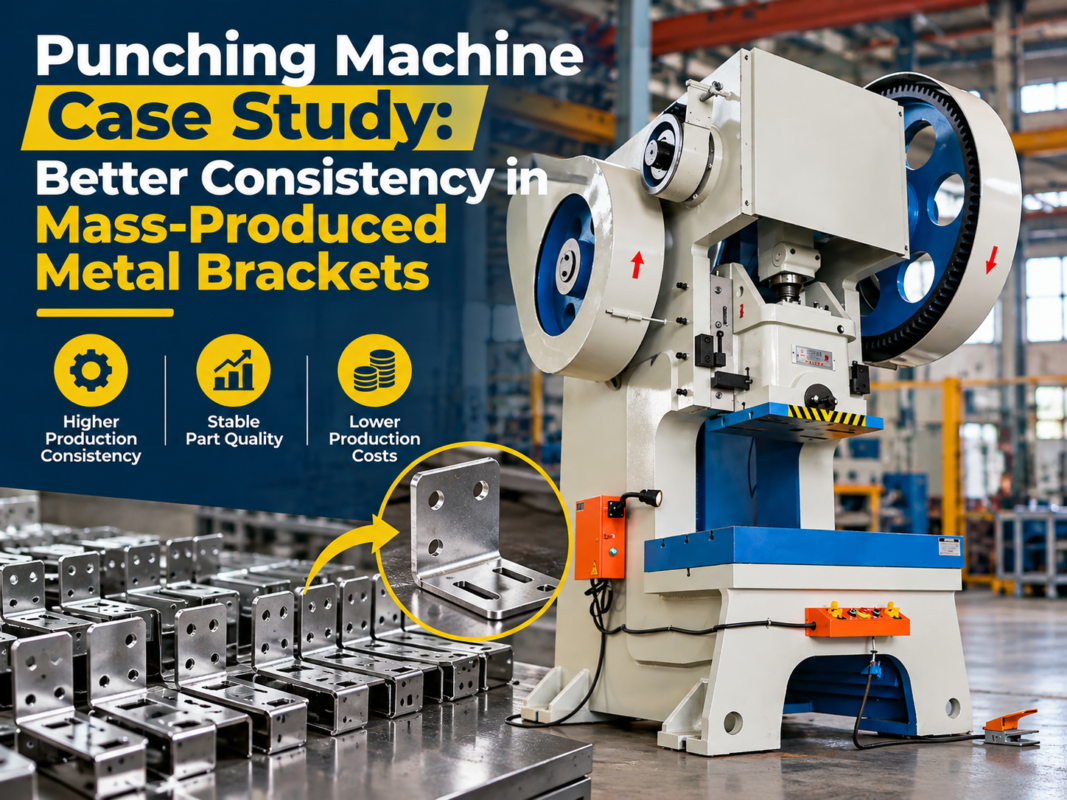
The shift toward automated punching solutions is not merely about speed; it is about consistency. In construction hardware, where safety standards are non-negotiable, the ability to produce thousands of identical parts with micron-level accuracy is paramount. By leveraging HARSLE’s engineering expertise, factories are finding that they can handle complex geometries, varying material thicknesses, and high-volume runs with minimal downtime. This guide serves as a comprehensive look at how these machines are reshaping the industry.
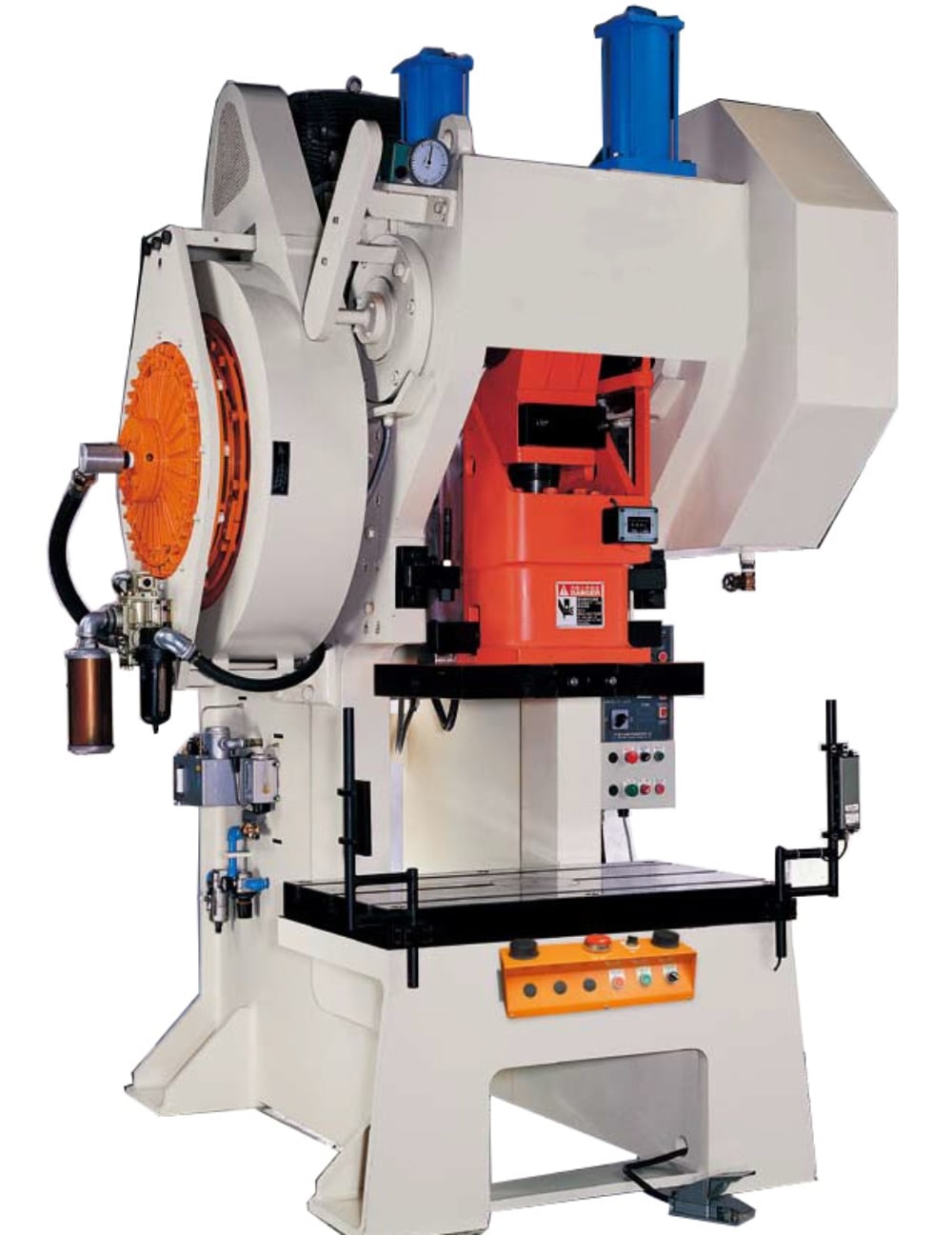
Key Considerations for Construction Hardware Manufacturing
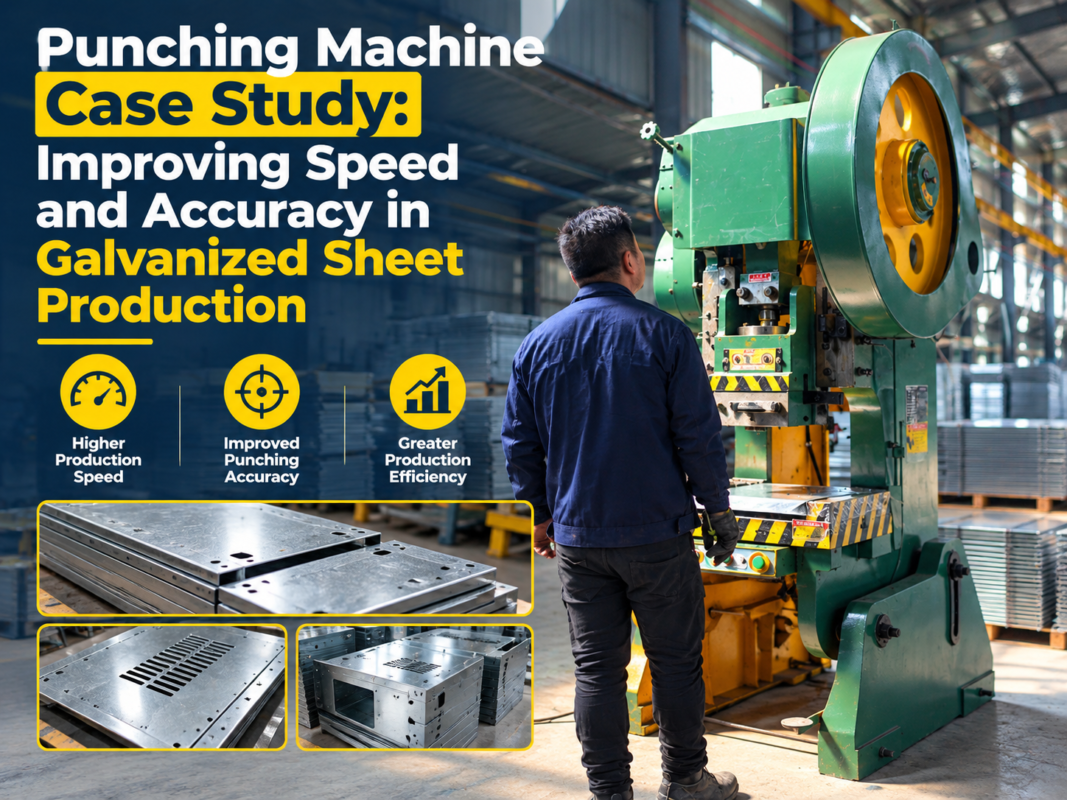
When selecting a punching machine for construction hardware, the first consideration is the material type and thickness. Construction hardware often utilizes high-tensile steel, galvanized sheets, or stainless steel. These materials require machines with robust frame construction and high tonnage capacity to prevent deflection and ensure clean, burr-free holes. A machine that lacks the necessary rigidity will lead to premature tool wear and inconsistent hole quality, which can compromise the structural integrity of the final hardware component.
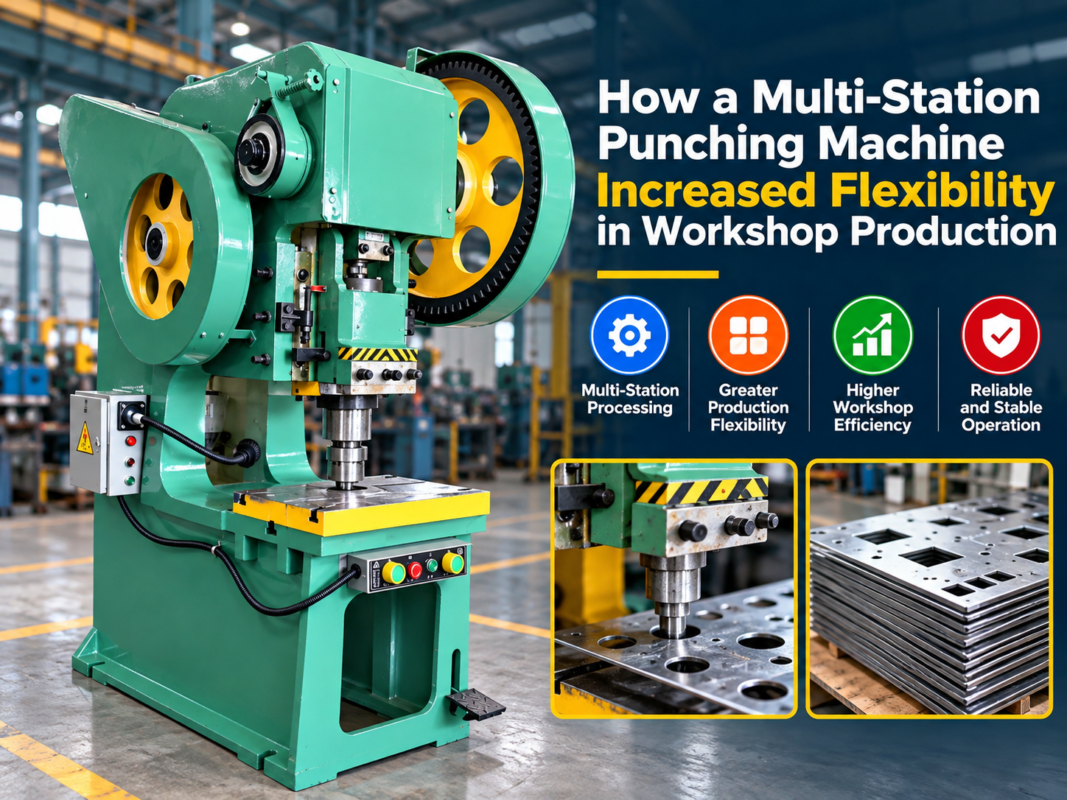
Another critical factor is the versatility of the tooling system. Construction hardware production often involves a wide variety of hole patterns, shapes, and sizes. A turret punching machine or a multi-station hydraulic punch allows for rapid tool changes, enabling manufacturers to switch between producing different hardware items—such as angle brackets and base plates—without significant setup delays. This flexibility is essential for factories that operate on a high-mix, low-volume basis, as it reduces the need for multiple specialized machines.
Production speed and cycle time are the primary drivers of profitability. In a competitive market, the cost per part is determined by how quickly a machine can cycle through a sheet of metal. Modern HARSLE punching machines are equipped with high-speed hydraulic systems that optimize the stroke length and pressure, ensuring that the punch hits the material with maximum force at the exact moment required. This precision reduces the energy consumption per hole and extends the lifespan of the punch and die sets.
Finally, the integration of automation is a game-changer. Real factory results show that incorporating automated loading and unloading systems significantly reduces labor costs and human error. By automating the material handling process, factories can run their punching machines in “lights-out” mode, maintaining production even during off-hours. This level of efficiency is what separates market leaders from traditional workshops, allowing for faster turnaround times and more competitive pricing in the construction hardware sector.
Technical Details: How Punching Machines Drive Efficiency
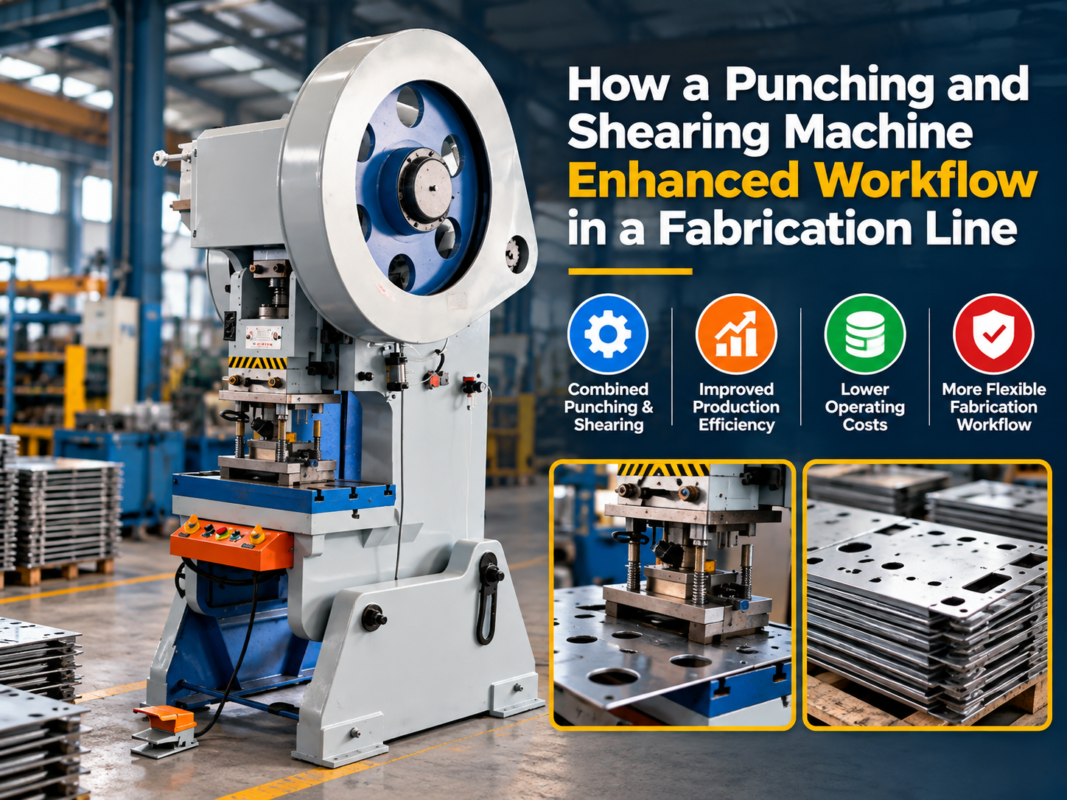
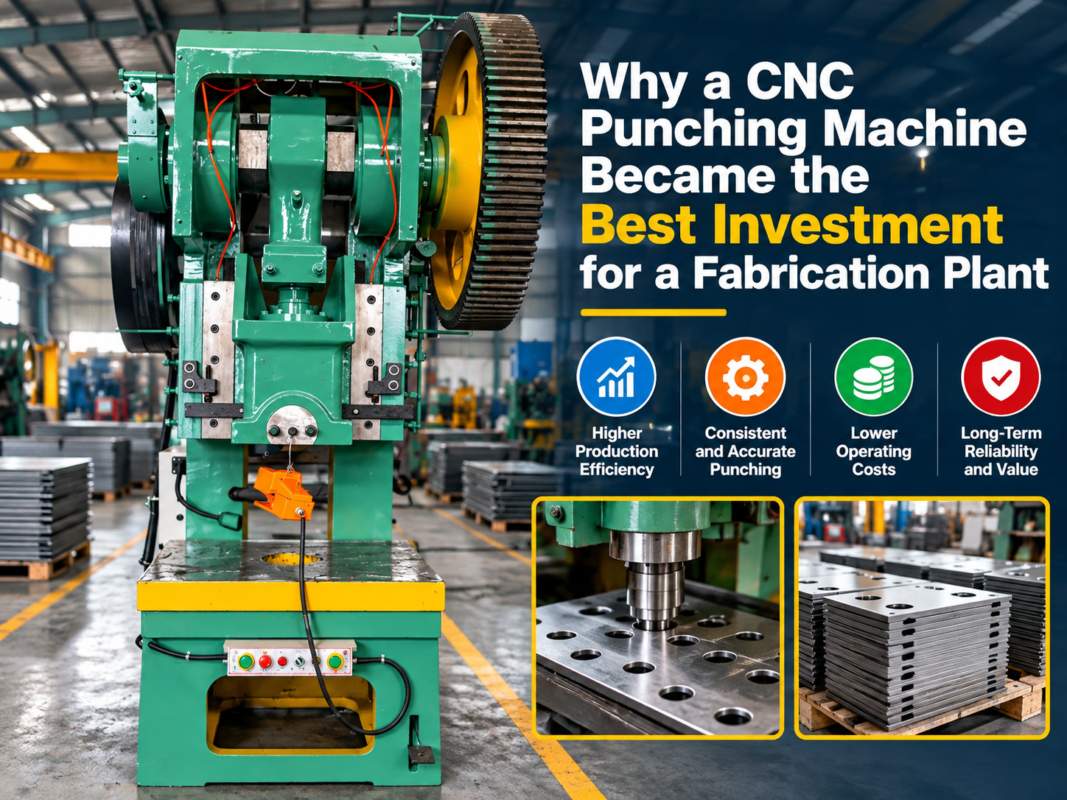
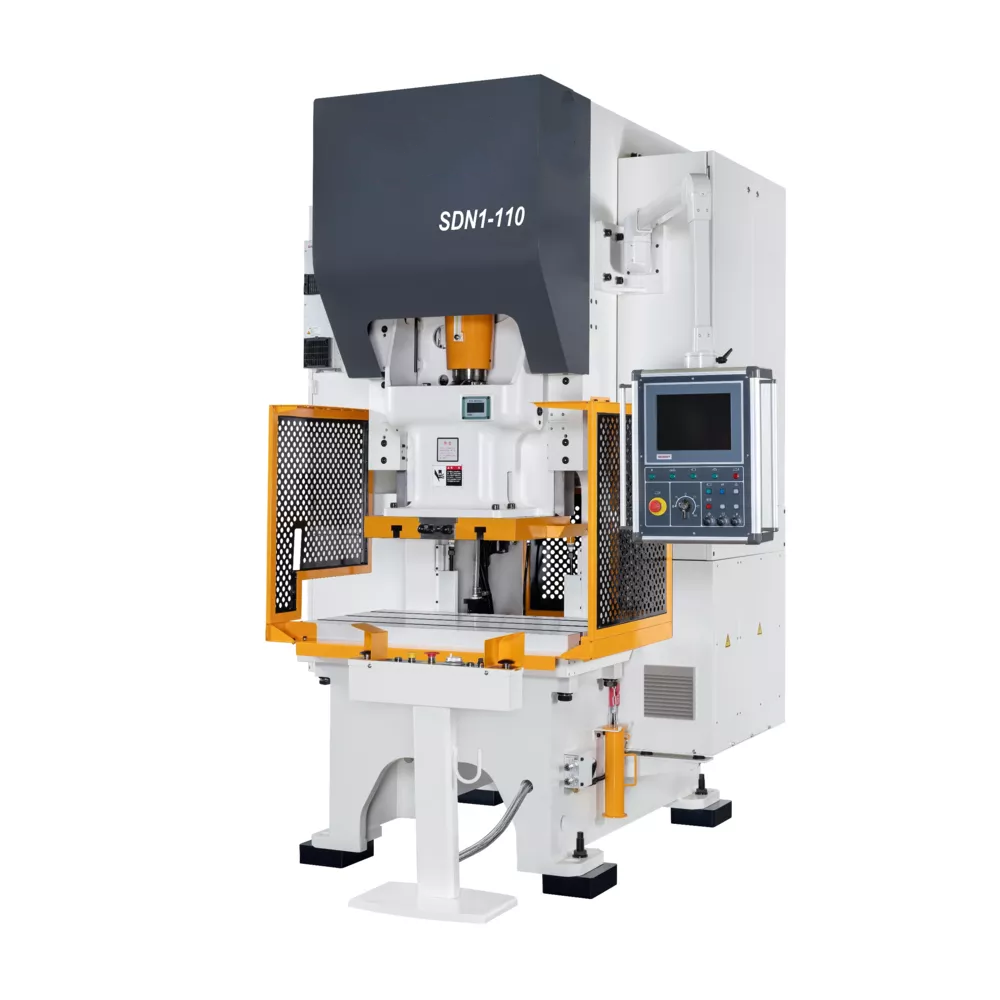
The technical superiority of modern punching machines lies in their hydraulic and CNC control systems. Unlike older mechanical presses, hydraulic punching machines offer programmable stroke control, which allows the operator to adjust the speed and depth of the punch. This is particularly useful when working with different materials, as it prevents the material from deforming or cracking under excessive pressure. The CNC interface provides a user-friendly platform for programming complex patterns, ensuring that every hole is placed with absolute precision.
Tooling technology is another area where significant advancements have been made. Modern punch and die sets are manufactured from high-grade tool steel with specialized coatings that reduce friction and heat buildup. This is vital in construction hardware production, where the continuous punching of thick steel can generate immense heat. By using high-quality tooling, factories can maintain sharp edges for longer periods, reducing the frequency of tool maintenance and the associated downtime.
The structural design of the machine frame also plays a vital role in performance. HARSLE machines utilize a C-frame or bridge-frame construction, which is designed to withstand the immense forces generated during the punching process. This rigid design minimizes vibration, which is the primary cause of tool misalignment and poor surface finish. When the frame is stable, the punch enters the material perfectly perpendicular, resulting in clean, professional-grade hardware that meets all building code requirements.
Furthermore, the software integration within these machines allows for nesting optimization. Nesting software analyzes the layout of the parts on a sheet of metal to minimize scrap material. In construction hardware, where material costs are a significant portion of the total production expense, even a 5% reduction in scrap can lead to massive annual savings. The CNC controller communicates with the nesting software to ensure that the punching sequence is optimized for both speed and material utilization.
Selection Advice: Choosing the Right Equipment for Your Factory
Choosing the right punching machine requires a thorough assessment of your current and future production needs. Start by evaluating the maximum material thickness and the largest hole diameter you anticipate needing. While it might be tempting to purchase a machine that barely meets your current requirements, it is often more cost-effective to invest in a machine with a slightly higher tonnage capacity. This provides a buffer for future projects and ensures that the machine is not constantly operating at its limit, which can lead to faster wear and tear.
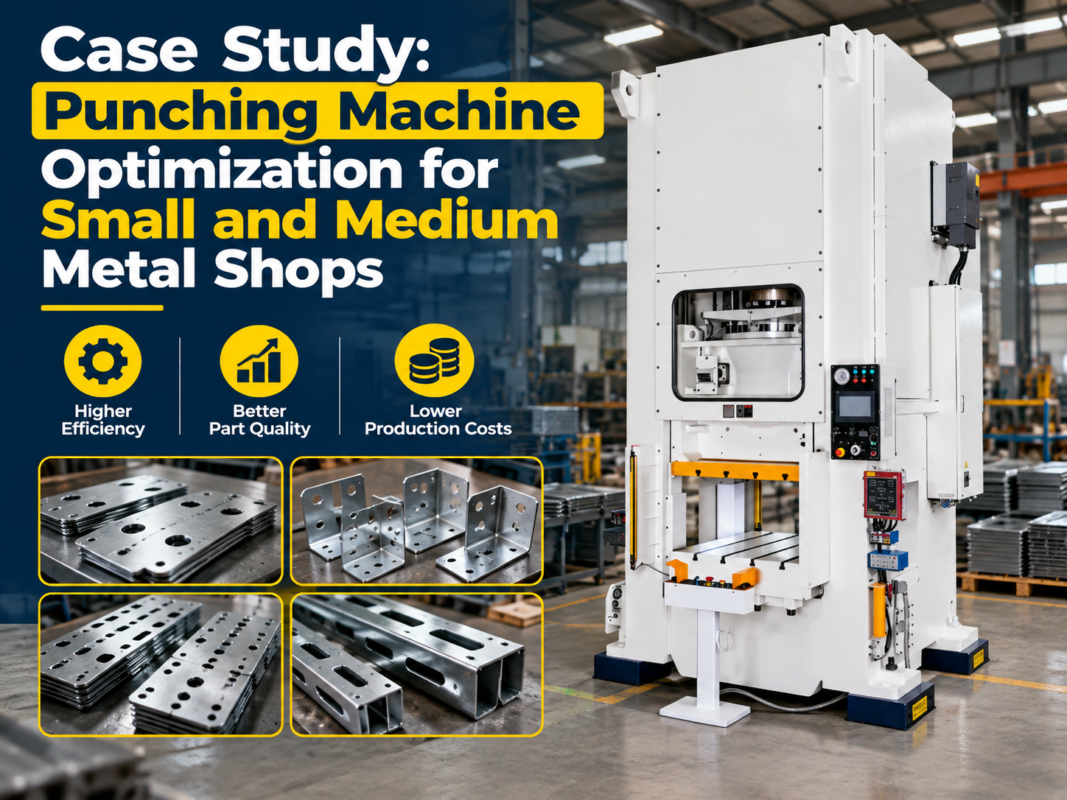
Consider the footprint of the machine and the layout of your factory floor. A compact hydraulic punching machine might be ideal for a smaller shop, while a large-scale turret punch with automated material handling is better suited for high-volume production facilities. Think about the workflow: how will the raw material enter the machine, and where will the finished parts go? A well-planned layout can reduce material handling time and improve overall safety in the factory.
Don’t overlook the importance of after-sales support and training. A punching machine is a long-term investment, and having access to expert technical support, spare parts, and operator training is crucial. HARSLE provides comprehensive support to ensure that your team can operate the machine at peak efficiency from day one. When comparing different manufacturers, ask about their lead times for parts and the availability of remote diagnostics, which can save hours of downtime in the event of a minor technical issue.
Finally, evaluate the total cost of ownership rather than just the initial purchase price. This includes energy consumption, maintenance costs, and the cost of tooling. A machine that is slightly more expensive upfront but offers higher energy efficiency and longer tool life will almost always be the better financial decision over the long term. Look for machines with energy-saving features, such as variable-frequency drives, which adjust the motor speed based on the workload.
FAQ: Common Questions About Punching Machines
- What is the main advantage of a hydraulic punching machine over a mechanical one? Hydraulic machines offer better control over the punching stroke, allowing for variable speed and pressure, which is safer and more versatile for different materials.
- How often should I perform maintenance on my punching machine? Regular maintenance should be performed according to the manufacturer’s schedule, typically involving daily checks of lubrication levels, weekly cleaning of the tool area, and monthly inspections of hydraulic seals and electrical connections.
- Can a punching machine handle stainless steel? Yes, but it requires specific tooling designed for stainless steel and potentially higher tonnage to account for the material’s work-hardening properties.
- What is the benefit of CNC control in hardware production? CNC control allows for the automation of complex hole patterns, ensuring high repeatability and reducing the chance of human error in the production of structural hardware.
- How do I reduce scrap material during the punching process? Use advanced nesting software to optimize the arrangement of parts on the sheet metal, ensuring the most efficient use of every square inch of material.
Conclusion: Elevating Your Production Standards
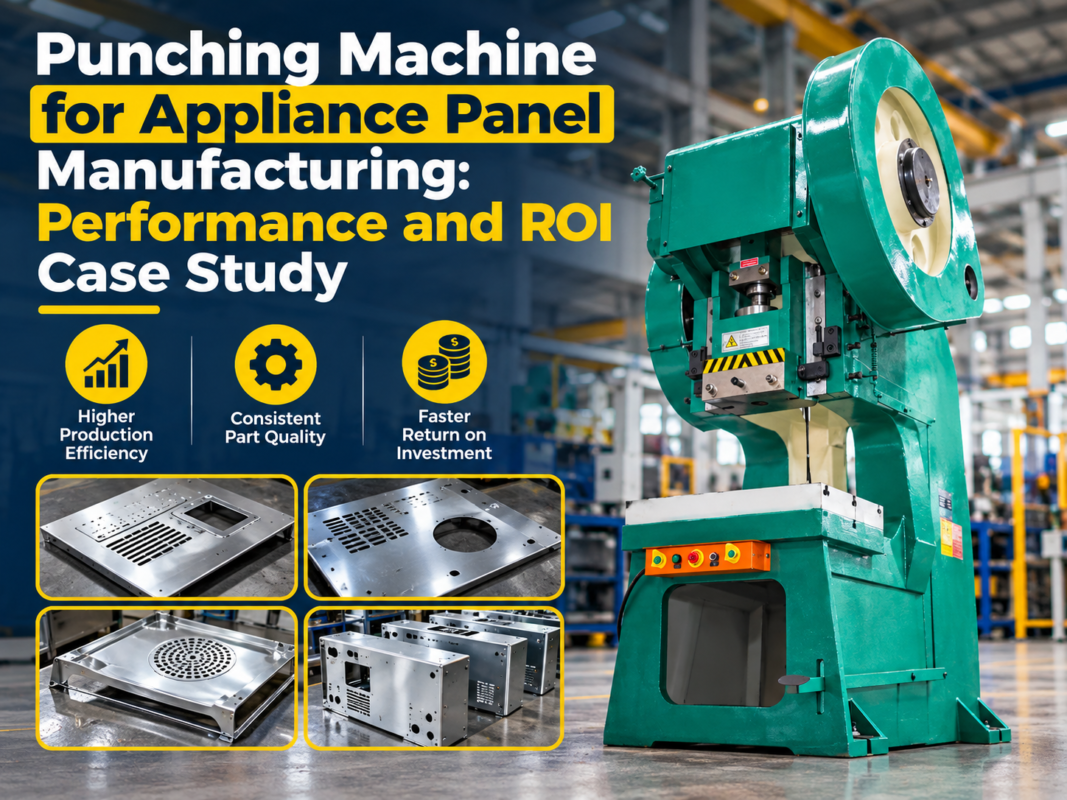
The integration of a high-performance punching machine is a transformative step for any construction hardware manufacturer. As we have explored, the real factory results of using modern HARSLE equipment speak for themselves: increased throughput, superior part quality, and significant material savings. By focusing on the right technical specifications, investing in quality tooling, and embracing automation, factories can position themselves as leaders in a competitive market.
The journey toward optimized production is ongoing. As construction standards become more stringent and the demand for custom hardware grows, the flexibility and precision offered by CNC punching machines will become even more critical. Whether you are a small workshop looking to scale or a large facility aiming to modernize your production line, the right punching machine is the foundation upon which your success will be built. We encourage you to evaluate your current processes, identify areas for improvement, and consider how HARSLE’s range of metal fabrication equipment can help you achieve your production goals.
Investing in the right technology is not just about buying a machine; it is about investing in the future of your business. With the right tools, your factory can handle any challenge, from standard joist hangers to complex, custom-engineered hardware solutions. Reach out to our team at HARSLE to discuss your specific requirements and discover how we can help you achieve the next level of efficiency in your construction hardware production.