
How to Fix Poor Edge Quality on a Laser Cutting Machine: A Comprehensive HARSLE Guide


Introduction
In the precision-driven world of metal fabrication, the quality of the cut edge is often the primary indicator of a machine’s performance and the operator’s expertise. When you invest in a high-performance HARSLE laser cutting machine, you expect clean, burr-free, and smooth edges that require minimal secondary processing. However, even the most advanced systems can encounter issues where the cut quality degrades, leading to dross, striations, or uneven surfaces. Understanding how to fix poor edge quality on a laser cutting machine is essential for maintaining production efficiency and ensuring the structural integrity of your components.
Poor edge quality is rarely the result of a single factor; rather, it is usually a combination of gas pressure, focal position, nozzle alignment, and material characteristics. As industrial demands increase, the tolerance for error decreases, making it vital for operators to master the troubleshooting process. This guide provides a deep dive into the technical parameters and maintenance routines required to achieve pristine results consistently.
Whether you are working with mild steel, stainless steel, or aluminum, the physics of the laser-material interaction remains consistent. By systematically addressing the variables involved in the cutting process, you can diagnose the root cause of edge defects and implement effective solutions. This article serves as your definitive resource for troubleshooting and optimizing your laser cutting operations.
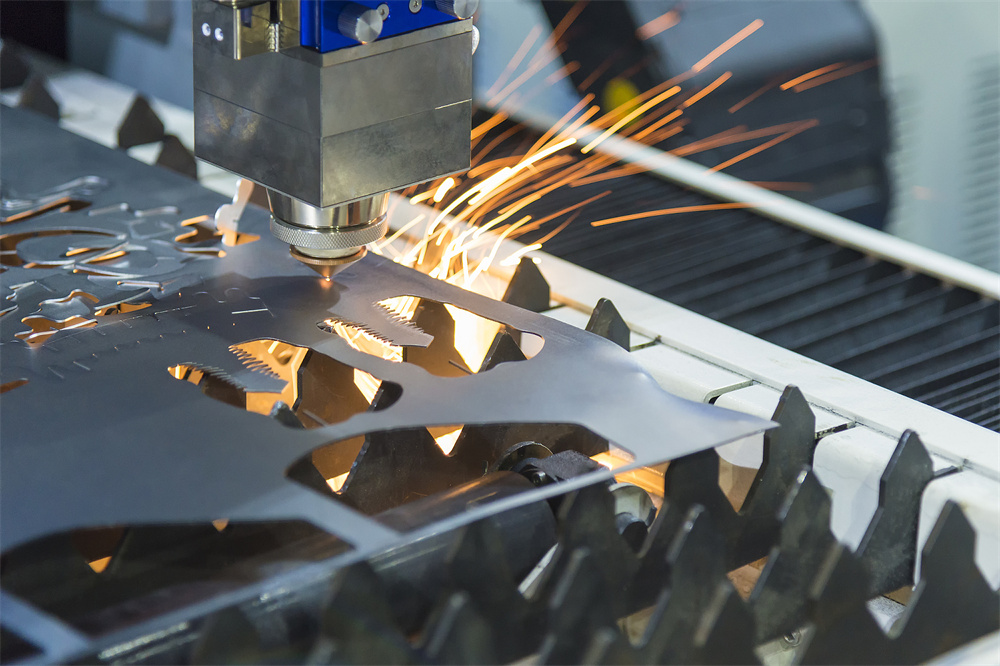
Key Considerations for Optimal Edge Quality
Before diving into complex technical adjustments, it is important to establish a baseline for your cutting environment. The first consideration is the condition of the material itself. Surface rust, heavy oxidation, or protective coatings can significantly interfere with the laser beam’s absorption and the gas flow dynamics. Always ensure that your raw material is clean and free of contaminants that could cause the beam to scatter or the gas flow to become turbulent.
Secondly, the environment in which the laser cutting machine operates plays a critical role. Dust, humidity, and temperature fluctuations can affect the stability of the laser source and the precision of the motion system. A clean, climate-controlled facility is not just a luxury; it is a requirement for high-precision metal fabrication. Regularly cleaning the machine’s surroundings and ensuring the chiller unit is operating within its specified temperature range will prevent many common edge quality issues.
Thirdly, the maintenance of the optical path is paramount. The laser beam must be perfectly aligned from the resonator through the delivery fiber and finally through the focusing lens. If the beam is slightly off-center, it will strike the side of the nozzle, causing uneven heating and poor edge finish. Routine inspection of the protective glass and the focusing lens for pitting or debris is a non-negotiable part of daily maintenance.
Finally, consider the software and nesting parameters. Sometimes, the issue is not the machine, but the pathing. Sharp corners or intricate geometries require specific lead-in and lead-out settings to prevent burn-through or excessive heat accumulation. By optimizing your nesting software to manage heat dissipation, you can significantly improve the consistency of your edges across the entire sheet.
Technical Details: Troubleshooting the Cutting Parameters
When you need to fix poor edge quality on a laser cutting machine, the first technical parameter to examine is the gas pressure. For nitrogen cutting, which is common for stainless steel and aluminum, pressure is the primary force that ejects molten metal from the kerf. If the pressure is too low, the molten material will not be fully expelled, resulting in dross at the bottom of the cut. Conversely, if the pressure is too high, it can cause turbulence, leading to rough, wavy striations on the edge.
The focal position is another critical variable. The focal point should be adjusted based on the thickness and type of material being cut. For thicker materials, a deeper focal point is often required to ensure the beam penetrates the entire thickness with sufficient energy density. If the focus is off, the beam will diverge before reaching the bottom of the sheet, leading to a tapered edge or an incomplete cut. Always refer to the HARSLE technical manual for your specific machine model to find the recommended focal offsets for various material thicknesses.
Nozzle selection and alignment are frequently overlooked. The nozzle diameter must be matched to the material thickness and the gas pressure being used. A nozzle that is too large will result in poor gas velocity, while one that is too small may restrict flow. Furthermore, the nozzle must be perfectly centered with the laser beam. A simple test involves firing a low-power pulse onto a piece of masking tape placed over the nozzle; if the hole is not perfectly centered, the beam is clipping the nozzle, which will inevitably lead to poor edge quality.
The cutting speed must be balanced with the laser power. If the speed is too high, the laser does not have enough time to melt the material, leading to a jagged, incomplete cut. If the speed is too low, the material will overheat, causing excessive melting and a wide, irregular kerf. Finding the ‘sweet spot’ involves iterative testing, starting with the manufacturer’s recommended parameters and making small, incremental adjustments to speed and power until the edge finish meets your quality standards.
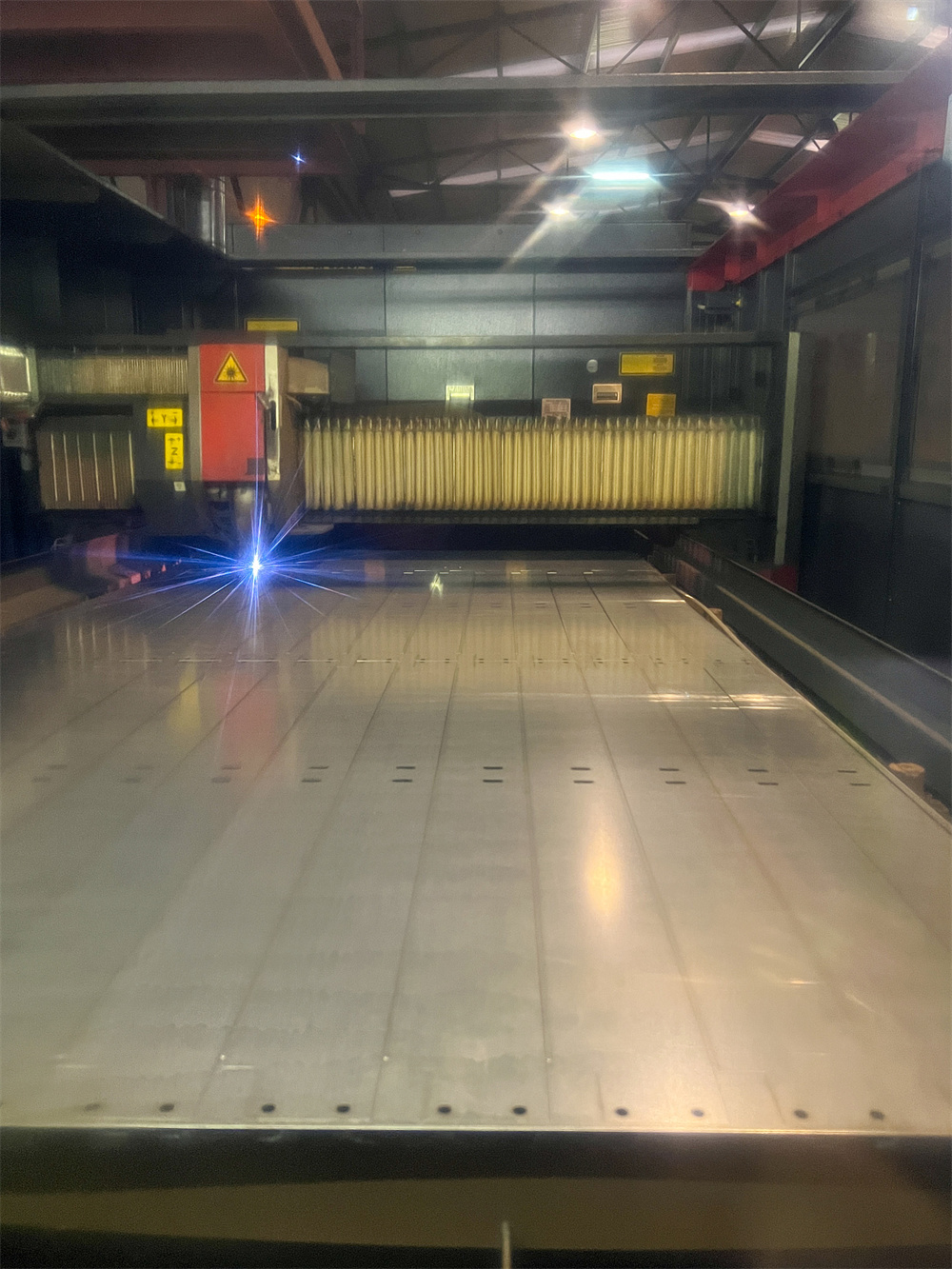
Selection Advice: Choosing the Right Equipment
When selecting a laser cutting machine, it is important to consider the long-term maintenance requirements and the ease of troubleshooting. HARSLE machines are designed with user-friendly interfaces that allow operators to monitor and adjust parameters in real-time. When evaluating a machine, look for systems that offer automated nozzle cleaning and calibration features, as these significantly reduce the likelihood of human error in maintaining edge quality.
Consider the power output of the laser source. While higher power allows for faster cutting, it also requires more precise control over gas flow and focal position. If your primary application involves thin-gauge sheet metal, a lower-power, high-precision machine might provide better edge quality than a high-power machine designed for thick plate. Always match the machine’s capabilities to your specific production needs.
The rigidity of the machine frame is another factor that influences edge quality. Vibrations during the cutting process can cause the laser beam to oscillate, leading to striations on the cut edge. HARSLE machines are built with heavy-duty, stress-relieved frames to ensure maximum stability. When comparing equipment, prioritize manufacturers that emphasize structural integrity and high-quality motion control components, such as servo motors and precision racks and pinions.
Finally, consider the availability of technical support and training. Even the best equipment requires periodic calibration and maintenance. Choosing a manufacturer that provides comprehensive training for your operators ensures that your team knows how to fix poor edge quality on a laser cutting machine before it becomes a major production bottleneck. HARSLE provides extensive documentation and support to help you maximize the return on your investment.
FAQ: Common Questions About Edge Quality
- Why is there dross on the bottom of my cut? Dross is usually caused by insufficient gas pressure or a cutting speed that is too high. Check your gas supply and ensure your nozzle is not clogged.
- What causes wavy lines on the cut edge? Wavy striations are often the result of gas turbulence or an incorrect focal position. Try adjusting the gas pressure or fine-tuning the focus offset.
- How often should I check nozzle alignment? We recommend checking nozzle alignment at the start of every shift or whenever you change the nozzle for a different material thickness.
- Does the purity of the assist gas matter? Yes, absolutely. Impure gas can lead to oxidation and poor edge finish, especially when cutting stainless steel or aluminum. Always use high-purity gases.
- Can software settings affect edge quality? Yes, lead-in and lead-out settings, as well as cornering speeds, are critical. Ensure your nesting software is configured correctly for the material type.
Conclusion
Achieving superior edge quality is a hallmark of professional metal fabrication. By understanding the interplay between gas pressure, focal position, nozzle alignment, and cutting speed, you can effectively troubleshoot and fix poor edge quality on a laser cutting machine. Remember that consistency is key; regular maintenance and a disciplined approach to parameter settings will keep your HARSLE machine performing at its peak.
As you continue to refine your processes, keep detailed logs of your successful cutting parameters for different materials and thicknesses. This data will become an invaluable asset for your team, allowing for faster setup times and more predictable results. If you ever encounter persistent issues that cannot be resolved through standard troubleshooting, do not hesitate to reach out to the HARSLE technical support team. We are committed to ensuring that your fabrication operations remain efficient, precise, and profitable.
Investing in high-quality equipment is only the first step. Mastering the art of laser cutting through continuous learning and rigorous maintenance is what truly sets industry leaders apart. Use this guide as a reference, stay diligent with your machine care, and enjoy the high-quality results that your HARSLE laser cutting machine is capable of delivering.












