
How to Choose the Right Punching Machine for Metal Fabrication: A Technical Buying Guide


Technical Overview: Understanding Modern Punching Systems
In the competitive landscape of metal fabrication, the ability to select the correct punching machine is a critical determinant of operational efficiency and profitability. A punching machine is not merely a tool for creating holes; it is a sophisticated system designed for high-speed material deformation, shearing, and forming. Whether you are operating a small job shop or a high-volume production line, understanding the mechanical nuances of these machines is essential for long-term success.
Modern punching machines, such as those engineered by HARSLE, have evolved from simple mechanical presses to highly integrated CNC-controlled systems. These machines utilize hydraulic or servo-electric drives to deliver precise force, enabling the processing of various materials including mild steel, stainless steel, and aluminum. The primary function involves a punch and die set where the material is sheared under high pressure, resulting in clean, accurate geometries.
When you choose a punching machine for metal fabrication, you are essentially investing in the throughput capacity of your facility. The transition from manual or semi-automatic systems to fully automated CNC turret punch presses represents a significant leap in productivity. These systems allow for complex nesting, multi-tool indexing, and reduced scrap rates, which are vital for maintaining margins in modern manufacturing environments.
Furthermore, the integration of advanced software allows for seamless CAD/CAM integration. This digital workflow ensures that the machine receives precise instructions, minimizing human error and setup time. As we delve into this technical buying guide, we will explore the specific parameters that define the performance and suitability of these machines for your unique production requirements.
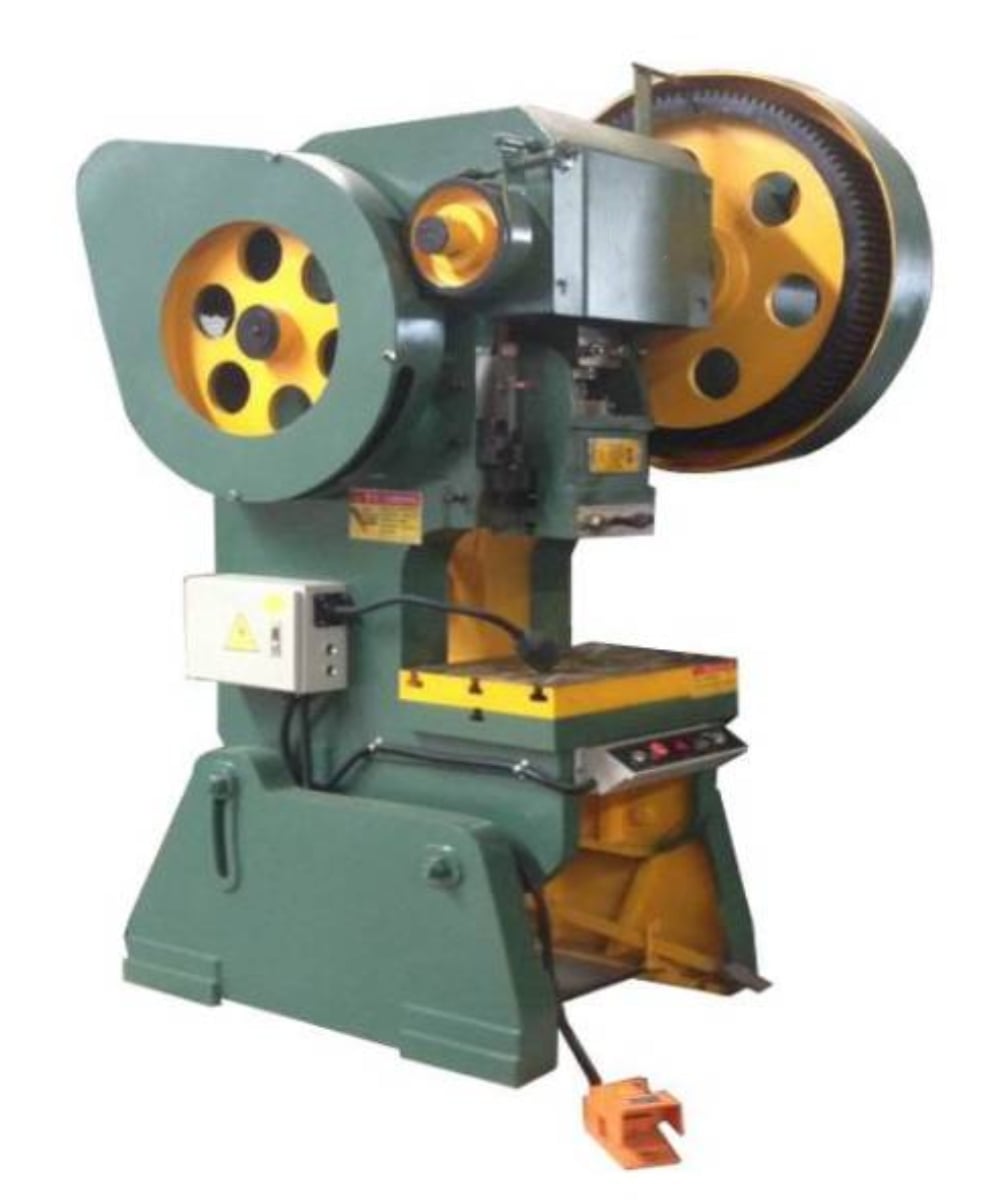
Core Parameters: Defining Your Operational Needs
The first step in the selection process is defining the core parameters that dictate machine capability. Tonnage is perhaps the most critical factor. It represents the total force the machine can exert on the workpiece. If the tonnage is insufficient, the machine will fail to penetrate the material, leading to tool damage and poor edge quality. Conversely, excessive tonnage on a small machine can lead to frame fatigue and unnecessary energy consumption.
Throat depth is another vital consideration. This parameter defines the distance from the center of the punch to the frame of the machine. A larger throat depth allows for the processing of larger sheet sizes without the need for repositioning. For fabricators handling large panels or complex enclosures, a deep throat machine is non-negotiable. It dictates the maximum reach of the punch, effectively limiting the dimensions of the parts you can produce.
Tooling capacity and turret configuration are equally important. A turret punch press with a high number of stations allows for a wider variety of tools to be mounted simultaneously, reducing the frequency of tool changes. This is essential for high-mix, low-volume production environments where setup time is the primary bottleneck. Consider whether your operations require auto-indexing stations, which allow tools to rotate, enabling the creation of complex shapes and angles without changing the tool itself.
Finally, consider the stroke rate and positioning speed. These metrics define the throughput of the machine. In high-volume production, the number of hits per minute (HPM) is a key performance indicator. However, it is important to balance speed with accuracy. High-speed punching can lead to vibration and heat buildup, which may affect the precision of the finished part. A well-balanced machine will offer high speed without compromising the structural integrity of the sheet metal.
Calculation Method: Determining Required Tonnage
To accurately choose a punching machine for metal fabrication, you must calculate the required tonnage based on your specific material and hole geometry. The formula for calculating punching force is: F = L × t × S / 1000, where F is the force in tons, L is the perimeter of the hole in millimeters, t is the thickness of the material in millimeters, and S is the shear strength of the material in kg/mm².
For example, if you are punching a circular hole with a diameter of 50mm in a 5mm thick mild steel plate, the perimeter (L) is π × 50 ≈ 157mm. Assuming the shear strength (S) of mild steel is approximately 35 kg/mm², the calculation would be: 157 × 5 × 35 / 1000 ≈ 27.5 tons. It is standard engineering practice to add a safety factor of 20-30% to account for tool wear and material variations, meaning you would require a machine with at least 35 tons of capacity.
It is also important to consider the stripping force. The stripping force is the force required to pull the punch out of the material after the hole has been created. Generally, the stripping force is about 10-20% of the punching force. If your machine is operating near its maximum tonnage limit, the stripping force might cause the machine to stall or result in premature wear of the hydraulic seals.
Furthermore, the type of punch tip geometry can significantly influence the required force. Using a shear-ground punch (a punch with a beveled tip) can reduce the required tonnage by up to 30% because it distributes the cutting force over a longer period. This is particularly useful when working with thicker materials or machines that are operating near their rated capacity. Always consult the material manufacturer’s data sheets for accurate shear strength values before finalizing your machine selection.
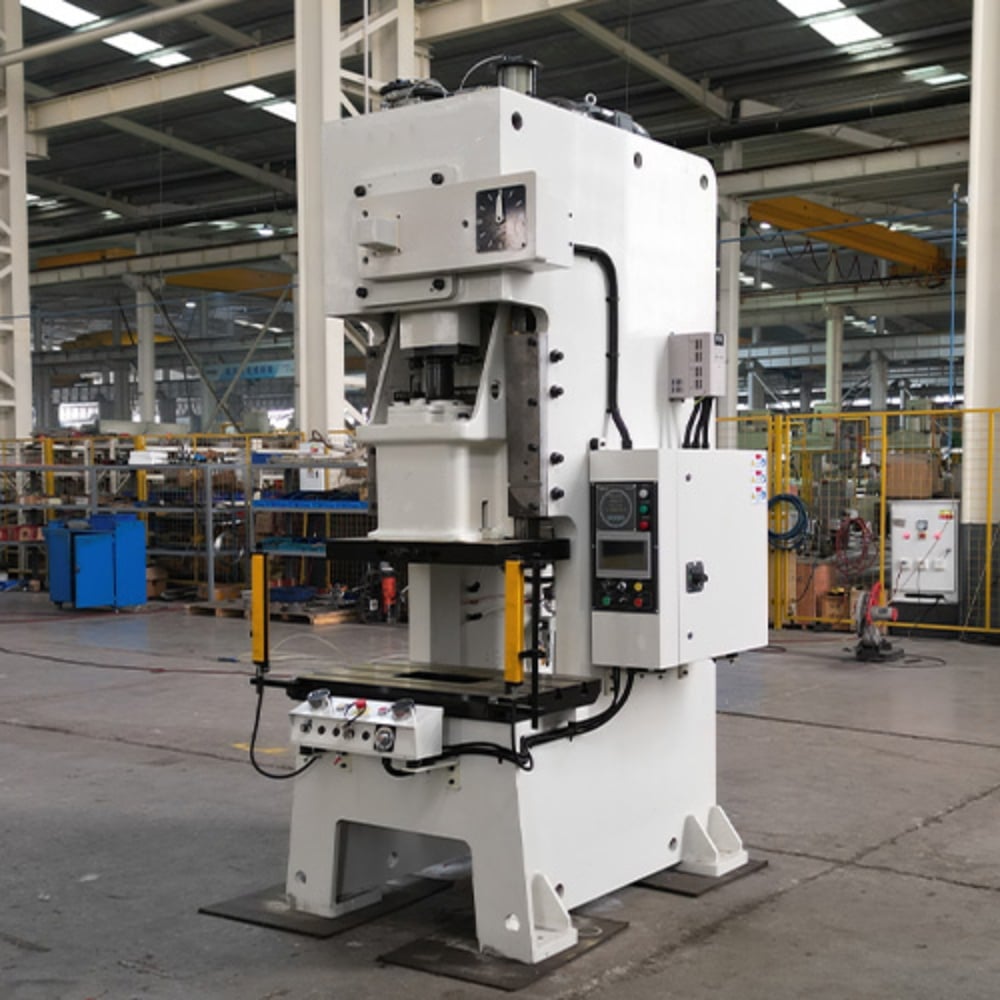
Parameter Table: Quick Reference Guide
| Parameter | Light Duty | Medium Duty | Heavy Duty |
|---|---|---|---|
| Tonnage | 15 – 30 Tons | 30 – 60 Tons | 60 – 100+ Tons |
| Max Sheet Thickness | Up to 3mm | 3mm – 8mm | 8mm – 15mm+ |
| Глубина горловины | 500mm – 800mm | 800mm – 1250mm | 1250mm+ |
| Tool Stations | 12 – 20 | 20 – 32 | 32 – 48+ |
| Control System | Basic CNC | Advanced CNC | Integrated Automation |
Common Engineering Mistakes in Machine Selection
One of the most frequent mistakes fabricators make is underestimating the future growth of their product line. Buying a machine that perfectly fits your current needs without considering potential future projects often leads to premature obsolescence. Always opt for a machine with slightly more tonnage and larger sheet capacity than your current requirements dictate to ensure scalability.
Another common error is ignoring the importance of tool maintenance and compatibility. Many buyers focus exclusively on the machine’s specifications while overlooking the cost and availability of the tooling system. Proprietary tooling systems can lock you into a single supplier, often resulting in higher long-term costs. Ensure that the machine you choose supports industry-standard tooling formats, which are widely available and cost-effective.
Neglecting the software ecosystem is a critical oversight. A punching machine is only as efficient as the software driving it. If the machine’s control system is incompatible with your existing CAD/CAM software, you will face significant integration challenges. Ensure that the machine supports standard file formats like DXF or DWG and that the post-processor is compatible with your design workflow.
Finally, many fabricators fail to account for the environmental and maintenance requirements of the machine. Hydraulic systems require regular oil changes, filter replacements, and thermal management. If your facility lacks the infrastructure to support these maintenance tasks, you may experience frequent downtime. Always review the maintenance manual and ensure your team is trained to perform routine inspections and minor repairs.
Selection Checklist: Your Buying Roadmap
- Define Material Range: List the types and maximum thicknesses of materials you intend to process.
- Calculate Tonnage: Use the formula provided to determine the minimum force required for your thickest material.
- Assess Throughput: Determine your daily part volume to decide between manual, semi-automatic, or fully automated systems.
- Evaluate Tooling Needs: Check if the machine supports the tool shapes and sizes required for your specific product designs.
- Review Software Compatibility: Confirm that the machine’s CNC controller integrates with your current CAD/CAM software.
- Check Service and Support: Verify that the manufacturer provides local technical support, spare parts availability, and operator training.
- Consider Energy Efficiency: Look for modern servo-electric or energy-saving hydraulic systems to reduce operational costs.
- Inspect Safety Features: Ensure the machine complies with international safety standards, including light curtains and emergency stop systems.
FAQ: Frequently Asked Questions
What is the difference between mechanical and hydraulic punching machines?
Mechanical punching machines use a flywheel and clutch system to deliver force, making them very fast but less flexible in terms of stroke control. Hydraulic machines offer better control over the ram position and speed, allowing for forming operations and safer operation, which is why they are preferred in modern fabrication.
How often should I sharpen my punching tools?
Tool sharpening frequency depends on the material type, thickness, and the number of hits. As a rule of thumb, inspect your tools after every 5,000 to 10,000 hits. Dull tools increase the required punching force, cause burrs on the workpiece, and can lead to premature machine wear.
Can a punching machine be used for forming operations?
Yes, many modern CNC punching machines are capable of forming, louvering, embossing, and tapping. However, this requires specialized tooling and, in some cases, a machine with a programmable ram stroke to control the depth of the form.
What is the benefit of an auto-indexing station?
Auto-indexing stations allow the tool to rotate 360 degrees. This enables the machine to punch holes at any angle and create complex shapes using a single tool, significantly reducing the number of tools required in the turret and minimizing tool change downtime.
How do I ensure the longevity of my HARSLE punching machine?
Regular maintenance is key. This includes daily cleaning of the turret, weekly checks of hydraulic fluid levels and filters, and annual calibration of the CNC positioning system. Always use high-quality lubricants and follow the manufacturer’s recommended maintenance schedule to ensure peak performance.












