
How a Hydraulic CNC Press Brake Streamlined Enclosure Fabrication for Electrical Panels


Introduction: The Evolution of Electrical Enclosure Manufacturing
In the modern industrial landscape, the demand for high-quality, durable, and precisely engineered electrical enclosures has skyrocketed. As infrastructure projects, data centers, and renewable energy installations expand, the need for rapid, accurate, and repeatable metal fabrication has become paramount. For manufacturers, the challenge lies in balancing high-volume production with the intricate design requirements of modern electrical panels. This is where the integration of advanced machinery becomes a game-changer.
The phrase “A Hydraulic CNC Press Brake Streamlined Enclosure Fabrication Electrical Panels” is not just a marketing slogan; it represents a fundamental shift in how sheet metal is transformed into protective housing for sensitive electronics. By moving away from manual, labor-intensive bending processes, fabricators are now able to achieve tolerances that were previously impossible, significantly reducing waste and assembly time.
HARSLE has been at the forefront of this technological transition, providing state-of-the-art hydraulic CNC press brakes that cater specifically to the needs of the electrical industry. These machines offer the perfect synergy of force, precision, and software integration, allowing manufacturers to handle complex box-builds with ease. In this article, we will explore the technical nuances, operational benefits, and strategic advantages of utilizing these machines in your production line.
Key Considerations for Electrical Enclosure Fabrication
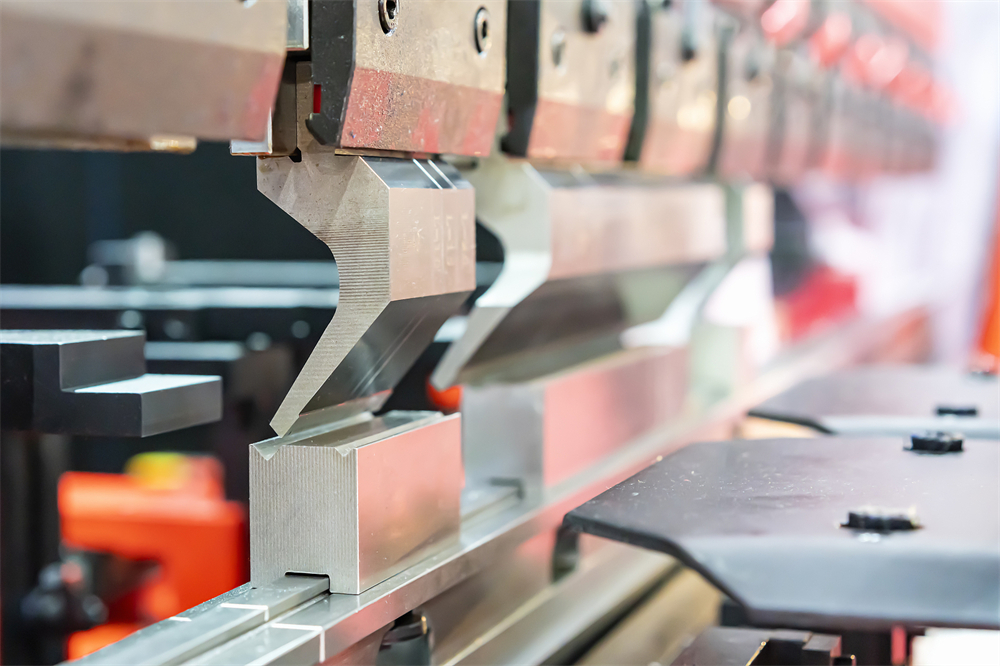
When fabricating electrical enclosures, precision is non-negotiable. Electrical panels often house complex circuitry, requiring exact dimensions to ensure that internal components fit perfectly and that the enclosure meets IP (Ingress Protection) ratings. A hydraulic CNC press brake allows for multi-stage bending, which is essential for creating the complex folds required for door frames, back panels, and side walls.
Material consistency is another critical factor. Electrical enclosures are typically manufactured from cold-rolled steel, stainless steel, or aluminum. Each material reacts differently under pressure. A hydraulic CNC press brake equipped with advanced crowning systems ensures that the bending force is distributed evenly across the entire length of the workpiece, preventing the “canoe effect” or uneven bends that can compromise the structural integrity of the enclosure.
Efficiency in setup time is vital for high-mix, low-volume production environments. Modern CNC controllers allow operators to store hundreds of bending programs. When switching from a small junction box to a large industrial cabinet, the machine can automatically adjust the backgauge positions and bending angles, drastically reducing downtime. This capability is what truly makes a hydraulic CNC press brake a streamlined solution for enclosure fabrication.
Finally, safety and ergonomics cannot be overlooked. Electrical panel fabrication involves handling large, sometimes awkward sheets of metal. Modern press brakes come equipped with laser safety curtains and ergonomic support arms, ensuring that the operator can work safely and efficiently without the risk of repetitive strain or accidental injury. This focus on the human-machine interface is a hallmark of HARSLE’s design philosophy.
Technical Details: How CNC Technology Enhances Precision
The core of the hydraulic CNC press brake lies in its synchronization. Unlike older mechanical machines, hydraulic systems use proportional valves to control the movement of the ram with micron-level accuracy. This synchronization ensures that both sides of the ram descend at the exact same rate, which is critical when performing long, complex bends on electrical cabinet panels.
The CNC controller acts as the brain of the operation. By inputting the material thickness, tensile strength, and desired bend angle, the controller calculates the necessary pressure and depth. It also compensates for spring-back—a common issue in metal fabrication where the material tends to return slightly toward its original shape after the pressure is released. By over-bending slightly based on material data, the machine ensures the final angle is exactly 90 degrees.
Backgauge systems are equally important. In enclosure fabrication, the backgauge determines the accuracy of the flange depth. HARSLE’s multi-axis backgauges allow for complex positioning, enabling the operator to create stepped bends or multiple flanges in a single handling sequence. This reduces the number of times the sheet metal needs to be repositioned, which is a major contributor to production speed.
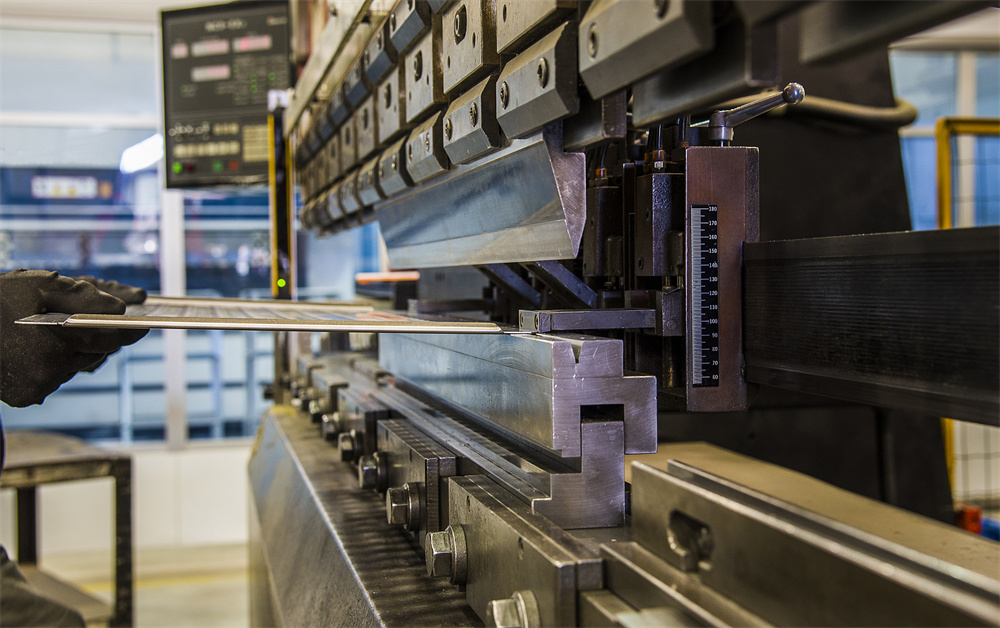
Furthermore, the integration of offline programming software allows engineers to simulate the entire bending process before a single piece of metal is cut. This “virtual bending” identifies potential collisions or design flaws, allowing for adjustments to be made in the digital realm. This level of preparation ensures that when the job reaches the shop floor, it is executed perfectly the first time, minimizing scrap rates.
Selection Advice: Choosing the Right Press Brake for Your Shop
Selecting the right machine requires a thorough assessment of your current and future production needs. First, consider the maximum length of the enclosures you intend to produce. A 3-meter press brake is standard for most electrical cabinets, but if you are manufacturing large-scale outdoor switchgear, you may require a longer bed length. It is always wise to choose a machine slightly larger than your current maximum requirement to allow for future growth.
Tonnage is another critical specification. Tonnage refers to the amount of force the machine can exert. While it might be tempting to buy the highest tonnage available, it is more efficient to select a machine that matches your material thickness and bend length. Over-specifying can lead to higher energy costs and unnecessary capital expenditure, while under-specifying will result in poor bend quality and potential machine damage.
Consider the level of automation you require. If your shop handles high-volume, repetitive tasks, a press brake with an automatic tool changer (ATC) can save hours of setup time per day. If your work is highly customized, focus on a machine with a user-friendly, intuitive controller that allows for rapid programming changes. HARSLE offers a range of options, from entry-level CNC machines to fully automated bending cells.
Finally, look for a manufacturer that provides comprehensive support. A press brake is a long-term investment. Ensure that the supplier offers training for your operators, readily available spare parts, and remote diagnostic capabilities. HARSLE prides itself on a global support network, ensuring that your production line remains operational and efficient regardless of your location.
FAQ: Common Questions About Press Brake Integration
1. How does a hydraulic CNC press brake improve the quality of electrical enclosures?
The CNC system ensures consistent pressure and angle accuracy across every bend. This eliminates human error and ensures that all panels fit together perfectly, which is essential for maintaining the IP rating of the enclosure.
2. Can a hydraulic press brake handle different types of metal?
Yes, modern CNC controllers allow you to input material properties for various metals, including stainless steel, aluminum, and mild steel. The machine automatically adjusts the bending force and compensation parameters accordingly.
3. What is the role of the backgauge in enclosure fabrication?
The backgauge acts as a reference point for the sheet metal. It ensures that every bend is made at the exact distance from the edge, which is critical for the dimensional accuracy of the enclosure box.
4. How often does a press brake require maintenance?
Routine maintenance, such as checking hydraulic fluid levels, cleaning the filter, and inspecting the tooling, should be performed regularly. HARSLE provides a detailed maintenance schedule to ensure the longevity of your machine.
5. Is it difficult to train operators on a CNC press brake?
Modern controllers are designed with user-friendly interfaces. While there is a learning curve, most operators can become proficient with the basic functions within a few days of training.
Conclusion: Investing in the Future of Fabrication
The transition to a hydraulic CNC press brake is more than just an equipment upgrade; it is a strategic move toward operational excellence. By streamlining enclosure fabrication, manufacturers can reduce lead times, improve product quality, and increase their overall competitiveness in the market. The precision offered by HARSLE’s hydraulic CNC press brakes ensures that every electrical panel produced meets the highest standards of the industry.
As we have explored, the combination of advanced hydraulic synchronization, intelligent CNC controllers, and robust backgauge systems creates a seamless workflow. Whether you are a small fabrication shop or a large-scale industrial manufacturer, the benefits of this technology are clear. It is time to move away from the limitations of manual bending and embrace the efficiency of modern CNC solutions.
If you are ready to take your electrical enclosure production to the next level, HARSLE is here to guide you. With our extensive range of machinery and commitment to customer success, we provide the tools you need to succeed in an increasingly demanding market. Contact our team today to discuss how we can help you optimize your fabrication processes and achieve superior results.


