Mechanical Vs Hydraulic Shearing Machine: Technical Differences Explained


Technical Overview
In the precision-driven world of metal fabrication, selecting the correct shearing machine is a foundational decision that dictates production efficiency, edge quality, and long-term operational costs. The debate between mechanical and hydraulic systems is not merely about preference; it is a fundamental choice between two distinct engineering philosophies. HARSLE provides this comprehensive guide to help manufacturers navigate the technical nuances of these two power systems.
Mechanical shearing machines operate on a kinetic energy principle. They utilize a flywheel, a clutch, and a crankshaft mechanism to convert rotational energy into the linear motion required for the shearing blade. Because they rely on the inertia of a heavy flywheel, they are characterized by rapid, repetitive stroke cycles. This makes them exceptionally efficient for high-speed, light-to-medium gauge production environments where throughput is the primary metric of success.
Conversely, hydraulic shearing machines utilize pressurized fluid to drive the ram. By employing hydraulic cylinders, these machines offer a more controlled, consistent force application throughout the entire stroke. This architecture allows for variable stroke lengths and adjustable cutting angles, providing a level of versatility that mechanical systems struggle to match. Hydraulic systems are the industry standard for heavy-duty applications where material thickness varies significantly.
The fundamental difference lies in the force delivery mechanism. Mechanical shears are “fixed-force” machines; they deliver the same energy regardless of the material thickness, provided the flywheel has sufficient momentum. Hydraulic shears are “variable-force” machines; the pressure can be modulated to suit the specific shear strength of the material, which reduces wear on the machine frame and extends tool life.
Understanding these differences is critical for HARSLE clients who must balance capital expenditure against operational flexibility. While mechanical shears offer a lower entry price and high speed, hydraulic shears provide the precision and adaptability required for modern, multi-material fabrication shops. The following sections will delve into the technical parameters that define these two distinct categories.
Core Parameters
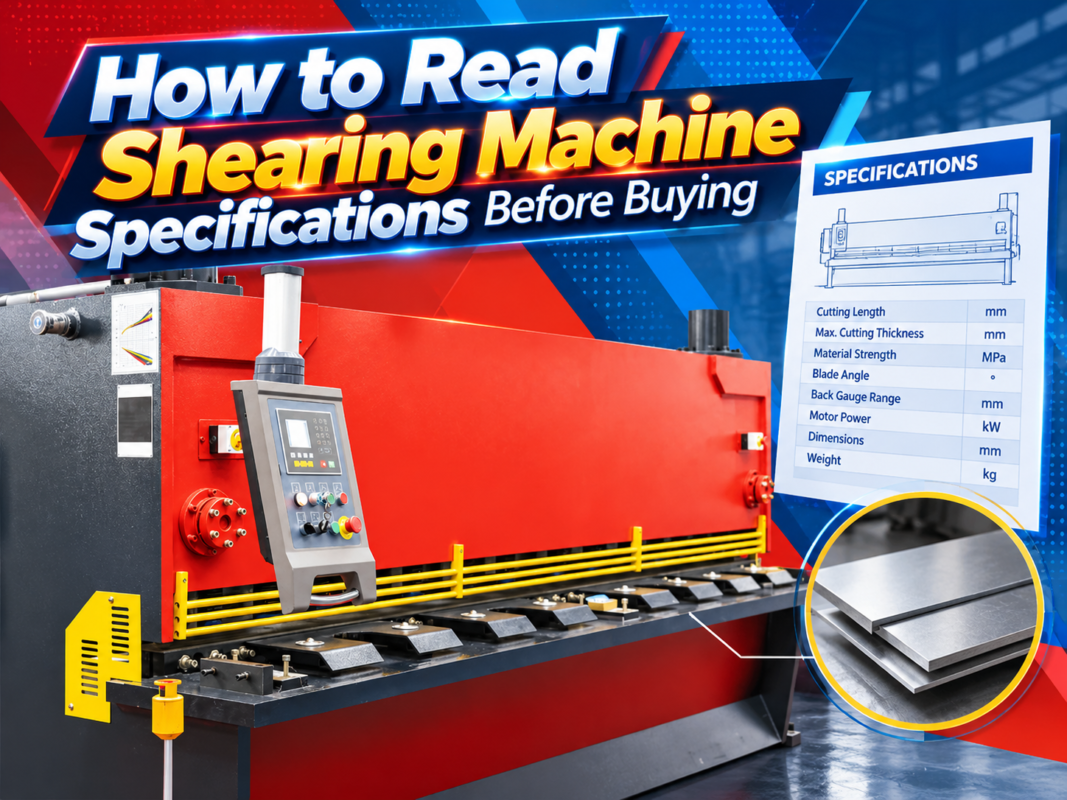
When evaluating shearing machines, several core parameters define performance. The first is the cutting capacity, which is typically rated by the maximum thickness of mild steel (usually 450 N/mm² tensile strength) that the machine can shear. Mechanical shears often have a fixed capacity, whereas hydraulic shears allow for a wider range of material thicknesses through adjustable blade gaps and rake angles.
The rake angle (or cutting angle) is a critical technical parameter. In hydraulic machines, the rake angle is often adjustable. A smaller rake angle is preferred for thin sheets to minimize distortion and twisting, while a larger rake angle is necessary for thicker plates to reduce the required cutting force. Mechanical machines typically feature a fixed rake angle, which simplifies operation but limits the machine’s versatility across different material gauges.
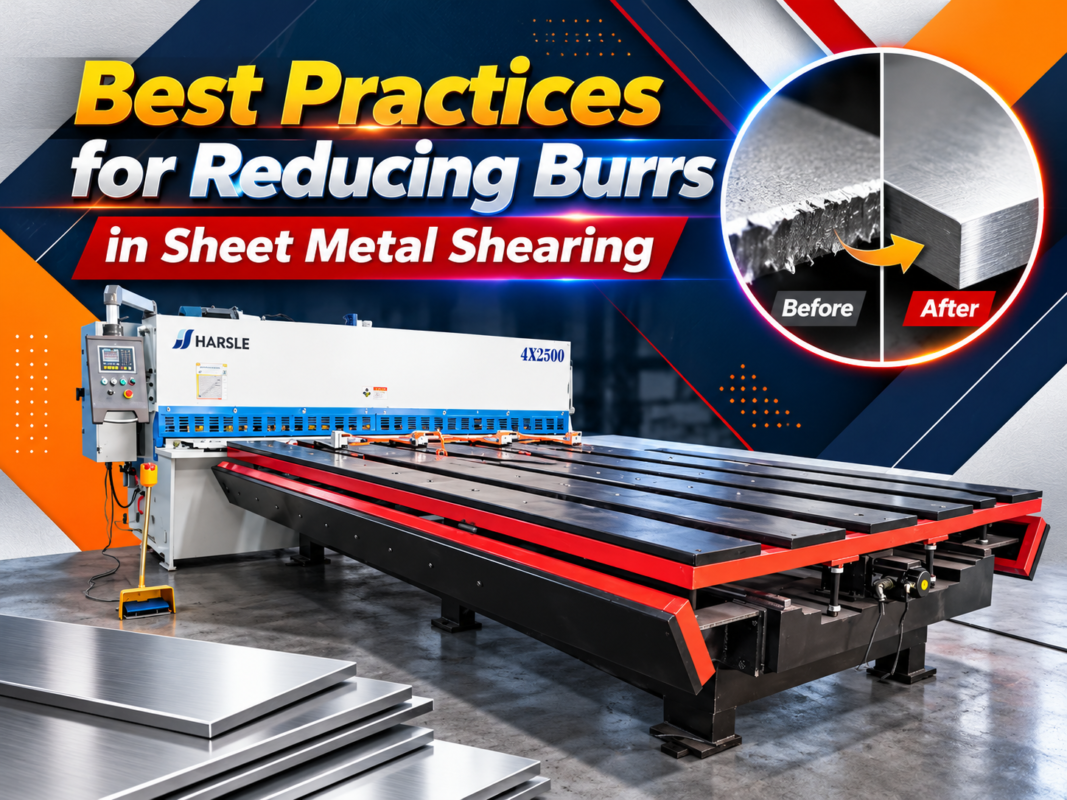
Blade gap adjustment is another differentiator. Precise blade clearance is essential for achieving a clean, burr-free edge. Hydraulic machines usually feature motorized or manual quick-adjustment systems that allow the operator to set the gap based on the specific material thickness. Mechanical machines often require manual shimming or fixed-setting adjustments, which can be time-consuming and less precise during frequent material changeovers.
Stroke rate and cycle time are the primary advantages of mechanical shears. Because the flywheel provides constant kinetic energy, mechanical machines can achieve a high number of strokes per minute (SPM). This is ideal for production lines where the same material is cut repeatedly. Hydraulic machines, while slower in terms of SPM, offer superior control over the ram position, allowing for “inching” or partial strokes, which is vital for safety and precision layout work.
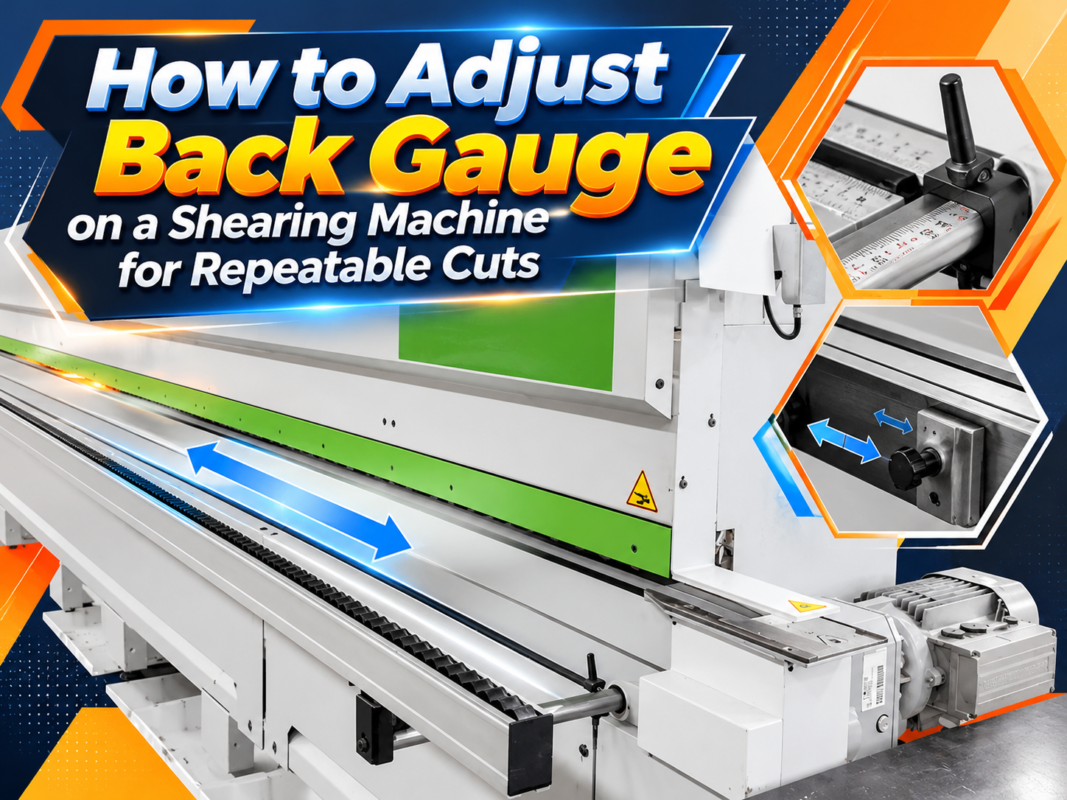
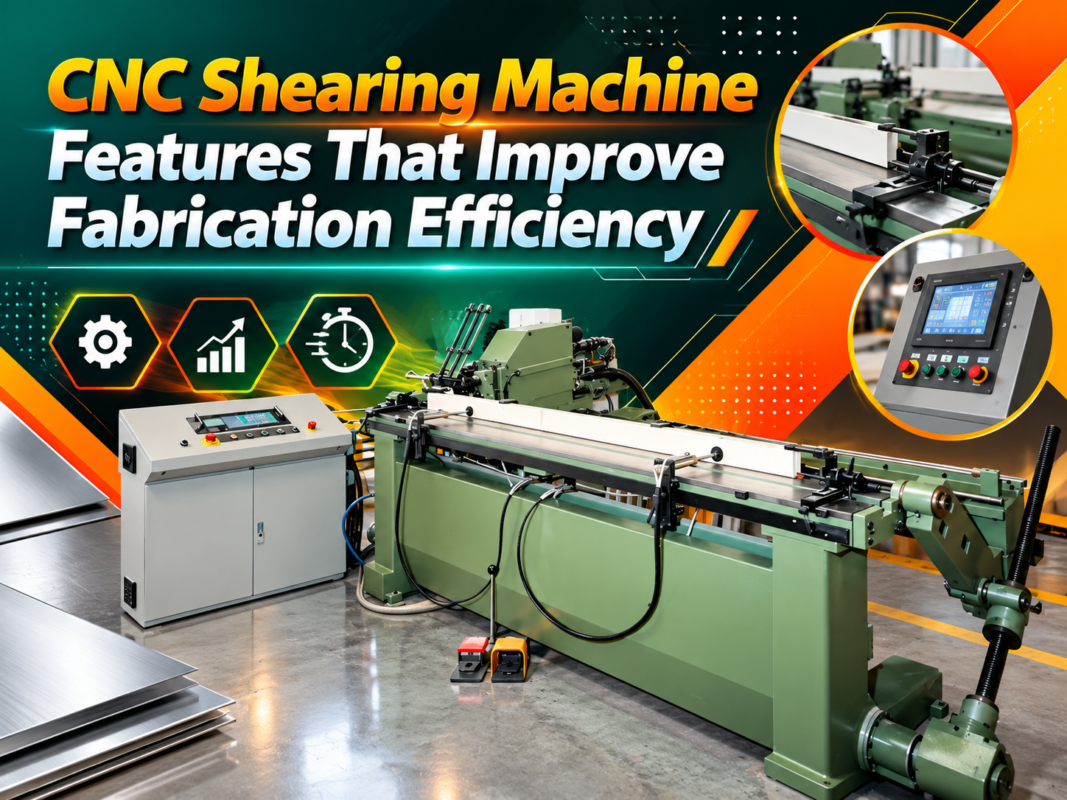
Finally, the backgauge system is a core parameter that dictates accuracy. Modern hydraulic shears often integrate CNC-controlled backgauges that automatically adjust for material thickness and rake angle. Mechanical shears may feature simpler, manual, or motorized backgauges. The integration of CNC technology is significantly more common in hydraulic systems, making them the preferred choice for automated, high-precision fabrication environments.
Calculation Method
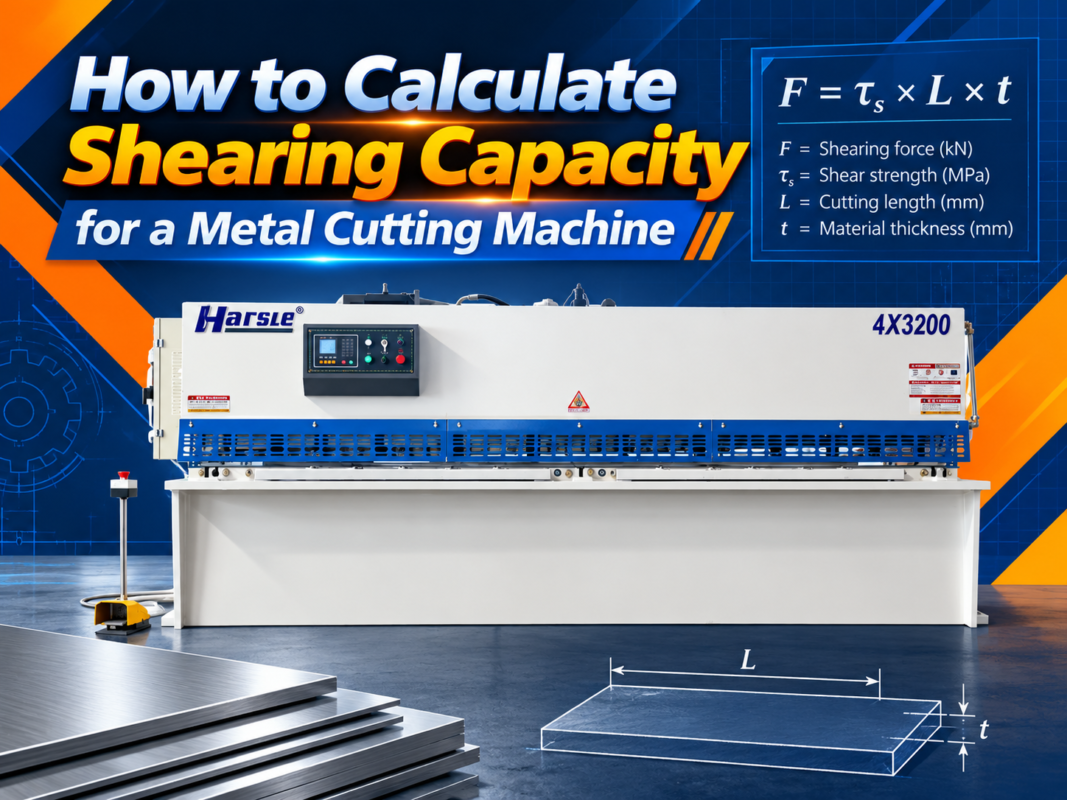
Calculating the required shearing force is essential to prevent machine overload and ensure longevity. The basic formula for shearing force (F) is: F = L × t × σ × k, where L is the length of the cut, t is the material thickness, σ is the ultimate shear strength of the material, and k is a factor accounting for blade clearance and wear (typically 0.6 to 0.8).
For mechanical machines, the calculation must also account for the flywheel’s energy capacity. The energy (E) stored in the flywheel is defined by E = 0.5 × I × ω², where I is the moment of inertia and ω is the angular velocity. If the energy required for the cut exceeds the energy stored in the flywheel, the machine will stall. This is why mechanical shears are strictly limited by their rated capacity; exceeding this limit can cause catastrophic damage to the crankshaft or clutch.
Hydraulic machines calculate force based on the pressure (P) in the cylinder and the area (A) of the piston: F = P × A. Because hydraulic systems can monitor pressure in real-time, they include built-in safety features that prevent the machine from attempting a cut that exceeds its structural capacity. This makes hydraulic machines inherently safer and more forgiving in a shop environment where operators might occasionally miscalculate material requirements.
When calculating for production, one must also consider the “shearing time.” For mechanical machines, the cycle time is constant. For hydraulic machines, the cycle time is a function of the stroke length. By reducing the stroke length to the minimum required for the material width, the cycle time of a hydraulic shear can be significantly improved, approaching the efficiency of mechanical systems for specific tasks.
HARSLE recommends that all operators perform a test cut on scrap material when switching to a new alloy or thickness. By measuring the burr height and the edge deformation, the operator can fine-tune the blade gap and rake angle settings. This empirical approach, combined with the theoretical force calculations, ensures the highest quality output and minimizes tool wear.
Parameter Table
| Feature | Mechanical Shearing Machine | Hydraulic Shearing Machine |
|---|---|---|
| Drive System | Flywheel, Clutch, Crankshaft | Hydraulic Cylinders |
| Force Delivery | Fixed (Kinetic Energy) | Variable (Fluid Pressure) |
| Rake Angle | Fixed | Adjustable |
| Blade Gap | Manual/Fixed | Motorized/Quick-Adjust |
| Cycle Speed | High (High SPM) | Moderate (Variable) |
| Control System | Mechanical/Simple Electrical | CNC/PLC Integrated |
| Техническое обслуживание | Mechanical Wear (Clutch/Brakes) | Hydraulic (Seals/Oil/Filters) |
| Best Application | High-volume, thin-gauge | Heavy-duty, multi-material |
Common Engineering Mistakes
One of the most frequent mistakes in metal fabrication is ignoring the blade clearance requirements for different materials. Operators often use the same blade gap for stainless steel as they do for mild steel. Stainless steel has a higher work-hardening rate, requiring a tighter blade gap to prevent the material from being pulled into the gap, which causes excessive burrs and premature blade dulling.
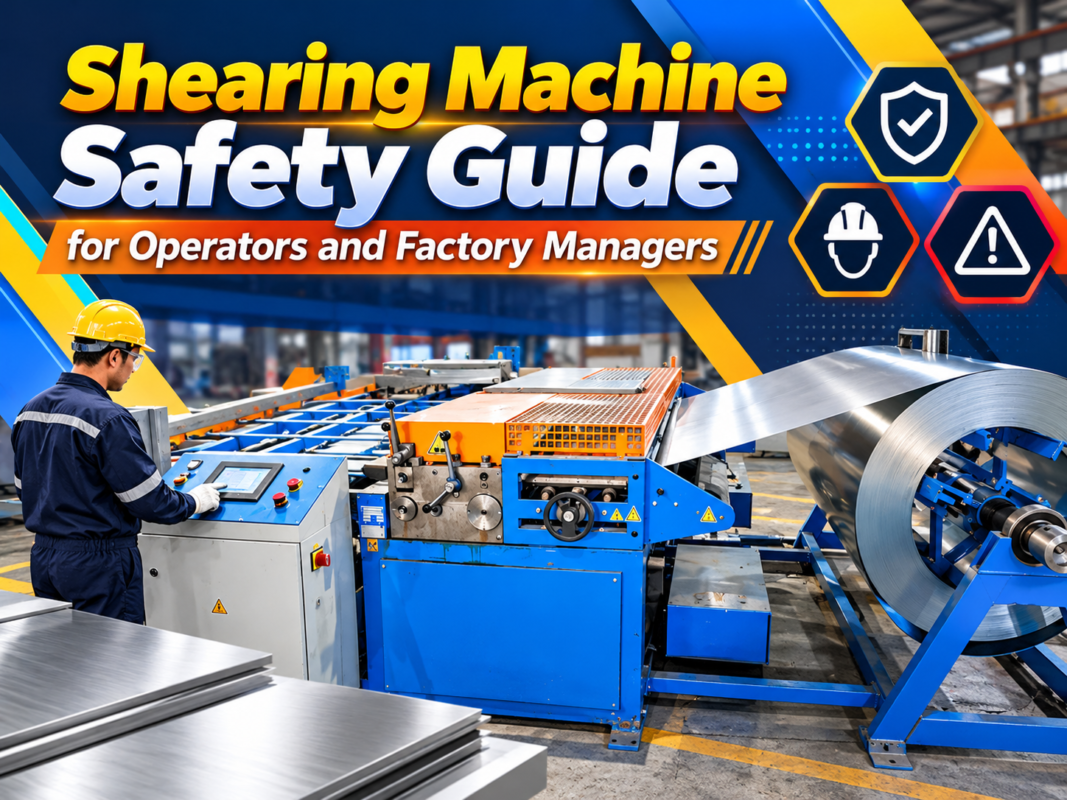
Another common error is overloading the machine. In mechanical shears, this often manifests as the machine stalling or the clutch slipping. In hydraulic shears, operators might attempt to cut material beyond the machine’s rated thickness, leading to frame deflection. Even if the machine completes the cut, frame deflection can lead to permanent misalignment of the blades, resulting in poor cut quality across the entire length of the shear.
Neglecting lubrication is a critical failure point. Mechanical shears have numerous moving parts—crankshaft bearings, connecting rods, and clutch mechanisms—that require consistent, high-quality lubrication. Hydraulic shears require strict adherence to oil change intervals and filter replacement. Contaminated hydraulic oil is the leading cause of valve failure and cylinder seal degradation, which can lead to erratic ram movement and loss of cutting force.
Improper material positioning is a frequent cause of both machine damage and operator injury. Failing to use the hold-down clamps correctly allows the sheet to lift during the cut, which creates a “bowing” effect and inaccurate dimensions. Operators must ensure that the material is fully seated against the backgauge and that the hold-down pressure is sufficient to prevent movement throughout the entire shearing cycle.
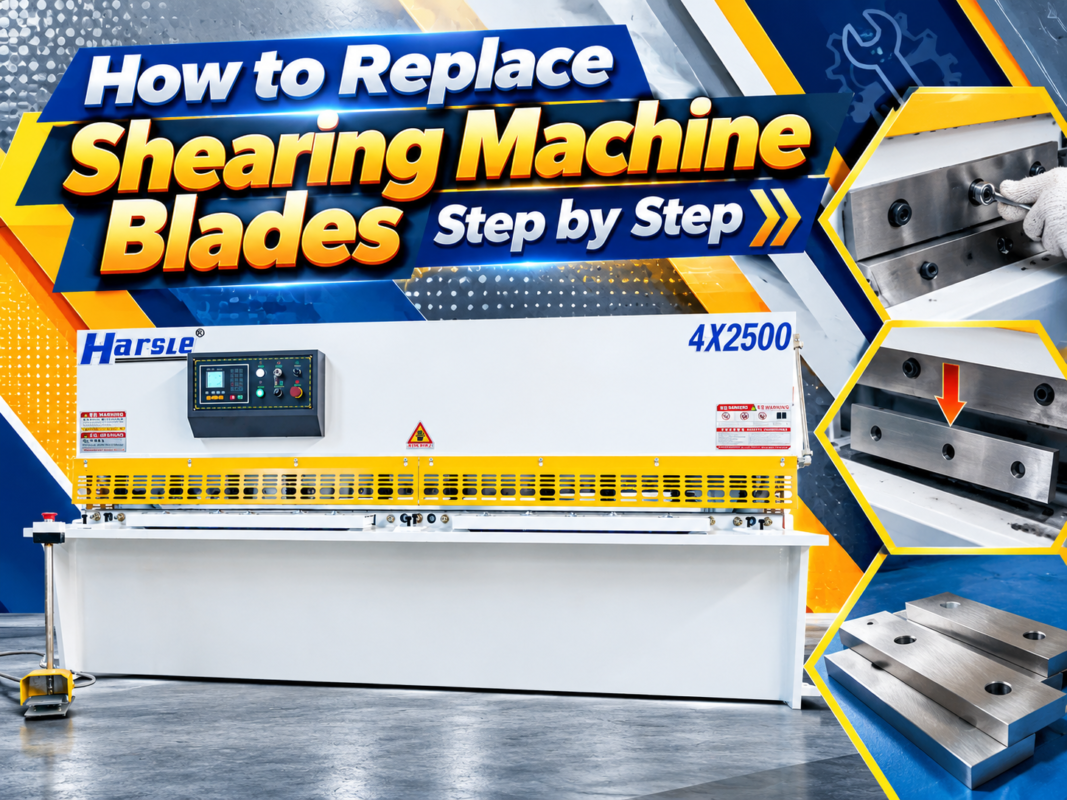
Finally, ignoring the sharpening schedule of the blades is a major oversight. Dull blades increase the required cutting force significantly, placing unnecessary strain on the drive system. A dull blade also creates a larger burr, which often requires secondary processing (grinding or deburring), thereby increasing the total cost per part. Regular blade maintenance is not an optional expense; it is a vital component of operational efficiency.
Selection Checklist
When choosing between a mechanical and hydraulic shearing machine for your HARSLE installation, consider the following checklist to ensure the machine aligns with your production goals:
- Material Range: Do you primarily cut one type of material (e.g., 2mm mild steel), or do you handle a wide variety of alloys and thicknesses? If the latter, choose hydraulic.
- Production Volume: Is your shop focused on high-speed, repetitive cutting of identical parts? If yes, a mechanical shear may offer a better return on investment due to its speed.
- Precision Requirements: Does your work require tight tolerances and minimal edge distortion? Hydraulic machines with CNC backgauges provide superior repeatability.
- Budget Constraints: Mechanical shears generally have a lower initial capital cost. However, consider the long-term cost of maintenance and the potential for secondary processing if the cut quality is lower.
- Available Infrastructure: Do you have the space and power requirements for a hydraulic power unit? Hydraulic machines require more floor space for the pump and reservoir.
- Operator Skill Level: Hydraulic machines with digital controls are often more intuitive for operators to set up and adjust, reducing the learning curve compared to mechanical systems.
FAQ
Q: Can a mechanical shear be converted to a hydraulic system?
A: No. The structural design, drive train, and frame architecture are fundamentally different. It is more cost-effective to purchase a new machine designed for the specific power system required.
Q: How often should I sharpen the blades on my shearing machine?
A: Sharpening frequency depends on the material type and volume. As a rule of thumb, if you notice an increase in burr height or if the machine requires more force to complete a cut, it is time to inspect and sharpen the blades.
Q: Why is the rake angle important?
A: The rake angle determines the distribution of the cutting force. A smaller angle reduces distortion in thin sheets, while a larger angle allows the machine to cut thicker material by spreading the force over a longer duration.
Q: What is the most common maintenance task for a hydraulic shear?
A: The most critical task is maintaining the hydraulic oil quality. Regularly checking the oil level, monitoring for leaks, and replacing the hydraulic filters according to the manufacturer’s schedule will prevent 90% of common hydraulic failures.
Q: Does HARSLE offer custom shearing solutions?
A: Yes, HARSLE provides tailored solutions, including custom backgauge lengths, specialized blade materials for high-tensile alloys, and integrated automation for high-volume production lines. Contact our technical team for a consultation.