How to Inspect and Adjust Shearing Machine Blades for Accurate Cutting: A Comprehensive HARSLE Guide


The Critical Importance of Shearing Machine Maintenance
In the high-stakes world of metal fabrication, the shearing machine serves as the backbone of production. Whether you are processing thin sheet metal or heavy-duty steel plates, the precision of your output is entirely dependent on the condition of your shearing blades. When you learn how to inspect and adjust shearing machine blades for accurate cutting, you are not just performing routine maintenance; you are safeguarding the quality of every component that leaves your workshop. Neglecting these components leads to burrs, deformed edges, and costly material waste that can erode your profit margins.
HARSLE shearing machines are engineered for durability, but even the most robust industrial equipment requires a disciplined approach to upkeep. The interaction between the upper and lower blades is a delicate mechanical dance. If the clearance is too wide, the material will bend rather than shear, resulting in a ragged edge. If the clearance is too tight, the blades will experience excessive friction, leading to premature dulling, chipping, or even catastrophic damage to the blade housing. Understanding the physics of the shear is the first step toward operational excellence.
Beyond the immediate quality of the cut, proper maintenance is a safety imperative. A dull or improperly adjusted blade requires more force to penetrate the metal, which places unnecessary strain on the hydraulic system and the machine frame. This increased load can lead to overheating, seal failures, and potential mechanical fatigue. By adhering to a strict inspection protocol, you extend the lifespan of your HARSLE equipment and ensure a safer working environment for your operators.
Furthermore, consistent maintenance schedules allow you to predict when a blade needs sharpening or replacement. This proactive stance prevents the dreaded “emergency shutdown” scenario where a machine failure halts your entire production line. By integrating these practices into your daily workflow, you transform your shearing machine from a simple tool into a reliable, high-precision asset that consistently delivers accurate cutting results across all material thicknesses.
Daily Inspection Protocols for Shearing Machines
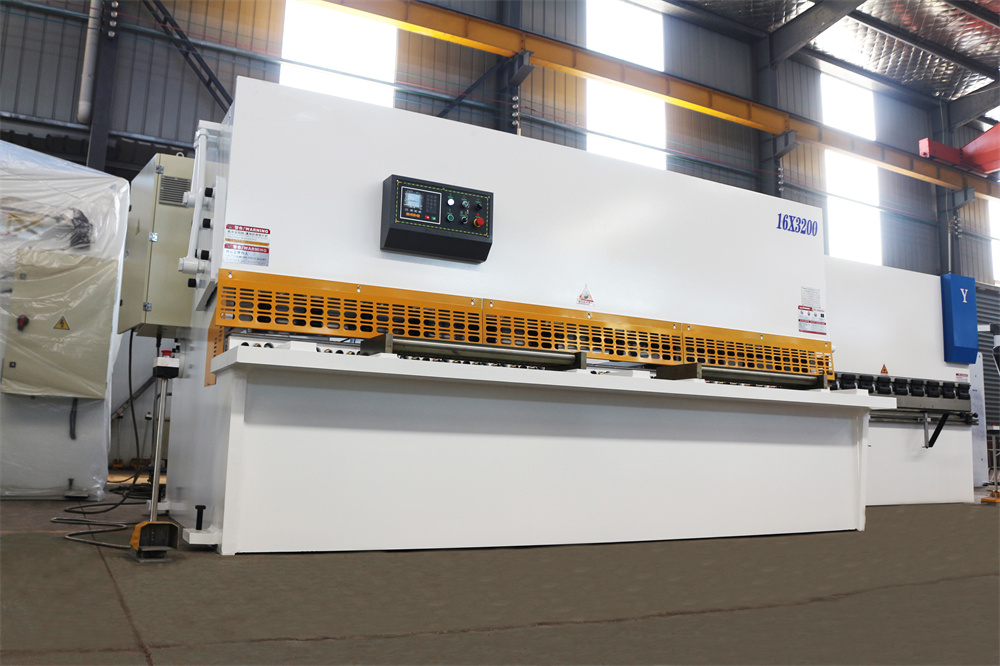
The daily inspection of your shearing machine should be as routine as turning on the lights in your facility. Before the first shift begins, operators should perform a visual check of the blade edges. Look for signs of chipping, rounding, or metal buildup. Even microscopic chips can propagate into larger cracks under the immense pressure of a shearing cycle, so catching these early is essential for long-term blade health.
Check the blade clearance settings before every job change. Different material thicknesses require specific clearance gaps. If you have just finished a run of 10mm steel and are switching to 2mm aluminum, failing to adjust the gap will result in poor cut quality and potential damage. Use a feeler gauge to verify that the gap is uniform across the entire length of the blade. A consistent gap is the hallmark of a well-maintained machine.
Inspect the hold-down cylinders to ensure they are applying even pressure across the sheet. If the hold-downs are not functioning correctly, the material may shift during the cutting process, leading to inaccurate dimensions and dangerous kickback. Ensure that the hydraulic pressure is within the manufacturer’s recommended range and that there are no visible leaks around the cylinder seals or hoses.
Finally, clear the work area of any scrap metal or debris. Small shards of metal can get trapped between the blades or under the sheet, causing indentations or uneven cutting forces. A clean machine is a precise machine. By dedicating ten minutes each morning to these checks, you mitigate the risk of major mechanical failures and ensure that your HARSLE shearing machine remains in peak operating condition.
Hydraulic, Electrical, and Mechanical Checks
The hydraulic system is the heart of your HARSLE shearing machine. Regularly check the oil levels and the temperature of the hydraulic fluid. Overheated oil loses its viscosity, which can lead to sluggish blade movement and inconsistent cutting forces. Inspect all hydraulic hoses for signs of wear, cracking, or bulging, and replace any that show signs of fatigue to prevent high-pressure leaks that could jeopardize the machine’s performance.
Electrical systems require a focus on connectivity and safety sensors. Ensure that all emergency stop buttons are functional and that the light curtains or safety guards are properly aligned. A malfunctioning safety sensor can cause the machine to lock out, while a loose electrical connection can lead to intermittent power issues that affect the consistency of the stroke. Periodically check the control panel for any error codes or warning lights that might indicate an underlying issue with the PLC or motor drives.
Mechanically, the focus should be on the blade gap adjustment mechanism and the backgauge system. The backgauge must be calibrated regularly to ensure that the distance from the blade to the stop is accurate. Use a precision measuring tool to verify that the backgauge is parallel to the blade. If the backgauge is skewed, your parts will be cut at an angle, leading to assembly issues later in the production process.
Check the tightness of all mounting bolts and fasteners. The vibration inherent in shearing operations can cause bolts to loosen over time. A loose blade mounting bolt can cause the blade to shift during a cut, leading to catastrophic damage to the blade edge. Use a torque wrench to ensure all fasteners are tightened to the manufacturer’s specifications. This mechanical integrity is the foundation of accurate cutting.

Developing a Comprehensive Lubrication Plan
Lubrication is the lifeblood of your shearing machine. Without proper lubrication, the sliding surfaces of the blade carrier and the guide ways will experience friction-induced wear, which eventually leads to “play” in the blade movement. This play makes it impossible to maintain a consistent blade gap, directly impacting your ability to achieve accurate cutting results. Establish a lubrication schedule that covers all grease points, including the main pivot pins and the slide guides.
Use only the high-quality lubricants recommended by HARSLE. Using the wrong type of grease can lead to gumming or insufficient protection under high-pressure conditions. Ensure that the automatic lubrication system, if equipped, is functioning correctly and that the reservoir is topped off. If your machine uses manual grease nipples, keep a log of when each point was last serviced to ensure no area is neglected.
Pay special attention to the guide ways. These surfaces must be kept clean and well-lubricated to ensure smooth, vertical movement of the upper blade. If you notice any scoring or deep scratches on the guide ways, it is a sign that debris has entered the system or that lubrication has failed. Address these issues immediately to prevent further damage to the machine frame.
Finally, consider the environmental conditions of your shop. If you are operating in a dusty or high-temperature environment, you may need to increase the frequency of your lubrication intervals. Dust can mix with grease to form an abrasive paste that accelerates wear. By maintaining a clean, well-lubricated machine, you ensure that the shearing action remains fluid and precise, minimizing the stress on the motor and hydraulic components.
Troubleshooting Signals: When to Act
Your shearing machine will often give you subtle signals before a major failure occurs. Learning to interpret these signs is a key skill for any maintenance technician. For example, if you notice that the cut edge of your material has a “rolled” appearance, it is a clear indicator that your blade clearance is too large. Conversely, if the cut edge shows secondary shearing or excessive burrs, the clearance may be too tight, or the blades may be dull.
Listen to the machine during the cutting cycle. Unusual noises, such as grinding, clicking, or high-pitched squealing, are red flags. A grinding sound often indicates that the blades are touching or that there is debris in the guide ways. A clicking sound might suggest a loose fastener or a failing hydraulic valve. If the machine struggles to complete a cut, it may be a sign of low hydraulic pressure or a dull blade that is forcing the motor to work harder than necessary.
Monitor the quality of your parts. If you find that your dimensions are drifting over the course of a shift, check the backgauge calibration and the blade mounting. If the machine is vibrating excessively, check the foundation bolts and the leveling of the machine. A machine that is not perfectly level will experience uneven stress, leading to premature wear on the blade guides and inconsistent cutting accuracy.
Do not ignore minor issues. A small, persistent problem is often the precursor to a major breakdown. By addressing these signals early, you can perform minor adjustments or part replacements during scheduled downtime rather than dealing with an unplanned production stoppage. Keep a maintenance log where you record these observations; this data will be invaluable for identifying patterns and optimizing your maintenance strategy over time.
Maintenance Schedule Table
| Frequency | Task | Description |
|---|---|---|
| Daily | Visual Inspection | Check blades for chips, cracks, or debris. |
| Daily | Clearance Check | Verify blade gap with feeler gauges for current material. |
| Weekly | Lubrication | Grease all pivot points and guide ways. |
| Weekly | Hydraulic Check | Inspect oil levels and check for leaks. |
| Monthly | Fastener Check | Torque all blade mounting bolts and frame fasteners. |
| Monthly | Backgauge Calibration | Ensure backgauge is parallel to the blade. |
| Quarterly | System Flush | Check hydraulic filters and replace if necessary. |
| Annually | Full Inspection | Professional service check of electrical and mechanical systems. |
Frequently Asked Questions (FAQ)
How often should I sharpen my shearing machine blades?
The frequency of sharpening depends on the material type, thickness, and volume of production. As a general rule, if you notice burrs on the cut edge that cannot be eliminated by adjusting the blade clearance, it is time to sharpen or replace the blades.
Can I adjust the blade clearance myself?
Yes, most HARSLE shearing machines are designed with user-friendly adjustment mechanisms. However, you must follow the manual’s specific instructions for your model. Always use a feeler gauge to ensure the gap is uniform across the entire length of the blade.
What is the most common cause of inaccurate cutting?
The most common cause is incorrect blade clearance for the material thickness being cut. Other factors include a misaligned backgauge, dull blades, or loose blade mounting bolts.
Why is my shearing machine making a loud noise during the cut?
Loud, unusual noises often indicate that the blade clearance is too tight, causing the blades to rub against each other, or that there is debris trapped in the cutting area. Stop the machine immediately and inspect the blades.
How do I know if my hydraulic fluid needs changing?
Check the fluid color and smell. If it appears dark, cloudy, or has a burnt odor, it has likely degraded and needs to be replaced. Regular oil analysis can also provide a precise indication of when a change is required.