
Mechanical Punching Machine Guide: Working Principle and Production Features


Technical Overview: Understanding the Mechanical Punching Machine
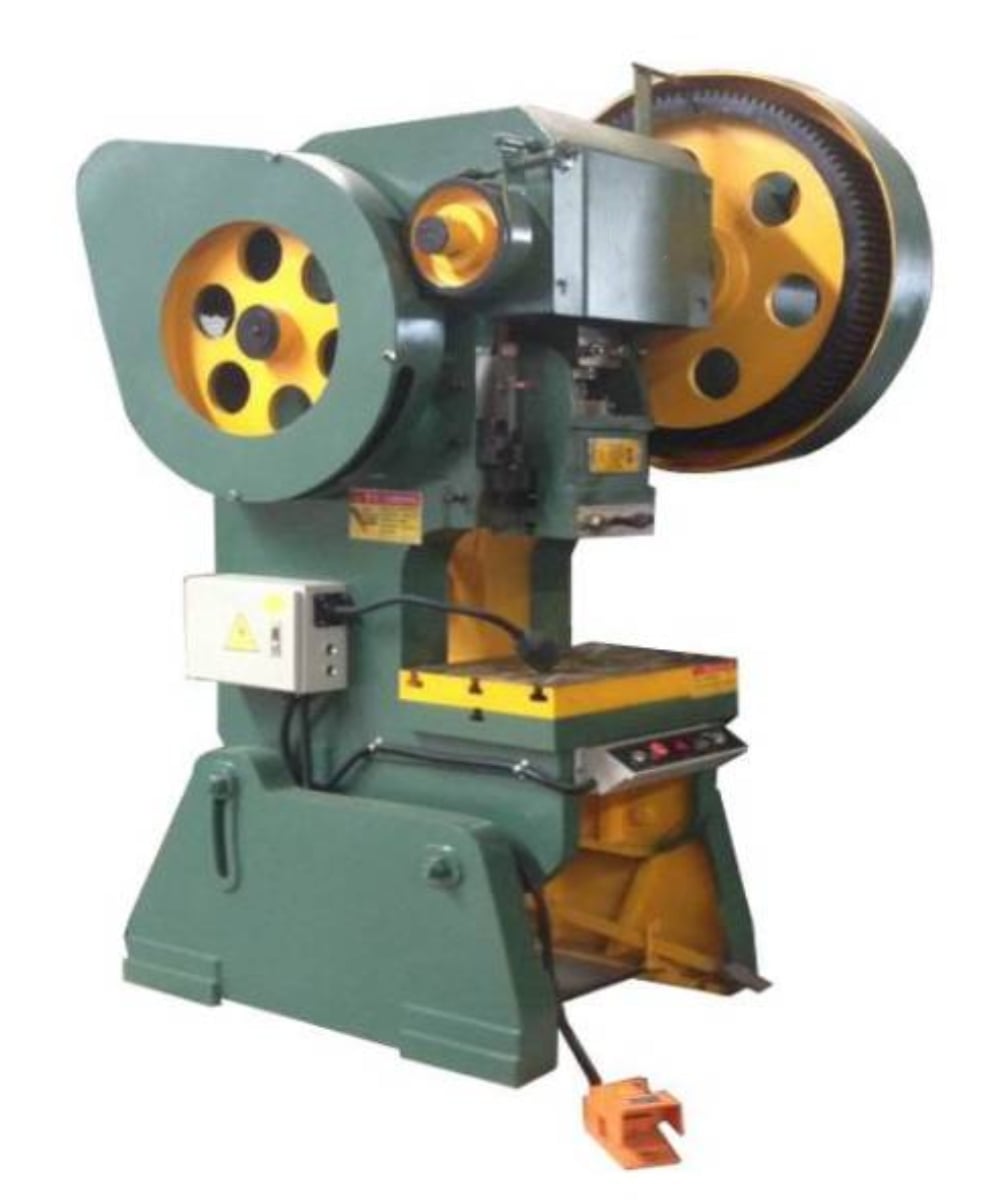
The mechanical punching machine remains a cornerstone of modern metal fabrication, serving as a high-speed, reliable solution for mass-producing sheet metal components. Unlike hydraulic counterparts that rely on fluid pressure, the mechanical punching machine utilizes a flywheel, a clutch, and a crankshaft mechanism to convert rotational energy into linear reciprocating motion. This fundamental design allows for rapid cycling, making it the preferred choice for high-volume production environments where speed and consistency are paramount.
At the heart of the machine is the flywheel, which stores kinetic energy. When the operator engages the clutch, this energy is transferred through a gear train to the crankshaft. The crankshaft, connected to the ram via a connecting rod, forces the ram downward. As the ram descends, the punch tool strikes the workpiece positioned over a die, shearing the material to create the desired shape or hole. This mechanical advantage provides a consistent force profile throughout the stroke, which is ideal for standard punching and blanking operations.
HARSLE mechanical punching machines are engineered to minimize vibration and maximize structural rigidity. The frame is typically constructed from high-tensile steel, stress-relieved to ensure that the machine maintains precision even under continuous, heavy-duty operation. By integrating advanced lubrication systems and precision-ground components, these machines achieve a level of repeatability that is essential for modern industrial standards, reducing scrap rates and enhancing overall shop floor efficiency.
The versatility of these machines is further enhanced by the variety of tooling options available. From simple circular punches to complex, custom-shaped dies, the mechanical punching machine can be adapted for a wide range of materials, including mild steel, stainless steel, aluminum, and copper alloys. Understanding the mechanical punching machine working principle production features is the first step for any fabrication shop looking to optimize their production line and achieve superior output quality.
Core Parameters: Defining Machine Capability
When evaluating a mechanical punching machine, several core parameters dictate its suitability for specific tasks. The most critical is the nominal force, measured in kilonewtons (kN) or tons. This value represents the maximum pressure the ram can exert at the bottom of its stroke. Selecting a machine with insufficient force can lead to incomplete punching, while excessive force can damage the tooling and the machine frame over time.
The stroke length and the number of strokes per minute (SPM) are equally vital. The stroke length determines the maximum depth the punch can travel, which is essential for deep-drawing or complex forming operations. Meanwhile, the SPM defines the production speed. Mechanical machines are renowned for their high SPM, which directly correlates to the throughput of the fabrication facility. Balancing these parameters requires a deep understanding of the specific parts being manufactured.
Shut height, or the distance between the ram and the bolster plate when the ram is at its lowest point, is another crucial parameter. This dimension dictates the size of the dies that can be installed. Adjustable shut height features allow operators to accommodate various tool sets, providing flexibility for shops that handle diverse job orders. Proper adjustment of this parameter is essential to prevent tool collision and ensure the longevity of the punch and die sets.
Finally, the throat depth and the dimensions of the bolster plate determine the maximum size of the sheet metal that can be processed. A larger throat depth allows for punching holes further into the center of a large sheet, expanding the machine’s utility. HARSLE machines are designed with optimized throat depths to ensure that fabricators can handle large-format materials without compromising on structural stability or precision.
Calculation Method: Determining Required Punching Force
Calculating the required punching force is a fundamental skill for any engineer or operator. The basic formula for determining the force (F) required to punch a hole is: F = L × t × τ, where L is the perimeter of the hole, t is the thickness of the material, and τ is the shear strength of the material. By accurately calculating this value, you can ensure that the machine is not overloaded during operation.
To calculate the perimeter (L), you must consider the geometry of the hole. For a circular hole, L = π × diameter. For complex shapes, you must sum the lengths of all sides. The thickness (t) should be measured in millimeters, and the shear strength (τ) is typically provided by the material supplier in megapascals (MPa). Ensuring that these units are consistent is vital for an accurate result. It is also recommended to add a safety factor of 15-20% to account for tool wear and material variations.
Another important calculation involves the stripping force. When the punch retracts from the material, it must overcome the friction between the punch and the hole walls. The stripping force is generally estimated to be 5-10% of the total punching force. If the machine is consistently operating near its maximum capacity, the stripping force can become a significant factor in the overall load on the crankshaft and motor, potentially leading to premature wear.
For shops handling high-volume production, calculating the energy consumption per cycle is also beneficial. By understanding the energy requirements, managers can optimize the production schedule and monitor the efficiency of the machine’s motor and flywheel system. HARSLE provides detailed technical manuals that include these calculation methods, assisting operators in making informed decisions about tooling and material selection for every project.
Parameter Table: Standard Specifications for HARSLE Series
The following table outlines the typical specifications for a standard HARSLE mechanical punching machine. These values serve as a baseline for comparison when selecting equipment for your facility.
| Model | Nominal Force (kN) | Stroke Length (mm) | Strokes per Minute (SPM) | Shut Height (mm) | Throat Depth (mm) |
|---|---|---|---|---|---|
| J23-25 | 250 | 60 | 120 | 200 | 210 |
| J23-40 | 400 | 80 | 100 | 240 | 240 |
| J23-63 | 630 | 100 | 80 | 280 | 280 |
| J23-100 | 1000 | 120 | 60 | 320 | 320 |
Common Engineering Mistakes in Punching Operations
One of the most frequent mistakes in punching operations is the improper clearance between the punch and the die. If the clearance is too small, the punch will experience excessive friction, leading to rapid tool wear and potential galling. Conversely, if the clearance is too large, the material will bend rather than shear, resulting in burrs and poor edge quality. Maintaining the correct clearance, typically 5-10% of the material thickness per side, is essential for high-quality results.
Another common error is failing to properly secure the workpiece. If the sheet metal is not held firmly against the bolster plate, it can shift during the punching process, leading to inaccurate hole placement and potential damage to the tooling. Using high-quality clamps or automated feeding systems can mitigate this risk. Furthermore, neglecting the lubrication of the punch and die set can significantly reduce tool life and increase the force required for the operation.
Overloading the machine is a critical mistake that can lead to catastrophic failure. Operators must always verify that the force required for the specific job is within the machine’s rated capacity. Using a machine to punch material that is thicker or harder than its specifications will cause excessive stress on the crankshaft, bearings, and frame. Regular inspection of these components is necessary to identify signs of fatigue before they lead to downtime.
Finally, ignoring the importance of tool maintenance is a recipe for disaster. Dull punches require more force to penetrate the material, which increases the load on the machine and results in poor edge quality. Implementing a strict tool sharpening schedule and keeping a log of tool usage can prevent these issues. HARSLE emphasizes that proactive maintenance is the most effective way to ensure the longevity and reliability of your mechanical punching equipment.
Selection Checklist: Choosing the Right Machine
When selecting a mechanical punching machine, start by defining your production requirements. Consider the maximum material thickness, the size of the sheets you will be processing, and the complexity of the shapes you need to produce. If your work involves high-volume, repetitive tasks, a mechanical machine with a high SPM is ideal. If your work is more varied, consider a machine with adjustable stroke and shut height.
Evaluate the build quality of the machine. Look for a robust, stress-relieved frame that minimizes deflection. Check the quality of the clutch and brake system, as these are the components that will see the most wear. A reliable clutch ensures smooth operation and precise stopping, which is vital for safety and productivity. HARSLE machines are built with high-grade components to ensure long-term performance under demanding conditions.
Consider the availability of spare parts and technical support. A machine is only as good as the support behind it. Choose a manufacturer that offers comprehensive training, readily available spare parts, and responsive technical assistance. This ensures that if an issue arises, your production line can be back up and running with minimal delay. HARSLE provides global support to ensure that our clients receive the help they need, whenever they need it.
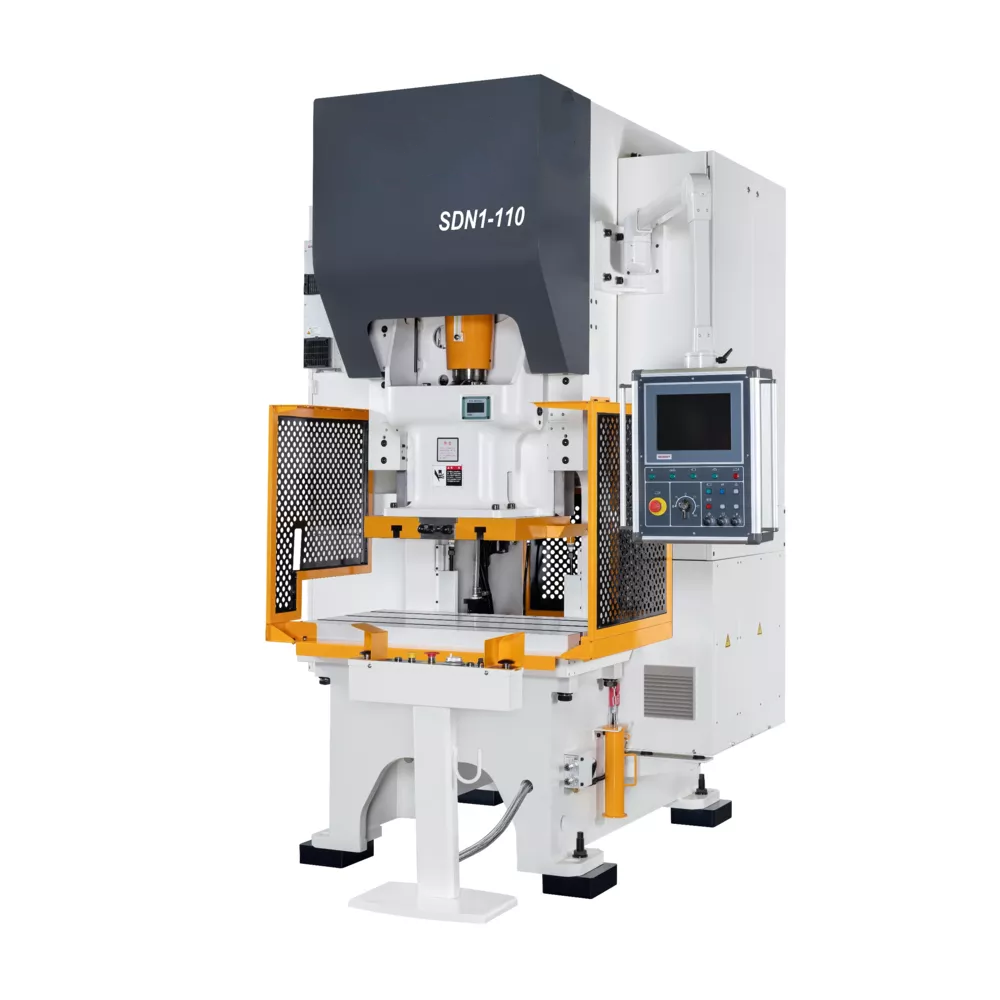
Finally, factor in the safety features of the machine. Modern mechanical punching machines should be equipped with light curtains, emergency stop buttons, and interlocked guards to protect the operator. Never compromise on safety; investing in a machine with advanced safety features is not only a legal requirement in many jurisdictions but also a moral imperative to protect your workforce. Review the safety certifications of the machine before making your final purchase decision.
FAQ: Frequently Asked Questions
Q: What is the main advantage of a mechanical punching machine over a hydraulic one?
A: The primary advantage is speed. Mechanical machines use a flywheel and crankshaft to achieve much higher strokes per minute, making them significantly more efficient for high-volume, repetitive punching tasks.
Q: How often should I sharpen my punching tools?
A: The frequency of sharpening depends on the material type, thickness, and the number of cycles. As a general rule, monitor the edge quality of your parts; if you notice burrs or an increase in the required punching force, it is time to sharpen the tools.
Q: Can I use a mechanical punching machine for forming operations?
A: Yes, many mechanical punching machines can be used for simple forming operations like bending or embossing, provided the force required does not exceed the machine’s capacity and the tooling is designed for the specific forming task.
Q: What safety measures are essential when operating a mechanical punch?
A: Essential safety measures include the use of light curtains, proper training for operators, regular maintenance of the clutch and brake system, and the use of personal protective equipment such as safety glasses and hearing protection.
Q: How do I determine the correct clearance for my die?
A: The clearance is typically calculated as a percentage of the material thickness, usually ranging from 5% to 10% per side. Consult your tooling manufacturer’s guidelines for the specific material you are processing to ensure optimal results.












