
Punching Machine Technical Guide: Key Components, Working Principles, and Selection Tips for Metal Fabrication


Technical Overview: Understanding the Punching Machine
In the modern landscape of metal fabrication, the punching machine stands as a cornerstone of efficiency and precision. A punching machine is a specialized industrial tool designed to create holes, shapes, or patterns in metal sheets or plates through a process of shearing. By utilizing a punch and die set, these machines exert immense force to cut through materials ranging from thin aluminum sheets to thick structural steel plates. As HARSLE continues to innovate in this sector, understanding the technical nuances of these machines is vital for any fabrication shop looking to optimize production.
At its core, a punching machine operates by applying compressive force to a workpiece, forcing a punch through the material and into a die. The clearance between the punch and the die is a critical technical factor that determines the quality of the edge and the longevity of the tooling. Modern punching machines have evolved from simple mechanical presses to sophisticated CNC-controlled systems capable of complex nesting, multi-tool indexing, and high-speed operation, significantly reducing cycle times and material waste.
The versatility of punching machines makes them indispensable in industries such as automotive manufacturing, aerospace, electrical enclosure production, and construction. Whether it is a turret punch press or a single-station hydraulic ironworker, the fundamental goal remains the same: to achieve high-accuracy holes with minimal burr formation. For fabricators, the transition from manual to automated punching represents a significant leap in throughput and consistency.
HARSLE’s range of punching equipment integrates advanced hydraulic systems and robust frame designs to ensure stability under load. By minimizing deflection and vibration, these machines provide the structural integrity required for high-tonnage operations. This technical guide explores the intricate details that define high-performance punching, ensuring that operators and shop owners can make informed decisions regarding their equipment investments.
Core Components and Working Principles
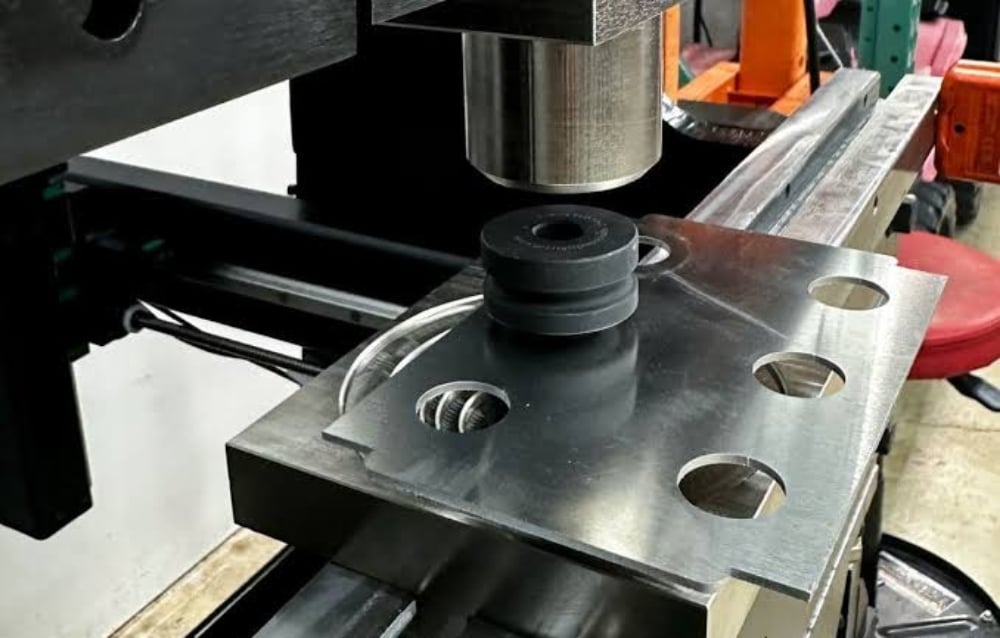
The architecture of a punching machine is composed of several critical subsystems that work in harmony to deliver precise results. The primary component is the frame, usually constructed from high-tensile steel to withstand the extreme stresses of the punching cycle. A rigid frame prevents deflection, which is the primary cause of premature tool wear and inaccurate hole positioning. Within this frame, the drive system—whether mechanical, hydraulic, or servo-electric—converts energy into the linear motion required for the punch.
The tooling assembly, consisting of the punch and the die, is the heart of the operation. The punch is the male component that descends into the material, while the die is the female component that supports the material and provides the clearance necessary for the slug to pass through. The relationship between the punch and die clearance is governed by the material thickness and type; improper clearance leads to excessive burrs, increased tonnage requirements, and rapid tool degradation.
Another vital component is the workholding system, often referred to as clamps or a table system. In CNC punching machines, the clamps secure the sheet metal and move it along the X and Y axes according to the programmed coordinates. High-quality clamps are essential to prevent sheet slippage, which can lead to catastrophic tool collisions and damaged workpieces. Modern machines also feature automatic tool changers (ATC) or turret systems that allow for rapid switching between different hole sizes and shapes without manual intervention.
The control system acts as the brain of the machine. In CNC models, the controller processes CAD/CAM data to manage the ram stroke, tool indexing, and sheet positioning. This automation ensures that complex patterns are executed with sub-millimeter accuracy. Furthermore, the lubrication system plays a silent but critical role, reducing friction between the punch and the guide, thereby extending the life of the tooling and ensuring smooth operation during high-speed production runs.
Core Parameters for Punching Performance
When evaluating a punching machine, several core parameters define its capability and suitability for specific tasks. The most prominent is the nominal tonnage, which refers to the maximum force the machine can exert. Tonnage requirements are calculated based on the material’s shear strength, the perimeter of the hole, and the thickness of the sheet. Exceeding the machine’s tonnage capacity can lead to structural damage and safety hazards.
The stroke length and stroke rate are equally important. The stroke length determines the maximum depth the punch can travel, which is critical for deep-drawing or forming operations. The stroke rate, measured in strokes per minute (SPM), dictates the machine’s productivity. For high-volume production, a machine with a high SPM is preferred, provided that the material handling system can keep up with the pace. HARSLE machines are engineered to balance these parameters, offering high-speed performance without compromising on precision.
Another critical parameter is the throat depth, which defines the distance from the center of the punch to the frame. This determines the maximum size of the sheet that can be processed. A larger throat depth allows for greater flexibility in handling large panels, though it may require a more robust frame to maintain rigidity. Additionally, the tool indexing speed and the number of stations in the turret are key for shops that require frequent tool changes for diverse product lines.
Finally, the positioning accuracy and repeatability are the benchmarks of a high-quality punching machine. These values, typically measured in millimeters or inches, indicate how precisely the machine can return to a specific coordinate. In industries like electronics or aerospace, where tolerances are extremely tight, high-precision positioning is non-negotiable. Investing in a machine with high-resolution encoders and rigid drive systems ensures that these tolerances are met consistently over long production shifts.
Calculation Method for Punching Tonnage
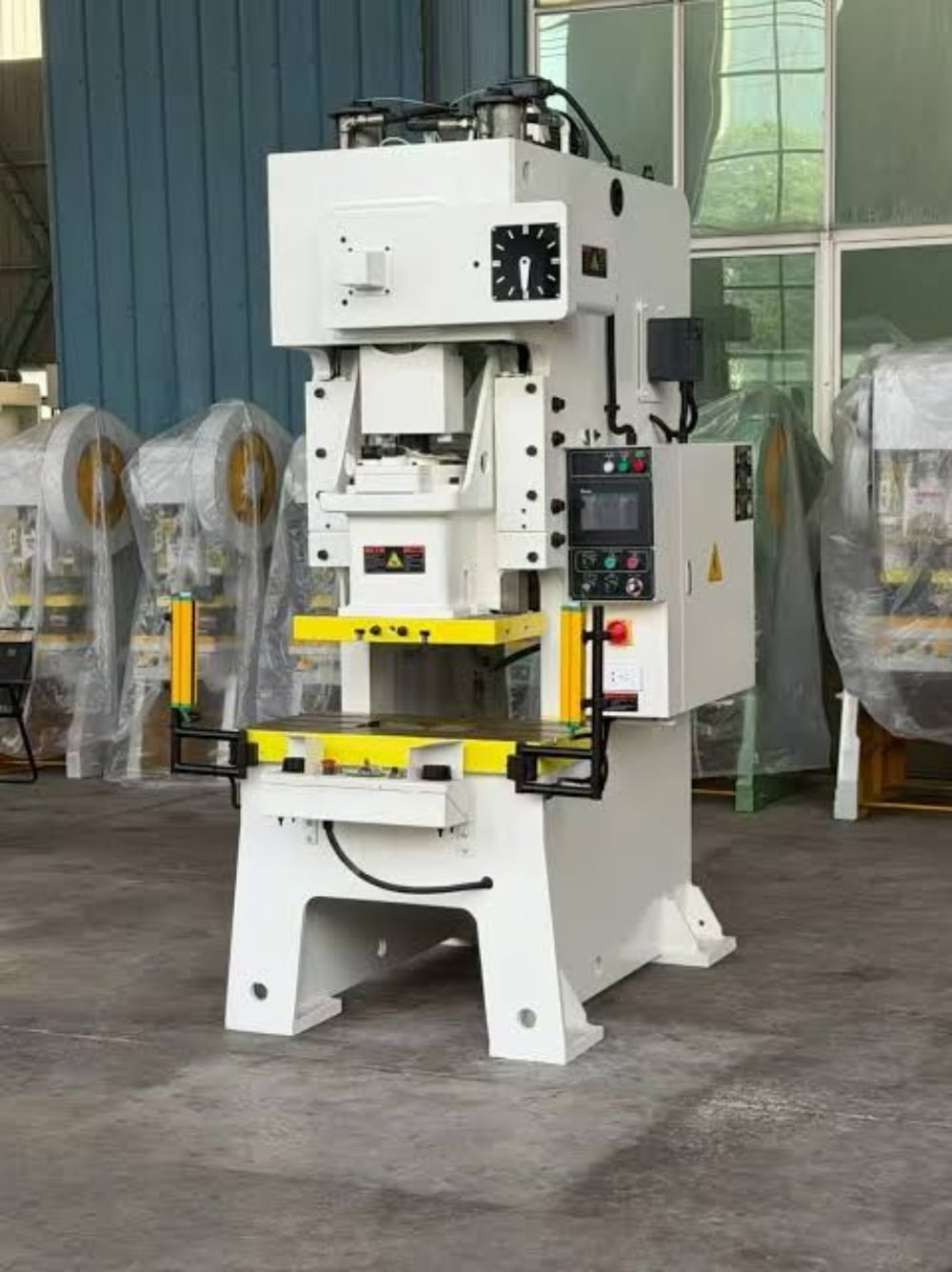
Calculating the required punching tonnage is a fundamental skill for any fabrication engineer. The formula is relatively straightforward but requires accurate data regarding the material properties. The basic formula is: Tonnage = (Perimeter of the shape) × (Material Thickness) × (Material Shear Strength) / 2000 (if using tons). The perimeter is the total length of the cut, while the shear strength is a material-specific constant usually provided by the supplier.
For example, if you are punching a circular hole with a diameter of 50mm in a 5mm thick mild steel plate with a shear strength of 350 MPa, the calculation would involve finding the circumference (π × 50mm ≈ 157mm) and multiplying it by the thickness and shear strength. It is crucial to add a safety factor of at least 20% to the final result to account for tool dullness and variations in material hardness. This ensures that the machine operates well within its capacity, prolonging its lifespan.
It is also important to consider the punch geometry. Using a shear on the punch face—a slight angle or concave shape—can significantly reduce the required tonnage by spreading the cutting force over a longer period. This is particularly useful when working with thicker materials or when the machine is operating near its maximum capacity. However, this may affect the quality of the slug and the flatness of the sheet, so it must be balanced against the desired finish.
Fabricators should also account for the stripping force, which is the force required to pull the punch out of the material after the hole is made. Generally, the stripping force is estimated to be about 10% to 20% of the punching force. If the machine does not have sufficient stripping capacity, the punch may remain stuck in the material, leading to downtime and potential damage to the ram or the sheet.
Punching Machine Parameter Table
| Parameter | Description | Typical Range |
|---|---|---|
| Nominal Tonnage | Maximum force exerted by the ram | 20 – 100 Tons |
| Throat Depth | Distance from punch center to frame | 500 – 1500 mm |
| Max Sheet Thickness | Maximum material gauge for punching | 0.5 – 12 mm |
| Stroke Rate | Cycles per minute (SPM) | 100 – 600 SPM |
| Positioning Accuracy | Tolerance of hole placement | ±0.05 – ±0.1 mm |
| Tooling Stations | Number of available tool positions | 6 – 32 Stations |
Common Engineering Mistakes in Punching
One of the most frequent mistakes in metal fabrication is the incorrect selection of punch-to-die clearance. Many operators assume that a tighter clearance is always better; however, insufficient clearance leads to excessive friction, heat buildup, and rapid tool wear. Conversely, excessive clearance results in large burrs and poor hole quality. Following the manufacturer’s recommended clearance charts based on material thickness and type is essential for optimal results.
Another common error is neglecting the maintenance of the lubrication system. Punching generates significant heat, and without proper lubrication, the punch and die can gall, leading to surface defects on the workpiece and potential tool breakage. Regular inspection of the oil levels and the condition of the lubrication nozzles is a simple yet effective way to prevent costly repairs. Furthermore, using the wrong type of lubricant for specific materials can lead to chemical reactions or residue buildup.
Ignoring the condition of the tooling is a recipe for disaster. A dull punch requires significantly more tonnage to pierce the material, which puts unnecessary strain on the machine’s drive system and frame. Operators should implement a strict tool sharpening schedule based on the number of hits rather than waiting for visible burrs to appear. A proactive approach to tool maintenance not only improves product quality but also reduces the overall cost of ownership.
Finally, failing to properly secure the workpiece is a major oversight. In CNC punching, if the clamps are not positioned correctly or if the sheet is not flat, the material can shift during the punching cycle. This not only ruins the part but can also cause the punch to strike the die off-center, leading to catastrophic tool damage. Always ensure that the sheet is properly clamped and that the machine’s safety sensors are functioning correctly before initiating a production run.
Selection Checklist for Metal Fabrication
When selecting a punching machine for your facility, start by defining your production requirements. Consider the maximum thickness and type of material you will be processing most frequently. If your work involves a wide variety of hole shapes and sizes, a turret punch press with an automatic tool changer is likely the best investment. For simpler, high-volume tasks, a single-station hydraulic machine may offer better value.
Evaluate the machine’s software compatibility. Modern CNC punching machines rely heavily on CAD/CAM software for nesting and tool path optimization. Ensure that the machine’s controller is compatible with your existing software ecosystem to minimize the learning curve and maximize efficiency. HARSLE provides comprehensive support to ensure seamless integration of our machines into your existing workflow.
Check the availability of spare parts and technical support. A machine is only as good as the support behind it. Choose a manufacturer with a proven track record of reliability and a robust service network. HARSLE prides itself on offering not just high-quality machinery, but also the technical expertise and spare parts availability to keep your production running smoothly for years to come.
Finally, consider the total cost of ownership, including energy consumption, maintenance requirements, and tooling costs. While a lower initial investment might seem attractive, the long-term savings associated with energy-efficient drives and durable, easy-to-maintain components often outweigh the upfront price. Always request a demonstration or a test run to see the machine in action and verify its performance against your specific fabrication needs.
FAQ: Punching Machine Technical Guide
What is the difference between mechanical and hydraulic punching machines?
Mechanical machines use a flywheel and clutch system to deliver force, offering high speeds but limited control over the stroke. Hydraulic machines use pressurized fluid, providing consistent force throughout the entire stroke and greater control, making them safer and more versatile for complex forming.
How often should I sharpen my punching tools?
Tool sharpening frequency depends on the material type, thickness, and the number of hits. As a rule of thumb, monitor the burr height on your parts. Once the burr exceeds 10% of the material thickness, it is time to sharpen the punch and die.
Can I use a punching machine for materials other than steel?
Yes, punching machines can process aluminum, copper, brass, and even certain plastics. However, you must adjust the tonnage calculations and tool clearances according to the material’s specific shear strength and hardness.
What is the importance of the die clearance?
Die clearance is the gap between the punch and the die. It is critical for the shearing process; correct clearance ensures a clean cut with minimal burrs and prevents the punch from binding in the die, which protects both the tooling and the machine.
How do I improve the efficiency of my punching operations?
Efficiency can be improved by optimizing nesting patterns to reduce material waste, using multi-tool stations to minimize tool changes, and implementing a proactive maintenance schedule to prevent unexpected downtime.












