
Mastering Press Brake Applications for Stainless Steel Fabrication and Heavy-Duty Parts


Introduction to High-Performance Metal Forming
In the modern landscape of industrial manufacturing, the precision and efficiency of metal forming processes are paramount. Among the most critical pieces of equipment in any fabrication shop is the press brake. When it comes to Press Brake Applications for Stainless Steel Fabrication and Heavy-Duty Parts, the requirements for accuracy, force, and material handling become significantly more complex. Stainless steel, known for its work-hardening properties and high tensile strength, demands specialized equipment that can maintain consistent pressure without compromising the structural integrity of the workpiece.
HARSLE has long been at the forefront of providing advanced metal fabrication solutions. Our hydraulic press brakes are engineered to handle the rigorous demands of heavy-duty industrial applications, ensuring that manufacturers can achieve tight tolerances even when working with thick-gauge stainless steel. Understanding the synergy between machine capability and material characteristics is the first step toward optimizing your production line.
This guide explores the technical nuances of bending stainless steel, the selection criteria for heavy-duty machinery, and the operational best practices that define industry-leading fabrication shops. Whether you are producing components for the aerospace, automotive, or construction sectors, mastering these applications is essential for maintaining a competitive edge in a global market.
Key Considerations for Stainless Steel Fabrication
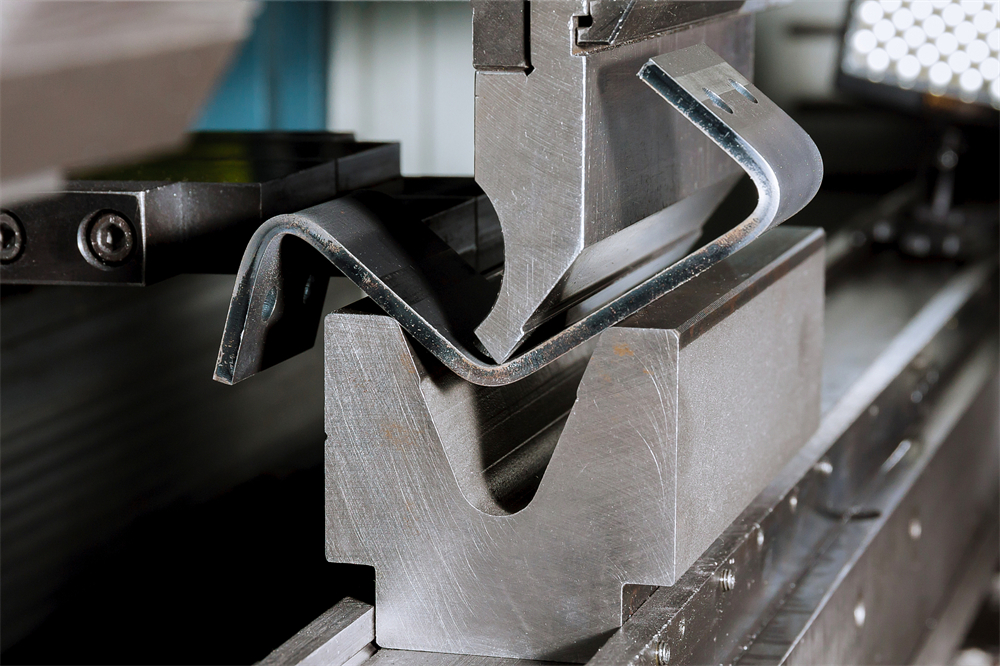
Stainless steel is not a monolithic material; it encompasses a wide range of alloys, each with unique mechanical properties. When performing Press Brake Applications Stainless Steel Fabrication and Heavy-Duty Parts, the most significant challenge is the material’s tendency to spring back. Unlike mild steel, stainless steel has a higher yield strength, meaning it requires more force to bend and will attempt to return to its original shape once the pressure is released. Fabricators must account for this spring-back by over-bending the material, a process that requires precise control over the ram’s depth.
Another critical factor is the surface finish of the stainless steel. Many heavy-duty parts are used in environments where aesthetics or corrosion resistance are vital. Scratches, die marks, or contamination from carbon steel tools can lead to surface oxidation, ruining the part’s integrity. Using specialized tooling, such as polyurethane films or polished dies, is essential to protect the surface during the bending process. Furthermore, the work-hardening nature of stainless steel means that the bending speed must be carefully calibrated to prevent the material from becoming too brittle at the bend line.
Thermal management also plays a role in heavy-duty fabrication. While bending is a cold-forming process, the immense pressure applied to thick stainless steel plates can generate localized heat. If the machine is not equipped with robust cooling systems or if the tooling is not properly maintained, this heat can affect the lubrication and the long-term wear of the machine components. HARSLE machines are designed with advanced thermal stability features to ensure consistent performance throughout long production shifts.
Finally, the selection of the correct bend radius is crucial. Stainless steel requires a larger minimum bend radius compared to softer metals to prevent cracking on the outer surface of the bend. Fabricators must consult material data sheets and use the correct V-die opening to ensure the bend radius is appropriate for the thickness of the material. Failure to adhere to these guidelines can lead to structural failure of the part under load, which is unacceptable in heavy-duty applications.
Technical Details of Heavy-Duty Bending
The technical requirements for heavy-duty press brake applications go beyond simple force. To achieve high-precision results, the machine must possess a rigid frame that minimizes deflection under load. When bending thick stainless steel, the force required can be immense, and any flexing in the machine’s side frames or bed will result in inconsistent bend angles across the length of the part. HARSLE utilizes high-tensile steel frames and advanced crowning systems to compensate for deflection, ensuring uniform bending pressure from one end of the die to the other.
The integration of CNC (Computer Numerical Control) systems has revolutionized Press Brake Applications. Modern controllers allow operators to input material properties, thickness, and desired bend angles, automatically calculating the necessary ram position and pressure. For heavy-duty parts, these systems often include multi-axis backgauges that can position large, awkward workpieces with sub-millimeter accuracy. This automation reduces the reliance on manual measurement and significantly decreases the risk of operator error, which is particularly important when handling expensive stainless steel sheets.
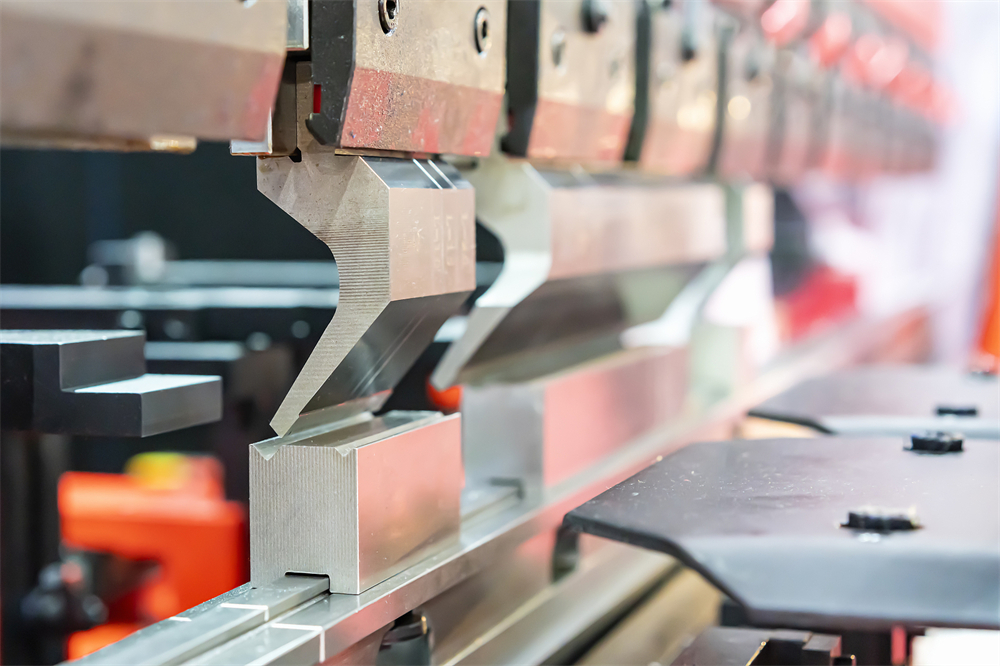
Tooling geometry is another technical pillar of successful fabrication. For heavy-duty parts, the punch and die must be made from high-grade, hardened tool steel to withstand the extreme compressive forces. The design of the punch tip radius and the V-die width must be optimized to minimize the force required and to ensure the material flows correctly during the bend. HARSLE offers a wide range of modular tooling solutions that can be quickly swapped to accommodate different part geometries, increasing the versatility of the press brake.
Hydraulic systems in heavy-duty press brakes must be capable of maintaining high pressure for extended periods. This involves the use of high-quality seals, valves, and pumps that can handle the stress of continuous operation. Furthermore, the synchronization of the two hydraulic cylinders is vital. If the cylinders are not perfectly synchronized, the ram will tilt, leading to uneven bends and potential damage to the machine. HARSLE’s closed-loop electronic synchronization systems ensure that the ram remains parallel to the bed throughout the entire stroke, regardless of the load distribution.
Selection Advice for Industrial Machinery
Selecting the right press brake for Press Brake Applications Stainless Steel Fabrication and Heavy-Duty Parts requires a thorough assessment of your current and future production needs. The first step is to determine the maximum material thickness and length you intend to process. It is always advisable to choose a machine with a slightly higher tonnage capacity than your current maximum requirement to allow for future growth and to ensure the machine is not constantly operating at its limit, which can accelerate wear and tear.
Consider the depth of the throat and the open height of the machine. Heavy-duty parts often have complex shapes with deep flanges that require significant clearance. A machine with a deep throat allows for larger parts to be manipulated without hitting the frame, while a generous open height provides the space needed for tall tooling setups. Additionally, evaluate the backgauge system. For heavy-duty parts, a multi-axis backgauge (4-axis or 6-axis) is highly recommended, as it allows for the bending of complex, non-linear parts that require precise positioning in multiple planes.
Energy efficiency and maintenance requirements should also be part of your decision-making process. Modern hydraulic press brakes are increasingly energy-efficient, utilizing variable frequency drives (VFDs) that adjust motor speed based on demand. This not only reduces electricity costs but also lowers the noise level in the shop. When evaluating a supplier, look for one that offers comprehensive after-sales support, including spare parts availability, remote technical assistance, and on-site training for your operators.
Finally, do not overlook the importance of safety features. Heavy-duty fabrication involves significant risks, and modern press brakes should be equipped with advanced safety systems such as laser light curtains, physical barriers, and emergency stop buttons that comply with international safety standards. Investing in a machine with integrated safety technology protects your workforce and reduces the likelihood of costly accidents and downtime.
Frequently Asked Questions (FAQ)
- What is the main difference between bending mild steel and stainless steel? Stainless steel has higher yield strength and a greater tendency to spring back, requiring more bending force and precise compensation in the CNC controller.
- How can I prevent surface damage when bending stainless steel? Use protective films, ensure your dies are clean and free of carbon steel particles, and consider using polyurethane inserts in the die.
- Why is machine rigidity important for heavy-duty parts? High rigidity prevents frame deflection under heavy loads, ensuring that the bend angle remains consistent across the entire length of the workpiece.
- What is the role of the crowning system? The crowning system compensates for the natural deflection of the bed and ram, ensuring the bend angle is uniform even when applying high tonnage.
- How often should I perform maintenance on my press brake? Regular maintenance, including hydraulic fluid checks, filter changes, and lubrication of moving parts, should be performed according to the manufacturer’s schedule to ensure long-term reliability.
Conclusion
Mastering Press Brake Applications for Stainless Steel Fabrication and Heavy-Duty Parts is a journey of precision, material knowledge, and equipment optimization. By understanding the unique challenges posed by stainless steel—such as spring-back and work-hardening—and by investing in high-quality, rigid, and technologically advanced machinery from HARSLE, fabricators can achieve superior results that meet the highest industrial standards. Whether you are scaling up your production or refining your existing processes, the right equipment and a commitment to best practices will ensure your success in the demanding world of metal fabrication.
As the industry continues to evolve, HARSLE remains dedicated to providing the tools and expertise necessary to push the boundaries of what is possible in metal forming. We invite you to explore our full range of hydraulic press brakes and discover how our solutions can transform your fabrication capabilities. For further technical guidance or to discuss your specific project requirements, our team of experts is always ready to assist you in selecting the perfect machine for your heavy-duty applications.


