
How CNC Press Brakes Expand Application Possibilities In Metalworking


How CNC Press Brakes Expand Application Possibilities In Metalworking
In the modern landscape of industrial manufacturing, the evolution of sheet metal processing has been nothing short of revolutionary. As industries demand higher precision, faster turnaround times, and more complex geometries, the role of advanced machinery has become paramount. Among these, CNC press brakes stand out as the cornerstone of modern fabrication shops. Understanding how CNC Press Brakes Expand Application Possibilities In Metalworking is essential for any business looking to remain competitive in a global market.
HARSLE has been at the forefront of this technological shift, providing high-performance machinery that bridges the gap between traditional craftsmanship and digital precision. By integrating sophisticated software with robust hydraulic systems, these machines allow fabricators to move beyond simple 90-degree bends into the realm of intricate, multi-stage forming that was once considered impossible or cost-prohibitive.
Key Considerations for Modern Metalworking
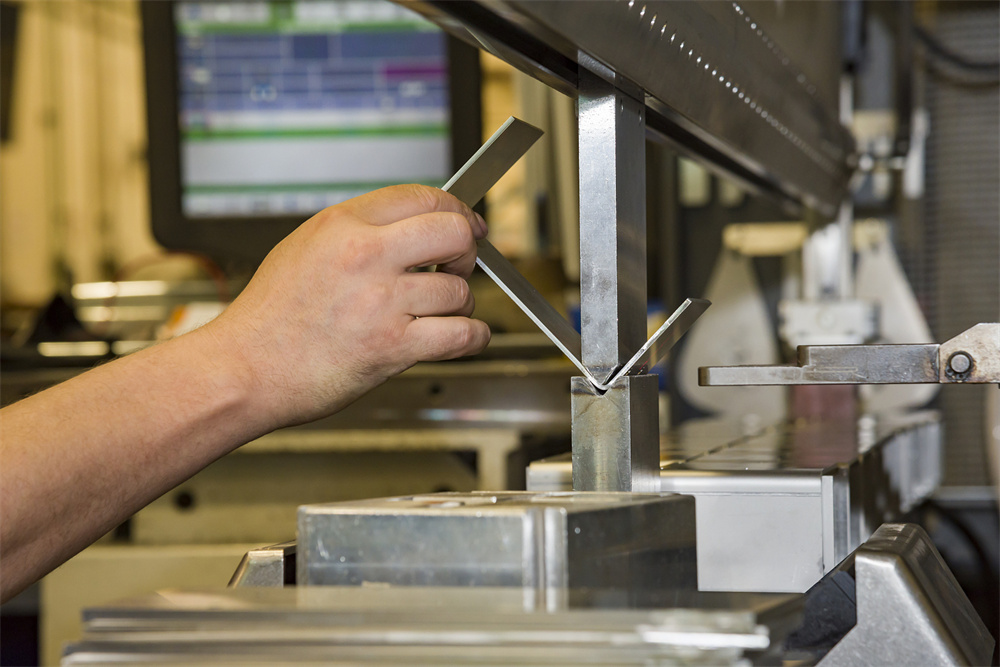
When evaluating the impact of CNC technology on metalworking, one must first consider the shift from manual labor to automated precision. Traditional press brakes relied heavily on the skill of the operator to manage backgauge positioning and ram depth. This often led to inconsistencies, especially in high-volume production runs where fatigue could compromise quality. CNC systems eliminate these variables by automating the entire bending sequence.
Material versatility is another critical factor. Modern CNC press brakes are designed to handle a vast array of materials, from standard mild steel to high-tensile stainless steel, aluminum, and even exotic alloys. The ability to program specific bend allowances and spring-back compensation for each material type ensures that the final product meets exact specifications every time. This flexibility allows shops to diversify their service offerings, taking on projects that require specialized material handling.
Efficiency and throughput are the primary drivers of profitability. CNC press brakes allow for complex programming that minimizes tool changes and setup times. With offline programming software, engineers can simulate the bending process before the metal ever touches the machine. This “first-part-good” capability drastically reduces waste, lowers material costs, and speeds up the transition from prototype to full-scale production.
Safety and ergonomics have also seen significant improvements. Modern machines are equipped with advanced laser guarding systems and light curtains that protect operators without hindering productivity. By reducing the physical strain associated with manual handling and providing a safer working environment, shops can retain skilled labor and maintain consistent output levels throughout the workday.
Technical Details of Advanced CNC Systems
At the heart of every CNC press brake is a sophisticated controller that manages the synchronization of the hydraulic cylinders. HARSLE’s advanced controllers utilize multi-axis control, allowing for the simultaneous movement of the ram and the backgauge. This synchronization is vital for achieving complex bends, such as those found in aerospace components, automotive chassis parts, and architectural panels.
The hydraulic system itself has evolved to provide greater energy efficiency and precision. Proportional valve technology allows for micro-adjustments in pressure and speed, ensuring that the bending force is applied consistently across the entire length of the bed. This is particularly important when working with long, thin sheets that are prone to deflection. The integration of crowning systems—whether mechanical or hydraulic—further ensures that the bend angle remains uniform, regardless of the material thickness or length.
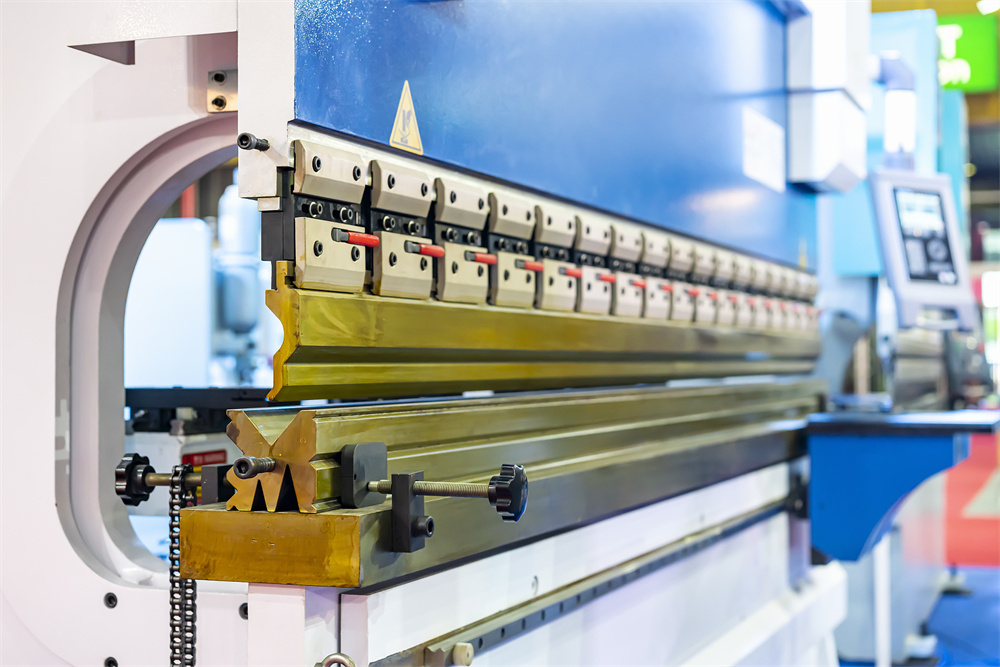
Tooling technology has also advanced in tandem with machine capabilities. Quick-change clamping systems allow operators to swap out punches and dies in seconds rather than minutes. This modularity is essential for shops that handle high-mix, low-volume production. Furthermore, the use of hardened, precision-ground tooling ensures that the machine can maintain its accuracy over thousands of cycles, reducing the need for frequent recalibration.
Connectivity and Industry 4.0 integration represent the next frontier. Modern CNC press brakes can now communicate with other machines in the production line, such as laser cutters and robotic loading systems. This data exchange allows for real-time monitoring of machine health, production status, and energy consumption. By leveraging this data, shop managers can identify bottlenecks, optimize workflows, and predict maintenance needs before a breakdown occurs.
Deep Dive: Expanding Application Horizons
The true power of CNC press brakes lies in their ability to handle complex geometries that were previously labor-intensive. For instance, in the HVAC industry, CNC press brakes allow for the rapid production of complex ductwork with precise angles, ensuring airtight seals. In the furniture industry, manufacturers use these machines to create seamless, aesthetically pleasing metal frames that require multiple bends in a single sheet of metal.
Furthermore, the automotive sector relies heavily on CNC press brakes for lightweighting initiatives. By forming high-strength, thin-gauge materials into complex shapes, manufacturers can reduce vehicle weight without sacrificing structural integrity. This is only possible because CNC controllers can precisely calculate the spring-back of these advanced materials, a feat that would be nearly impossible for a manual operator to replicate consistently.
Selection Advice for Fabricators
Choosing the right CNC press brake is a significant investment that requires careful analysis of your current and future production needs. The first step is to define your maximum bending length and tonnage requirements. While it may be tempting to purchase the largest machine available, it is often more cost-effective to select a machine that fits your typical project size while allowing for occasional larger jobs. Over-specifying can lead to unnecessary energy costs and a larger shop floor footprint.
Consider the number of axes you require. A standard 3-axis machine (Y1, Y2, X) is sufficient for many basic applications, but if you are involved in complex forming, you may need a 6-axis or 8-axis machine. Additional axes for the backgauge (R-axis, Z-axis) allow for more complex part geometries and faster positioning, which can significantly reduce cycle times for intricate parts.
Software compatibility is another crucial consideration. Ensure that the controller is compatible with your existing CAD/CAM software. The ability to import 3D models directly into the press brake controller simplifies the programming process and reduces the risk of human error. Look for machines that offer intuitive interfaces, as this will reduce the training time for your operators and allow them to become productive more quickly.
Finally, evaluate the support and service provided by the manufacturer. A press brake is a long-term asset, and you need a partner who can provide timely technical support, spare parts, and maintenance services. HARSLE prides itself on offering comprehensive after-sales support, ensuring that your equipment remains operational and productive throughout its lifecycle.
Maintenance Best Practices for Longevity
To ensure your CNC press brake continues to expand your application possibilities, a rigorous maintenance schedule is non-negotiable. Daily checks should include inspecting the hydraulic oil levels and ensuring the cooling system is functioning correctly. Weekly, operators should clean the backgauge rails and apply fresh lubricant to prevent friction-related wear. Monthly, it is advisable to check the alignment of the punch and die, as even minor misalignments can lead to uneven bends and premature tooling wear. Finally, annual professional calibration by a certified technician is essential to maintain the high-precision standards required for modern manufacturing.
FAQ: Understanding CNC Press Brakes
What is the main advantage of a CNC press brake over a manual one?
The primary advantage is precision and repeatability. CNC systems automate the bending process, ensuring that every part is identical, which is critical for assembly and quality control. They also allow for faster setup and the ability to perform complex, multi-bend sequences that would be difficult or impossible manually.
How do I determine the tonnage required for my projects?
Tonnage is determined by the material thickness, the length of the bend, and the V-opening of the die. You can use a tonnage chart or a bending force calculator to estimate the required force. It is always advisable to consult with the manufacturer to ensure the machine you choose can handle your specific material requirements.
Can CNC press brakes be integrated with robots?
Yes, modern CNC press brakes are designed for robotic integration. Robotic cells can handle loading, bending, and unloading, allowing for 24/7 production and increased safety in high-volume environments.
What maintenance is required for a CNC press brake?
Regular maintenance includes checking hydraulic fluid levels, cleaning and lubricating the backgauge rails, inspecting the tooling for wear, and ensuring that the electrical components are free from dust and debris. Following the manufacturer’s maintenance schedule is key to longevity.
How does offline programming benefit my shop?
Offline programming allows your engineers to create bending programs on a computer while the machine is busy producing parts. This eliminates machine downtime during the programming phase and allows for virtual simulation to catch potential collisions before they happen on the shop floor.
Conclusion
The integration of CNC technology into metal fabrication has fundamentally changed the industry. As we have explored, CNC Press Brakes Expand Application Possibilities In Metalworking by providing the precision, speed, and versatility required to meet modern manufacturing demands. From aerospace to automotive and architectural design, these machines enable fabricators to push the boundaries of what is possible with sheet metal.
By investing in high-quality equipment from a trusted manufacturer like HARSLE, businesses can improve their operational efficiency, reduce waste, and expand their service capabilities. Whether you are a small job shop or a large-scale manufacturer, understanding the technical capabilities and selection criteria for CNC press brakes is the first step toward achieving long-term success in the competitive world of metal fabrication. The future of metalworking is digital, precise, and highly automated—and the CNC press brake is the engine driving this transformation.












