
How to Troubleshoot Low Punching Force In A Metal Punching Machine: A Comprehensive HARSLE Guide


Introduction
In the high-stakes world of metal fabrication, precision and power are the cornerstones of productivity. When your equipment fails to deliver the expected output, it doesn’t just slow down your workflow; it impacts your bottom line. Learning how to troubleshoot low punching force in a metal punching machine is an essential skill for any shop floor manager or maintenance technician. At HARSLE, we understand that downtime is the enemy of efficiency, and identifying the root cause of a force deficit is the first step toward restoring peak operational performance.
Low punching force can manifest in several ways: incomplete holes, burrs on the edges of the workpiece, or the machine stalling mid-cycle. Whether you are operating a mechanical or hydraulic punching system, the underlying causes often stem from a combination of hydraulic pressure issues, mechanical wear, or electrical control errors. This guide provides a systematic approach to diagnosing these problems, ensuring your HARSLE equipment remains a reliable workhorse in your facility.
Before diving into the technical diagnostics, it is crucial to emphasize safety. Always ensure the machine is locked out and tagged out (LOTO) before performing any internal inspections or adjustments. High-pressure hydraulic systems and heavy mechanical components pose significant risks if handled improperly. By following the structured troubleshooting steps outlined below, you can safely isolate the problem and implement effective solutions.
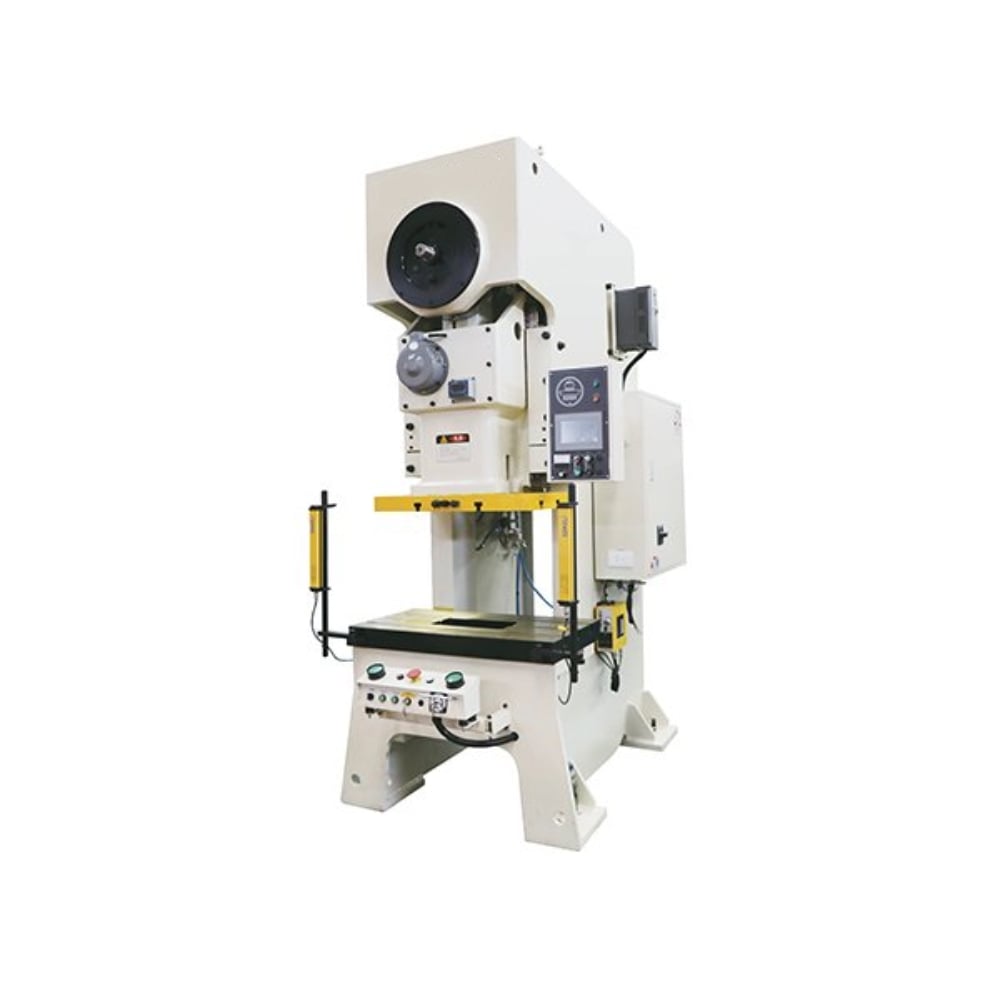
Key Considerations for Punching Force Diagnostics
When you begin to troubleshoot low punching force in a metal punching machine, the first step is to establish a baseline. Is the issue occurring across all materials, or is it specific to a certain thickness or grade of steel? If the machine struggles only with thicker plates, the issue might be related to the machine’s rated capacity rather than a mechanical failure. Always verify that the material being processed is within the specifications provided in your HARSLE operation manual.
Environmental factors also play a significant role in machine performance. Hydraulic oil viscosity, for instance, is highly sensitive to temperature. If your shop floor is particularly cold, the oil may be too thick, leading to sluggish response times and reduced pressure. Conversely, if the oil is overheating, it may lose its lubricating properties and pressure-holding capacity. Monitoring the temperature of your hydraulic reservoir is a simple yet effective diagnostic step.
Another key consideration is the condition of the tooling. Dull punches and dies require significantly more force to penetrate the material than sharp ones. As the cutting edge wears down, the clearance between the punch and die increases, leading to poor hole quality and increased stress on the machine’s drive system. Regular inspection of your tooling is not just a maintenance task; it is a critical component of force management.
Finally, consider the electrical and control systems. Modern punching machines rely on sophisticated sensors and PLC (Programmable Logic Controller) logic to manage force application. If the machine’s software is receiving incorrect data from pressure transducers or limit switches, it may prematurely terminate the punching stroke or fail to reach the required tonnage. Ensuring that your control parameters are correctly set is vital before assuming a mechanical failure.
Technical Details: Pinpointing the Root Cause
To effectively troubleshoot low punching force in a metal punching machine, you must examine the hydraulic circuit. The hydraulic pump is the heart of your machine. If the pump is worn or if the internal seals are leaking, it will fail to build the necessary pressure to drive the punch through the material. Use a calibrated pressure gauge to test the system pressure at the pump outlet and compare it to the manufacturer’s specifications. If the pressure is low, the pump may require an overhaul or replacement.
The hydraulic relief valve is another common culprit. This valve is designed to protect the system from over-pressurization, but if it is set too low or if the spring has weakened over time, it will bypass oil back to the reservoir before the machine can reach its maximum force. Adjusting the relief valve should only be done by a qualified technician using a pressure gauge to ensure the settings remain within safe operating limits.
Mechanical linkages and guides must also be inspected. If the ram guides are worn or misaligned, the punch may not be entering the die squarely. This misalignment creates lateral forces that consume energy and reduce the effective punching force. Check the lubrication levels on all sliding surfaces. A lack of grease or oil in the guide ways can lead to increased friction, which directly subtracts from the force available for the actual punching operation.
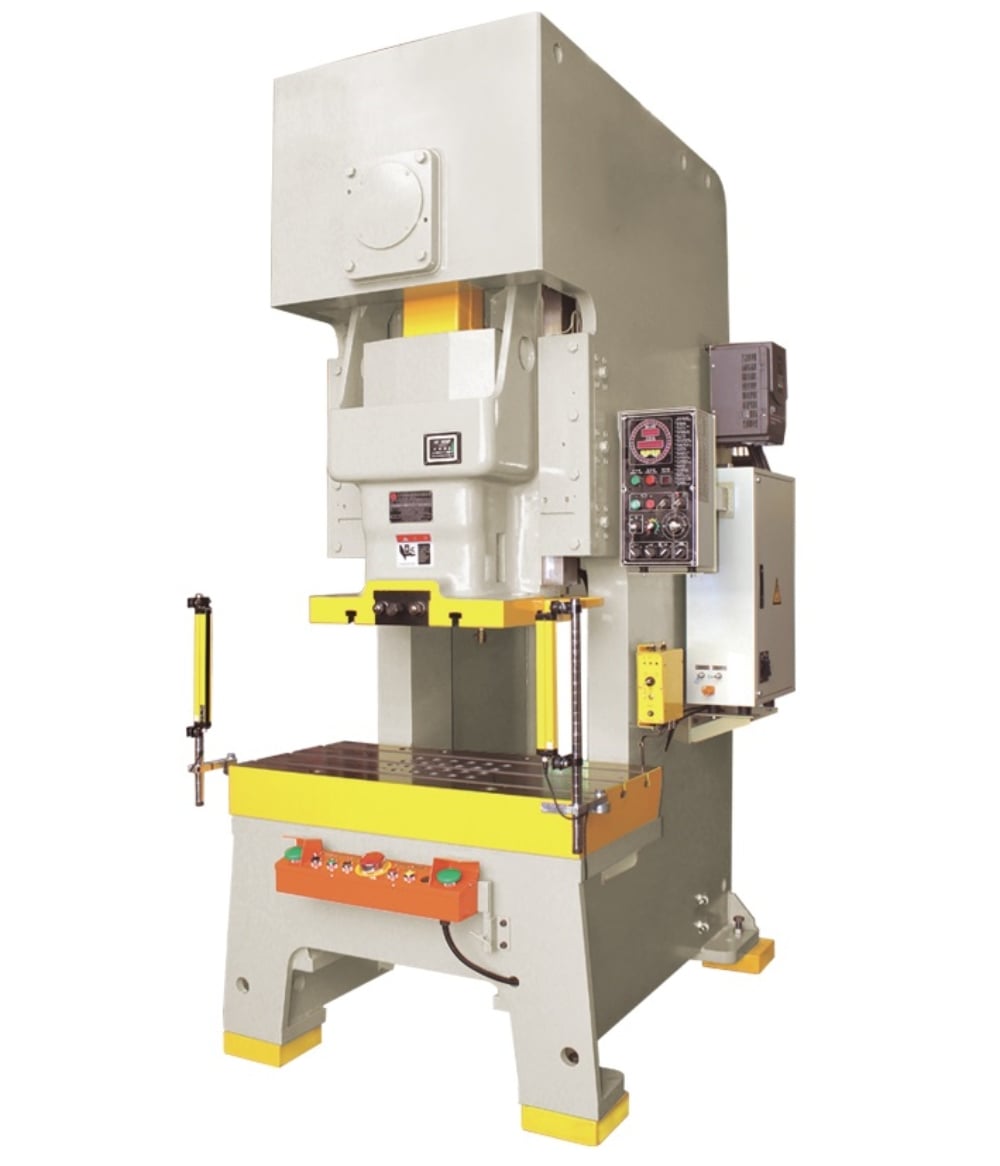
Electrical components, specifically the solenoid valves, control the flow of hydraulic fluid to the cylinders. If a solenoid is failing to open fully, it will restrict the flow of oil, resulting in a slow or weak stroke. Check the electrical connections to these valves for signs of corrosion or loose wiring. Additionally, ensure that the PLC is sending the correct signals to the valves during the punching cycle. A faulty output card on your controller could be the hidden cause of your force issues.
Lastly, consider the condition of the hydraulic fluid itself. Contaminated oil, containing metal shavings or debris, can clog filters and damage sensitive valves. If your oil appears cloudy or has a burnt smell, it is time for a complete system flush and filter replacement. Clean, high-quality hydraulic oil is essential for maintaining the pressure required for heavy-duty punching tasks.
Selection Advice: Choosing the Right Machine for Your Needs
When you are in the market for a new machine or looking to upgrade, understanding the factors that lead to low punching force can help you make a better selection. Always choose a machine with a tonnage rating that exceeds your maximum expected requirement by at least 20%. This “headroom” ensures that the machine is not constantly operating at its limit, which reduces wear and tear on the hydraulic system and extends the lifespan of the components.
Consider the type of drive system that best suits your production environment. Hydraulic punching machines offer consistent force throughout the stroke, making them ideal for thick materials and complex shapes. Mechanical machines, while faster, may have different force characteristics. HARSLE offers a range of both, and our experts can help you determine which technology aligns with your specific material throughput and force requirements.
Look for machines that feature advanced diagnostic capabilities. Modern HARSLE punching machines come equipped with digital interfaces that provide real-time feedback on pressure, cycle times, and error codes. These features make it significantly easier to troubleshoot low punching force in a metal punching machine, as the system can often point you directly to the faulty component or sensor.
Finally, evaluate the availability of spare parts and technical support. A machine is only as good as the support behind it. HARSLE provides comprehensive documentation and a global network of service technicians to ensure that if you do encounter a force issue, you have the resources to resolve it quickly. Investing in a reputable brand is the best way to avoid the frustration of persistent performance issues.
FAQ: Common Questions About Punching Force
- Q: Why does my machine punch fine on thin material but fail on thick material?
A: This is often a sign of a failing hydraulic pump or a relief valve that is set too low. The machine may have enough pressure for light work but cannot sustain the high pressure required for thicker gauges. - Q: How often should I check my hydraulic oil?
A: We recommend checking the oil level weekly and performing a full oil and filter change every 1,000 to 2,000 operating hours, depending on the intensity of your usage. - Q: Can dull tooling cause the machine to stall?
A: Yes. Dull tooling increases the required force significantly. If the force required exceeds the machine’s capacity, the machine will stall or trigger an overload protection mechanism. - Q: Is it safe to adjust the pressure relief valve myself?
A: Only if you have the proper training and a calibrated pressure gauge. Incorrectly setting this valve can lead to catastrophic machine failure or safety hazards. - Q: What is the most common cause of sudden force loss?
A: A sudden loss of force is usually caused by a mechanical failure in the hydraulic system, such as a blown seal, a burst hose, or a stuck solenoid valve.
Conclusion
Troubleshooting low punching force in a metal punching machine is a process of elimination that requires a methodical approach. By examining the hydraulic system, inspecting your tooling, and verifying the electrical control signals, you can identify the root cause of the performance drop and implement a lasting solution. Remember that regular maintenance is the most effective way to prevent these issues from occurring in the first place.
At HARSLE, we are committed to providing the metal fabrication industry with high-quality, reliable machinery. We understand that your success depends on the performance of your equipment, and we are here to support you through every stage of your machine’s lifecycle. Whether you are performing routine maintenance or diagnosing a complex technical issue, use this guide as your roadmap to restoring the power and precision your shop demands.
If you find that the issue persists after following these steps, do not hesitate to contact the HARSLE technical support team. Our experts are ready to assist you with advanced diagnostics and genuine replacement parts, ensuring that your punching machine returns to peak productivity as quickly as possible. Keep your shop running strong, and never settle for anything less than the full force your HARSLE machine was designed to deliver.


