
Punching Machine Maintenance Checklist: Daily, Weekly, and Monthly Care for Better Performance


The Critical Importance of a Punching Machine Maintenance Checklist
In the high-stakes world of metal fabrication, the punching machine serves as the backbone of production efficiency. Whether you are operating a high-speed CNC turret punch or a robust hydraulic punching press, the equipment represents a significant capital investment. Implementing a rigorous Punching Machine Maintenance Checklist: Daily, Weekly, Monthly Care Better Performance is not merely a suggestion; it is a fundamental requirement for operational longevity. When machines are neglected, the cost of unplanned downtime, emergency repairs, and compromised part quality can quickly erode profit margins.
Regular maintenance ensures that the mechanical, hydraulic, and electrical systems remain in harmony. By adhering to a structured schedule, operators can identify micro-failures before they escalate into catastrophic system breakdowns. This proactive approach minimizes the risk of tool breakage, prevents hydraulic fluid contamination, and ensures that the machine maintains the tight tolerances required for precision metal fabrication. A well-maintained machine is also a safer machine, reducing the likelihood of workplace accidents caused by malfunctioning components or erratic movements.
Furthermore, consistent care directly impacts the resale value and overall lifecycle of your HARSLE equipment. Machines that undergo documented, routine maintenance retain their accuracy and speed far longer than those subjected to reactive repair cycles. By treating maintenance as a core component of your production workflow, you transform your facility into a high-performance environment where output is predictable and quality is guaranteed. This guide provides the technical framework necessary to establish a world-class maintenance culture in your shop.
Daily Inspection: The First Line of Defense
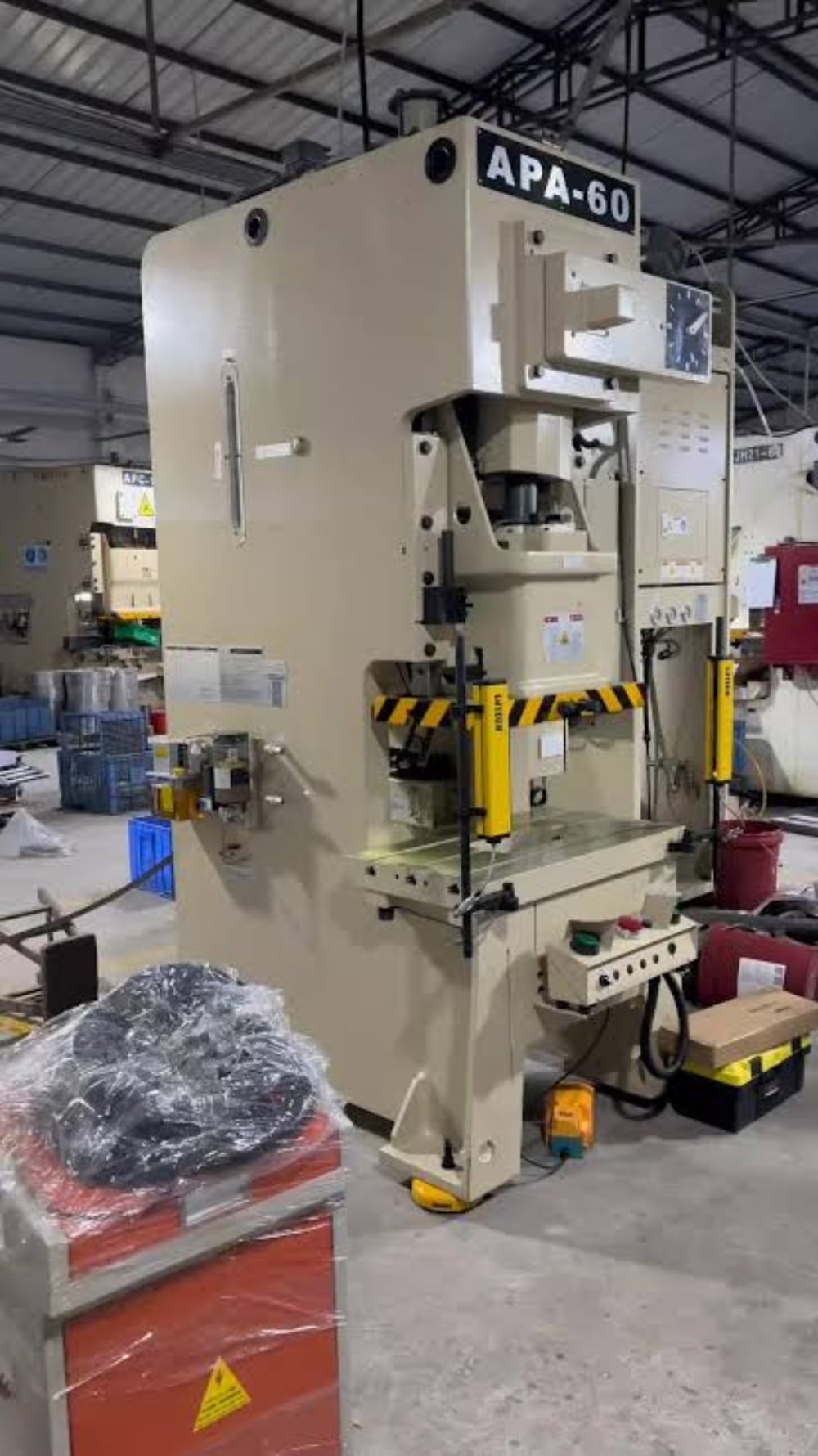
The daily inspection is the most critical phase of your maintenance strategy. It is designed to catch immediate issues that could affect the day’s production run. Before the machine is powered up, the operator should perform a visual walkthrough. Check for any loose bolts, unusual debris around the tool stations, or signs of fluid leaks under the machine base. A clean machine is easier to inspect, so ensure that the work area is free of scrap metal and dust before starting the shift.
Once the machine is powered on, listen carefully to the startup sequence. Unusual grinding noises, high-pitched squeals, or erratic vibrations during the initial cycle are often early indicators of bearing wear or lubrication failure. Check the hydraulic pressure gauges to ensure they are within the manufacturer’s specified operating range. If the pressure fluctuates or fails to reach the set point, do not proceed with production until the cause is identified and rectified.
The tool stations require specific daily attention. Inspect the punch and die sets for signs of chipping, galling, or excessive wear. Even minor damage to the cutting edge can lead to burrs on the finished part and increased stress on the machine frame. Clean the tool holders and ensure that the stripper plates are moving freely. If the stripper plate is sticking, it can cause the punch to pull the sheet metal upward, leading to potential damage to the tool or the workpiece.
Finally, verify the functionality of all safety interlocks and emergency stop buttons. This is a non-negotiable daily task. Test the light curtains or physical barriers to ensure they trigger an immediate machine halt. Document these checks in a daily logbook. If an operator finds a discrepancy, it must be reported to the maintenance supervisor immediately. A culture of accountability during the daily inspection phase prevents small problems from becoming expensive, time-consuming repairs.
Hydraulic, Electrical, and Mechanical Checks
The heart of a hydraulic punching machine lies in its fluid power system. Weekly, you must inspect the hydraulic oil levels and the condition of the fluid itself. If the oil appears cloudy or milky, it indicates water contamination, which can destroy seals and valves. Check the hydraulic hoses for any signs of cracking, bulging, or weeping at the fittings. High-pressure leaks are not only a fire hazard but also a major cause of pressure loss, which directly impacts the punching force and accuracy.
Electrical systems require a different approach. Weekly, inspect the electrical cabinet for dust accumulation. Dust acts as an insulator, trapping heat inside the cabinet and potentially causing sensitive electronic components like PLCs and motor drives to overheat. Use a vacuum or compressed air (with caution) to clean the cabinet, ensuring that all connections are tight. Loose electrical terminals are a common cause of intermittent machine errors and communication failures between the controller and the actuators.
Mechanical components, particularly the drive systems and guide rails, need consistent attention. Check the lubrication levels on all linear guides and ball screws. If the machine uses an automatic lubrication system, verify that the pump is cycling correctly and that oil is reaching all designated points. Manually check for any play or backlash in the mechanical linkages. If the machine exhibits “slop” or inaccuracy in positioning, it is often a sign that the drive components have worn beyond their tolerance limits and require adjustment or replacement.
Pay close attention to the turret or tool changer mechanism. These are high-wear areas that experience significant mechanical stress. Ensure that the indexing mechanism is locking into position with precision. If the turret is slightly misaligned, the punch will not enter the die correctly, leading to rapid tool degradation and potential damage to the machine’s ram. Regular alignment checks using precision gauges are essential for maintaining the high-quality output expected from HARSLE equipment.
Comprehensive Lubrication Plan
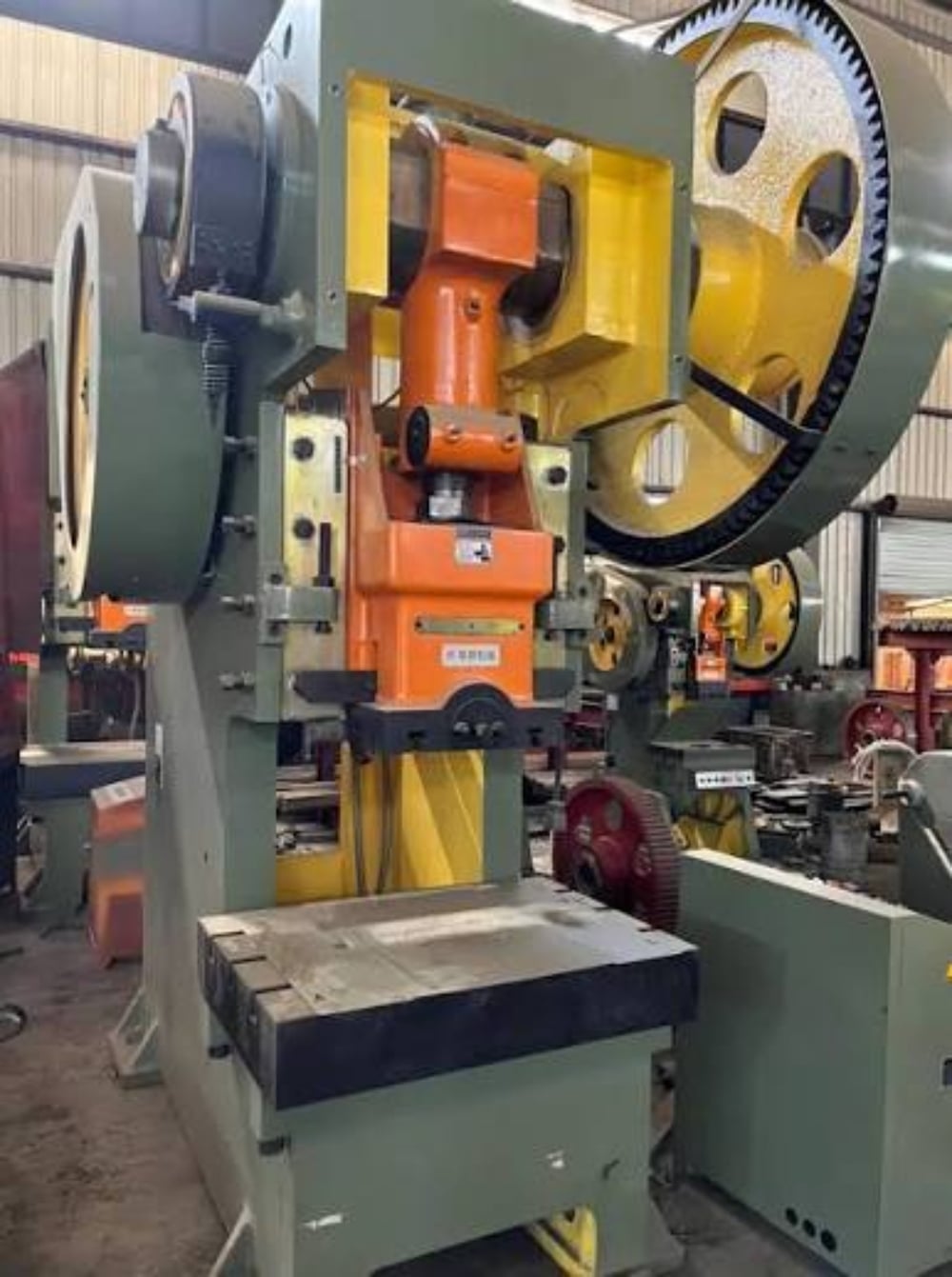
A robust lubrication plan is the lifeblood of any industrial punching machine. Friction is the enemy of precision, and without proper lubrication, metal-on-metal contact will cause rapid wear on guide rails, gears, and bearings. Your lubrication schedule should be based on the machine’s operating hours rather than just a calendar date. High-usage machines will require more frequent lubrication than those running intermittent shifts.
Start by identifying all lubrication points on the machine. These typically include the ram guides, the turret rotation bearings, the ball screws, and the hydraulic pump assembly. Use only the lubricants specified by the manufacturer. Substituting with generic grease or oil can lead to chemical incompatibility, which may cause the lubricant to break down or clog the delivery lines. Keep a detailed log of when each point was last lubricated and the type of lubricant used.
For automatic lubrication systems, check the reservoir levels weekly. Ensure that the distribution blocks are not clogged and that every line is delivering the correct amount of oil. If you notice that one area of the machine is running dry while others are over-lubricated, investigate the distribution manifold immediately. Over-lubrication can be just as harmful as under-lubrication, as it can attract dust and debris, creating an abrasive paste that accelerates wear.
Finally, consider the environmental conditions of your shop. If your facility is particularly dusty or operates in high-temperature environments, you may need to shorten the intervals between lubrication cycles. Periodically flush the lubrication lines to remove any accumulated contaminants. By maintaining a clean and consistent lubrication regimen, you significantly extend the service life of the machine’s most expensive moving parts, ensuring smooth operation for years to come.
Troubleshooting Signals: When to Call for Help
Even with the best maintenance, machines will occasionally signal that something is wrong. Recognizing these signals early is the difference between a minor adjustment and a major overhaul. One of the most common signals is a change in the sound profile of the machine. A rhythmic thumping, a high-pitched whine, or a sudden change in the tone of the hydraulic pump are all red flags. Do not ignore these sounds; they are the machine’s way of communicating internal stress.
Another signal is a decline in part quality. If you notice burrs appearing on parts that were previously clean, or if the hole dimensions are drifting outside of tolerance, the issue is likely related to tool wear or machine alignment. Check the punch-to-die clearance first. If the clearance is correct, inspect the ram for any lateral movement or “wobble.” If the ram is not stable, the machine may require a professional service technician to recalibrate the guides.
Electrical errors on the HMI (Human Machine Interface) should be documented and analyzed. If the machine throws the same error code repeatedly, even after a reset, it indicates a persistent fault in a sensor, cable, or controller board. Do not simply clear the error and continue working. Use the machine’s diagnostic menu to identify the specific component triggering the fault. If you are unsure about the electrical diagnosis, contact HARSLE support to avoid damaging the control system.
Finally, monitor the machine’s cycle time. If the machine is consistently slower than its baseline performance, it could be due to hydraulic pressure drops, clogged filters, or software-related issues. A gradual decline in speed is often overlooked, but it is a clear indicator that the system is struggling to maintain its rated performance. By tracking these signals, you can move from a reactive maintenance model to a predictive one, saving thousands in potential downtime costs.
Maintenance Schedule Table
| Frequency | Task Description | Component |
|---|---|---|
| Daily | Visual inspection for leaks/debris | Entire Machine |
| Daily | Check tool condition and alignment | Punch/Die Stations |
| Daily | Test safety interlocks/E-stops | Safety System |
| Weekly | Check hydraulic oil level/quality | Hydraulic System |
| Weekly | Clean electrical cabinet filters | Electrical System |
| Weekly | Lubricate manual grease points | Mechanical Linkages |
| Monthly | Inspect hoses and fittings | Hydraulic Lines |
| Monthly | Check for backlash/play | Drive System |
| Monthly | Backup machine parameters/programs | CNC Controller |
| Quarterly | Full system calibration | Precision Components |
Frequently Asked Questions (FAQ)
How often should I change the hydraulic oil in my punching machine?
Generally, hydraulic oil should be changed every 2,000 to 4,000 operating hours, or once a year, whichever comes first. However, if your oil analysis shows signs of contamination or thermal degradation, you should change it sooner. Always use the oil grade recommended by HARSLE to ensure compatibility with your pump and valve seals.
What should I do if my punch is sticking in the material?
A sticking punch is usually caused by improper punch-to-die clearance, dull tooling, or a worn stripper spring. First, check that the clearance is appropriate for the material thickness. If the clearance is correct, inspect the punch for wear. If the punch is dull, replace or sharpen it. Also, ensure the stripper plate is applying sufficient pressure to hold the material down during the retraction stroke.
Can I use compressed air to clean the machine?
While compressed air is effective for removing debris, use it with caution. Avoid blowing air directly into electrical cabinets, as this can force conductive dust into sensitive components. Always wear eye protection and ensure that you are not blowing debris into the machine’s guide rails or lubrication points, where it could cause damage.
Why is my machine losing accuracy over time?
Loss of accuracy is typically caused by wear in the mechanical drive components, such as ball screws or linear guides, or by a misalignment of the turret. It can also be caused by loose mounting bolts or a shift in the machine’s foundation. Start by checking the mechanical linkages for backlash and then perform a calibration check to verify the machine’s positioning accuracy.
How do I know if my tooling is worn out?
Signs of worn tooling include increased burr height on the bottom of the punched part, excessive noise during the punching cycle, and a noticeable increase in the force required to punch the material. If you see galling (material sticking to the punch) or chipping on the cutting edges, the tool should be removed from service immediately for sharpening or replacement.
By following this comprehensive maintenance guide, you ensure that your HARSLE punching machine remains a reliable and productive asset for your metal fabrication business. Consistent care, combined with a proactive mindset, will maximize your return on investment and keep your production line running smoothly.












