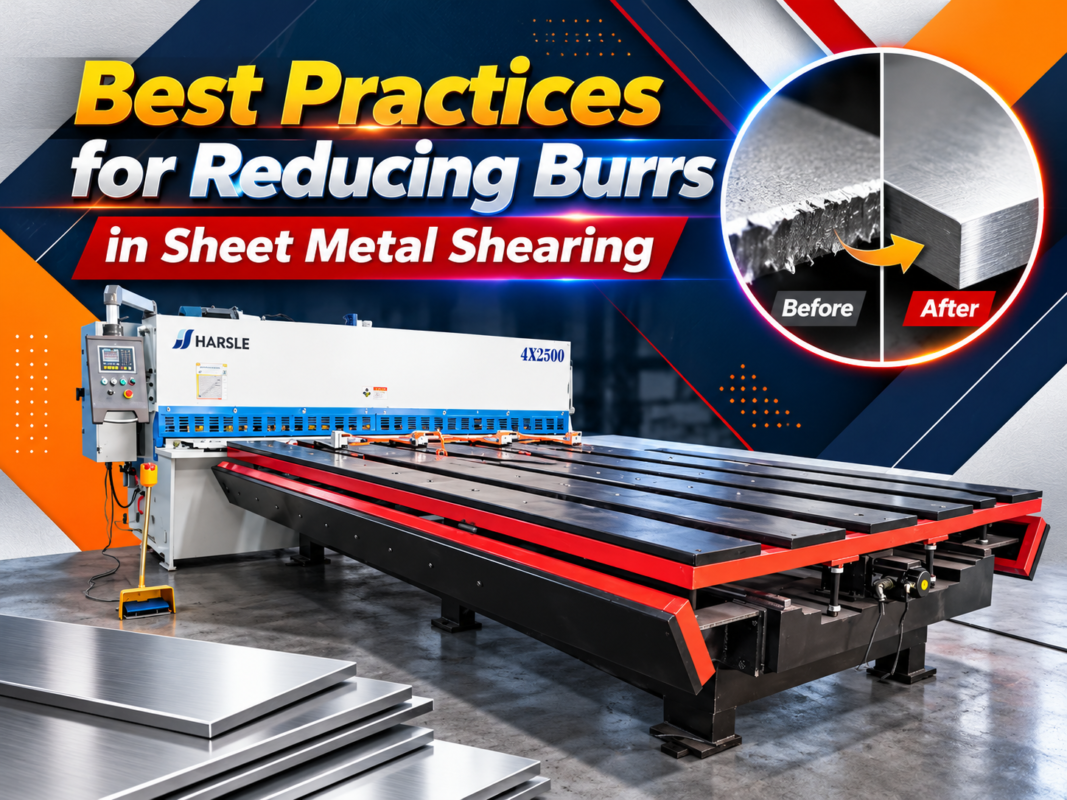
Essential Shearing Machine Maintenance Steps Every Operator Should Follow


The Critical Importance of Shearing Machine Maintenance
In the high-stakes environment of modern metal fabrication, the shearing machine serves as the backbone of production. Whether you are operating a guillotine shear or a swing beam model, the precision of your output depends entirely on the health of the equipment. Neglecting routine care leads to burred edges, inaccurate dimensions, and, in worst-case scenarios, catastrophic mechanical failure that halts production lines for days. Understanding the Essential Shearing Machine Maintenance Steps Every Operator Should Follow is not just about extending the lifespan of the machine; it is about ensuring the safety of the workforce and the quality of the final product.
HARSLE emphasizes that maintenance is an investment, not an expense. When a shearing machine is properly maintained, it operates with lower energy consumption, produces less noise, and maintains the tight tolerances required for high-end industrial applications. Conversely, a neglected machine experiences increased friction, overheating of hydraulic components, and rapid blade degradation. By integrating a structured maintenance protocol into your daily workflow, you mitigate the risks of unplanned downtime and significantly reduce the total cost of ownership over the machine’s lifecycle.
Furthermore, consistent maintenance allows operators to identify minor issues before they escalate into major repairs. A loose bolt, a slightly misaligned backgauge, or a minor hydraulic weep are simple fixes when caught early. If ignored, these small issues can cause structural stress, leading to expensive component replacements. This guide serves as a comprehensive roadmap for operators and maintenance managers to standardize their care routines, ensuring that your HARSLE equipment remains a reliable asset for years to come.
Finally, consider the impact of maintenance on resale value and compliance. Industrial machinery that comes with a documented service history is significantly more valuable in the secondary market. Moreover, many insurance providers and safety regulatory bodies require proof of regular maintenance to maintain coverage and compliance. By following these essential steps, you are protecting your business from both operational and legal liabilities, ensuring that your shop remains a leader in the competitive metal fabrication sector.
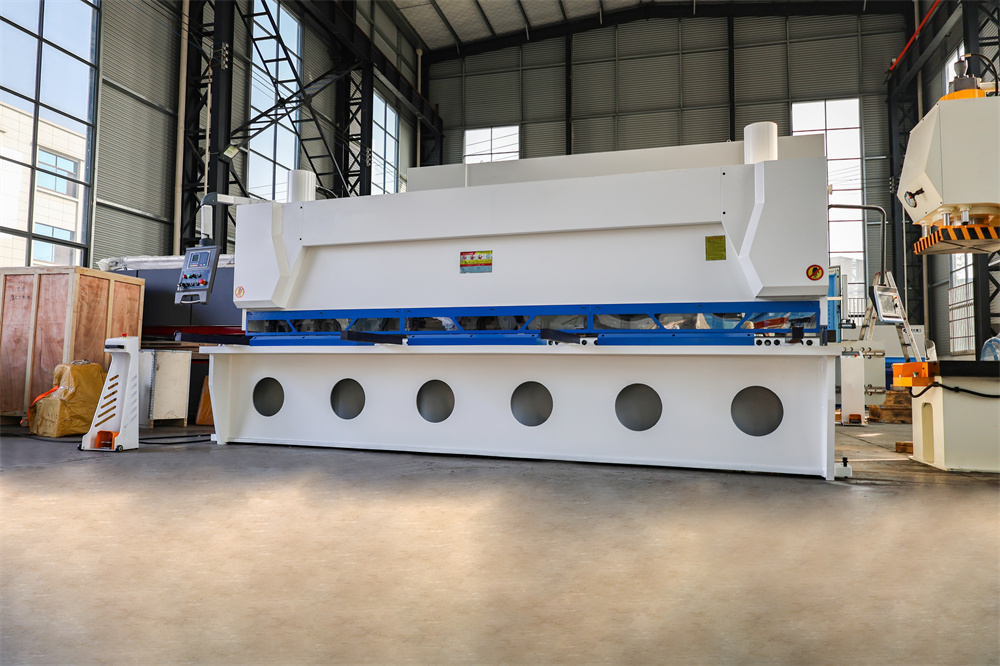
Daily Inspection: The First Line of Defense
The daily inspection is the most vital component of the Essential Shearing Machine Maintenance Steps Every Operator Should Follow. Before the first sheet of metal is fed into the machine, the operator must conduct a visual and functional walkthrough. This process should take no more than 10 to 15 minutes but can save hours of troubleshooting later. Start by checking the area around the machine for any signs of oil leaks, loose debris, or foreign objects that may have fallen into the blade area overnight.
Next, inspect the condition of the blades. Even a small chip or a dull edge can affect the quality of the cut. Run your hand (using appropriate safety gloves) or a piece of scrap material along the blade edge to check for nicks. If the blade shows signs of wear, it is time to adjust the blade clearance. Proper blade clearance is the single most important factor in preventing machine overload and ensuring clean, burr-free cuts on various material thicknesses.
Check the backgauge system for smooth operation. The backgauge is a precision component; any resistance or unusual noise during its movement indicates a need for cleaning or lubrication of the guide rails. Ensure that the digital readout or controller matches the physical position of the backgauge. If there is a discrepancy, recalibrate the system immediately to avoid costly material waste caused by incorrect cutting dimensions.
Finally, test the safety systems. Every shearing machine is equipped with light curtains, emergency stop buttons, and foot pedals. Cycle the emergency stop to ensure it cuts power to the motor instantly. Test the light curtains by interrupting the beam to ensure the machine cycle halts immediately. Never operate a machine with a bypassed or faulty safety system. Document these daily checks in a logbook to maintain accountability and track the machine’s performance over time.
Hydraulic, Electrical, and Mechanical Checks
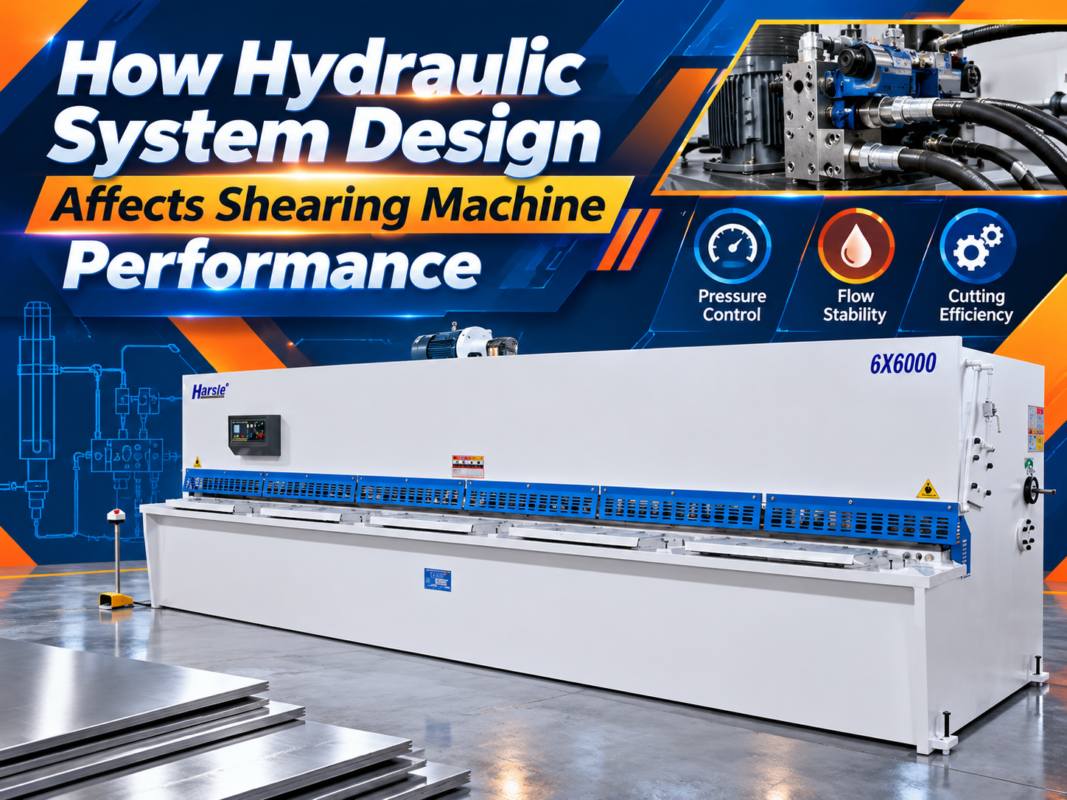
Hydraulic systems are the heart of most modern shearing machines. The hydraulic fluid must be kept clean and at the correct temperature. Operators should check the oil level in the reservoir daily. If the oil appears cloudy or milky, it indicates water contamination, which can cause internal corrosion and pump failure. HARSLE recommends changing the hydraulic oil and cleaning the filter every 2,000 to 3,000 operating hours, or sooner if the environment is particularly dusty or humid.
Electrical components require a different approach. Ensure that the control cabinet is kept closed and free of dust. Dust accumulation on circuit boards can lead to overheating and short circuits. Periodically, use compressed air (at low pressure) to blow out the cabinet, but only after the machine has been completely powered down and locked out. Check all electrical connections for signs of heat discoloration or loose terminals, which can cause intermittent machine behavior or sensor errors.
Mechanically, the focus should be on the ram and the hold-down cylinders. The hold-down cylinders must exert uniform pressure across the entire length of the sheet to prevent slipping during the cut. If you notice the sheet moving or “creeping” during the shearing process, the hold-down pressure may be insufficient or uneven. Inspect the seals on these cylinders for leaks and ensure that the springs or hydraulic pressure mechanisms are functioning correctly.
The drive system, including the motor and transmission, should be inspected for unusual vibrations or heat. A motor that runs hotter than usual is often a sign of an overloaded system or a failing bearing. Listen for grinding or clicking sounds that deviate from the machine’s normal operating rhythm. If you detect such sounds, stop the machine immediately and investigate the source. Early detection of mechanical wear is the key to preventing catastrophic failure of the main drive assembly.
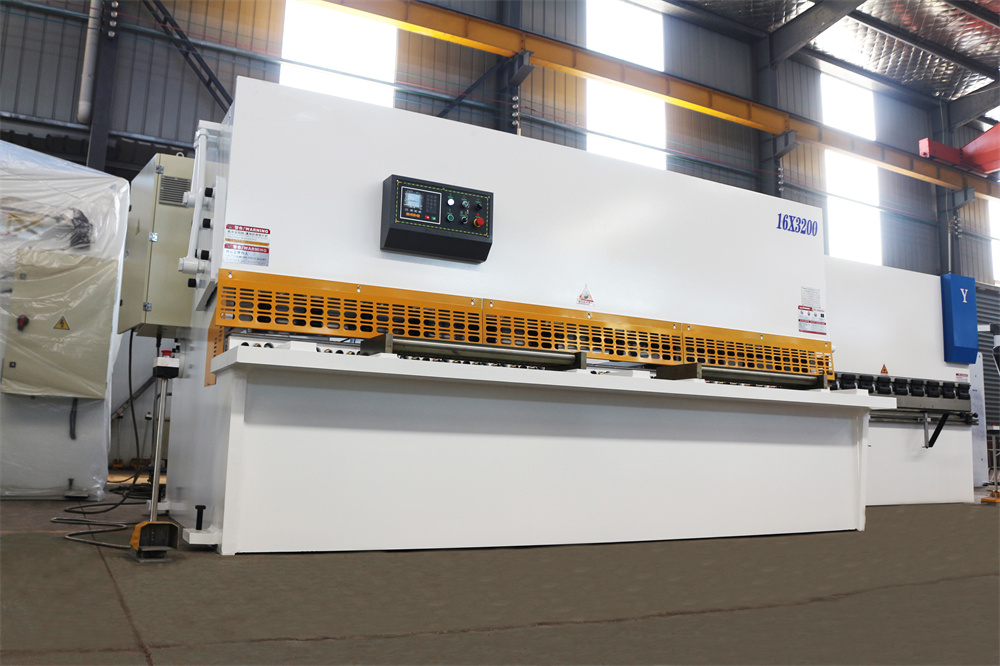
The Comprehensive Lubrication Plan
Lubrication is the lifeblood of any industrial machine. A well-lubricated shearing machine runs cooler, quieter, and with significantly less wear on moving parts. The lubrication plan should be strictly adhered to, as skipping these steps is a primary cause of premature component failure. Identify all grease nipples and oil points on the machine. These typically include the ram guides, the backgauge lead screws, and the main pivot points of the shearing beam.
Use only the lubricant grades specified in your HARSLE operation manual. Using the wrong type of grease can lead to clumping, which blocks the lubrication channels and prevents the lubricant from reaching the friction surfaces. For high-load areas like the ram guides, a high-pressure, water-resistant grease is usually required. Ensure that the grease gun is clean before use to prevent introducing contaminants into the machine’s internal components.
Establish a schedule for lubrication based on the machine’s usage intensity. A machine running two shifts a day will require more frequent lubrication than one running a single shift. Keep a lubrication log attached to the machine, noting the date, the points serviced, and the type of lubricant used. This prevents over-lubrication, which can attract dust and debris, and ensures that no critical point is missed.
Don’t forget the cleaning aspect of lubrication. Before applying new grease, wipe away the old, dirty grease from the surfaces. This prevents the buildup of abrasive particles that can act like sandpaper on your guide rails. If you notice that a specific lubrication point is not accepting grease, it may be blocked. Do not force it; remove the nipple, clean it, and ensure the passage is clear before re-greasing. This level of diligence is what separates a long-lasting machine from one that requires constant repair.
Troubleshooting Signals: When to Call for Help
Even with the best maintenance, issues can arise. Recognizing the early warning signs is part of the Essential Shearing Machine Maintenance Steps Every Operator Should Follow. One of the most common signals is a change in the quality of the cut. If you notice burrs on the bottom edge of the metal, it is a clear sign that the blade clearance is too large or the blades are dull. If the metal is being pinched or deformed, the clearance might be too tight.
Another signal is inconsistent backgauge positioning. If the machine is cutting parts to different lengths despite the same settings, check for backlash in the lead screw or a loose encoder coupling. These are precision issues that can be corrected with minor adjustments, but if left alone, they will lead to significant material waste and potential damage to the backgauge motor.
Hydraulic system signals include slow ram movement, excessive noise from the pump, or the machine failing to reach full pressure. A noisy pump often indicates air in the system or a clogged suction filter. If the ram is slow, check the hydraulic oil level and the condition of the solenoid valves. These components are sensitive to oil contamination, so ensure your filtration system is working correctly.
Finally, pay attention to the machine’s electrical behavior. If the controller is freezing, showing error codes, or if the machine stops mid-cycle without an obvious cause, it is likely an electrical or sensor issue. Do not attempt to bypass safety sensors or force the machine to run. Consult the HARSLE troubleshooting guide provided with your machine, and if the issue persists, contact a certified technician. Attempting to repair complex electrical systems without proper training can be dangerous and may void your warranty.
Maintenance Schedule Table
| Frequency | Task | Description |
|---|---|---|
| Daily | Visual Inspection | Check for leaks, loose bolts, and debris. |
| Daily | Safety Test | Test E-stop and light curtains. |
| Weekly | Lubrication | Grease ram guides and backgauge rails. |
| Monthly | Filter Check | Inspect hydraulic filters and clean/replace. |
| Quarterly | Blade Inspection | Check for nicks and adjust blade clearance. |
| Annually | Full Service | Change hydraulic oil, check electrical connections. |
Frequently Asked Questions (FAQ)
How often should I change the blades on my shearing machine?
Blade life depends on the material type, thickness, and volume of cuts. Generally, blades should be inspected quarterly. If you notice burrs that cannot be corrected by adjusting the clearance, it is time to sharpen or replace the blades.
Can I use any hydraulic oil for my HARSLE machine?
No, you must use the specific viscosity and grade of hydraulic oil recommended in your machine’s manual. Using the wrong oil can damage the pump and seals, leading to costly repairs.
What should I do if the backgauge is inaccurate?
First, check for any debris blocking the backgauge movement. If the machine is clean, perform a recalibration according to the controller manual. If the issue persists, check the mechanical drive components for wear or backlash.
Is it necessary to keep a maintenance log?
Yes, keeping a maintenance log is essential for tracking machine health, ensuring warranty compliance, and maintaining a high resale value for your equipment.
What is the most common cause of shearing machine failure?
The most common cause is lack of lubrication and failure to maintain proper blade clearance. These two factors lead to excessive friction and mechanical stress, which are the primary drivers of machine breakdown.