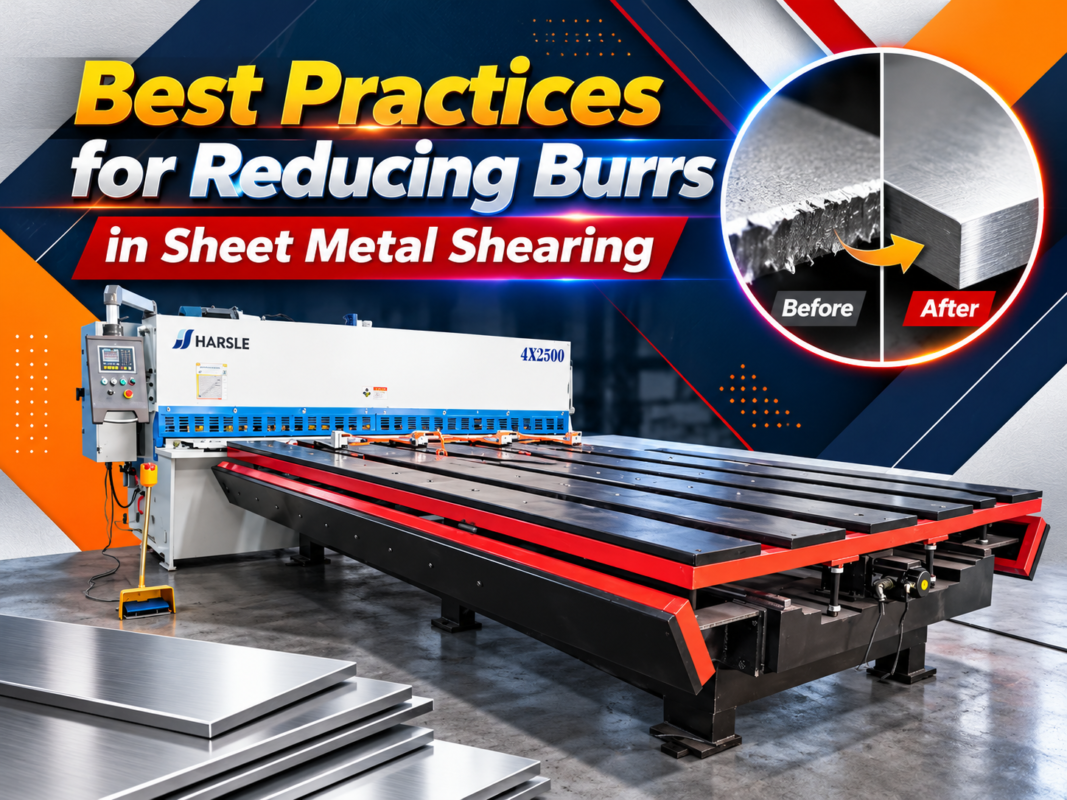
The Ultimate Preventive Maintenance Guide for Guillotine Shearing Machines


The Critical Importance of Preventive Maintenance for Guillotine Shearing Machines
In the high-stakes environment of metal fabrication, the guillotine shearing machine stands as a cornerstone of production efficiency. These machines are engineered to handle immense forces, slicing through thick metal sheets with precision and speed. However, without a rigorous preventive maintenance strategy, even the most robust HARSLE equipment can succumb to wear, misalignment, and catastrophic failure. Preventive maintenance is not merely a suggestion; it is a vital operational strategy that ensures the longevity of your investment and the safety of your workforce.
When a shearing machine experiences downtime, the ripple effect across your production line can be devastating. Missed deadlines, costly emergency repairs, and potential safety hazards are the direct results of neglecting routine care. By implementing a structured maintenance program, you shift from a reactive stance—fixing things only after they break—to a proactive one, where potential issues are identified and resolved before they manifest into expensive downtime.
Furthermore, consistent maintenance directly correlates with the quality of your output. A well-maintained guillotine shear ensures clean, burr-free cuts, reducing the need for secondary finishing processes. This precision is essential for maintaining tight tolerances in complex metal fabrication projects. When the blades are sharp, the clearances are set correctly, and the hydraulic system is pressurized optimally, the machine operates at its peak performance level, delivering consistent results shift after shift.
Investing time in preventive maintenance also preserves the resale value of your machinery. Industrial equipment is a significant capital expenditure, and a documented history of professional maintenance makes your HARSLE machine a more attractive asset should you decide to upgrade in the future. Ultimately, the goal of this guide is to provide you with the technical knowledge required to keep your shearing operations running smoothly, safely, and profitably for years to come.
Daily Inspection Protocols for Optimal Performance
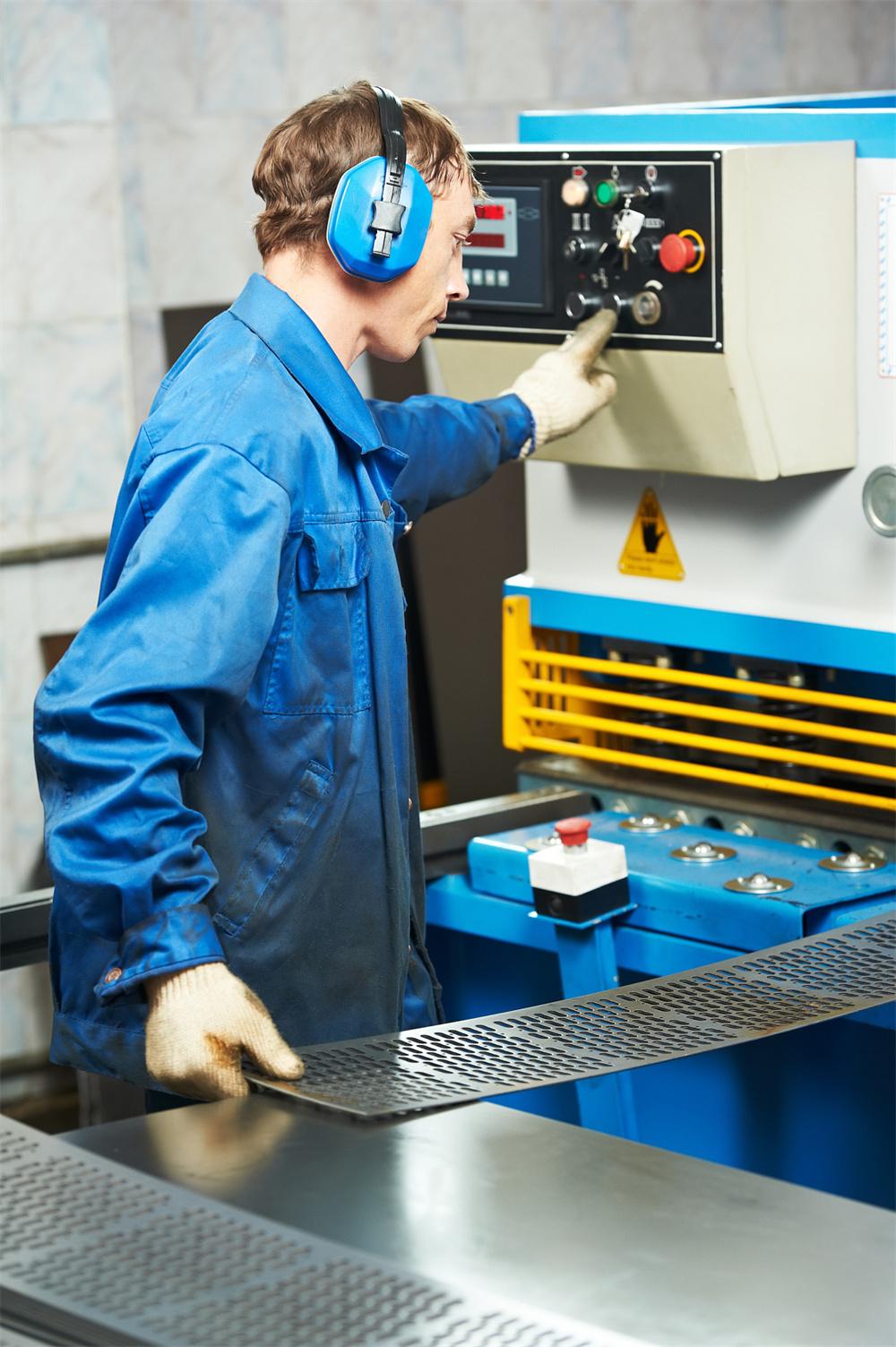
The foundation of any successful maintenance program is the daily inspection. These quick, routine checks are designed to catch minor anomalies before they escalate. Operators should be trained to perform these checks at the start of every shift, ensuring that the machine is in a safe and ready state. This habit creates a culture of accountability and awareness, where the operator becomes the first line of defense against mechanical failure.
Begin your daily inspection by checking the cleanliness of the machine. Metal dust, offcuts, and debris can accumulate in the blade area and the backgauge system, leading to interference or damage. Use compressed air or a brush to clear the work area, ensuring that no foreign objects are obstructing the movement of the beam or the backgauge. A clean machine is easier to inspect for leaks or loose components.
Next, inspect the blade clearance and the condition of the cutting edges. While you do not need to perform a full adjustment every day, a visual check for chips, cracks, or excessive dulling is essential. If the machine is producing burrs on the cut edge, it is a clear signal that the clearance needs adjustment or the blades require sharpening. Never ignore these signs, as cutting with dull blades puts excessive strain on the hydraulic system and the frame.
Check the hydraulic fluid levels and look for any signs of external leakage. Even a small drip can indicate a failing seal or a loose fitting that could lead to a significant pressure drop during a heavy-duty cut. Ensure that all safety guards and light curtains are functioning correctly. Test the emergency stop button at the beginning of each shift to verify that it immediately halts the machine cycle. If any safety device fails, the machine must be locked out and tagged out immediately until repairs are completed.
Hydraulic, Electrical, and Mechanical System Checks
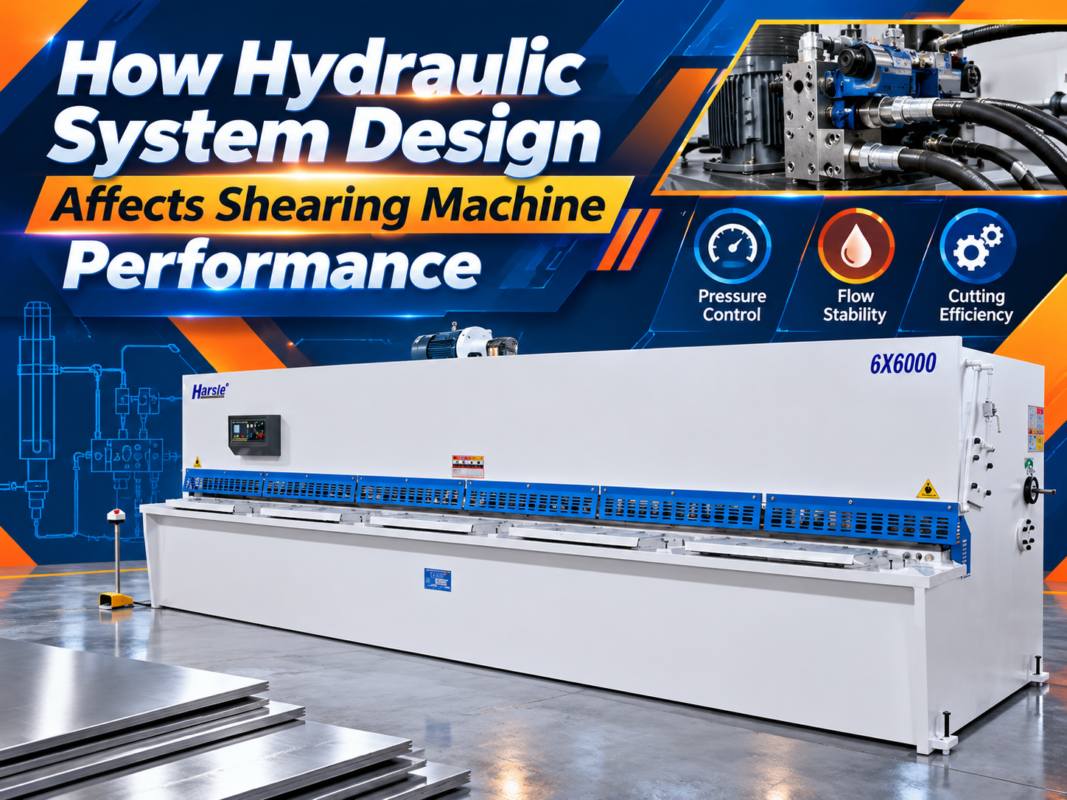
The hydraulic system is the heart of your guillotine shearing machine. It provides the force necessary to drive the ram and hold the material in place. Regularly monitoring the hydraulic oil is paramount. Over time, oil can become contaminated with moisture or metallic particles, which can damage the pump and valves. Follow the manufacturer’s recommendations for oil change intervals and ensure that the filtration system is checked and replaced as needed to maintain fluid purity.
Electrical systems require a different approach. Ensure that the control panel is free from dust and that all electrical cabinets are sealed tightly to prevent the ingress of conductive metal particles. Periodically inspect the wiring for signs of fraying, heat damage, or loose connections. A loose terminal can cause intermittent faults, leading to erratic machine behavior or communication errors between the PLC and the actuators. Always ensure the power is disconnected before opening electrical enclosures.
Mechanical components, particularly the backgauge and the hold-down cylinders, require consistent attention. The backgauge is a precision instrument; ensure that its lead screws or ball screws are clean and properly lubricated. Any play or backlash in the backgauge system will result in inaccurate cutting dimensions. Periodically verify the calibration of the backgauge against a known reference to ensure that the digital readout matches the physical position of the stop.
The hold-down cylinders must exert uniform pressure across the entire length of the sheet to prevent slipping during the cut. Check the springs or hydraulic seals within these cylinders to ensure they are providing consistent force. If the material shifts during the shearing process, it is often a sign that the hold-down pressure is insufficient or uneven. Regular inspection of these mechanical linkages will prevent premature wear and ensure the longevity of the machine’s structural components.

Comprehensive Lubrication Plan
Lubrication is the lifeblood of any industrial machine. A well-planned lubrication schedule reduces friction, dissipates heat, and prevents corrosion on moving parts. For a guillotine shearing machine, focus on the ram guides, the backgauge drive system, and any pivot points in the linkage. Use only the lubricants specified by HARSLE, as using the wrong viscosity or type can lead to accelerated wear or failure of the lubrication delivery system.
Establish a lubrication log to track when each point was last serviced. Some machines feature automatic lubrication systems; these should be checked to ensure that the pump is functioning and that the lines are not blocked. If your machine requires manual greasing, use a calibrated grease gun to avoid over-lubrication, which can attract dust and debris, creating an abrasive paste that damages seals and bearings.
Pay special attention to the ram guides. These are high-load areas that require consistent lubrication to prevent galling. If the guides become dry, the friction will increase, leading to excessive heat and potential scoring of the guide surfaces. This can cause the ram to bind or move unevenly, ruining the precision of the cut. Clean the guides periodically to remove old, contaminated grease before applying a fresh layer.
Do not overlook the smaller components, such as the hinges on safety doors and the adjustment mechanisms for the blade gap. While these may not be under the same load as the main ram, they are critical for the overall usability and safety of the machine. A systematic approach to lubrication will significantly extend the service life of your shearing machine and reduce the frequency of major mechanical overhauls.
Troubleshooting Common Signals of Failure
Even with the best maintenance, issues can arise. Recognizing the early warning signs is key to minimizing downtime. One of the most common signals is an increase in noise levels. If you hear grinding, clanking, or unusual hydraulic whining, investigate immediately. Grinding often indicates a lack of lubrication or a failing bearing, while hydraulic noise can point to air in the system, a failing pump, or a clogged filter.
Inconsistent cut quality is another major indicator. If you notice burrs, uneven edges, or material slipping, the problem is likely related to blade clearance, blade sharpness, or hold-down pressure. Check the blade gap settings against the material thickness chart provided by HARSLE. If the blades are dull, they must be removed and professionally sharpened or replaced. Never attempt to grind blades while they are mounted in the machine.
Electrical faults often manifest as error codes on the control panel or intermittent machine stops. If the machine stops mid-cycle, check the safety light curtains and the emergency stop circuit first. If these are clear, look for loose connections or a failing sensor. Keep a log of all error codes and the conditions under which they occur; this information is invaluable for technicians when diagnosing complex issues.
Finally, monitor the temperature of the hydraulic oil. If the oil is running consistently hot, it could indicate a cooling system failure, a pump that is working too hard due to internal bypass, or a restriction in the hydraulic lines. High temperatures degrade the oil rapidly and can lead to seal failure throughout the system. Addressing these signals early will prevent minor issues from becoming major, costly repairs.
Preventive Maintenance Schedule Table
| Frequency | Task Description | Component |
|---|---|---|
| Daily | Clean debris, check oil levels, test E-stop | General Machine |
| Weekly | Inspect blade gap, check for leaks, clean backgauge | Cutting Area |
| Monthly | Lubricate guides, check electrical connections | Mechanical/Electrical |
| Quarterly | Change hydraulic filters, inspect seals | Hydraulic System |
| Annually | Full system calibration, oil change, blade sharpening | Complete Machine |
Frequently Asked Questions (FAQ)
How often should I sharpen the blades on my guillotine shear?
The frequency depends on the material type, thickness, and volume of cuts. As a rule of thumb, if you notice burrs on the cut edge or if the machine requires significantly more force to shear, it is time to inspect and sharpen the blades.
Can I use any hydraulic oil in my HARSLE shearing machine?
No, always use the hydraulic oil grade specified in your machine’s manual. Using the wrong viscosity can affect the speed of the ram and the longevity of the hydraulic pump and valves.
What should I do if the backgauge is not accurate?
First, check for debris in the backgauge rail. If it is clean, perform a calibration procedure as outlined in your manual. If the error persists, check for mechanical backlash in the drive system.
Is it necessary to keep a maintenance log?
Yes, a maintenance log is essential for tracking the health of your machine, planning future repairs, and maintaining the warranty. It also helps in identifying recurring issues that may require a more permanent solution.
What is the most common cause of shearing machine failure?
Neglect of basic lubrication and failure to maintain correct blade clearance are the two most common causes of premature failure in guillotine shearing machines.