Case Study: Boosting Production Efficiency with an Automatic Punching Machine


Introduction: The Evolution of Metal Fabrication
In the modern manufacturing landscape, the pressure to deliver high-quality metal components at record speeds has never been greater. For many fabrication shops, the bottleneck often lies in the punching process, where manual intervention and outdated machinery lead to inconsistent results and significant downtime. This article presents a comprehensive Case Study: Boosting Production Efficiency An Automatic Punching Machine, illustrating how HARSLE’s advanced technology serves as a catalyst for industrial growth.
The transition from manual or semi-automatic systems to fully integrated automatic punching solutions represents more than just a hardware upgrade; it is a fundamental shift in operational philosophy. By leveraging CNC-controlled systems, manufacturers can achieve precision that was previously unattainable, reducing material waste and labor costs. This case study explores the journey of a mid-sized fabrication facility that transformed its output by integrating HARSLE’s high-performance punching equipment.
As we delve into the technical specifications and operational benefits, it becomes clear that the key to competitive advantage lies in automation. Whether you are dealing with complex sheet metal patterns or high-volume repetitive tasks, the right machinery acts as the backbone of your production line. This guide serves to educate shop owners and production managers on the tangible benefits of investing in modern punching technology.
Throughout this analysis, we will examine the specific challenges faced by the facility, the implementation process of the HARSLE automatic punching machine, and the measurable improvements in throughput and accuracy. By understanding these metrics, businesses can better evaluate their own production needs and identify where automation can bridge the gap between current output and future goals.
Key Considerations for Modernizing Your Punching Line
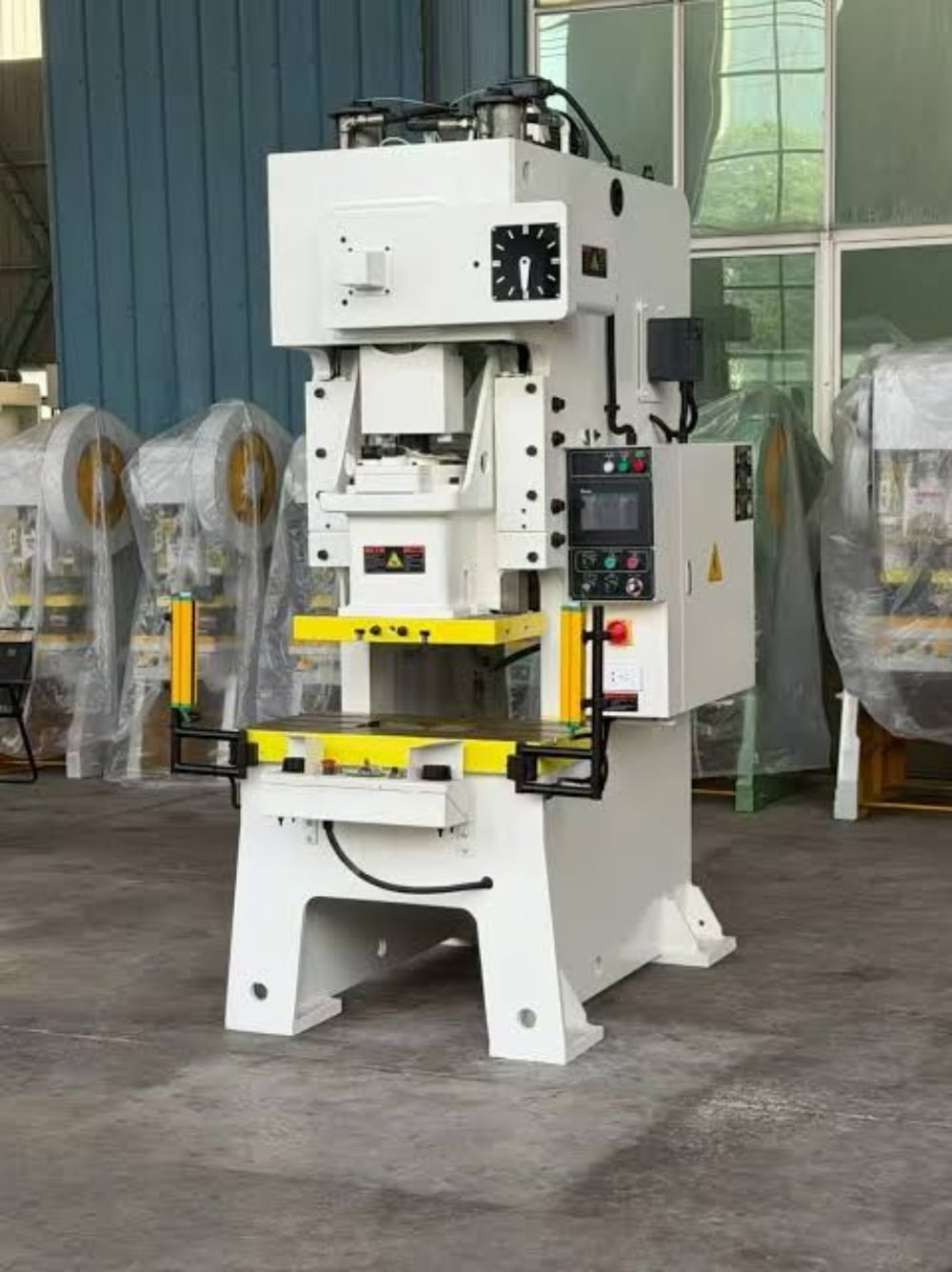
Before investing in new equipment, it is vital to assess the current state of your production floor. The primary consideration is the balance between flexibility and speed. Traditional punching methods often require frequent tool changes and manual sheet positioning, which drastically limits the number of parts produced per hour. An automatic punching machine eliminates these manual variables, ensuring that the machine runs continuously with minimal supervision.
Another critical factor is material utilization. In an era where raw material costs are volatile, maximizing the yield from every sheet of metal is essential for profitability. Automatic punching machines utilize sophisticated nesting software that arranges parts to minimize scrap. This not only saves money on raw materials but also reduces the environmental impact of the manufacturing process, aligning with modern sustainability goals.
Integration with existing ERP and CAD/CAM systems is also a non-negotiable requirement. A modern punching machine should not operate in a silo; it must communicate seamlessly with your design software to translate complex geometries into machine-readable code instantly. This digital thread reduces the time between design approval and the first finished part, a critical metric for shops handling high-mix, low-volume production runs.
Finally, consider the long-term maintenance and support ecosystem. A machine is only as good as the service behind it. HARSLE provides comprehensive support, ensuring that your equipment remains calibrated and operational. When evaluating a purchase, look for manufacturers that offer remote diagnostics, readily available spare parts, and training programs for your operators to ensure they can maximize the machine’s potential from day one.
Technical Details of HARSLE Punching Solutions
HARSLE’s automatic punching machines are engineered with high-rigidity frames to withstand the intense forces generated during high-speed punching. The core of the system is the CNC control unit, which manages the turret rotation, ram stroke, and sheet positioning with micron-level accuracy. This level of control ensures that even the most intricate designs are executed with perfect repeatability, eliminating the need for secondary finishing processes like deburring or manual trimming.
The turret design is a standout feature, offering a high number of tool stations, including indexable stations that allow for complex angular punching. This versatility means that a single machine can handle a wide variety of tasks without requiring frequent tool changes. The automatic tool changer (ATC) further enhances this capability, allowing the machine to swap punches and dies in seconds, keeping the production cycle moving without interruption.
Hydraulic and servo-driven systems are employed to provide the necessary force while maintaining energy efficiency. Servo-electric punching, in particular, has gained popularity for its ability to control the ram position and speed throughout the entire stroke. This allows for specialized operations like forming, tapping, and marking, which can be performed directly on the punching machine, effectively consolidating multiple manufacturing steps into one.
Safety and ergonomics are also integrated into the technical design. Light curtains, perimeter fencing, and advanced software interlocks protect operators from moving parts, while intuitive touch-screen interfaces make it easy for technicians to monitor machine status, track production progress, and perform routine maintenance checks. These technical advancements collectively contribute to the Case Study: Boosting Production Efficiency An Automatic Punching Machine narrative, proving that high-tech features translate directly into high-value output.
Selection Advice: Choosing the Right Machine for Your Shop
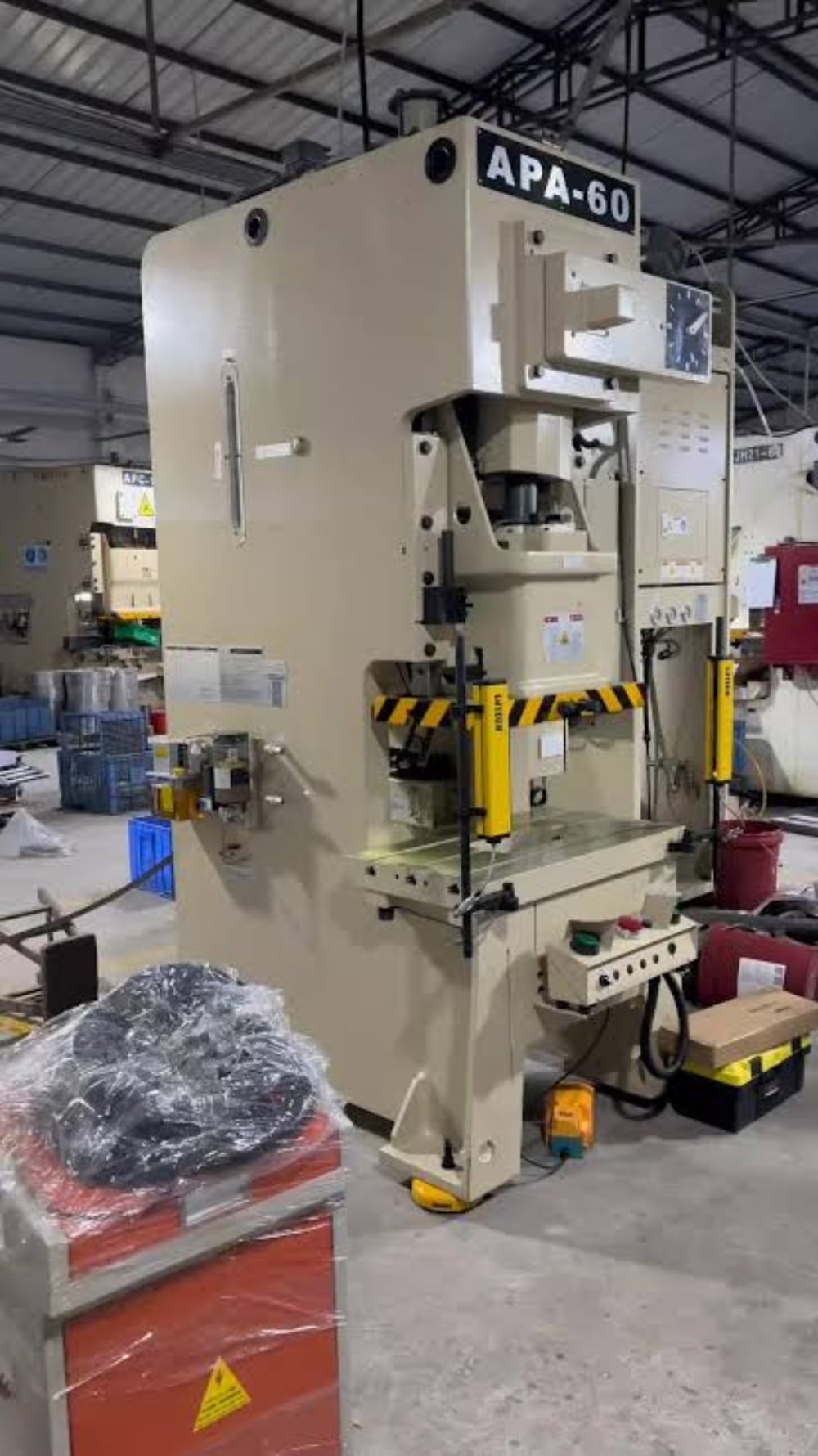
Selecting the right punching machine requires a deep dive into your specific production requirements. Start by analyzing your part mix: are you producing large panels with simple holes, or small, complex brackets with multiple bends and forms? If your work is primarily high-volume and repetitive, a dedicated high-speed turret punch is ideal. If your work is highly varied, look for a machine with a large tool capacity and advanced indexing features.
Consider the tonnage requirements based on the thickness and material type you process most frequently. While it might be tempting to buy the largest machine available, an oversized machine can lead to higher energy costs and unnecessary footprint usage. Conversely, a machine that is underpowered will struggle with thicker materials, leading to premature wear and poor edge quality. HARSLE offers a range of tonnages to ensure you find the perfect match for your specific material portfolio.
Evaluate the automation level that fits your budget and labor availability. Options range from basic sheet loaders to fully automated load/unload systems that can run lights-out. If your goal is to maximize production during off-hours, investing in an automated material handling system is a game-changer. This allows your team to load a stack of raw material at the end of the day and return to a finished pile of parts the next morning.
Finally, do not overlook the importance of software compatibility. Ensure that the machine’s control system is compatible with your existing CAD/CAM software. The ability to import DXF or DWG files directly into the machine controller saves hours of manual programming time. Ask for a demonstration of the software interface to see how intuitive it is for your operators, as ease of use is a major factor in reducing training time and preventing programming errors.
FAQ: Common Questions About Automatic Punching
How does an automatic punching machine improve production efficiency?
By automating the positioning, tool changing, and material handling processes, these machines eliminate the downtime associated with manual setups. They allow for continuous operation, higher precision, and the ability to perform multiple tasks in a single cycle.
What is the typical ROI for a HARSLE punching machine?
ROI varies based on production volume and labor savings, but many of our clients see a return on investment within 18 to 24 months due to increased throughput, reduced scrap rates, and lower labor costs per part.
Can these machines handle different types of metal?
Yes, HARSLE punching machines are designed to process a wide range of materials, including mild steel, stainless steel, aluminum, and copper, provided the material thickness is within the machine’s rated capacity.
What kind of maintenance is required for a CNC punching machine?
Routine maintenance includes lubricating moving parts, checking hydraulic fluid levels, inspecting tool condition, and cleaning the machine bed. HARSLE provides a detailed maintenance schedule with every machine to ensure longevity.
Is specialized training required to operate these machines?
While the machines are user-friendly, we recommend professional training for your operators to ensure they understand the software, safety protocols, and advanced features of the machine. HARSLE offers comprehensive training packages for all new installations.
Conclusion: The Future of Your Fabrication Business
The journey toward operational excellence is continuous, but the integration of an automatic punching machine is a significant milestone. As demonstrated in this Case Study: Boosting Production Efficiency An Automatic Punching Machine, the shift to automated fabrication allows businesses to scale their operations, improve part quality, and remain competitive in a demanding global market. By choosing HARSLE, you are not just buying a machine; you are investing in a partnership dedicated to your long-term success.
As you move forward, remember that the goal of automation is to empower your workforce, not replace it. By offloading repetitive, high-stress tasks to a machine, your skilled operators can focus on quality control, process optimization, and complex problem-solving. This human-machine synergy is the hallmark of a modern, efficient fabrication shop.
We encourage you to review your current production metrics and identify the areas where manual bottlenecks are hindering your growth. Whether it is the need for faster cycle times, better material utilization, or higher precision, HARSLE has the expertise and the technology to help you achieve your goals. Contact our team today to discuss your specific requirements and take the first step toward a more efficient, profitable future.
In conclusion, the investment in high-quality metal fabrication equipment is the most reliable way to ensure your shop remains relevant. With the right tools, the right support, and a commitment to continuous improvement, your business can overcome any production challenge. Let HARSLE be your partner in this journey, providing the reliable, high-performance machinery you need to lead the industry.