How to Compare Laser Cutting Machine Brands Before Buying for a Metal Shop: The Ultimate Guide


Comparison Summary
Investing in a high-performance laser cutting machine is one of the most significant capital expenditures a metal fabrication shop will ever make. When you decide to compare laser cutting machine brands before buying for a metal shop, you are not just looking at a price tag; you are evaluating the future productivity, reliability, and profitability of your business. The market is saturated with options ranging from entry-level budget systems to high-end, fully automated industrial cells, making the selection process daunting for shop owners.
To effectively navigate this landscape, you must look beyond the marketing brochures. A successful comparison involves analyzing the core components—such as the laser source, the cutting head, the CNC controller, and the motion system—while simultaneously assessing the manufacturer’s commitment to after-sales support. A machine is only as good as the service backing it up when a critical component fails during a peak production cycle.
This guide aims to provide a structured framework for evaluating different manufacturers. We will break down the technical specifications, the importance of local support networks, and the long-term total cost of ownership (TCO). By the end of this article, you will have a clear checklist to ensure your investment aligns with your shop’s specific production requirements and growth trajectory.
Ultimately, the goal is to find a balance between precision, speed, and reliability. Whether you are a small job shop focusing on custom art pieces or a high-volume manufacturing facility producing thousands of parts per week, the criteria for selection remain rooted in the machine’s ability to deliver consistent results under demanding conditions.
Machine A Overview: The High-Performance Industrial Standard
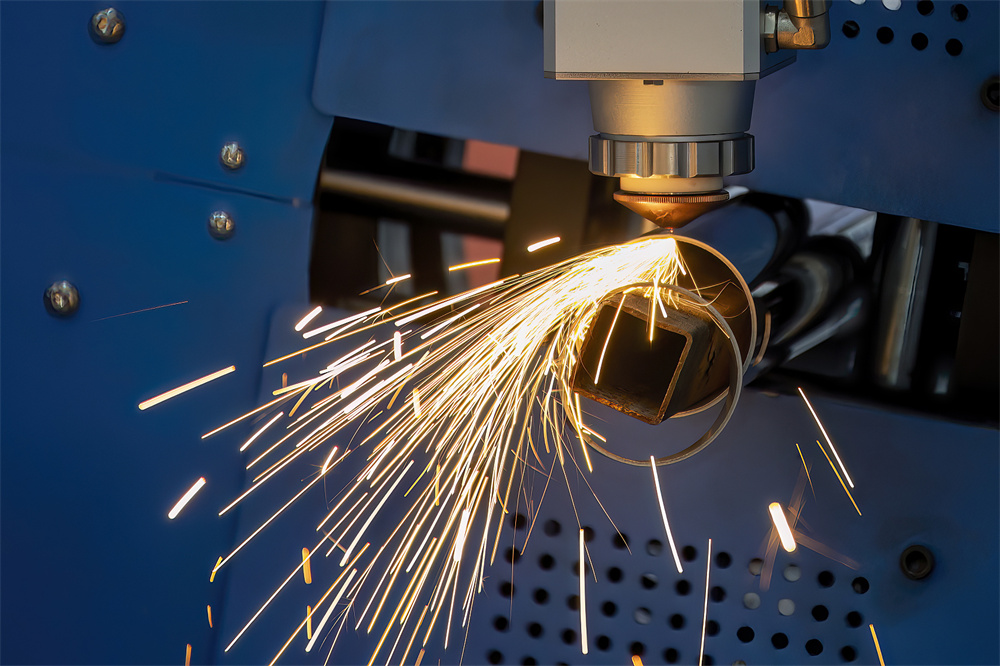
Machine A represents the tier of premium, globally recognized laser cutting systems. These machines are engineered for shops that prioritize 24/7 operation, extreme precision, and minimal downtime. They typically feature proprietary laser sources and advanced software suites that integrate seamlessly with CAD/CAM workflows. The build quality is characterized by heavy-duty, stress-relieved steel frames designed to dampen vibrations during high-speed cutting operations.
One of the primary advantages of this category is the sophistication of the control interface. These machines often utilize AI-driven software that automatically optimizes cutting parameters based on material thickness and type, reducing the learning curve for operators. Furthermore, the integration of automated material handling systems—such as pallet changers and sheet loaders—is standard, allowing for “lights-out” manufacturing capabilities that significantly boost throughput.
However, these machines come with a premium price point and often require specialized training for maintenance. The spare parts are usually proprietary, meaning you are locked into the manufacturer’s supply chain. While this ensures high-quality components, it can lead to longer lead times if a specific part is not in stock locally. For shops with the budget and the volume to justify the cost, these machines offer the highest return on investment through sheer efficiency.
Machine B Overview: The Versatile Value-Driven Solution
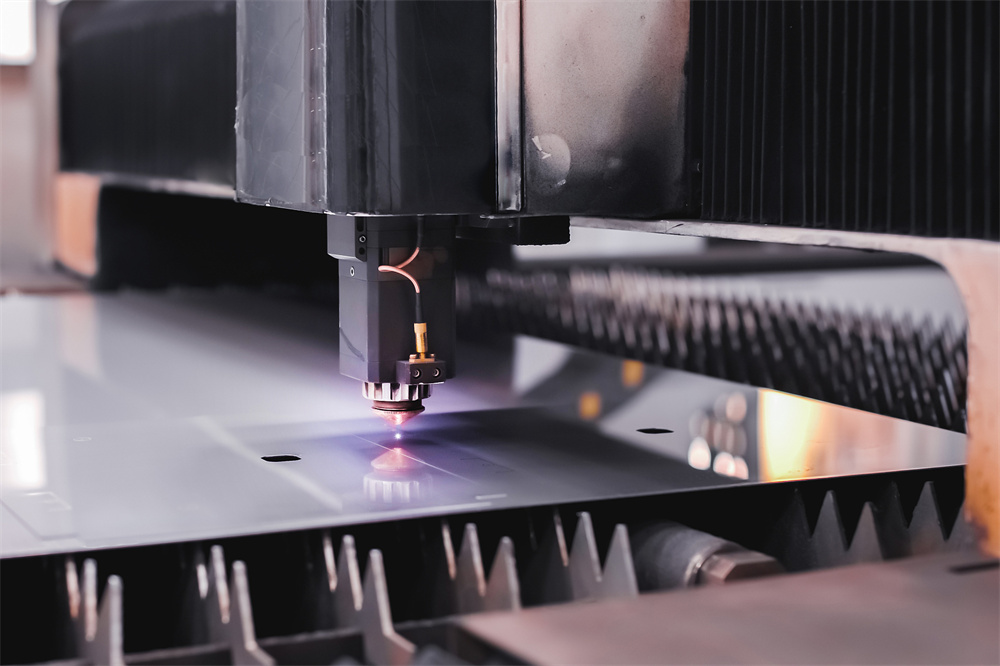
Machine B represents the category of highly capable, cost-effective laser cutting systems that have become the backbone of many small to medium-sized metal shops. These machines often utilize globally sourced, high-quality components—such as IPG or Raycus laser sources and Precitec cutting heads—to provide industrial-grade performance at a more accessible price point. The focus here is on modularity, ease of use, and rapid return on investment.
These machines are designed for flexibility. They are often easier to install and maintain, with many manufacturers offering open-architecture systems that allow shop owners to source common spare parts from third-party suppliers. This reduces the total cost of ownership significantly over the machine’s lifespan. For a shop that handles a wide variety of materials and thicknesses, these machines offer the versatility needed to pivot quickly between different client projects.
While they may lack some of the advanced AI-driven automation features of premium brands, they are more than capable of meeting the tolerances required for most structural and decorative metal fabrication. The user interface is typically intuitive, allowing operators to get up to speed quickly. For many shops, the ability to scale production by purchasing two or three of these machines for the price of one premium unit is a more strategic business move.
Specification Comparison Table
| Feature | Premium Industrial (Machine A) | Value-Driven (Machine B) |
|---|---|---|
| Laser Source | Proprietary/High-End | Industry Standard (IPG/Raycus) |
| Cutting Head | Advanced Auto-Focus | Manual/Auto-Focus |
| Frame Construction | Heavy-Duty Stress-Relieved | Standard Industrial Steel |
| Automation Level | High (Lights-out ready) | Moderate (Manual/Semi-auto) |
| Software | Proprietary AI-Suite | Standard CAD/CAM Integration |
| Maintenance | Manufacturer-Certified Only | User-Friendly/Modular |
| Initial Investment | High | Moderate |
Best-fit Applications
When you compare laser cutting machine brands before buying for a metal shop, you must align the machine’s capabilities with your specific application requirements. For shops specializing in aerospace, medical device manufacturing, or high-precision automotive parts, Machine A is the clear winner. The ability to maintain micron-level tolerances consistently over long production runs is non-negotiable in these sectors. The advanced thermal management systems in these machines prevent heat-affected zones (HAZ) from compromising the structural integrity of sensitive alloys.
Conversely, for general fabrication shops, sign makers, and architectural metalwork providers, Machine B is often the superior choice. These applications prioritize speed, material versatility, and the ability to handle varying sheet sizes. If your shop frequently switches between mild steel, stainless steel, and aluminum, the ease of changing cutting parameters on a value-driven machine is a significant operational advantage. These machines are workhorses that excel in high-mix, low-volume environments.
Consider the thickness of the materials you process most frequently. If you are consistently cutting plate steel above 20mm, you need a machine with a high-wattage laser source (6kW to 12kW+) and robust cooling systems. If your work is primarily thin-gauge sheet metal, a 3kW to 6kW machine will provide better edge quality and faster cutting speeds at a lower energy cost. Matching the laser power to your typical material thickness is the most effective way to optimize your operational budget.
Finally, think about the future. Will your shop be expanding into new markets? If you anticipate moving into thicker materials or more complex geometries, ensure the machine you choose has an upgrade path. Some manufacturers allow you to swap out laser sources or add automation modules later, which can save you from having to replace the entire machine as your business grows.
Cost and Maintenance Comparison
The purchase price is only the tip of the iceberg. When you compare laser cutting machine brands before buying for a metal shop, you must calculate the Total Cost of Ownership (TCO). This includes electricity consumption, gas usage (nitrogen/oxygen), spare parts, and the cost of downtime. Premium machines often feature energy-saving modes that reduce power consumption during idle times, which can lead to significant savings over a decade of operation.
Maintenance is another critical factor. Every laser cutting machine requires regular calibration, lens cleaning, and filter replacements. Ask the manufacturer about the frequency of these tasks and whether they can be performed by your in-house staff. A machine that requires a factory technician for every minor adjustment will quickly become a bottleneck. Look for brands that provide comprehensive training programs for your operators and clear, accessible documentation.
Spare parts availability is the hidden variable in the maintenance equation. Before signing a contract, ask for a list of common wear parts—nozzles, protective windows, and ceramic rings—and check their lead times. If a machine requires parts to be shipped from overseas with a three-week lead time, your shop could be paralyzed by a simple nozzle crash. Prioritize brands that maintain a local warehouse or have a robust network of regional service partners.
Lastly, consider the software subscription model. Many modern laser machines rely on cloud-based software that requires a monthly or annual fee. While these platforms offer excellent nesting and production tracking, they represent a recurring cost that must be factored into your annual budget. Compare these costs across brands to ensure you aren’t being locked into an expensive, long-term software contract that eats into your profit margins.
Recommendation
Choosing the right laser cutting machine is a strategic decision that requires a deep understanding of your shop’s current needs and future goals. If your priority is absolute precision, high-volume automation, and you have the capital to support a premium investment, Machine A is the gold standard. It provides the peace of mind that comes with industry-leading technology and comprehensive support, allowing you to focus on scaling your business without worrying about machine performance.
However, for the vast majority of metal shops, Machine B offers a more balanced approach. By utilizing industry-standard components and focusing on modularity, these machines provide the flexibility and reliability required to thrive in a competitive market. They allow you to maintain lower overheads while still delivering high-quality parts to your customers. The ability to perform your own maintenance and source parts easily makes these machines a safer bet for shops that want to remain agile.
Ultimately, the best brand is the one that offers the best support in your specific region. A machine is only as good as the technician who can fix it when things go wrong. Before making your final decision, visit the manufacturer’s local showroom, talk to other shop owners who use their equipment, and request a test cut on your own material. Seeing the machine in action and experiencing the manufacturer’s customer service firsthand is the most valuable step you can take in the buying process.
FAQ
How do I determine the right laser power for my shop?
The required laser power depends on the material type and the maximum thickness you intend to cut regularly. For thin sheets (up to 6mm), 3kW is usually sufficient. For heavy plate (12mm to 25mm+), you should look at 6kW to 12kW systems. Always aim for a slightly higher power than your current maximum to allow for future growth.
What is the most important factor when comparing brands?
After-sales support is the most critical factor. A high-end machine is useless if you cannot get parts or service when it breaks down. Prioritize manufacturers with local technicians, readily available spare parts, and a proven track record of customer responsiveness.
How often does a laser cutting machine need maintenance?
Daily maintenance includes cleaning the nozzle and checking the protective window. Weekly tasks involve checking gas pressures and cooling levels. Professional calibration and deep cleaning should be performed every 6 to 12 months, depending on usage intensity.
Is fiber laser technology better than CO2?
Yes, for most modern metal fabrication shops, fiber laser technology is superior. It offers higher electrical efficiency, faster cutting speeds on thin-to-medium materials, and significantly lower maintenance requirements compared to traditional CO2 lasers.
Can I use third-party software with my laser machine?
Most machines come with proprietary software, but many are compatible with industry-standard nesting software like SigmaNEST or Lantek. Always verify software compatibility before purchasing to ensure it integrates with your existing CAD workflow.