How to Fix Inconsistent Bend Lengths on a Press Brake Machine: A Comprehensive Guide


Introduction
Precision is the cornerstone of high-quality metal fabrication. When you are operating a press brake, the ability to achieve uniform bend lengths across every workpiece is not just a luxury—it is a requirement for structural integrity and aesthetic consistency. However, operators often encounter the frustrating issue of inconsistent bend lengths, which can lead to wasted material, increased production time, and compromised assembly quality. Understanding how to fix inconsistent bend lengths on a press brake machine is essential for any fabrication shop looking to maintain high standards.
Inconsistent bending often stems from a combination of mechanical wear, software calibration errors, or material variability. Whether you are using a high-end CNC press brake or a standard hydraulic model, the principles of troubleshooting remain largely the same. By systematically evaluating your machine’s setup, tooling, and operational parameters, you can identify the root cause of the deviation and implement effective corrective measures.
At HARSLE, we prioritize precision engineering. This guide is designed to walk you through the technical nuances of press brake operation, helping you diagnose why your bends might be drifting and how to restore the machine to its peak performance. From checking the parallelism of the ram to verifying the integrity of your backgauge, we cover the critical steps required to ensure your production line remains accurate and efficient.
Key Considerations for Bending Accuracy
Before diving into complex mechanical repairs, it is vital to consider the environmental and material factors that influence bend consistency. The first consideration is material variability. Even within the same batch, sheet metal can have slight variations in thickness, tensile strength, and grain direction. If your machine is not equipped with active thickness compensation, these minor fluctuations can result in inconsistent bend angles and lengths.
Secondly, consider the condition of your tooling. Worn-out punches and dies are a leading cause of inconsistent bends. If the radius of your punch or the opening of your die has become uneven due to long-term wear, the metal will not flow uniformly during the bending process. Regularly inspecting your tooling for chips, cracks, or uneven wear patterns is a fundamental part of maintaining a high-precision fabrication environment.
Thirdly, the temperature of the hydraulic oil plays a significant role in machine performance. Hydraulic systems are sensitive to thermal expansion. If a machine is operated immediately after being turned on in a cold environment, the viscosity of the oil will be different than after several hours of operation. This change in viscosity can affect the speed and pressure of the ram, leading to subtle differences in the bend depth and length as the day progresses.
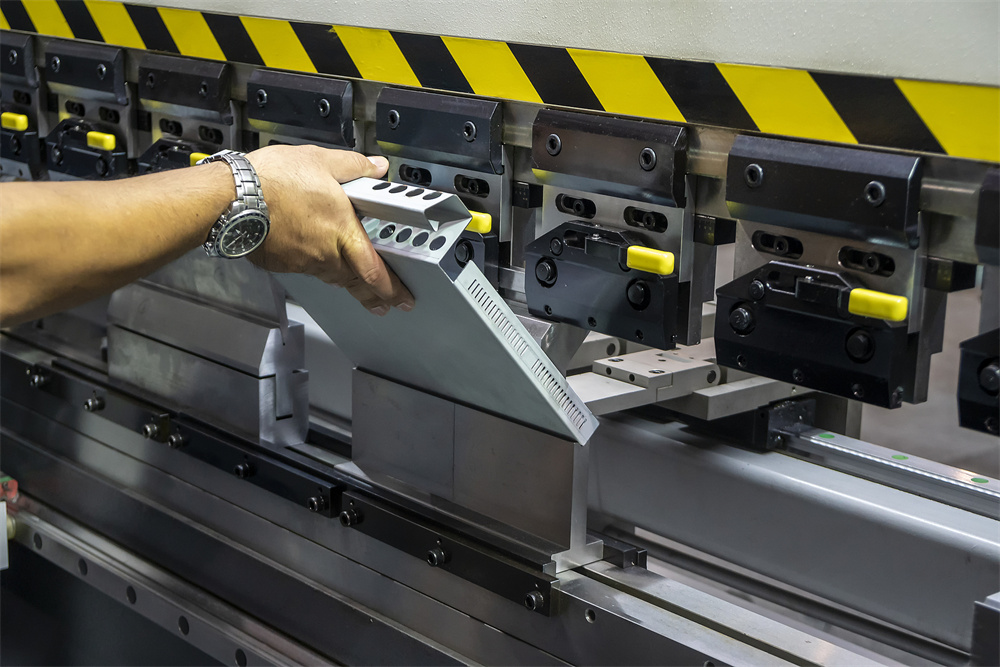
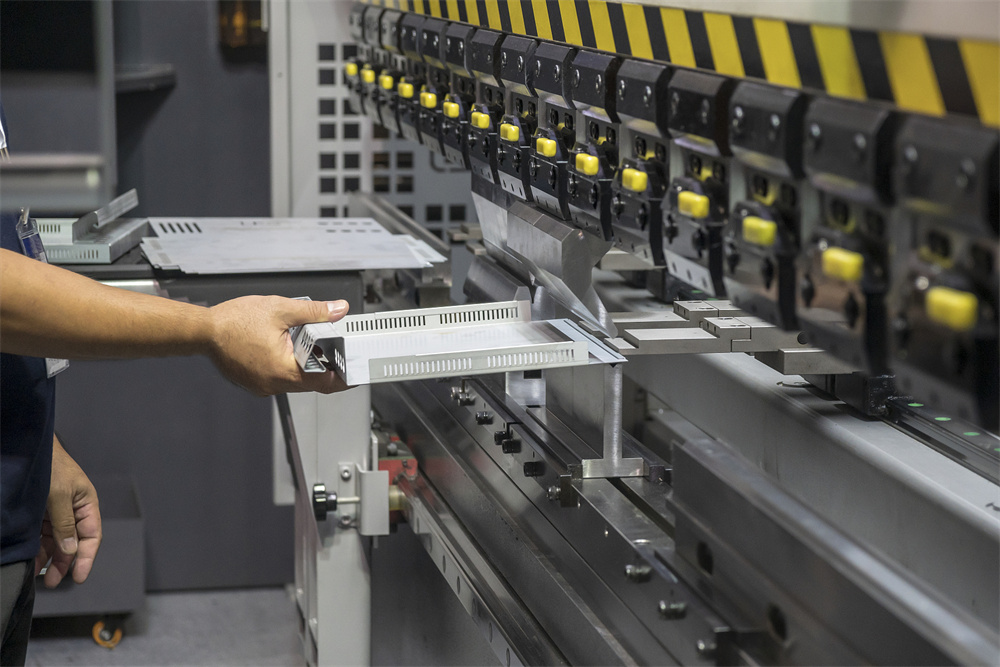
Finally, consider the operator’s technique. Even with advanced CNC controls, the way a part is presented to the backgauge can influence the outcome. If the operator does not ensure that the sheet is seated firmly against the backgauge fingers before the cycle starts, the bend length will inevitably vary. Training and standardized operating procedures are just as important as the machine’s mechanical calibration.
Technical Details: Troubleshooting and Calibration
To effectively fix inconsistent bend lengths on a press brake machine, you must perform a systematic check of the machine’s mechanical and electronic systems. Start by verifying the parallelism of the ram. If the ram is not perfectly parallel to the bed, the pressure applied across the length of the workpiece will be uneven. Use a precision dial indicator to measure the distance between the ram and the bed at multiple points along the length of the machine. If you detect a discrepancy, you may need to adjust the synchronization valves or the mechanical stops.
Next, inspect the backgauge system. The backgauge is responsible for positioning the workpiece accurately. If the backgauge fingers are loose, worn, or misaligned, the sheet metal will not be positioned correctly, leading to inconsistent bend lengths. Check the drive screws, belts, and motors for any signs of backlash. If the backgauge has play, it will fail to repeat its position accurately, causing the bend line to shift from part to part.
Another critical area is the crowning system. Many modern press brakes use a crowning mechanism to compensate for the deflection of the bed under load. If the crowning system is not calibrated correctly, the center of the bend may be different from the ends. Ensure that the crowning unit is responding to the CNC controller’s commands and that the hydraulic pressure within the crowning system is consistent with the machine’s specifications.
Examine the hydraulic system for air bubbles or pressure fluctuations. Air trapped in the hydraulic cylinders can cause the ram to move inconsistently. Bleeding the hydraulic system according to the manufacturer’s instructions can often resolve issues with jerky movement or uneven pressure. Additionally, verify that the pressure relief valves are set correctly, as an unstable pressure supply will prevent the machine from reaching the exact depth required for a consistent bend.
Selection Advice: Choosing the Right Equipment
When selecting a press brake, the features you choose will directly impact your ability to maintain consistent bend lengths. If your production requires high precision, look for machines that feature active hydraulic crowning and high-resolution optical scales. These components provide real-time feedback to the CNC controller, allowing the machine to make micro-adjustments during the bending cycle to compensate for material variations and frame deflection.
Consider the rigidity of the machine frame. A machine with a heavy-duty, stress-relieved steel frame will be less prone to deflection under load. When a press brake frame flexes, it changes the geometry of the bend, leading to inconsistencies. Investing in a machine with a robust design is a long-term strategy for ensuring that your bend lengths remain accurate over years of heavy use.
The CNC controller is the brain of the machine. Choose a controller that supports advanced features like angle measurement systems and automatic material compensation. These systems can measure the actual bend angle and length and adjust the ram position on the fly. While these features represent a higher initial investment, they significantly reduce the time spent on manual troubleshooting and scrap material, providing a faster return on investment.
Finally, evaluate the availability of support and spare parts. A press brake is a long-term asset. Ensure that the manufacturer, such as HARSLE, offers comprehensive technical support, training, and a reliable supply of replacement parts. Having access to expert guidance when you encounter a persistent issue is invaluable for keeping your production line running smoothly and maintaining the high quality of your fabricated parts.
Frequently Asked Questions (FAQ)
Why does my press brake bend differently at the ends compared to the middle?
This is usually caused by bed deflection. As the ram applies pressure, the bed and ram can flex slightly. This is corrected using a crowning system. If your crowning system is calibrated correctly but the issue persists, check for uneven tooling wear or improper shim placement.
How often should I calibrate my backgauge?
Calibration frequency depends on usage. For high-production environments, a weekly check is recommended. If you notice any deviation in bend lengths, perform a calibration immediately. Always calibrate after any maintenance or if the machine has been moved.
Can material thickness variations cause inconsistent bend lengths?
Yes, absolutely. Even a 0.1mm difference in material thickness can change the bend radius and the resulting bend length. If you are working with materials that have high thickness tolerances, consider using a press brake with an automatic thickness measurement system.
What is the role of hydraulic oil temperature in bending accuracy?
Hydraulic oil changes viscosity with temperature. If the oil is too cold, the ram may move slower or with less precision. Most modern press brakes have a warm-up cycle; ensure this is completed before starting production to ensure consistent performance.
How do I know if my tooling is worn out?
Inspect the punch tip and die opening for signs of rounding, chipping, or deformation. If the tooling no longer fits the material snugly or if you see inconsistent marks on the bend, it is time to replace or regrind the tooling.
Conclusion
Fixing inconsistent bend lengths on a press brake machine is a process of elimination that requires a deep understanding of both the machine’s mechanical systems and the physics of metal bending. By focusing on the parallelism of the ram, the accuracy of the backgauge, the condition of your tooling, and the stability of your hydraulic system, you can eliminate most causes of inaccuracy. Remember that consistent results are the product of a well-maintained machine, properly trained operators, and high-quality equipment.
At HARSLE, we are committed to providing the tools and knowledge necessary for your success in the metal fabrication industry. Whether you are troubleshooting an existing machine or looking to upgrade to a more precise model, our team is here to support your goals. By implementing the strategies outlined in this guide, you can ensure that your press brake delivers the precision and reliability your customers expect, project after project.
Regular maintenance and proactive calibration are not just tasks to be checked off a list; they are the foundation of a profitable and efficient fabrication shop. Stay diligent, keep your equipment in top condition, and continue to refine your processes to achieve the highest levels of bending accuracy in the industry.