Press Brake Hydraulic Problems: Troubleshooting Pressure Loss and Slow Operation


Introduction to Press Brake Hydraulic Systems
The modern press brake is the backbone of any precision metal fabrication shop. At the heart of these machines lies a complex hydraulic system responsible for delivering the immense force required to bend thick steel plates with micron-level accuracy. However, even the most robust HARSLE press brake can encounter operational hurdles over time. Understanding the nuances of hydraulic performance is essential for any shop manager or maintenance technician aiming to maximize uptime and production quality.
When operators notice that their machine is struggling to maintain tonnage or is moving sluggishly, it is rarely a sign of total system failure. Instead, these symptoms are usually indicative of specific hydraulic inefficiencies that can be resolved with systematic troubleshooting. Addressing these issues promptly prevents long-term damage to the hydraulic cylinders, seals, and the main pump assembly, ensuring your investment remains productive for years to come.
In this guide, we will explore the common causes of Press Brake Hydraulic Problems: Troubleshooting Pressure Loss and Slow Operation. By breaking down the hydraulic circuit into manageable components—from the reservoir to the proportional valves—we provide a roadmap for diagnosing and resolving the most frequent performance bottlenecks encountered in industrial metal fabrication environments.
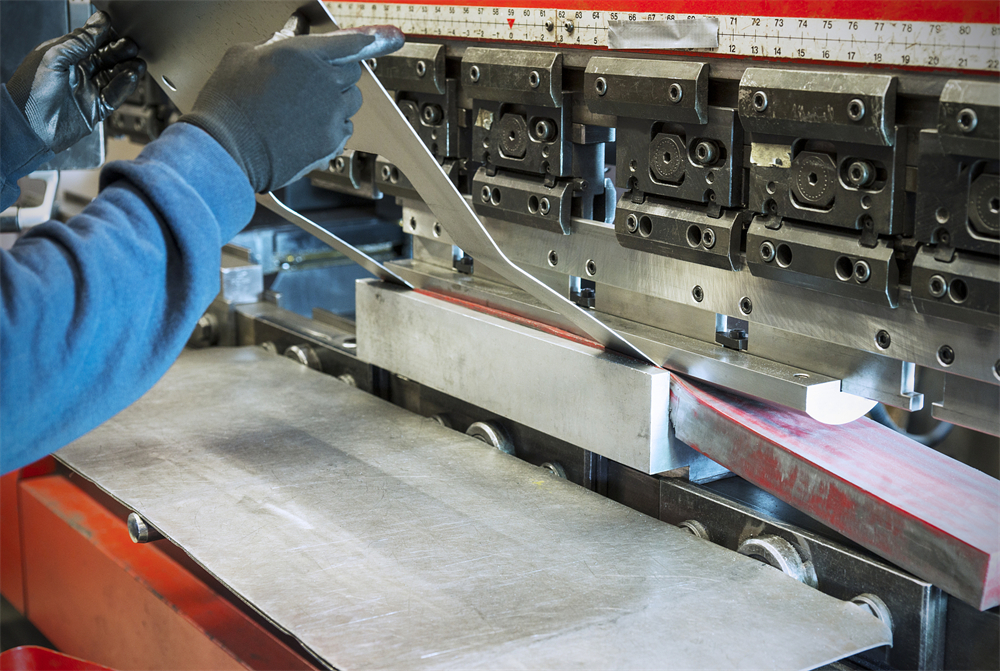
Key Considerations for Hydraulic System Health
The hydraulic system of a press brake is a closed-loop environment that relies on fluid cleanliness, temperature stability, and pressure integrity. The most common culprit behind performance degradation is often the simplest: fluid contamination. Over time, microscopic metal shavings, dust, and moisture can infiltrate the hydraulic oil, leading to accelerated wear on internal valve spools and pump components. Regular oil analysis is not just a recommendation; it is a necessity for high-precision machinery.
Temperature management is another critical factor. Hydraulic oil that is too cold will have a high viscosity, leading to sluggish operation during the first few hours of a shift. Conversely, oil that is consistently running too hot will lose its lubricating properties, leading to internal leakage within the cylinders. Ensuring that your HARSLE press brake is equipped with a functional oil cooler and that the ambient shop temperature is controlled will significantly extend the life of your hydraulic seals.
Furthermore, the integrity of the electrical signals sent to the hydraulic valves must be considered. Modern press brakes use proportional valves to control the speed and position of the ram. If the electrical signal is noisy or the valve solenoid is failing, the hydraulic system may appear to have a mechanical fault when the issue is actually electronic. Always verify that your control system is communicating correctly with the hydraulic manifold before tearing down the mechanical components.
Finally, consider the mechanical alignment of the ram and the bed. If the machine is not level or if the guides are worn, the hydraulic system may be working harder than necessary to overcome mechanical friction. This increased load can manifest as slow operation or an inability to reach the programmed tonnage, as the system struggles to compensate for mechanical resistance rather than hydraulic pressure loss.
Technical Details: Diagnosing Pressure Loss
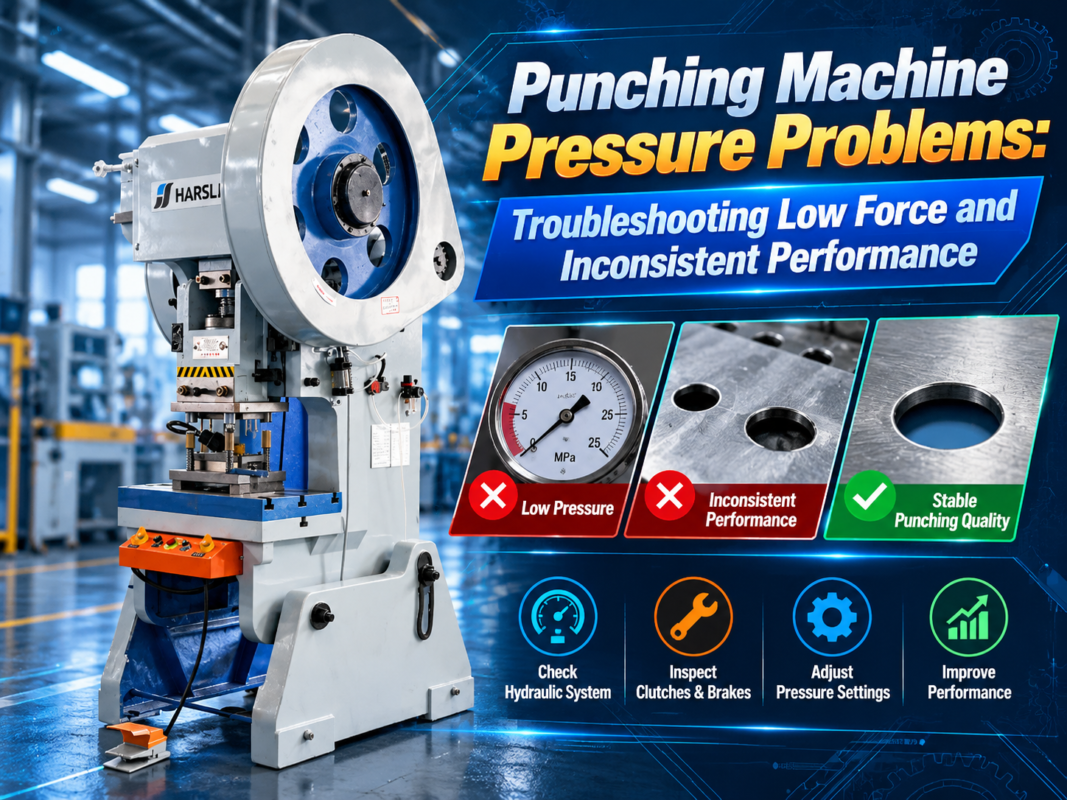
Pressure loss is perhaps the most concerning issue for operators, as it directly impacts the ability to bend material to the correct angle. When a press brake fails to reach its target tonnage, the first step is to check the main relief valve. This valve is designed to protect the system from over-pressurization, but if it is set too low or if the spring has weakened, it will bypass oil back to the reservoir prematurely, preventing the system from building full pressure.
Internal leakage is the second major cause of pressure loss. This often occurs within the hydraulic cylinders themselves. If the piston seals are worn, high-pressure oil will leak from the pressure side to the return side of the cylinder. This bypass creates a “soft” feel in the ram and prevents the machine from holding pressure at the bottom of the stroke. To test for this, technicians can perform a drift test, where the ram is held under pressure and monitored for movement over a set period.
The pump itself may also be the source of the problem. A worn hydraulic pump will struggle to maintain flow and pressure simultaneously. As the pump wears, its volumetric efficiency drops, meaning it takes longer to build pressure and the pressure may fluctuate during the bending cycle. Checking the pump’s output pressure against the manufacturer’s specifications using a calibrated gauge is the most accurate way to rule out pump fatigue.
Lastly, check the hydraulic hoses and fittings for external leaks. While an external leak is usually obvious, a pinhole leak in a high-pressure line can cause a significant drop in system performance. Always inspect the manifold blocks for signs of weeping or loose connections. Even a small amount of air trapped in the system can cause the pressure to feel spongy; ensure that the hydraulic circuit is properly bled after any maintenance or hose replacement.
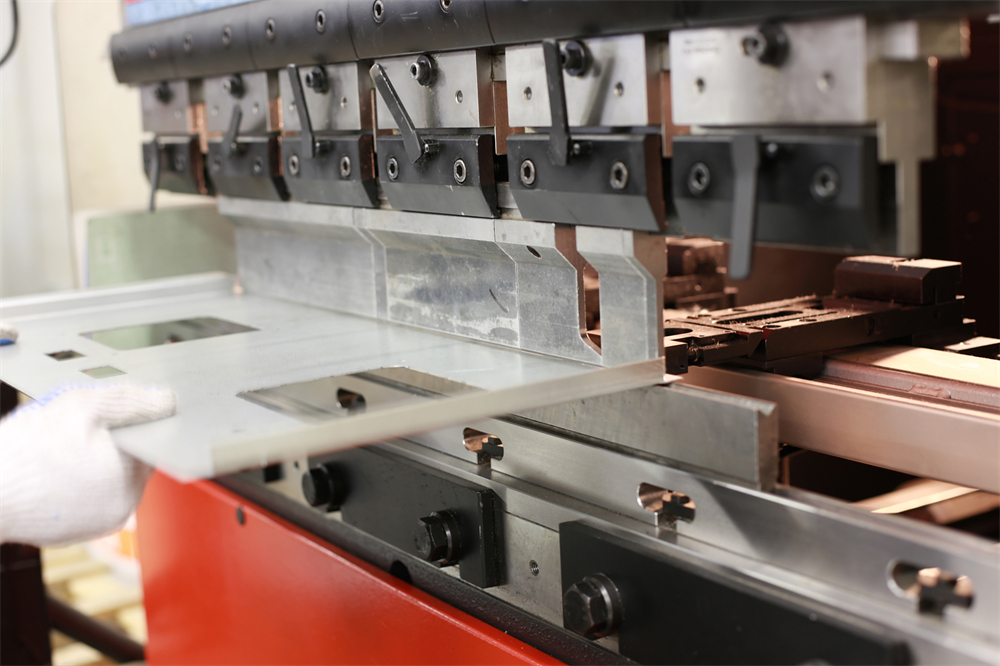
Troubleshooting Slow Operation
Slow operation in a press brake is often related to flow control rather than pressure. If the ram moves slowly during the approach phase, the issue likely lies with the high-speed pump or the rapid-advance valve. These components are designed to move the ram quickly to the workpiece before the high-pressure bending phase begins. If the rapid-advance valve is sticking or if the pilot pressure is insufficient, the machine will default to a slow, controlled speed throughout the entire stroke.
Another common cause of slow operation is a clogged suction filter. If the pump cannot draw enough oil from the reservoir, it will cavitate, leading to noisy operation and reduced flow. This is a simple maintenance item that is often overlooked. Replacing the suction filter and the return line filter should be the first step in any troubleshooting process for sluggish hydraulic movement.
Proportional valve calibration is also a frequent culprit. These valves control the speed of the ram based on input from the CNC controller. If the valve is dirty or if the calibration parameters in the controller have drifted, the valve may not be opening fully. Cleaning the valve spools with an ultrasonic cleaner or recalibrating the valve settings through the HARSLE control interface can often restore the machine to its original cycle times.
Finally, consider the viscosity of the hydraulic oil. If the wrong grade of oil is being used, or if the oil has degraded due to oxidation, its flow characteristics will change. Always adhere to the manufacturer’s recommended oil viscosity grade. Using a multi-grade hydraulic oil that maintains consistent viscosity across a wide temperature range is highly recommended for shops that experience significant seasonal temperature fluctuations.
Selection Advice: Choosing the Right Hydraulic Components
When it comes time to replace hydraulic components, quality should always take precedence over cost. The hydraulic system is the heart of your press brake, and using generic or low-quality aftermarket parts can lead to premature failure of other, more expensive components. Always source genuine HARSLE replacement parts to ensure compatibility and performance standards are met.
When selecting a hydraulic pump, consider the duty cycle of your shop. If you are running high-volume production, a variable displacement pump may offer better energy efficiency and longevity compared to a fixed displacement pump. While the initial investment is higher, the reduction in heat generation and energy consumption often pays for the difference within the first year of operation.
For valves, look for high-response proportional valves that offer precise control over ram position and speed. These valves are the key to achieving the high-accuracy bends that modern fabrication requires. If you are upgrading an older machine, retrofitting with modern, high-speed proportional valves can significantly improve both the speed and the accuracy of your press brake.
Finally, invest in a high-quality filtration system. Adding an off-line kidney-loop filtration system can keep your hydraulic oil cleaner than the standard on-board filters ever could. By continuously circulating the oil through a fine-micron filter, you remove contaminants before they have a chance to damage the sensitive valve spools and pump internals, effectively doubling the service life of your hydraulic components.
Frequently Asked Questions (FAQ)
Why does my press brake lose pressure during the bend?
Pressure loss during a bend is typically caused by internal leakage in the hydraulic cylinders, a faulty relief valve, or a worn pump. We recommend performing a drift test and checking the relief valve settings first.
How often should I change the hydraulic oil in my HARSLE press brake?
Under normal operating conditions, hydraulic oil should be changed every 2,000 to 4,000 operating hours. However, if your shop environment is dusty or if the machine runs at high temperatures, more frequent changes may be necessary based on oil analysis results.
What causes the ram to move slowly?
Slow ram movement is usually caused by a clogged suction filter, a sticking rapid-advance valve, or incorrect proportional valve calibration. Start by checking the filters and ensuring the hydraulic oil is at the correct operating temperature.
Can air in the hydraulic system cause performance issues?
Yes, air in the system causes “spongy” operation, inconsistent pressure, and noisy pump operation. If you have recently performed maintenance on the hydraulic lines, ensure the system is properly bled according to the HARSLE service manual.
Is it necessary to use specific hydraulic oil?
Yes, always use the oil grade specified in your machine’s manual. Using the wrong viscosity can lead to cavitation, overheating, and premature wear of the hydraulic pump and valves.
Conclusion
Maintaining the hydraulic integrity of your press brake is essential for consistent, high-quality metal fabrication. By understanding the common causes of Press Brake Hydraulic Problems: Troubleshooting Pressure Loss and Slow Operation, you can move from a reactive maintenance mindset to a proactive one. Regular inspections of filters, oil quality, and valve performance will not only save you money on emergency repairs but will also ensure that your HARSLE machine continues to deliver the precision your customers expect.
Remember that the hydraulic system is a complex assembly of interconnected parts. When troubleshooting, always follow a logical, step-by-step process, starting with the easiest and most common points of failure. If you find that the issue persists after performing these checks, do not hesitate to contact HARSLE technical support for expert guidance. Investing time in your machine’s health today is the best way to guarantee its performance for years to come.