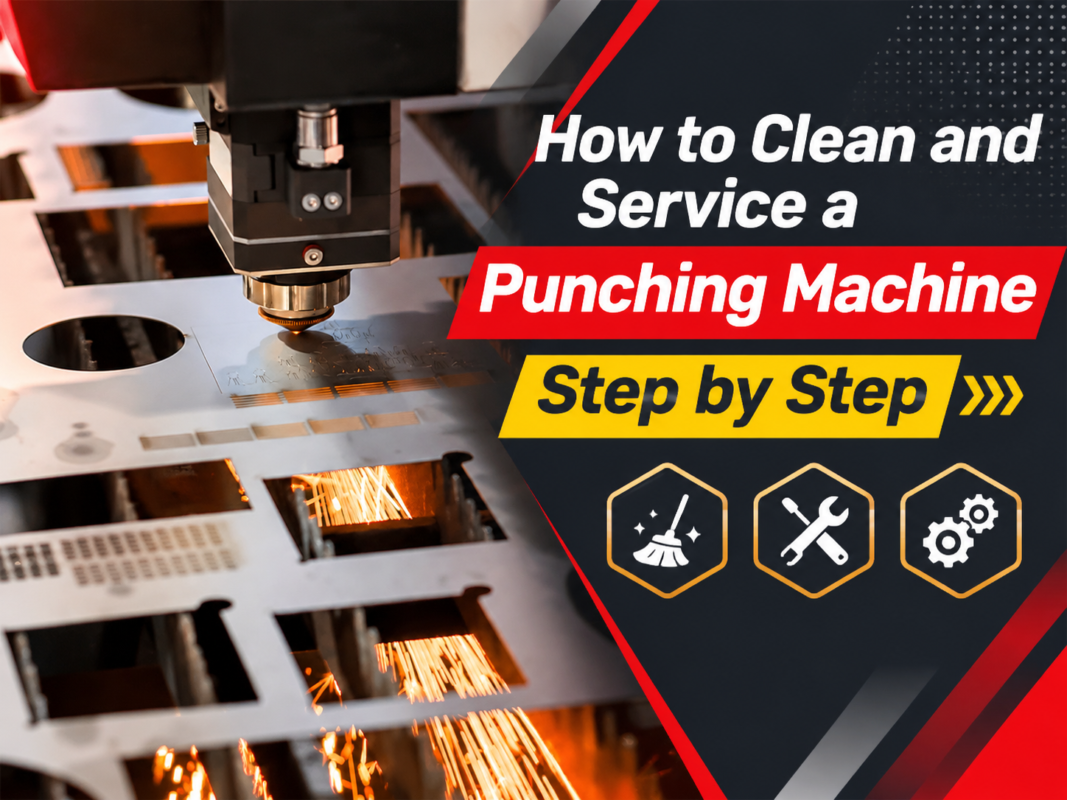
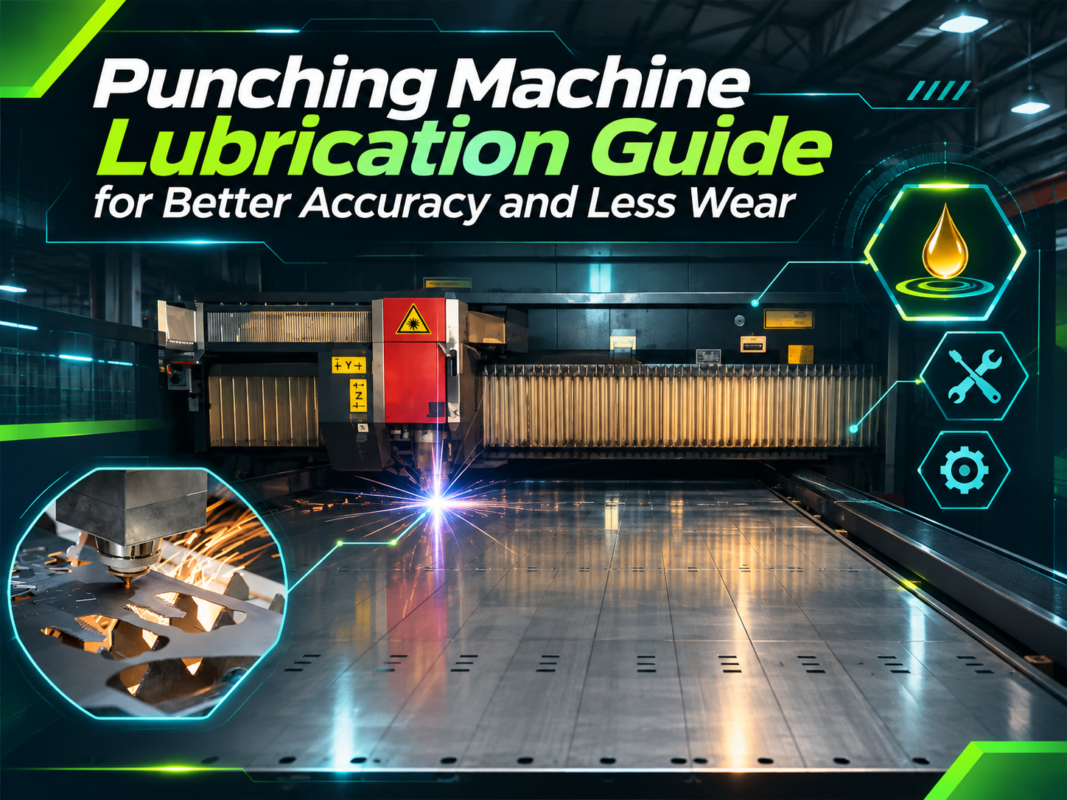
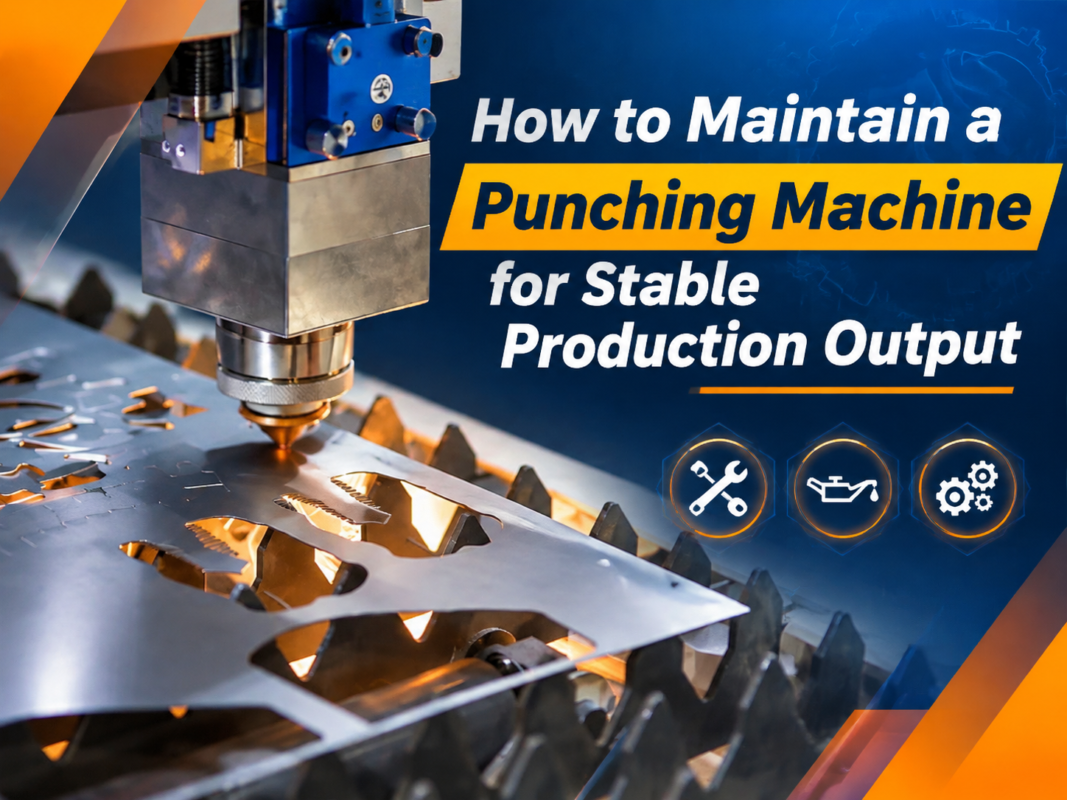
دور آلة التثقيب في تطبيقات الصفائح المعدنية عالية الدقة


مقدمة
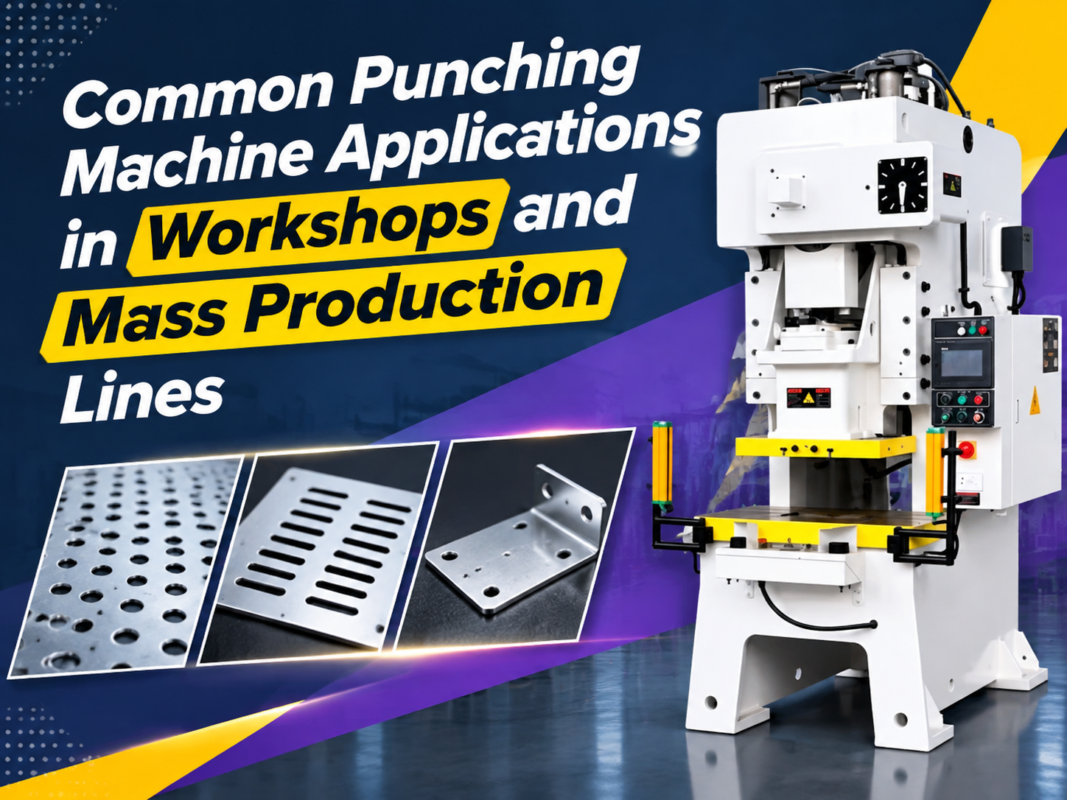
In the modern landscape of metal fabrication, the demand for speed, accuracy, and versatility has never been higher. As industries ranging from aerospace to automotive components evolve, the requirement for complex, high-precision parts has become the standard rather than the exception. At the heart of this manufacturing revolution lies the industrial punching machine. Understanding the role of a punching machine in high-precision sheet metal applications is essential for any facility looking to optimize its production workflow and maintain a competitive edge.
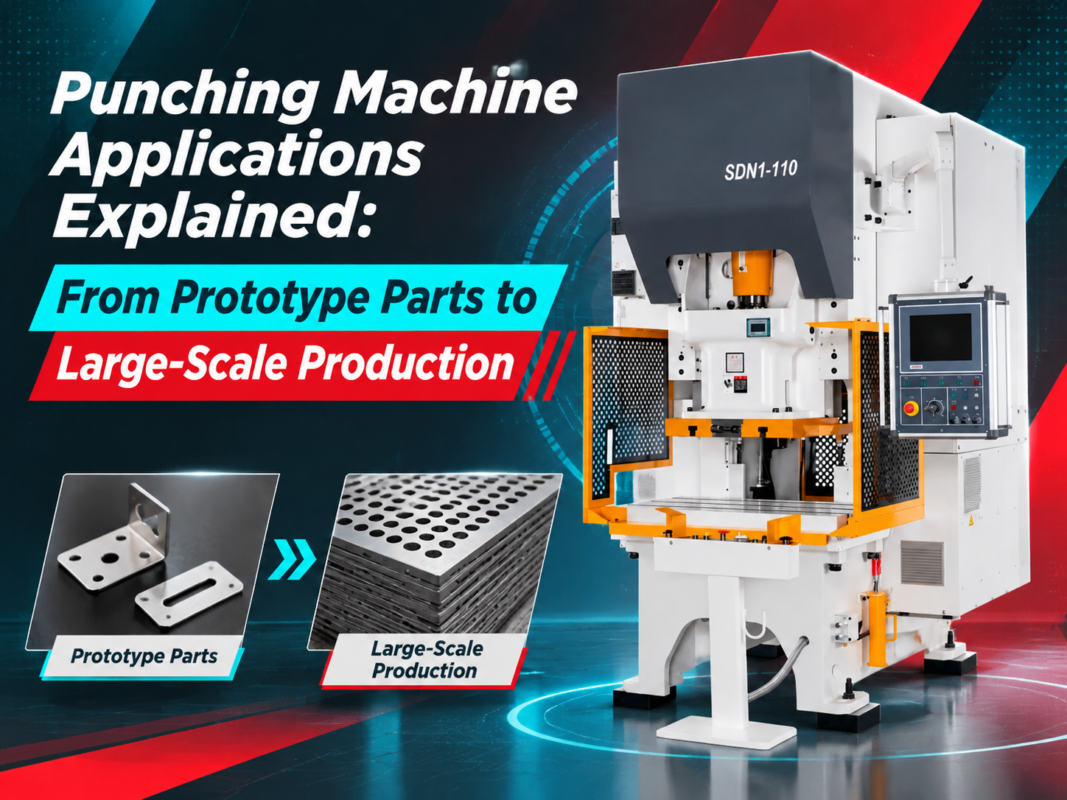
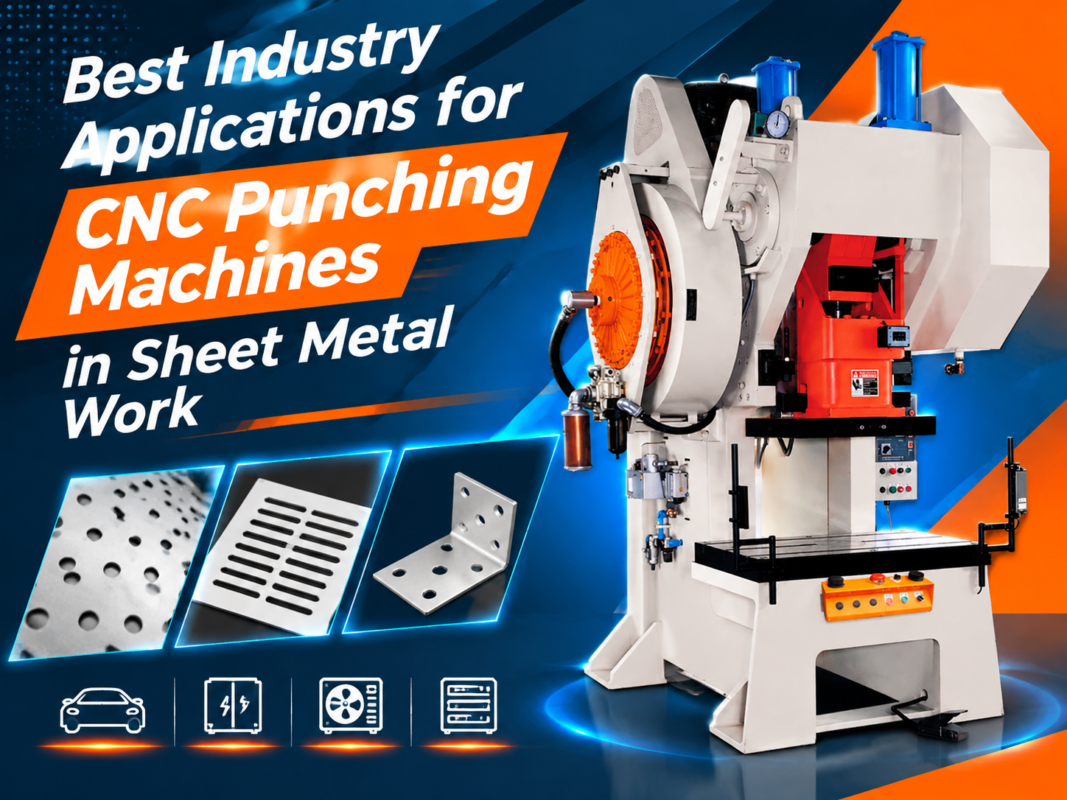
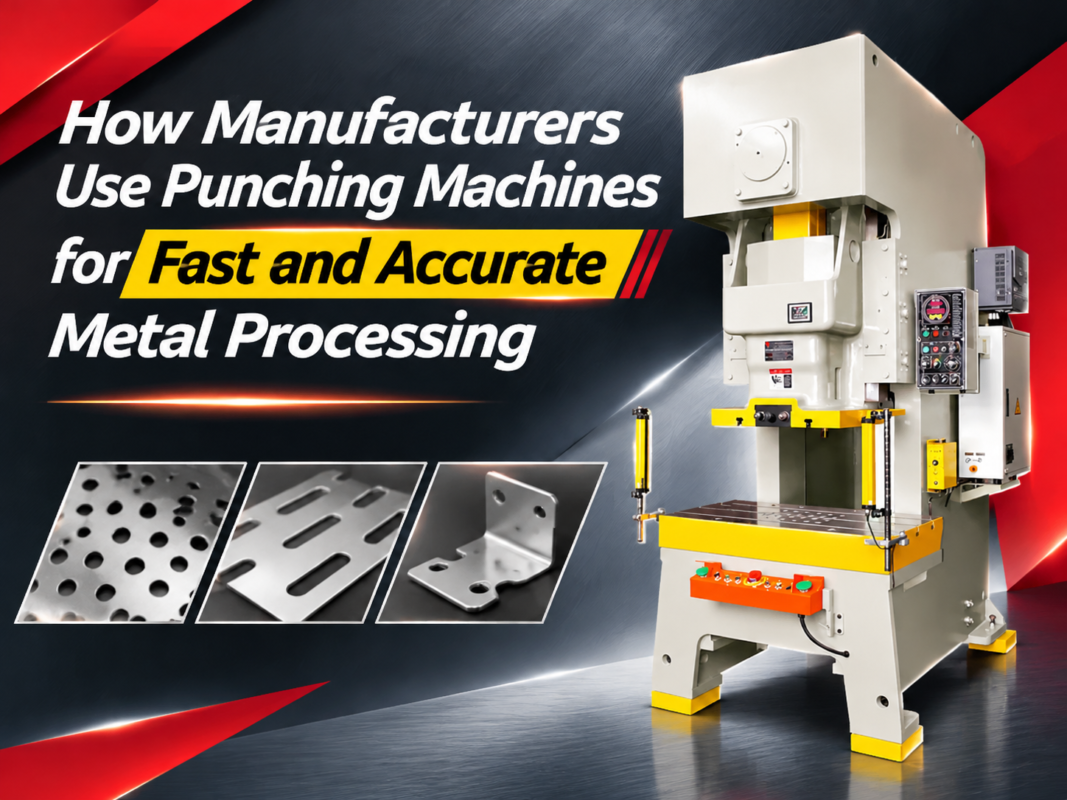
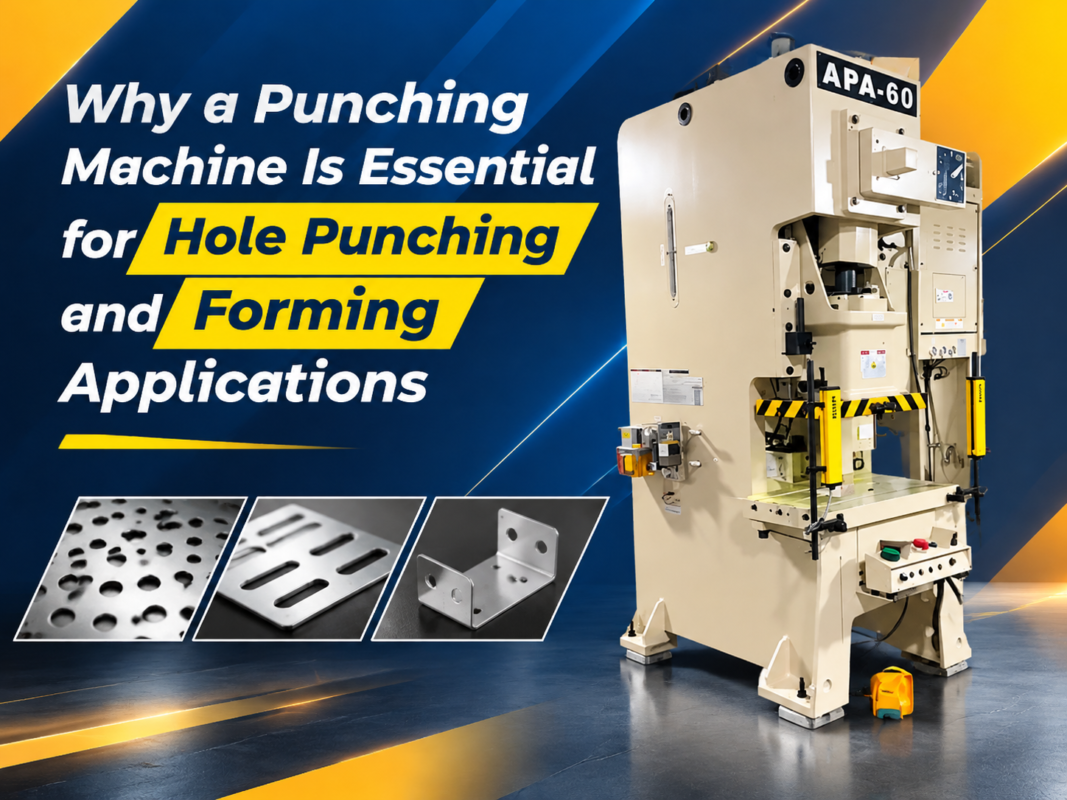
A punching machine is more than just a tool for creating holes; it is a sophisticated piece of industrial machinery capable of performing intricate forming, embossing, and cutting operations with micron-level accuracy. By utilizing a punch and die set, these machines exert immense force to shear through metal sheets, creating clean, burr-free edges that are critical for assembly-ready components. KAVDO, as a leader in metal fabrication equipment, recognizes that the integration of these machines is the cornerstone of efficient high-precision production.
The evolution of punching technology, particularly with the advent of CNC (Computer Numerical Control) systems, has transformed the role of a punching machine in high-precision sheet metal applications from a manual labor task to a fully automated, high-speed process. Today’s machines are capable of handling diverse materials, from mild steel and stainless steel to aluminum and copper, ensuring that manufacturers can meet the rigorous demands of modern engineering projects without compromising on quality or structural integrity.
This article explores the technical nuances, operational benefits, and strategic selection criteria for punching machines. Whether you are upgrading your current facility or setting up a new production line, understanding how these machines function within a high-precision environment is the first step toward achieving manufacturing excellence.
Key Considerations for High-Precision Punching
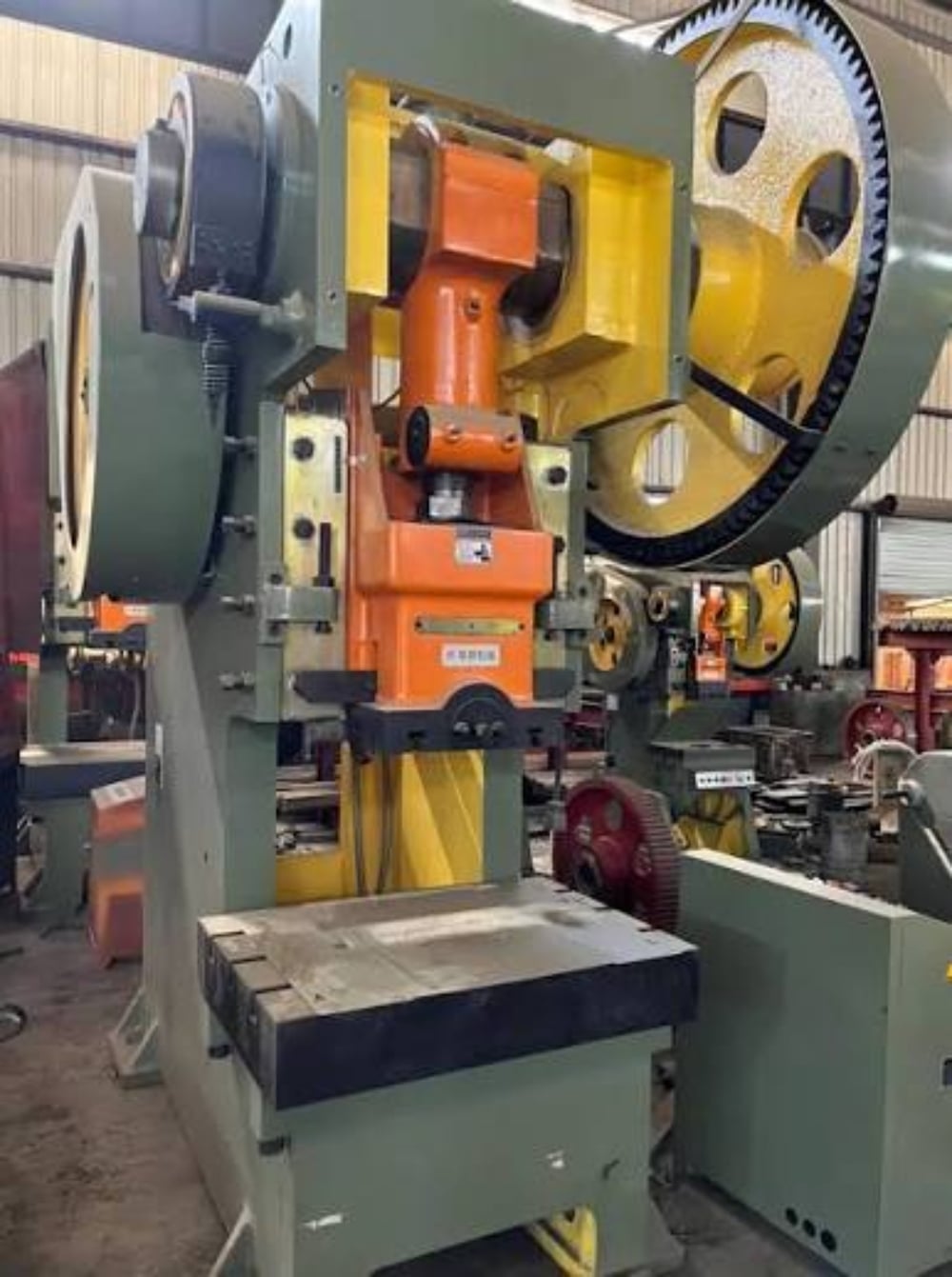
Achieving high precision in sheet metal fabrication is not solely dependent on the machine itself; it requires a holistic approach that considers material properties, tooling quality, and environmental factors. When evaluating the role of a punching machine in high-precision sheet metal applications, one must first consider the material thickness and type. Different metals react differently under the stress of a punch, and understanding these material characteristics is vital for preventing deformation and ensuring dimensional accuracy.
Tooling quality is another critical factor. The punch and die must be perfectly aligned and maintained to ensure that the clearance between them is optimal. Even a slight misalignment or dullness in the punch can lead to burrs, uneven edges, or material distortion. High-precision applications demand high-quality, hardened steel tooling that can withstand the repetitive impact forces while maintaining sharp cutting edges over thousands of cycles.
The stability of the machine frame is equally important. High-precision punching involves high-speed movements and significant impact forces. A machine with a robust, vibration-dampening frame ensures that the punch remains perfectly centered throughout the operation. KAVDO’s engineering focus on rigid, heavy-duty frames is designed specifically to mitigate the effects of these forces, providing a stable platform that minimizes errors and maximizes the lifespan of both the machine and the tooling.
Finally, the software integration plays a pivotal role. Modern CNC systems allow for precise control over the stroke, speed, and positioning of the punch. By utilizing advanced programming, operators can optimize the punching sequence to minimize heat buildup and material stress, which are common culprits in precision loss. Effective software management ensures that every hole, notch, or form is placed with exact coordinates, meeting the strict tolerances required by high-end industrial applications.
Technical Details of Modern Punching Machines
Modern punching machines are marvels of mechanical and digital engineering. At their core, they utilize a hydraulic or mechanical drive system to generate the force required to penetrate metal. Hydraulic systems are often preferred in high-precision applications because they offer consistent force throughout the entire stroke, allowing for better control over forming and embossing operations. This consistency is a key factor in the role of a punching machine in high-precision sheet metal applications.
The turret design is another technical highlight. Most high-precision punching machines feature a multi-station turret that can hold dozens of different tools. This allows the machine to perform a wide variety of operations—such as punching, louvers, tapping, and marking—without the need for manual tool changes. This capability significantly reduces downtime and increases the throughput of complex parts, making it an indispensable asset in a fast-paced manufacturing environment.
CNC control systems have evolved to include real-time monitoring and diagnostic capabilities. These systems track the health of the machine, monitor tool wear, and provide feedback on the punching process. If a deviation is detected, the system can automatically adjust parameters or alert the operator, preventing the production of defective parts. This level of automation is what separates standard fabrication from high-precision manufacturing.
Furthermore, the integration of automatic loading and unloading systems has taken the role of a punching machine in high-precision sheet metal applications to the next level. By automating the material handling process, manufacturers can achieve “lights-out” production, where the machine operates continuously with minimal human intervention. This not only increases productivity but also ensures that the precision is maintained consistently across large production runs, as the variables introduced by manual handling are removed.
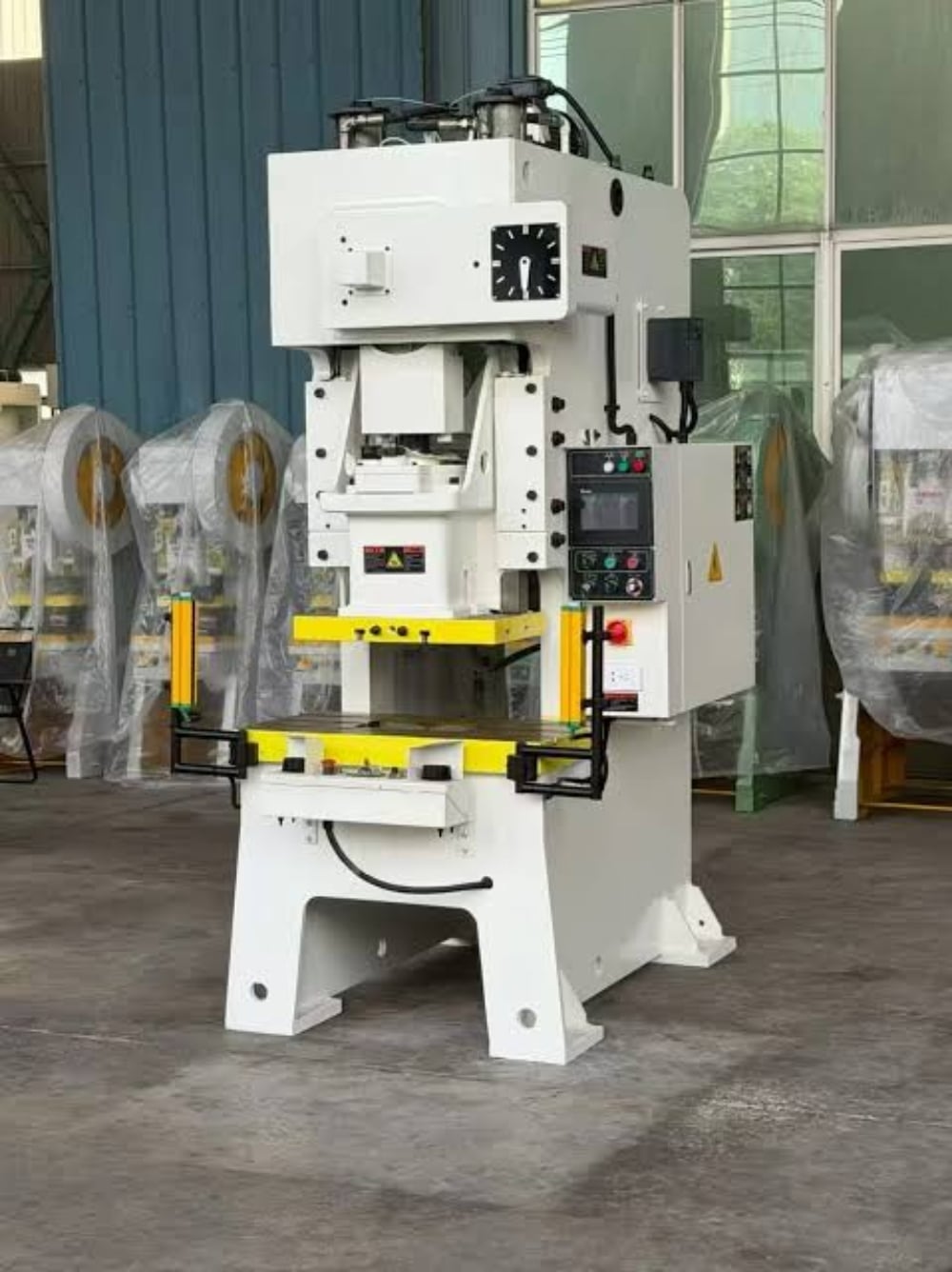
Selection Advice: Choosing the Right Equipment
Selecting the right punching machine is a strategic investment that requires careful analysis of your current and future production needs. The first step is to define the range of materials and thicknesses you intend to process. A machine that is perfect for thin aluminum sheets may not be suitable for heavy-duty steel plate fabrication. Always ensure that the machine’s tonnage capacity exceeds your maximum requirements to avoid overstressing the equipment.
Consider the complexity of the parts you produce. If your work involves frequent tool changes or complex geometries, a machine with a large turret capacity and an automatic tool changer is essential. Conversely, if your production is focused on high-volume, simple parts, a machine with a faster stroke rate and a simpler tool configuration might be more cost-effective. The goal is to balance versatility with speed to maximize your return on investment.
Look for manufacturers that offer comprehensive support and training. A punching machine is a long-term asset, and having access to expert technical support, spare parts, and software updates is crucial for maintaining its performance over time. KAVDO prides itself on providing not just the machinery, but a partnership that includes installation, training, and ongoing maintenance support to ensure your equipment remains at peak efficiency.
Finally, evaluate the energy efficiency and footprint of the machine. Modern industrial facilities are increasingly focused on sustainability and space optimization. Choosing a machine that utilizes energy-efficient hydraulic systems or servo-electric drives can significantly reduce your operational costs over the life of the machine. Additionally, consider the layout of your shop floor to ensure that the machine’s footprint allows for efficient material flow and operator safety.
Buyer’s Checklist for Punching Machines
- Maximum sheet thickness and material type compatibility.
- Tonnage capacity (ensure it meets your heaviest gauge requirements).
- Turret capacity and tool change speed.
- CNC software compatibility and ease of programming.
- Availability of local technical support and maintenance services.
- Energy consumption and operational cost efficiency.
- Safety features and compliance with international standards.
Specify the dimensions that make a punched part precision-critical
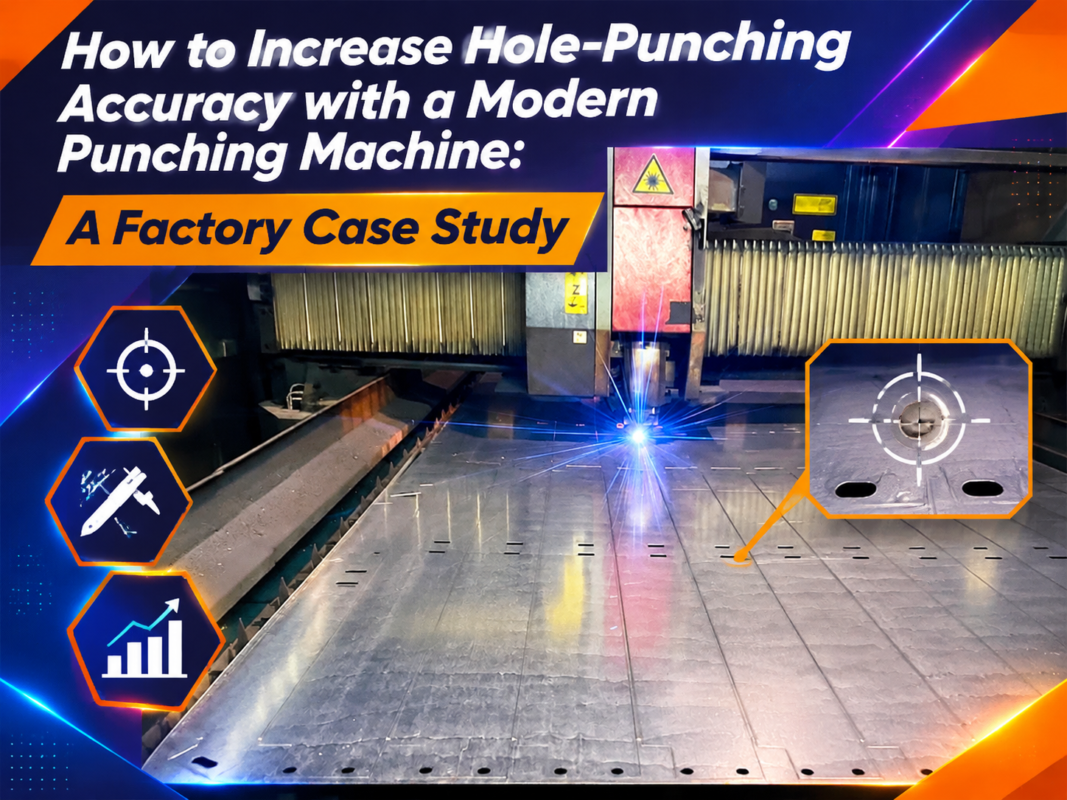
Mark required hole locations, tolerances and functional edges on the actual drawing. Compare across multiple stations where relevant and record how the part is held or repositioned. Check fit at the next assembly step.
FAQ: Understanding Punching Machine Operations
What is the primary role of a punching machine in high-precision sheet metal applications?
The primary role is to provide accurate, repeatable, and efficient cutting and forming of sheet metal. It ensures that complex parts are produced with tight tolerances, clean edges, and minimal material waste, which is essential for high-precision assembly.
How does CNC technology improve punching precision?
CNC technology allows for precise control over the X and Y coordinates of the sheet, as well as the timing and force of the punch stroke. This eliminates human error and ensures that every part is identical, regardless of the production volume.
Why is tool maintenance critical for high-precision punching?
Dull or misaligned tools cause burrs, material distortion, and inaccurate hole placement. Regular maintenance ensures that the punch and die maintain the correct clearance, which is vital for high-quality, burr-free results.
Can a punching machine perform operations other than cutting holes?
Yes, modern punching machines can perform a variety of operations, including embossing, louvers, tapping, marking, and even light forming, making them highly versatile tools in a fabrication shop.
What are the benefits of choosing a hydraulic punching machine?
Hydraulic punching machines offer consistent force throughout the entire stroke, which is ideal for forming and embossing. They are generally more robust and capable of handling thicker materials compared to some mechanical alternatives.
خاتمة
The role of a punching machine in high-precision sheet metal applications is foundational to modern manufacturing success. By providing the speed, accuracy, and versatility required to transform raw metal sheets into complex, high-quality components, these machines serve as the backbone of the fabrication industry. As we have explored, achieving high precision is a combination of selecting the right equipment, maintaining it with care, and leveraging the power of CNC technology to optimize production.
KAVDO remains committed to advancing the capabilities of metal fabrication equipment, ensuring that our clients have access to the most reliable and efficient punching solutions on the market. Whether you are looking to increase your production capacity, improve the quality of your parts, or streamline your manufacturing workflow, understanding the technical and strategic aspects of punching machines is the key to unlocking your facility’s full potential.
Investing in high-quality machinery is not just about the immediate benefits; it is about building a foundation for long-term growth and innovation. By prioritizing precision, efficiency, and reliability, you can ensure that your fabrication shop remains at the forefront of the industry, capable of meeting the challenges of tomorrow with confidence and excellence.