Shearing Machine Blade Gap Problems: How to Adjust for Cleaner Cuts


Introduction to Shearing Machine Precision
In the world of industrial metal fabrication, the shearing machine stands as a cornerstone of productivity. Whether you are operating a heavy-duty hydraulic guillotine or a mechanical swing beam shear, the quality of your output is fundamentally tied to the precision of your blade settings. When operators encounter shearing machine blade gap problems, the result is rarely just a minor inconvenience; it manifests as burrs, edge deformation, or excessive wear on the machine’s internal components. Understanding how to address these issues is essential for any shop aiming to maintain high-quality standards.
The blade gap—the distance between the upper and lower shearing blades—is the most critical variable in the cutting process. If the gap is too wide, the metal sheet will bend into the gap rather than shearing cleanly, leading to jagged edges and increased force requirements. Conversely, if the gap is too narrow, the blades may collide, causing catastrophic damage to the cutting edges. Mastering the art of adjusting this gap is not just about maintenance; it is about optimizing the longevity of your HARSLE equipment and ensuring every cut meets industrial tolerances.
This guide explores the technical intricacies of blade gap management. By diving deep into the physics of shearing and the practical steps required for adjustment, we aim to provide operators and shop managers with the knowledge needed to troubleshoot common issues. From material thickness considerations to the mechanical nuances of hydraulic adjustment systems, we will cover everything you need to know to achieve cleaner, more efficient cuts in your daily operations.
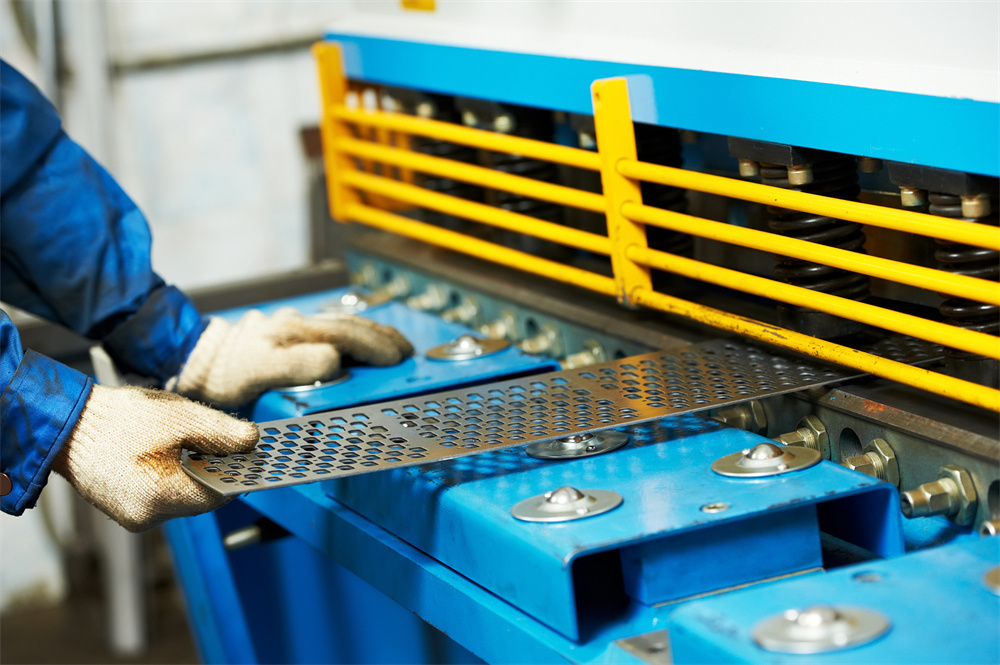
Key Considerations for Blade Gap Management
Before attempting any adjustments, it is vital to understand the relationship between material properties and the shearing process. Not all metals behave the same way under pressure. Mild steel, stainless steel, and aluminum have different shear strengths and ductility levels, which directly influence the ideal blade gap. A common mistake in many fabrication shops is using a ‘one-size-fits-all’ gap setting, which inevitably leads to poor edge quality and premature blade dulling.
The thickness of the material is the primary factor in determining the gap. As a general rule of thumb, the gap should be set to approximately 5% to 10% of the material thickness. For thinner sheets, a tighter gap is required to prevent the material from being pulled into the clearance space. For thicker plates, a slightly wider gap is necessary to allow for the natural deformation of the metal as the blade penetrates the surface. Ignoring these proportions is the leading cause of shearing machine blade gap problems.
Environmental factors and machine condition also play a significant role. Over time, the structural integrity of the shear frame can be affected by heavy usage, leading to slight misalignments. Furthermore, temperature fluctuations in a workshop can cause minor thermal expansion in the blades and the bed. Regular calibration checks should be part of your preventative maintenance schedule to ensure that the gap remains consistent across the entire length of the blade, especially when working on large-format sheets.
Finally, consider the condition of the blades themselves. If the blades are chipped or rounded, no amount of gap adjustment will produce a clean cut. The blade gap is only effective when the cutting edges are sharp and properly aligned. Before adjusting the gap, always inspect the blades for signs of wear. If the edges are compromised, the gap adjustment will only mask the problem temporarily rather than solving the root cause of the poor cut quality.
Technical Details: How to Adjust for Cleaner Cuts
Adjusting the blade gap on a modern hydraulic shearing machine is a process that requires precision and a systematic approach. Most HARSLE shearing machines are equipped with a motorized or manual gap adjustment system located on the side or front of the machine. The first step in the adjustment process is to consult the manufacturer’s chart, which provides the recommended gap settings based on the material type and thickness being processed.
To begin the adjustment, ensure the machine is in a safe state, with the power locked out if you are performing manual measurements. Use a feeler gauge to measure the existing gap at several points along the length of the blade. It is common for the gap to be slightly wider at the ends than in the center due to frame deflection under load. If you find significant discrepancies, you must adjust the clearance mechanism to bring the blades back into parallel alignment.
When adjusting, move the lower blade or the bed in small increments. Many modern machines feature a digital readout or a calibrated dial that allows for precise adjustments in millimeters or thousandths of an inch. After making an adjustment, perform a test cut on a scrap piece of the same material and thickness. Inspect the cut edge under a magnifying glass or with a straight edge to check for burrs. If burrs are present on the bottom edge, the gap is likely too wide; if the burrs are on the top edge or the material is ‘smeared,’ the gap is likely too tight.
Documenting these settings is a best practice that saves time in the future. Create a logbook or a digital database that records the material type, thickness, and the optimal gap setting used for successful cuts. This ‘tribal knowledge’ becomes invaluable when training new operators or when switching between different production runs. Over time, this data will allow your team to anticipate the necessary adjustments before the first cut is even made, significantly reducing scrap rates and downtime.

Selection Advice for Shearing Equipment
When selecting a shearing machine, the ease of blade gap adjustment should be a primary consideration. If your shop handles a wide variety of materials and thicknesses, look for machines that offer motorized, programmable gap adjustment. This feature allows the operator to input the material parameters into the CNC controller, and the machine automatically sets the gap to the optimal position. This eliminates human error and ensures consistency across shifts.
Another factor to consider is the rigidity of the machine frame. A machine with a weak frame will deflect under heavy loads, causing the blade gap to open up during the cut. This is a common source of shearing machine blade gap problems that cannot be fixed by adjustment alone. Invest in a machine with a heavy-duty, stress-relieved steel frame to ensure that the blade gap remains stable even when shearing at the machine’s maximum rated capacity.
Consider the blade material and coating as well. High-carbon, high-chromium steel blades are standard for most applications, but if you are cutting abrasive materials like stainless steel or high-tensile alloys, specialized coatings can extend blade life and maintain cut quality for longer periods. A machine that supports quick-change blade systems will also reduce the time spent on maintenance, allowing your team to keep the machine in peak condition without significant production delays.
Finally, evaluate the manufacturer’s support and documentation. A reputable supplier like HARSLE provides comprehensive manuals, training videos, and technical support to help you navigate the complexities of machine maintenance. When purchasing, ask about the availability of spare parts and the ease of accessing the adjustment mechanisms. A machine that is easy to maintain is a machine that will remain profitable for years to come.
FAQ: Troubleshooting Common Shearing Issues
- Q: Why do I see burrs on the bottom of my cut?
A: Burrs on the bottom edge usually indicate that the blade gap is too wide. The material is being pulled into the gap instead of being sheared cleanly. Reduce the gap incrementally until the burr disappears. - Q: What happens if the blade gap is too tight?
A: A gap that is too tight causes the blades to rub against each other, leading to rapid blade wear, chipping, and increased power consumption. It can also cause the material to ‘pinch’ or deform. - Q: How often should I check the blade gap?
A: You should check the gap whenever you change the material thickness or type. For high-volume production, perform a daily check to ensure the settings haven’t drifted due to vibration or thermal expansion. - Q: Can I use the same gap for stainless steel and mild steel?
A: Generally, no. Stainless steel is tougher and work-hardens, often requiring a slightly different gap setting than mild steel. Always refer to your machine’s specific material chart. - Q: What is the best way to clean the blade area?
A: Use compressed air to remove metal shards and debris, but be careful not to blow dust into the machine’s internal components. Wipe the blades with a light machine oil to prevent rust and ensure smooth operation.
Conclusion
Solving shearing machine blade gap problems is a fundamental skill that separates high-performing fabrication shops from the rest. By understanding the physics of the cut, maintaining the mechanical integrity of your HARSLE equipment, and following a disciplined approach to gap adjustment, you can achieve cleaner cuts, reduce material waste, and extend the life of your blades. Remember that precision is a process, not a one-time event; it requires constant vigilance and a commitment to quality.
As you continue to refine your shearing processes, keep the focus on the relationship between material properties and machine settings. Use the tools at your disposal—feeler gauges, digital readouts, and detailed logs—to create a repeatable, high-quality workflow. By investing time in proper setup and maintenance, you ensure that your shearing machine remains a reliable workhorse in your facility, capable of delivering the precision your customers demand.
If you encounter persistent issues that cannot be resolved through standard adjustments, do not hesitate to reach out to professional technical support. Sometimes, underlying mechanical issues require expert intervention to restore the machine to its original factory specifications. With the right knowledge and a proactive approach, you can overcome any shearing challenge and maintain a competitive edge in the metal fabrication industry.