How a Punching Machine Reduced Sheet Metal Lead Time in a High-Mix Fabrication Shop


Introduction
In the modern landscape of metal fabrication, the ability to pivot quickly between diverse project requirements is the hallmark of a successful shop. High-mix, low-volume (HMLV) environments face unique challenges, primarily the constant need for rapid setup changes and the pressure to maintain short lead times. For many manufacturers, the bottleneck often lies in the initial cutting and forming stages. This is where the strategic implementation of a high-performance punching machine becomes a game-changer.
When we analyze how a punching machine reduced sheet metal lead time in a high-mix fabrication shop, we are looking at a fundamental shift in workflow efficiency. Unlike laser cutting, which can be slower for specific geometries or high-volume hole patterns, a punching machine offers unparalleled speed for repetitive features. By integrating HARSLE’s advanced punching technology, shops can transition from manual, time-consuming processes to automated, high-precision production cycles that keep pace with demanding client schedules.
The transition to automated punching is not merely about replacing old equipment; it is about rethinking the entire production flow. In a high-mix shop, the cost of downtime during tool changes is the primary enemy of profitability. Modern punching machines are designed to minimize this downtime through turret optimization and rapid tool-change systems. This article explores the technical and operational advantages that allow these machines to slash lead times and improve overall shop throughput.
As we delve into the mechanics of this transformation, we will examine how specific features—such as multi-tool stations, high-speed hydraulic or servo-driven rams, and intelligent nesting software—work in harmony. For shop owners and production managers, understanding these dynamics is essential for staying competitive in an industry where speed and precision are no longer optional, but mandatory requirements for survival.
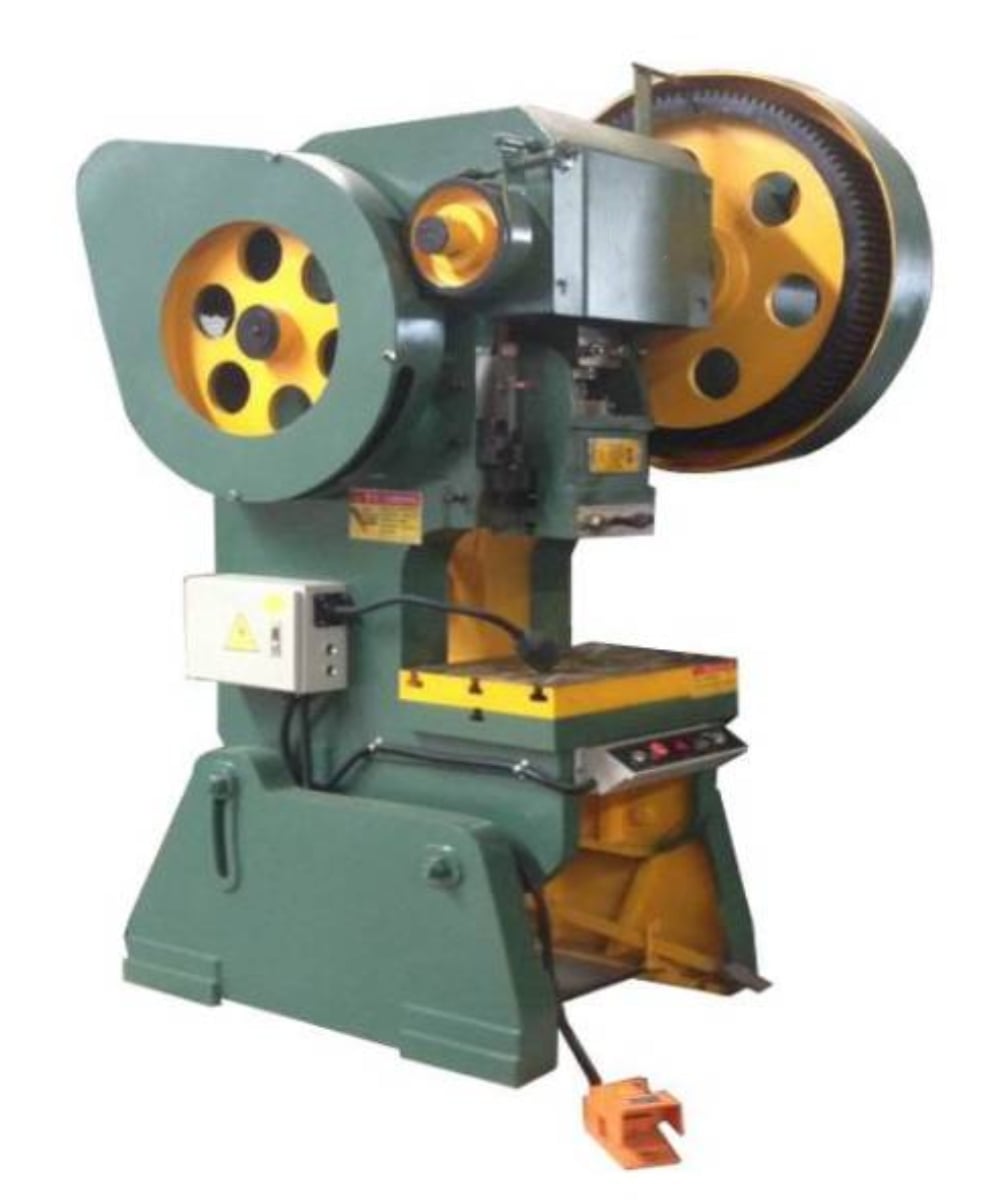
Key Considerations for High-Mix Fabrication
High-mix fabrication shops operate on the principle of agility. Every job is different, and every hour spent on machine setup is an hour lost in potential revenue. The first consideration when evaluating the impact of a punching machine is the reduction of non-productive time. In traditional shops, manual layout and drilling or slow-cutting processes create a backlog that ripples through the entire production line, delaying welding, bending, and finishing stages.
Another critical factor is the versatility of the tooling. A punching machine that supports a wide array of standard and custom tools allows a shop to handle diverse materials—from mild steel to stainless and aluminum—without needing to reconfigure the entire shop floor. By utilizing a turret-based system, operators can keep a vast library of tools ready for immediate use, significantly reducing the time required to switch between different customer orders.
Material utilization is also a key consideration. In a high-mix environment, scrap rates can quickly erode profit margins. Advanced punching machines utilize sophisticated nesting software that optimizes the placement of parts on the sheet, ensuring that the maximum amount of material is used. This not only reduces waste but also minimizes the time the machine spends cutting, as the pathing is optimized for the shortest possible travel distance between punches.
Finally, the integration of the punching machine into the shop’s digital ecosystem is paramount. Modern machines are no longer isolated units; they are part of a connected network. By linking the punching machine to ERP and CAD/CAM systems, shops can automate the transfer of design data, eliminating manual programming errors and ensuring that the machine is always ready for the next job in the queue. This seamless data flow is the backbone of reduced lead times.
Technical Details of Modern Punching Machines
The technical prowess of a modern punching machine lies in its drive system and turret design. HARSLE punching machines utilize high-precision servo-hydraulic systems that provide consistent force and speed, regardless of the material thickness. This consistency is vital for high-mix shops, as it ensures that the quality of the first part is identical to the quality of the hundredth part, even when the material specifications change frequently.
The turret configuration is perhaps the most significant technical feature for reducing lead times. A large-capacity turret allows for dozens of tools to be mounted simultaneously. This means that for most jobs, the machine does not require a tool change at all. When a change is necessary, automatic tool changers or quick-change die systems ensure that the process takes seconds rather than minutes. This capability is the primary reason why a punching machine reduced sheet metal lead time in a high-mix fabrication shop so effectively.
Furthermore, the inclusion of indexable stations adds another layer of versatility. An indexable station allows the punch to rotate, enabling the creation of complex shapes, tabs, and louvers without the need for specialized, expensive tooling. This flexibility allows shops to take on complex projects that would otherwise require secondary operations, thereby consolidating the manufacturing process and further reducing the time from raw material to finished component.
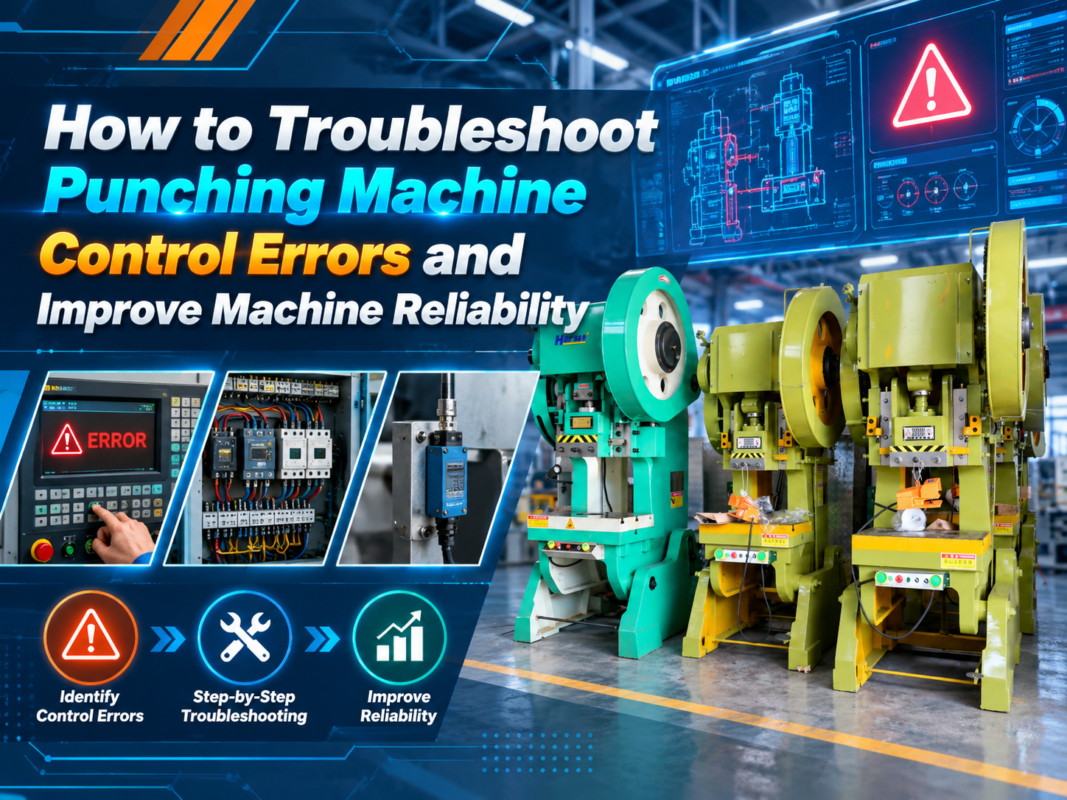
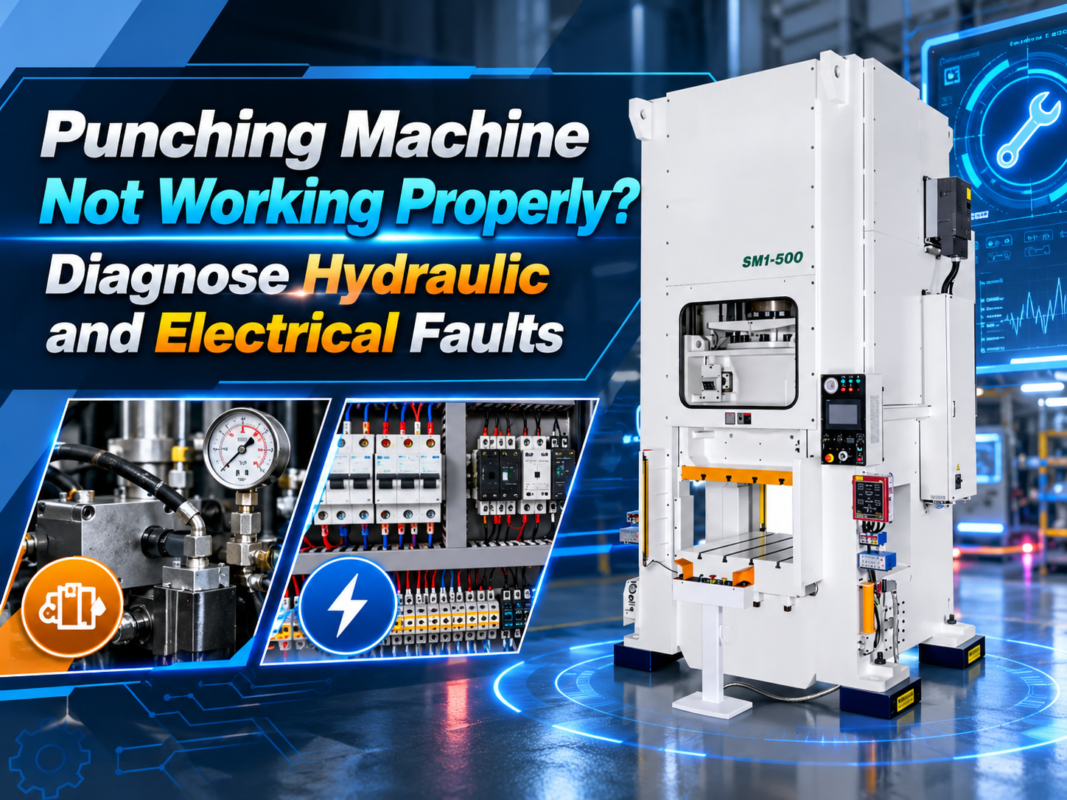
Advanced software integration also plays a crucial role. Modern punching machines feature intuitive HMI (Human-Machine Interface) panels that allow operators to monitor machine health, track production progress, and perform diagnostics in real-time. This level of visibility prevents unexpected breakdowns and allows for predictive maintenance, ensuring that the machine remains operational during peak production hours.
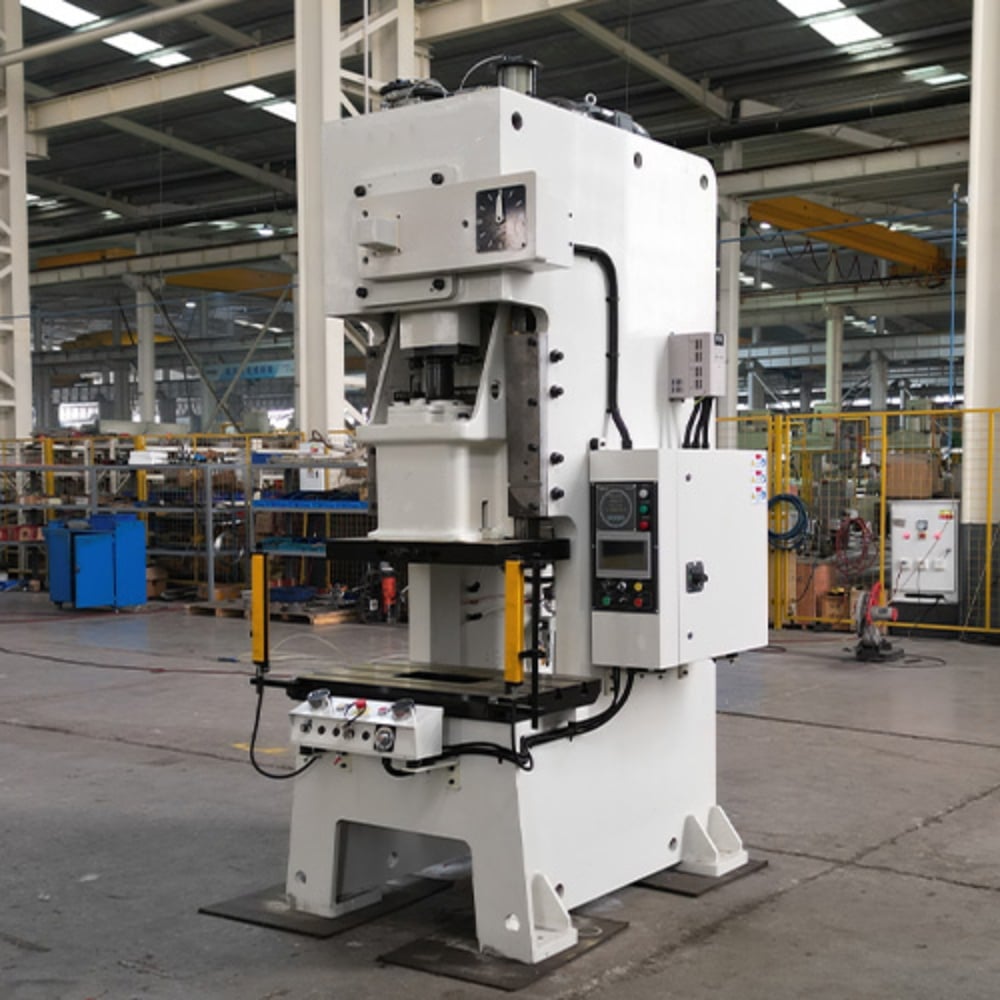
Selection Advice for Your Fabrication Shop
Choosing the right punching machine requires a deep understanding of your current and future production needs. Start by analyzing your historical job data: what are the most common material thicknesses, hole sizes, and part geometries? If your shop frequently produces parts with many small holes or repetitive patterns, a punching machine will offer a significantly higher return on investment compared to a laser cutter.
Consider the footprint and automation capabilities. If you are limited by floor space, look for compact designs that still offer a high number of turret stations. If your goal is to operate lights-out or with minimal supervision, consider machines that support automated loading and unloading systems. These systems can feed raw sheets into the machine and stack finished parts, allowing your team to focus on higher-value tasks like assembly and quality control.
Evaluate the support and service infrastructure provided by the manufacturer. A punching machine is a long-term investment, and you need a partner who can provide timely technical support, spare parts, and training. HARSLE prides itself on offering comprehensive after-sales support, ensuring that your machine remains a reliable asset for years to come. Do not overlook the importance of training; an operator who understands the full capabilities of the machine will be far more efficient than one who only knows the basics.
Finally, look at the total cost of ownership, not just the purchase price. This includes energy consumption, tooling costs, and maintenance requirements. A machine that is slightly more expensive upfront but offers lower energy usage and longer tool life will almost always be the more economical choice in the long run. By focusing on these criteria, you can select a machine that not only meets your current needs but also scales with your business growth.
FAQ: Optimizing Punching Operations
- How does a punching machine compare to a laser cutter for lead times? For high-mix shops with many holes or repetitive shapes, punching is significantly faster. Lasers are better for complex, non-repetitive contours, but punching excels in speed for standard features.
- Can a punching machine handle different material types? Yes, modern punching machines are highly versatile and can process mild steel, stainless steel, aluminum, and copper with the correct tooling and pressure settings.
- What is the biggest factor in reducing lead time with a punch? The reduction of tool changeover time through large-capacity turrets and automated tool management is the primary driver of lead time reduction.
- How often does a punching machine require maintenance? Regular maintenance, such as lubricating the turret and checking hydraulic fluid levels, should be performed according to the manufacturer’s schedule, typically every 500 to 1,000 operating hours.
- Is specialized training required for operators? While modern HMIs are user-friendly, specialized training is recommended to maximize the machine’s efficiency, particularly for complex nesting and tool programming.
Conclusion
The evidence is clear: when a shop integrates the right technology, the results are transformative. We have explored how a punching machine reduced sheet metal lead time in a high-mix fabrication shop by streamlining tool changes, optimizing material usage, and automating complex production sequences. In an industry where the ability to deliver high-quality parts on a tight schedule defines market leadership, the punching machine stands out as an essential tool for success.
By choosing a robust, high-performance machine from HARSLE, fabrication shops can move beyond the limitations of manual processes and embrace a future of efficiency and precision. Whether you are looking to expand your capabilities or simply optimize your current workflow, the investment in punching technology is one that pays dividends in both time and profitability. As you evaluate your shop’s needs, remember that the goal is not just to cut metal, but to create a seamless, responsive production environment that keeps your customers coming back.
Ultimately, the success of your fabrication shop depends on your ability to adapt. By leveraging the speed and versatility of modern punching machines, you position your business to handle the complexities of high-mix production with ease. Take the next step in your shop’s evolution and discover how HARSLE can help you achieve your production goals and set new standards for lead time performance in the metal fabrication industry.