How to Keep a Punching Machine Running Efficiently in Heavy-Duty Production: The Ultimate HARSLE Guide


The Critical Importance of Maintenance in Heavy-Duty Metal Fabrication
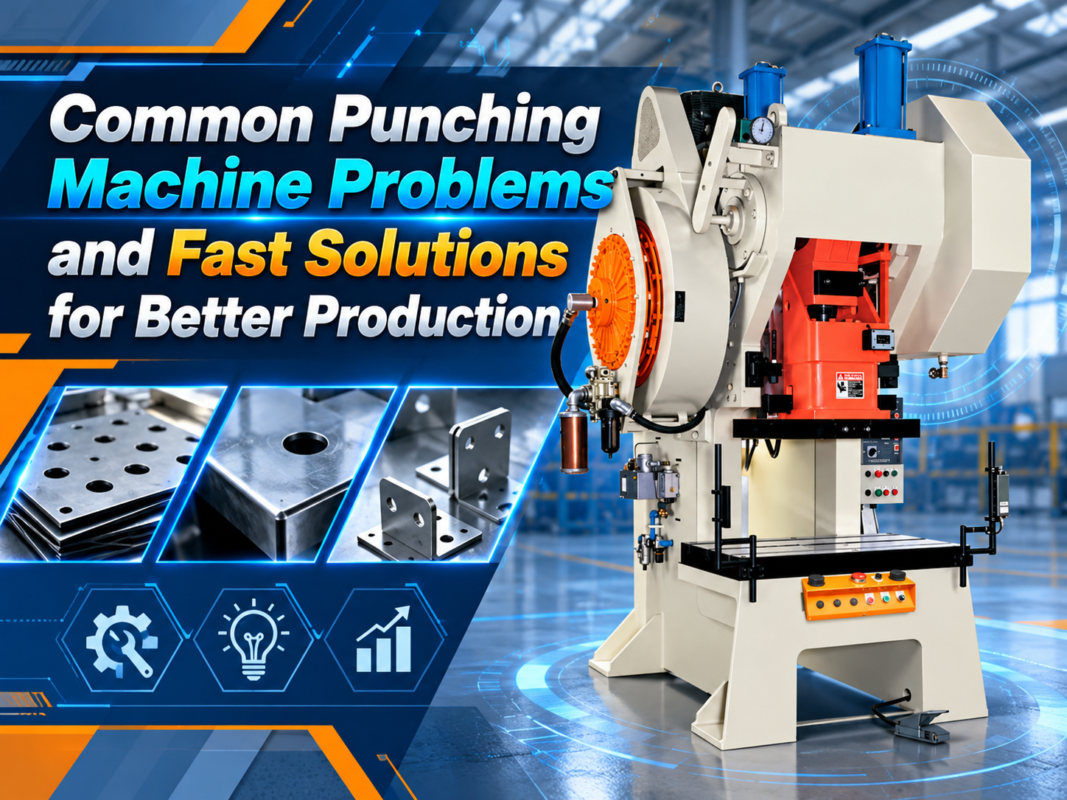
In the high-stakes world of industrial metal fabrication, the punching machine serves as the backbone of production lines. Whether you are operating a high-speed CNC turret punch or a robust hydraulic punching machine, the ability to keep a punching machine running efficiently in heavy-duty production is the difference between meeting tight deadlines and facing costly downtime. When machines operate under constant stress, components experience fatigue, thermal expansion, and mechanical wear that can compromise precision and safety.
Maintenance is not merely a reactive task to fix broken parts; it is a proactive strategy to ensure the longevity of your investment. HARSLE emphasizes that a well-maintained machine produces consistent, high-quality parts with minimal burrs and dimensional errors. By prioritizing routine care, manufacturers can avoid the catastrophic failure of critical components like the ram, the turret, or the hydraulic pump, which are expensive to replace and time-consuming to install.
Furthermore, efficiency in heavy-duty production is directly tied to energy consumption and material waste. A machine that is poorly maintained requires more force to execute a punch, leading to increased power draw and potential damage to the tooling. By keeping your equipment in peak condition, you reduce the carbon footprint of your facility and ensure that every kilowatt of energy is converted into productive output rather than overcoming mechanical friction or resistance.
Finally, safety remains the paramount concern in any metal fabrication environment. A punching machine that is not running efficiently often exhibits erratic behavior, such as delayed cycle times or inconsistent clamping pressure. These anomalies pose significant risks to operators. Implementing a rigorous maintenance program ensures that all safety interlocks, emergency stops, and guarding systems are fully functional, protecting your most valuable asset: your workforce.
Daily Inspection Protocols for Maximum Uptime
To keep a punching machine running efficiently in heavy-duty production, operators must adopt a ‘clean-as-you-go’ philosophy. Daily inspections are the first line of defense against unexpected failures. Before the start of every shift, the operator should perform a visual walkthrough of the machine, checking for any loose bolts, unusual vibrations, or signs of fluid leaks. Even a small puddle of hydraulic oil can indicate a failing seal that, if left unattended, could lead to a total system pressure loss.
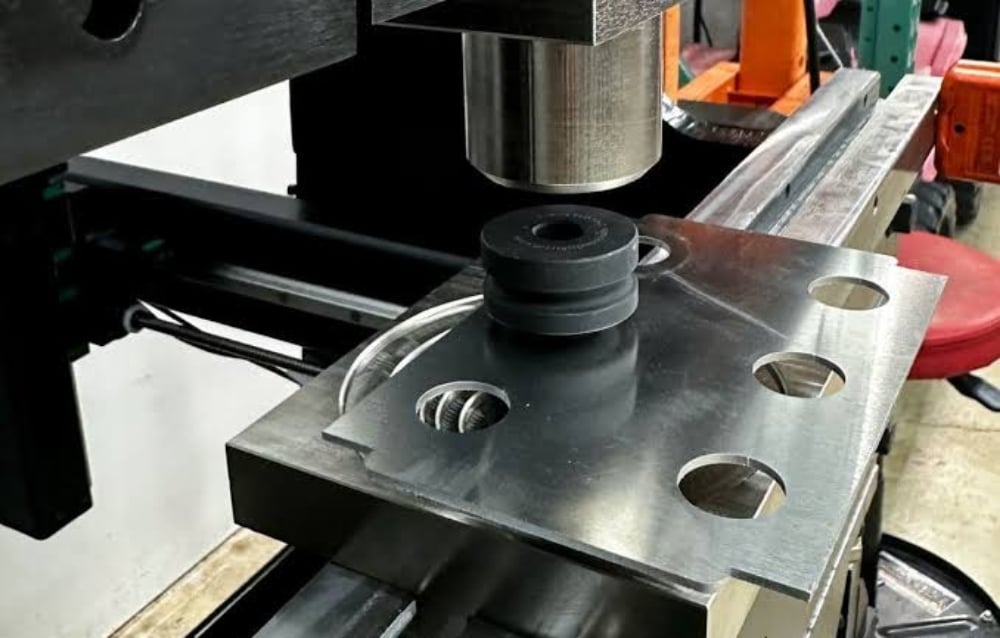
The turret and tool holders require specific attention during daily checks. Debris, metal shavings, and dust are the enemies of precision punching. Ensure that the die and punch holders are free from obstructions. If the turret is not indexed correctly or if there is debris in the guide bushings, the machine will experience increased friction, leading to premature wear on the punching tools and potential damage to the turret assembly itself.
Check the clamping system daily. In heavy-duty production, the sheet metal must be held firmly in place to ensure accurate hole placement. If the clamps are loose or if the hydraulic pressure to the clamps is inconsistent, the material may shift during the punching cycle. This not only ruins the workpiece but can also cause the punch to strike the die at an angle, leading to tool breakage or damage to the machine’s ram.
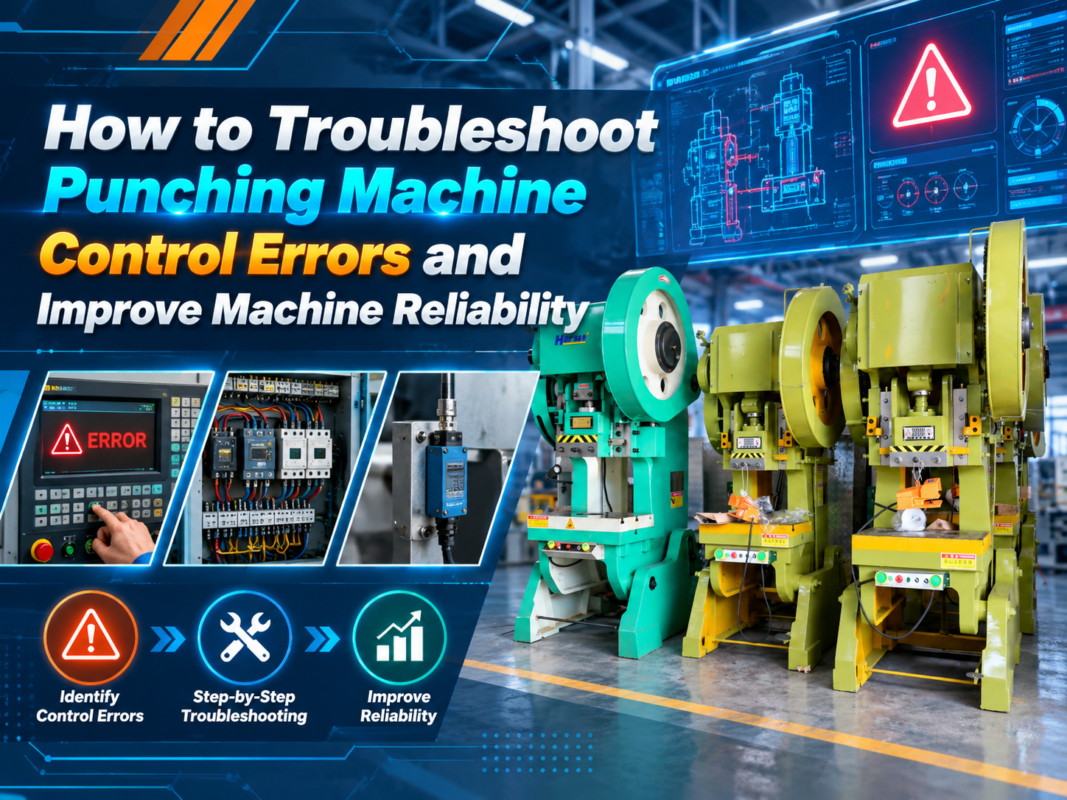
Finally, verify the status of the control panel and software interface. Ensure that all error logs are clear and that the machine is communicating correctly with the CAD/CAM software. If the machine displays any warning codes, address them immediately rather than ignoring them until the end of the shift. Small software glitches can often be the precursor to larger electrical issues that could halt production entirely.
Hydraulic, Electrical, and Mechanical System Checks
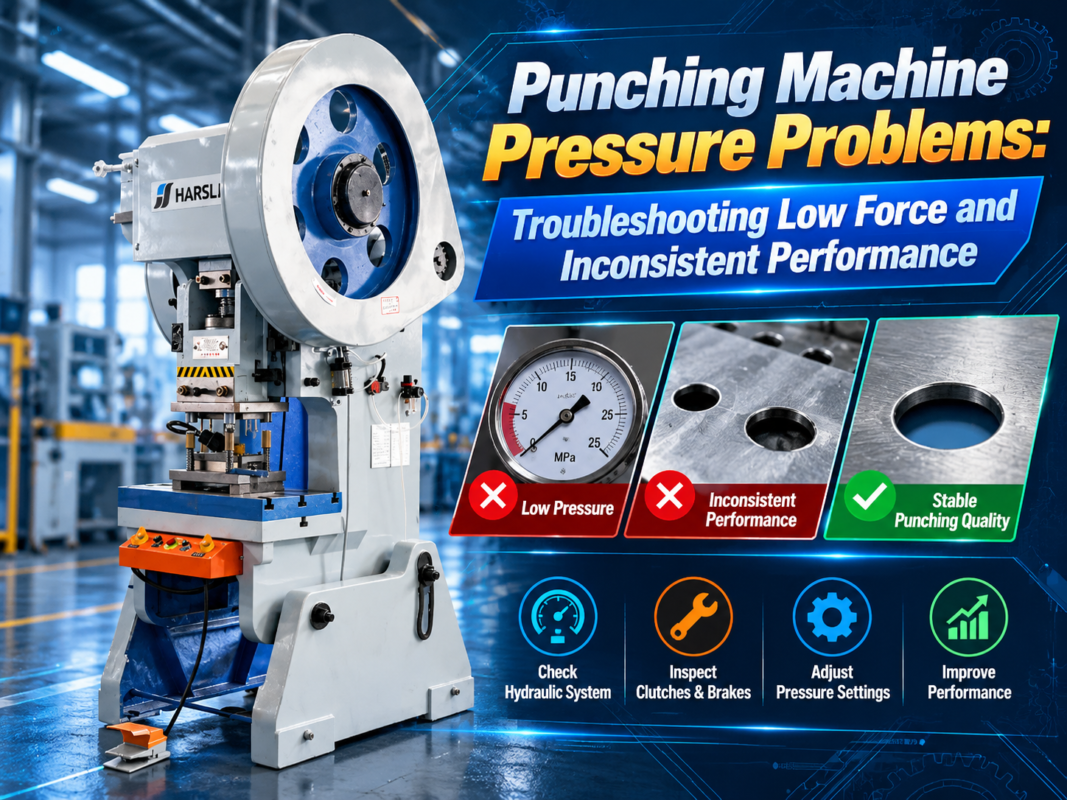
The hydraulic system is the heart of most heavy-duty punching machines. To keep a punching machine running efficiently in heavy-duty production, you must monitor the hydraulic fluid quality and pressure levels. Contaminated oil is the leading cause of valve failure and pump degradation. Regularly check the oil level and ensure that the filtration system is operating within the manufacturer’s specified parameters. If the oil appears cloudy or dark, it is time for a change.
Electrical systems require a different approach. Modern punching machines are controlled by sophisticated PLCs and CNC controllers. Ensure that the electrical cabinet is sealed properly to prevent dust ingress, which can cause short circuits or overheating of sensitive components. Periodically inspect the wiring harnesses for signs of fraying or heat damage, especially in areas where the machine experiences constant movement or vibration.
Mechanical components, including the ram guide, the drive belts, and the ball screws, must be inspected for wear. The ram guide is responsible for the vertical alignment of the punch; if it becomes loose, the punch will lose its perpendicularity, resulting in poor edge quality. Tighten and adjust these components according to the HARSLE maintenance manual to ensure that the machine maintains its factory-specified tolerances over years of heavy-duty use.
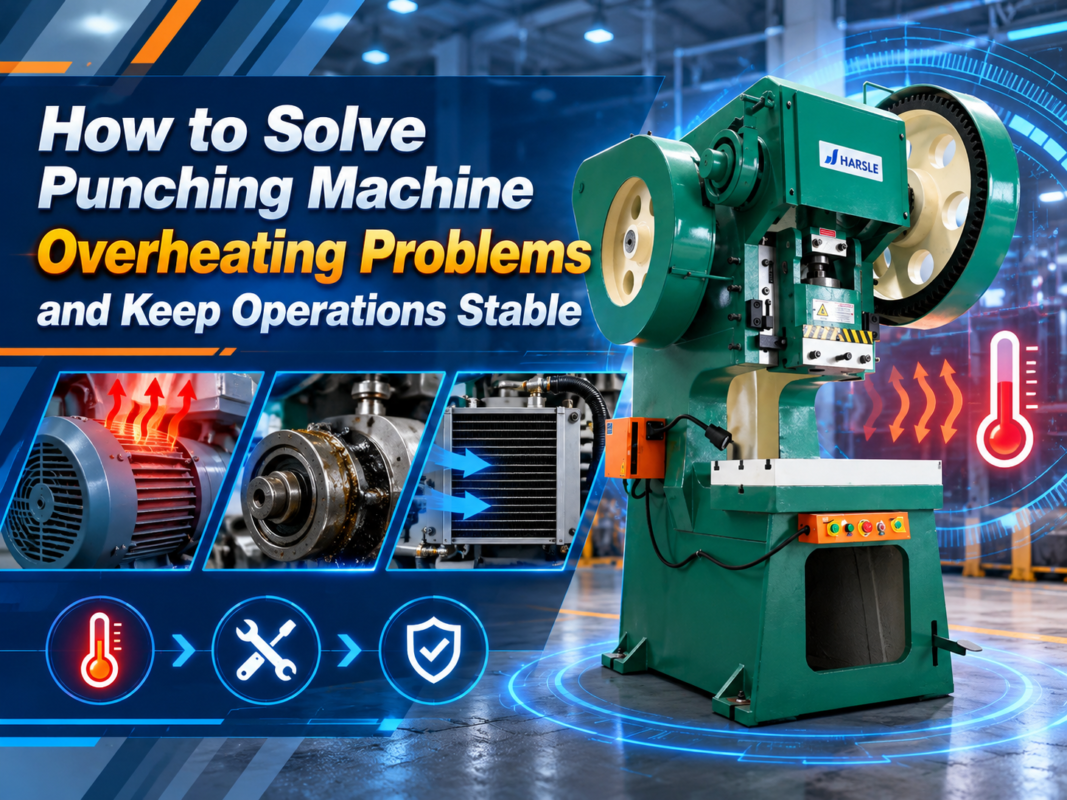
Don’t overlook the cooling system. Heavy-duty punching generates significant heat, which can cause thermal expansion in the machine frame and tooling. Ensure that the cooling fans are clean and that the heat exchangers are free from dust. If the machine is equipped with a liquid cooling system, check the coolant levels and ensure that the pump is circulating fluid effectively to prevent overheating during long production runs.
The Essential Lubrication Plan
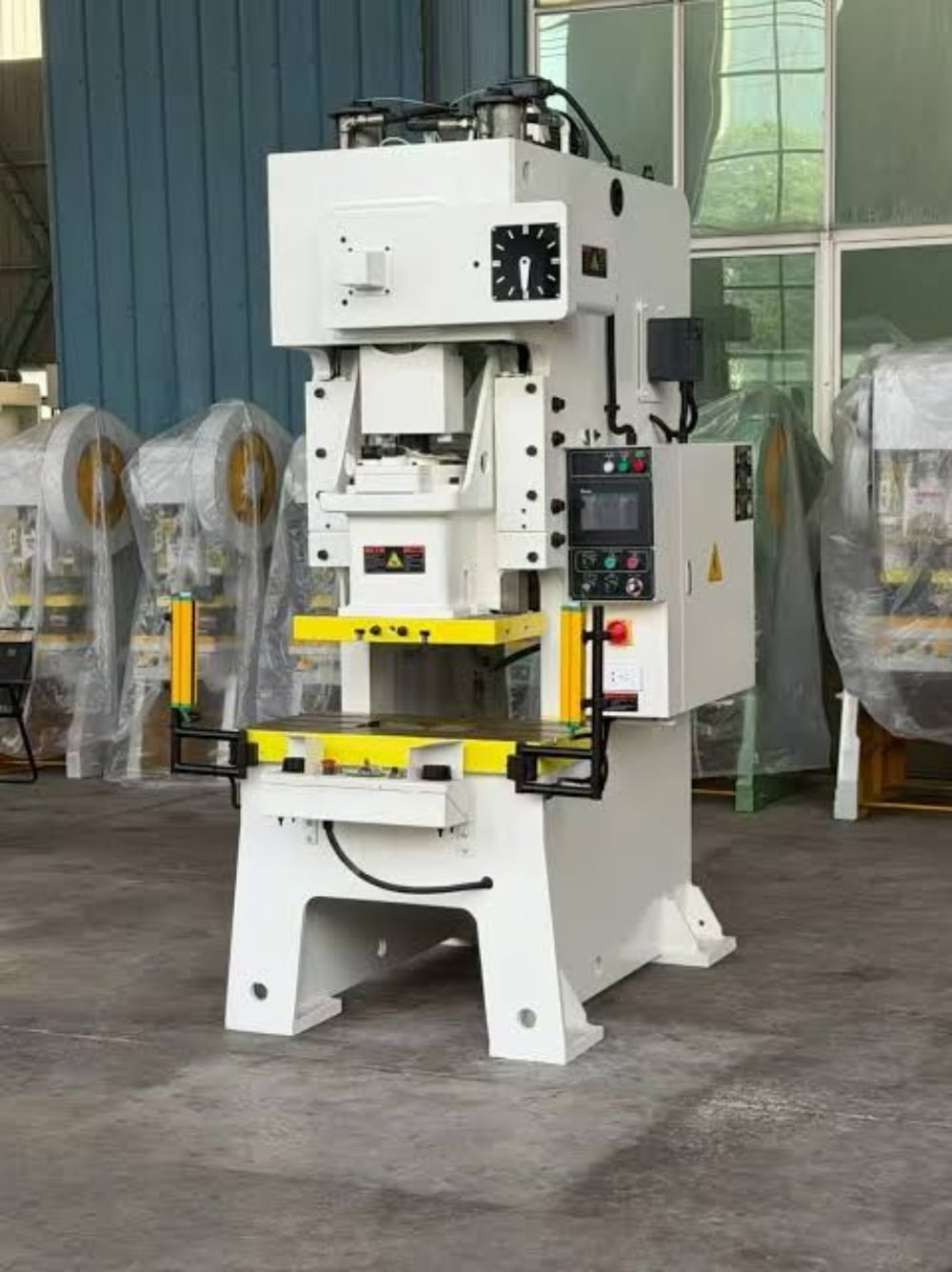
Lubrication is the lifeblood of any mechanical system. To keep a punching machine running efficiently in heavy-duty production, you must implement a strict lubrication schedule. Friction is the primary cause of heat and wear in moving parts. Using the correct grade of lubricant—as specified by HARSLE—is crucial. Using a generic lubricant can lead to gumming, oxidation, or insufficient protection under high-pressure conditions.
Focus on the lubrication of the turret indexing mechanism and the ram slide. These areas are subject to high loads and constant motion. Automatic lubrication systems should be checked to ensure that the lines are not clogged and that the lubricant is reaching all designated points. If your machine uses manual grease points, ensure that they are cleaned before applying new grease to prevent the introduction of contaminants into the bearings.
Consider the environment of your facility. If your shop is particularly dusty or operates in high-temperature conditions, you may need to increase the frequency of your lubrication intervals. Lubricant breakdown occurs faster in extreme conditions, and waiting for the standard maintenance interval could leave your machine vulnerable to metal-on-metal contact.
Keep a detailed log of all lubrication activities. Documenting the date, the type of lubricant used, and the specific points serviced allows you to track the health of your machine over time. This data is invaluable for identifying patterns of wear and predicting when specific components might need replacement, allowing you to schedule maintenance during planned downtime rather than during peak production hours.
Troubleshooting Signals: When to Stop and Inspect
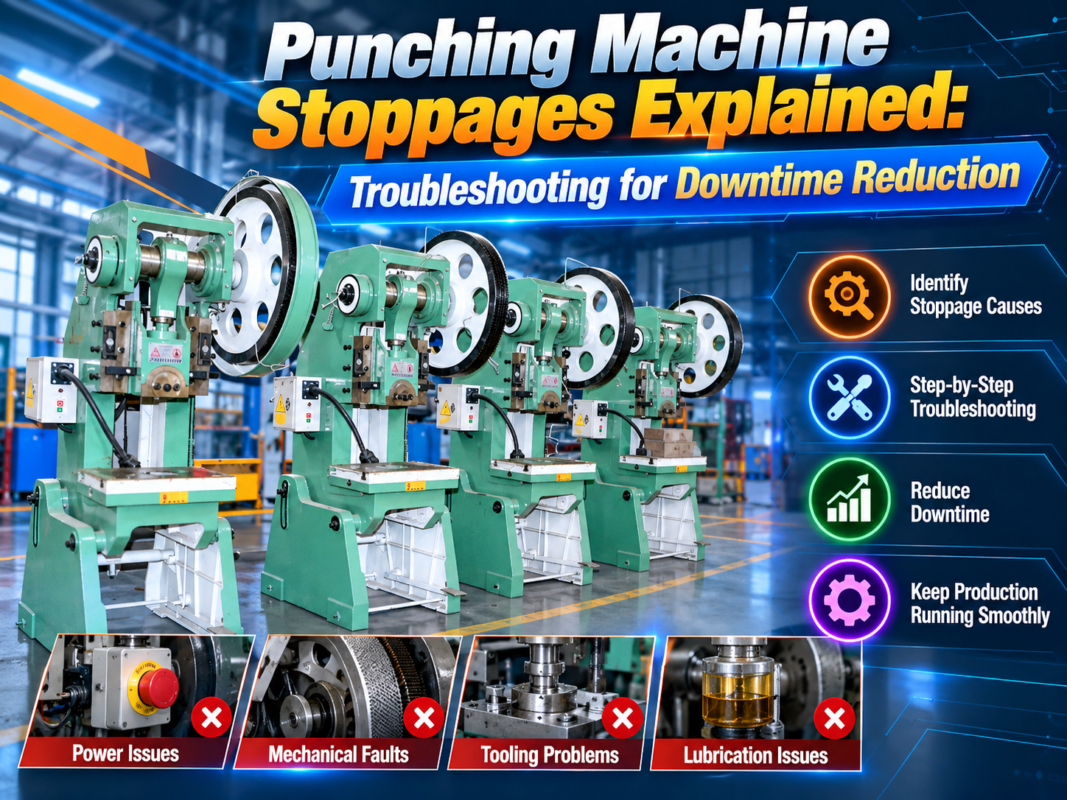
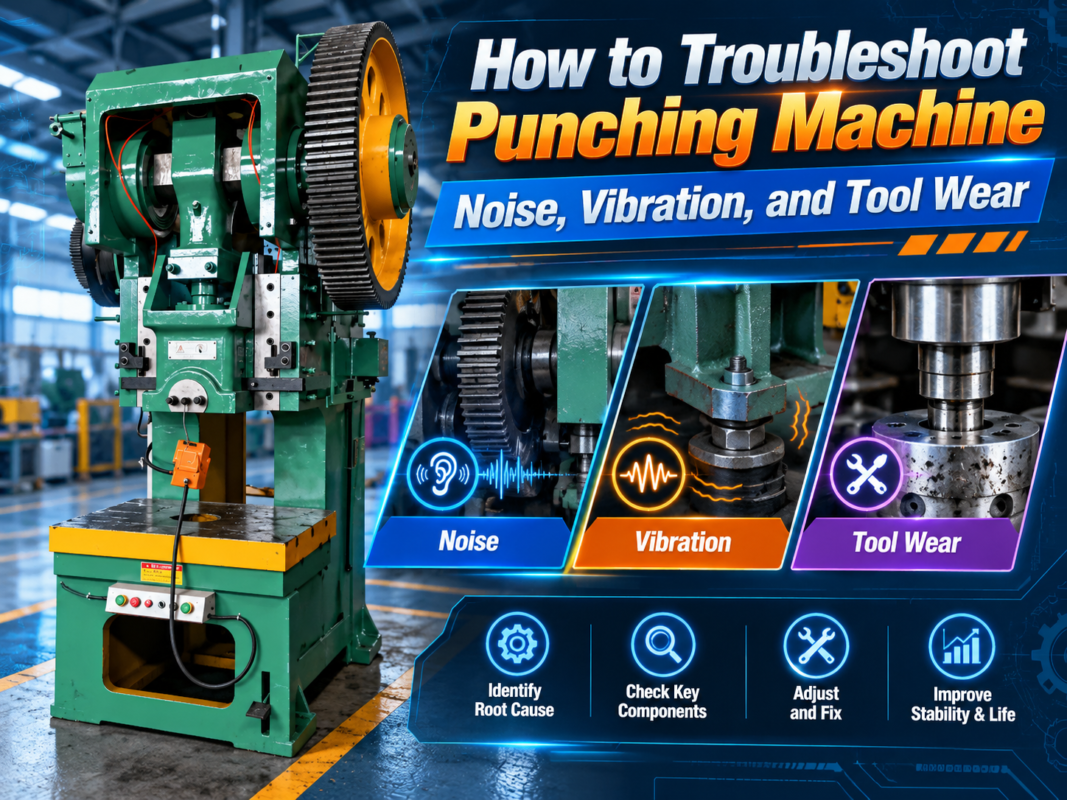
Recognizing the early warning signs of machine failure is a skill that every operator should possess. To keep a punching machine running efficiently in heavy-duty production, you must be attuned to the ‘voice’ of the machine. Unusual noises, such as grinding, squealing, or rhythmic thumping, are clear indicators that something is wrong. A grinding noise often points to bearing failure, while a squeal might indicate a slipping drive belt.
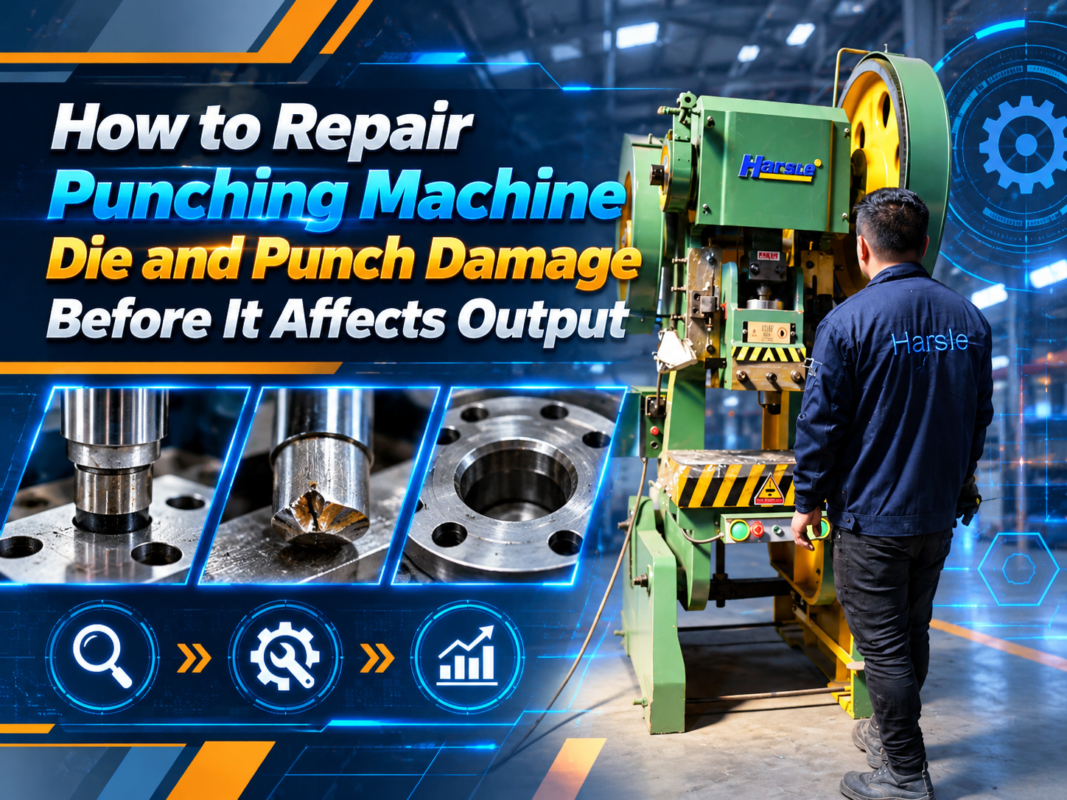
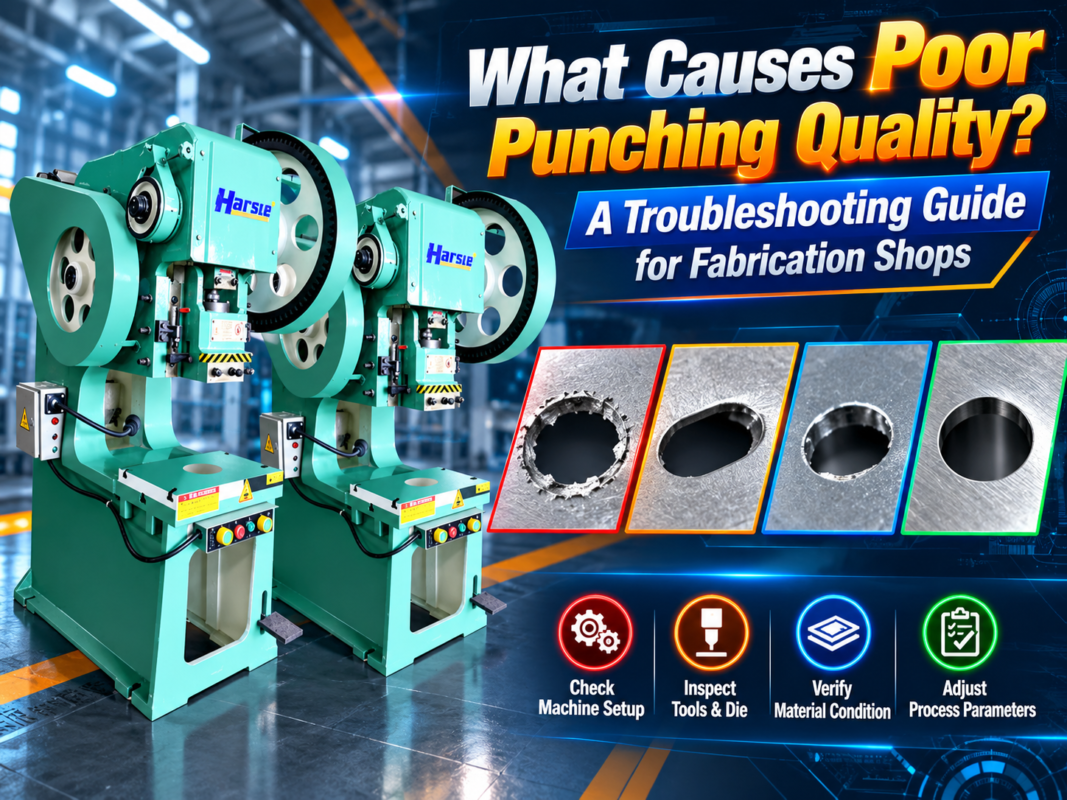
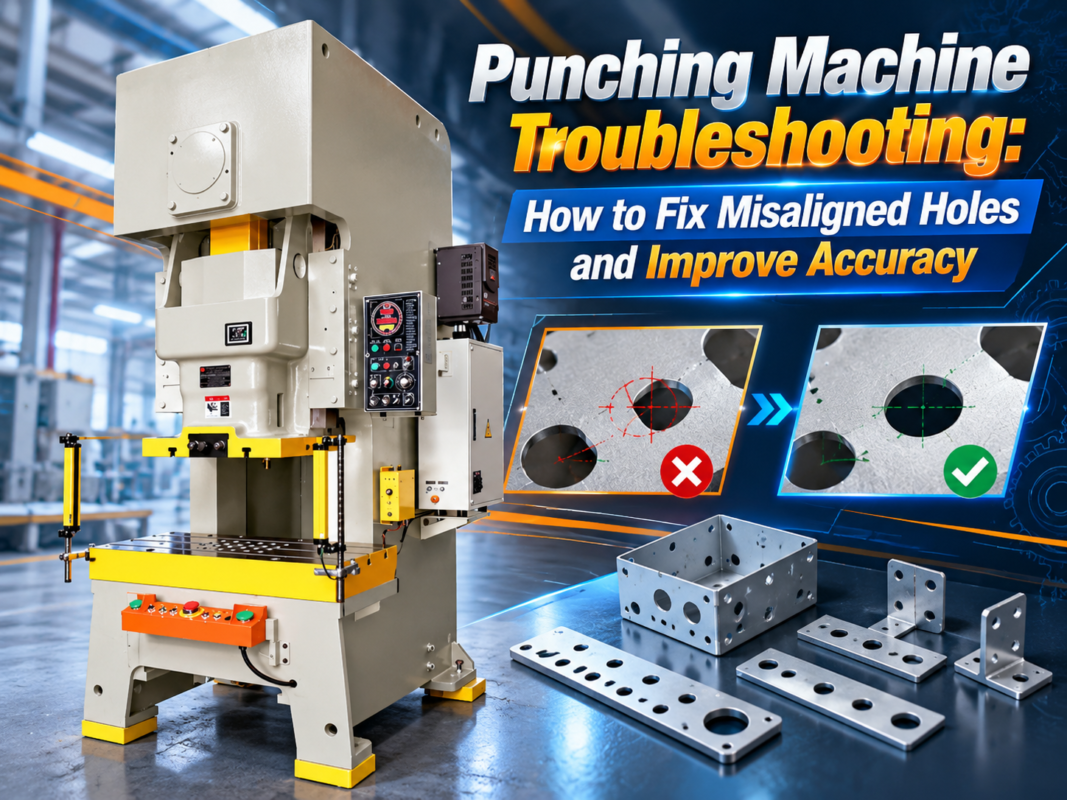
Changes in punch quality are another critical signal. If you notice an increase in burrs, uneven hole edges, or the need for increased punching force, it is a sign that your tooling is dull or that the machine’s alignment is drifting. Continuing to run a machine with dull tools puts excessive strain on the ram and the drive system, potentially leading to costly mechanical damage.
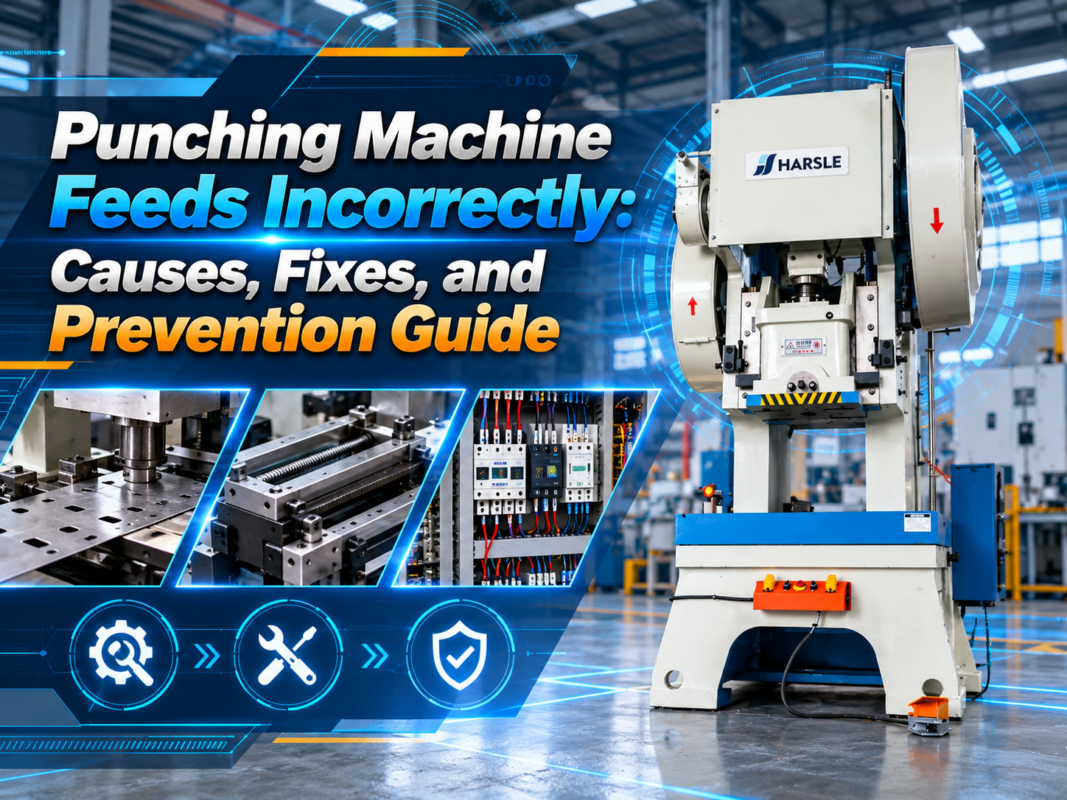
Watch for fluctuations in cycle times. If the machine is taking longer to complete a standard program than it did previously, it could indicate issues with the hydraulic system, such as a failing pump or a sluggish valve. Similarly, if the machine exhibits ‘jittery’ movement or struggles to reach the programmed coordinates, it may be an issue with the servo motors or the feedback encoders.
Finally, pay attention to the temperature of the machine’s components. If the hydraulic tank, the motor housings, or the gearboxes feel excessively hot to the touch, it is a sign of inefficiency. Heat is energy being wasted, and it is a precursor to component failure. When in doubt, stop the machine and perform a diagnostic check. It is always cheaper to replace a small part during a scheduled inspection than to repair a major system failure caused by neglect.
Comprehensive Maintenance Schedule Table
| Frequency | Task | Description |
|---|---|---|
| Daily | Visual Inspection | Check for leaks, loose bolts, and debris. |
| Daily | Tooling Check | Inspect punches and dies for wear or damage. |
| Weekly | Lubrication | Grease all moving parts and check auto-lube levels. |
| Monthly | Hydraulic System | Check oil quality, filter status, and pressure levels. |
| Quarterly | Electrical Check | Inspect wiring, clean cabinet, and check connections. |
| Bi-Annually | Mechanical Alignment | Verify ram alignment and turret indexing precision. |
| Annually | Full Calibration | Professional service to ensure factory tolerances. |
Frequently Asked Questions (FAQ)
How often should I change the hydraulic oil in my punching machine?
Generally, hydraulic oil should be changed every 2,000 to 4,000 operating hours, depending on the intensity of use and the environment. However, you should perform oil analysis if you suspect contamination to determine if an earlier change is necessary.
Why is my punching machine producing burrs on the edges?
Burrs are typically caused by dull tooling or an incorrect clearance between the punch and the die. Check your tooling first; if the tools are sharp, inspect the alignment of the ram and the turret.
Can I use any grease for my machine’s lubrication points?
No. Always use the lubricant specified in your HARSLE operation manual. Using the wrong type of grease can lead to chemical incompatibility, which can damage seals and bearings.
What is the most common cause of punching machine downtime?
The most common cause is the failure to follow a routine maintenance schedule, leading to the accumulation of debris in critical areas and the failure of hydraulic or electrical components due to lack of care.
How do I know if my punching machine is running efficiently?
An efficient machine will maintain consistent cycle times, produce clean parts without excessive burrs, operate at a stable temperature, and exhibit minimal vibration during the punching process.