
Punching Machine Maintenance Problems That Lead Frequent Breakdowns: A Comprehensive Guide


Introduction to Punching Machine Reliability
In the high-stakes world of metal fabrication, the punching machine serves as the backbone of production efficiency. Whether you are operating a high-speed CNC turret punch or a robust hydraulic punching press, the consistency of your output depends entirely on the health of your equipment. However, many operators overlook the subtle warning signs of mechanical fatigue, leading to what we define as punching machine maintenance problems that lead frequent breakdowns. These unplanned stoppages not only halt production lines but also incur significant repair costs and compromise the quality of finished components.
At HARSLE, we understand that industrial machinery is a long-term investment. A machine that is properly maintained can operate for decades, while one neglected for even a few months can suffer from catastrophic failure. The goal of this guide is to demystify the common pitfalls in maintenance routines. By identifying the root causes of mechanical degradation, shop managers and maintenance technicians can transition from reactive, emergency-based repairs to a proactive, predictive maintenance strategy that ensures maximum uptime and precision.
Understanding the lifecycle of a punching machine requires a deep dive into its hydraulic, mechanical, and electrical subsystems. When these systems are not synchronized through regular care, the resulting friction, heat, and vibration create a cascade of failures. This article explores the specific maintenance oversights that lead to frequent breakdowns, providing actionable insights to keep your HARSLE equipment running at peak performance.
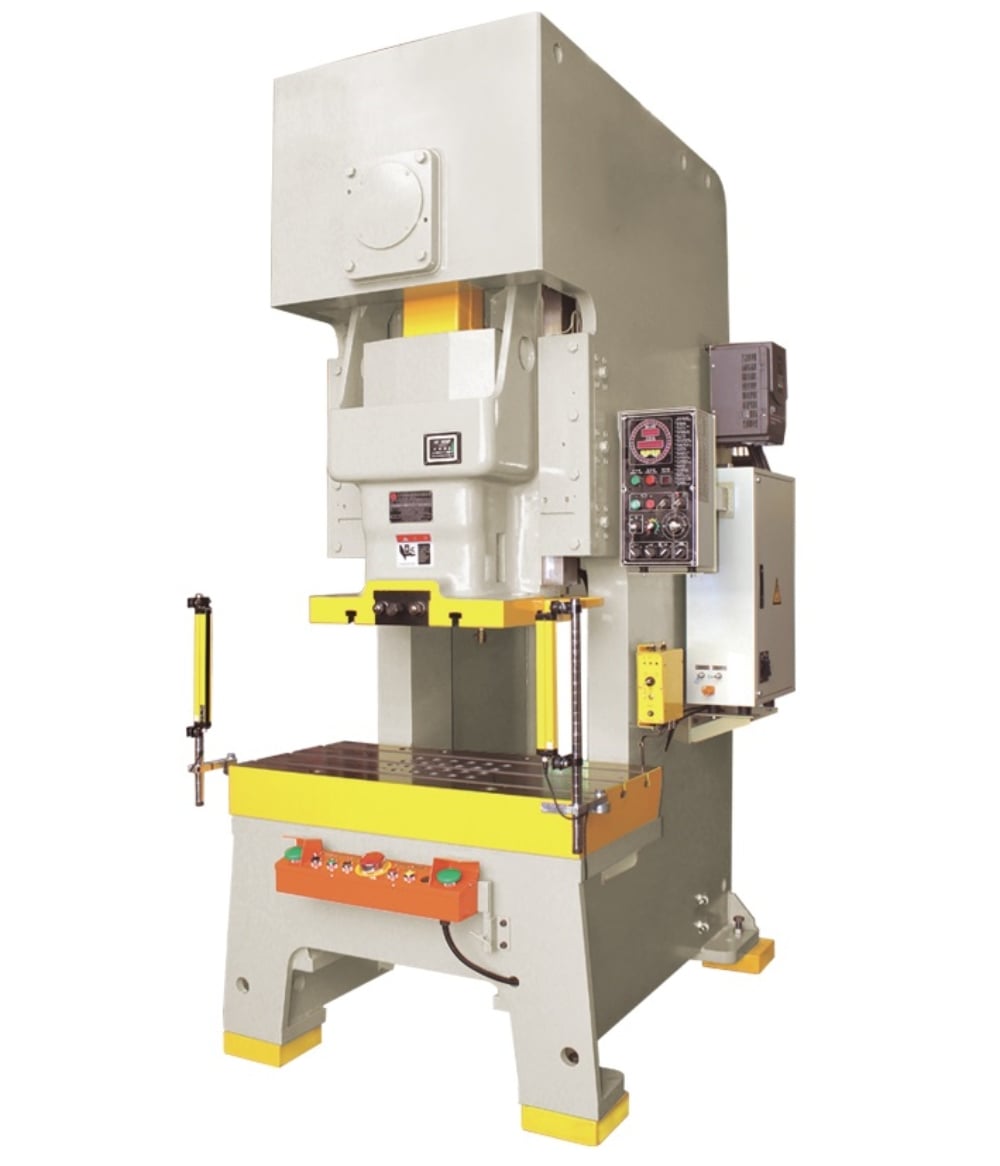
Key Considerations for Punching Machine Longevity
The primary reason for frequent breakdowns in punching machinery is the failure to adhere to a strict lubrication schedule. Punching involves immense force, often exceeding hundreds of tons, which generates significant heat and friction at the tool-workpiece interface and within the internal drive mechanisms. When lubrication levels are low or the oil is contaminated with metal shavings, the internal components begin to wear down prematurely. This leads to increased play in the ram, misalignment of the punch and die, and eventually, total mechanical seizure.
Another critical factor is the environment in which the machine operates. Metal fabrication shops are inherently dusty, filled with microscopic metallic particles and debris. If the machine’s air filtration systems, cooling fans, and electrical cabinets are not cleaned regularly, these particles can infiltrate sensitive electronic components. Over time, this causes short circuits, sensor failures, and erratic behavior in the CNC controller. Maintaining a clean environment is not just about aesthetics; it is a fundamental requirement for the longevity of sophisticated industrial machinery.
Operator training also plays a significant role in machine health. Often, breakdowns are not caused by mechanical failure but by human error—specifically, overloading the machine beyond its rated capacity or failing to perform daily pre-start checks. When operators are not trained to recognize the sound of a dull punch or the vibration of a loose bolt, they continue to run the machine until a major failure occurs. Empowering your team with the knowledge to perform basic diagnostics can prevent minor issues from escalating into expensive, time-consuming repairs.
Finally, the use of genuine spare parts is non-negotiable. While third-party components may seem cheaper in the short term, they often lack the precise tolerances required for high-performance punching machines. Using non-OEM parts can lead to accelerated wear on mating surfaces, causing a chain reaction of failures throughout the machine. Investing in high-quality, manufacturer-approved components is a cornerstone of effective maintenance that prevents frequent breakdowns.
Technical Details: Identifying Maintenance Pitfalls
To effectively mitigate punching machine maintenance problems that lead frequent breakdowns, one must understand the technical subsystems that are most prone to failure. The hydraulic system, for instance, is the heart of the punching press. If the hydraulic fluid is not changed according to the manufacturer’s specifications, it loses its viscosity and lubricating properties. Furthermore, moisture accumulation in the hydraulic tank can lead to internal corrosion of valves and cylinders, resulting in sluggish response times and inconsistent punching force.
The tooling system is another area where neglect leads to disaster. A dull punch requires significantly more force to penetrate the material, which puts excessive strain on the ram, the drive motor, and the frame of the machine. If this is ignored, the machine will eventually suffer from structural fatigue. Regular sharpening of punches and dies, along with proper alignment checks, is essential. A well-maintained toolset not only produces cleaner cuts but also extends the life of the entire machine by reducing the load on its internal components.
Electrical systems in modern punching machines are highly complex, involving intricate wiring, PLC controllers, and servo motors. Frequent breakdowns often stem from loose electrical connections caused by constant machine vibration. Over time, these loose connections create heat, which can damage sensitive circuit boards. A routine maintenance schedule should include the tightening of all electrical terminals and the inspection of cable tracks for signs of fraying or wear. This simple step can prevent intermittent errors that are notoriously difficult to diagnose.
The mechanical drive system, including gears, belts, and bearings, must be inspected for signs of wear. Excessive noise or vibration is usually the first indicator that a bearing is failing or a gear is misaligned. If these components are not replaced promptly, they can cause secondary damage to the drive shaft or the motor itself. Utilizing vibration analysis tools can help maintenance teams identify these issues long before they lead to a full-scale breakdown, allowing for scheduled repairs during planned downtime rather than emergency interventions.
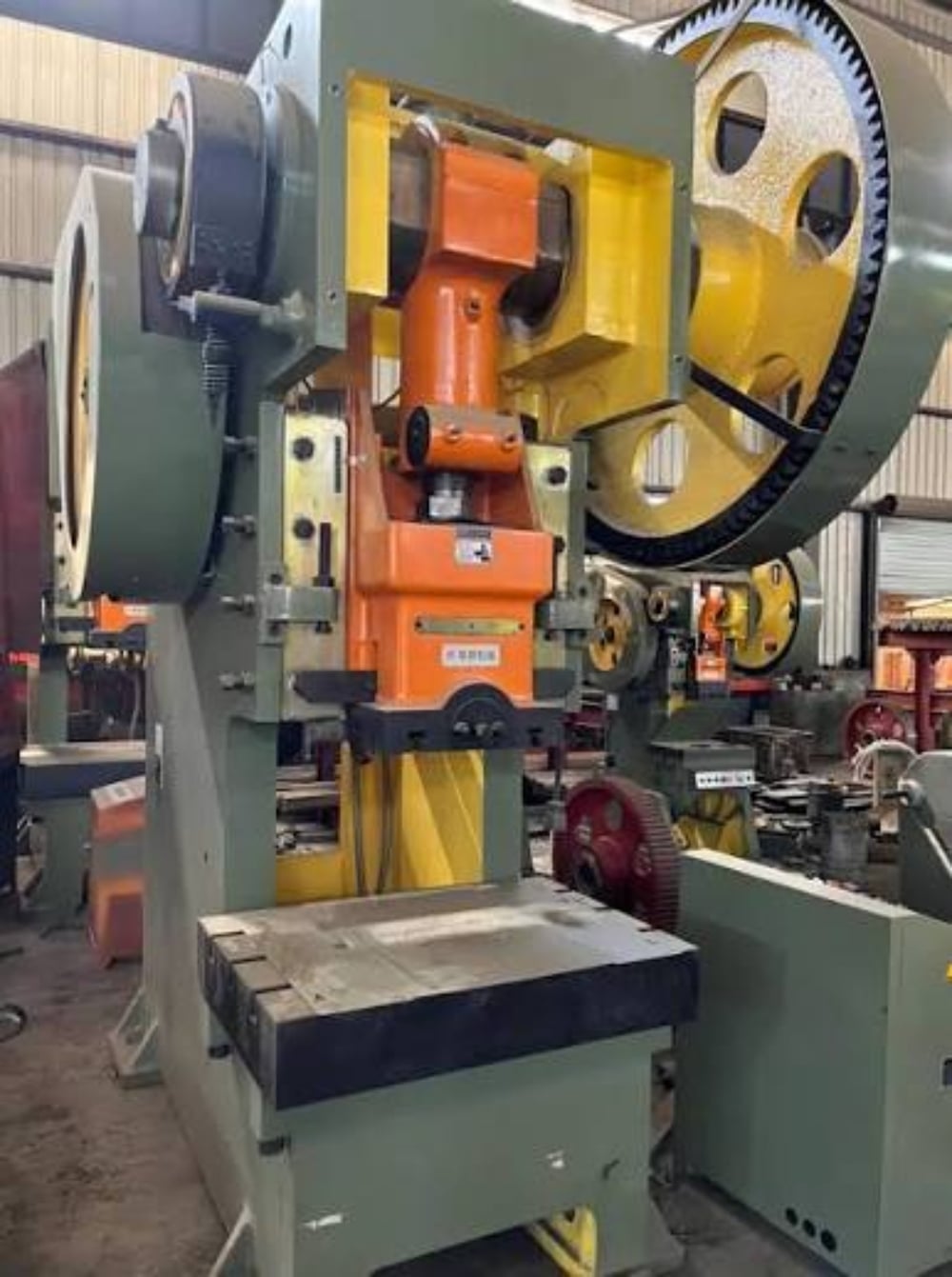
Selection Advice: Choosing Reliable Fabrication Equipment
When selecting a punching machine, the focus should not just be on the initial purchase price, but on the total cost of ownership, which includes maintenance requirements and reliability. A machine that is built with high-quality materials and robust engineering will naturally require less frequent maintenance. Look for manufacturers like HARSLE that prioritize structural integrity and use premium components in their hydraulic and electrical systems. A machine with a heavy-duty frame, for example, will better withstand the stresses of high-speed punching, reducing the risk of structural fatigue.
Consider the accessibility of maintenance points. A well-designed machine allows technicians easy access to hydraulic filters, lubrication points, and electrical cabinets. If a machine is designed in a way that makes routine maintenance difficult, it is more likely that these tasks will be skipped or performed poorly. When evaluating potential equipment, ask the manufacturer for a detailed maintenance manual and inquire about the availability of local technical support and spare parts. A machine is only as good as the support network behind it.
Another important consideration is the level of automation and diagnostic capabilities. Modern CNC punching machines often come equipped with advanced monitoring systems that track machine health in real-time. These systems can alert operators to issues like low oil pressure, overheating, or motor strain before they lead to a breakdown. Investing in a machine with these diagnostic features can significantly reduce the likelihood of unexpected failures and streamline your maintenance processes.
Finally, evaluate the scalability and versatility of the machine. A machine that is constantly being pushed to its absolute limit will require more frequent maintenance than one that operates comfortably within its capacity. Choose a machine that is slightly oversized for your typical production needs. This provides a buffer that reduces mechanical stress and allows for longer intervals between maintenance tasks, ultimately leading to a more stable and productive manufacturing environment.
Frequently Asked Questions (FAQ)
What are the most common punching machine maintenance problems that lead frequent breakdowns?
The most common issues include inadequate lubrication, failure to replace hydraulic fluid, using dull tooling, ignoring electrical connection wear, and failing to keep the machine environment free of metallic dust and debris.
How often should I perform a full maintenance check on my punching machine?
While daily pre-start checks are essential, a comprehensive maintenance inspection should be performed at least every 500 to 1,000 operating hours, depending on the intensity of use and the manufacturer’s specific guidelines.
Can dull tooling really cause a machine to break down?
Yes. Dull tooling increases the force required to punch through material, which puts excessive stress on the ram, drive motor, and frame, leading to premature mechanical failure.
Why is it important to use OEM spare parts?
OEM parts are manufactured to the exact tolerances and material specifications of your machine. Using non-OEM parts can cause misalignment, accelerated wear, and potential damage to other critical components.
What role does the environment play in machine reliability?
Metal dust and debris can infiltrate electrical cabinets and cooling systems, causing short circuits, sensor failures, and overheating, which are major contributors to frequent machine breakdowns.
Conclusion: Prioritizing Maintenance for Success
In conclusion, addressing the punching machine maintenance problems that lead frequent breakdowns is not merely a technical task; it is a strategic business decision. By implementing a rigorous maintenance schedule, training your operators, and investing in high-quality equipment, you can transform your fabrication shop into a model of efficiency and reliability. The cost of proactive maintenance is always a fraction of the cost of emergency repairs and lost production time.
At HARSLE, we are committed to providing not only the highest quality metal fabrication equipment but also the knowledge and support necessary to keep your operations running smoothly. We encourage all our partners to view maintenance as an investment in the future of their business. By staying vigilant, performing regular inspections, and addressing minor issues before they escalate, you can ensure that your punching machine remains a productive asset for years to come. Remember, a well-maintained machine is the foundation of a successful and profitable metal fabrication business.












