
CNC Punching Machine Basics: Features, Benefits, and Industrial Uses


Technical Overview
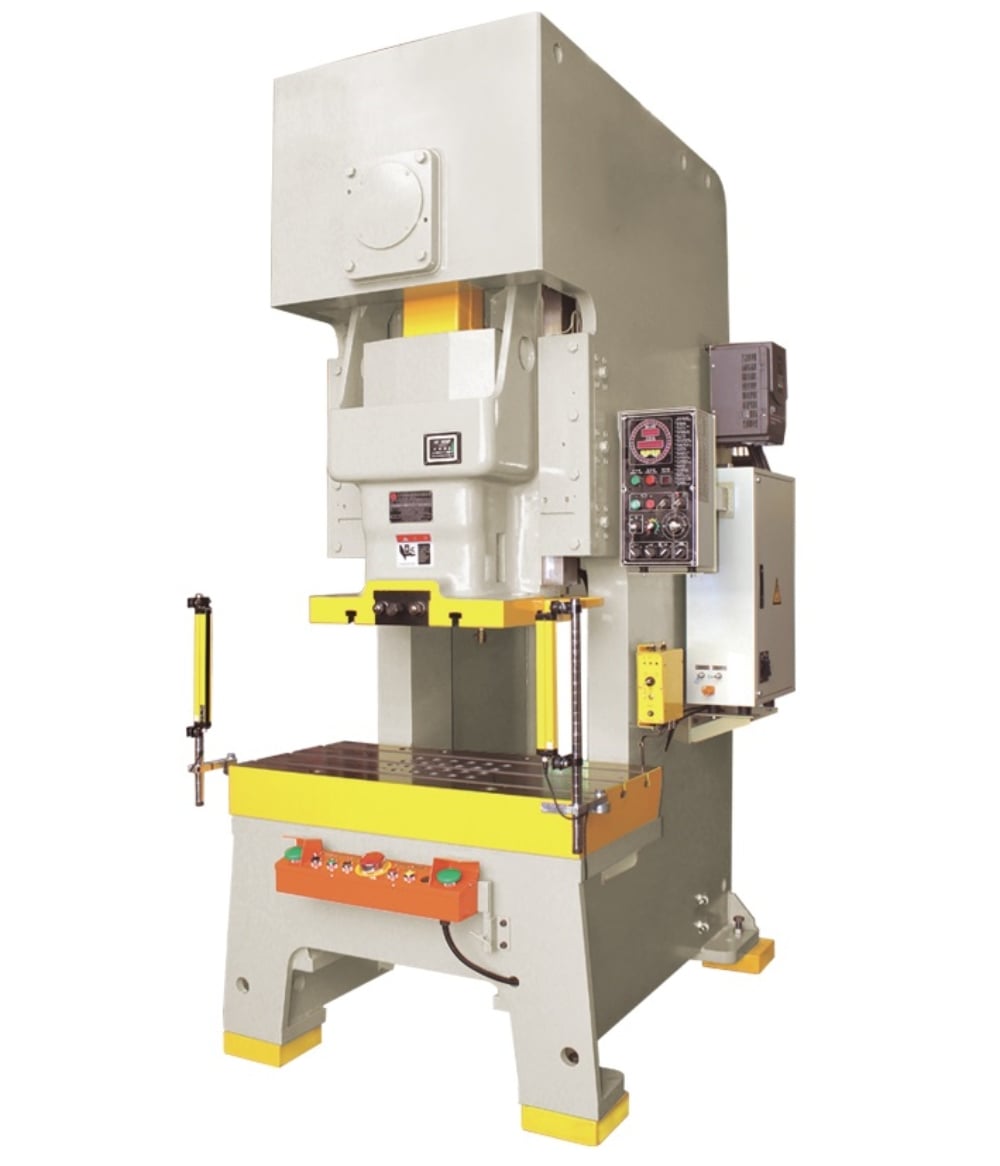
In the modern landscape of metal fabrication, the CNC punching machine stands as a cornerstone of efficiency and precision. At its core, a CNC (Computer Numerical Control) punching machine is a high-speed, automated tool designed to create holes, shapes, and patterns in sheet metal. Unlike traditional manual presses, these machines utilize sophisticated software to control the movement of the workpiece and the selection of punching tools, ensuring repeatable accuracy that is impossible to achieve by hand.
The fundamental mechanism involves a punch and a die set. The punch is forced through the metal sheet into the die, shearing the material to create a specific geometry. Modern HARSLE CNC punching machines integrate advanced servo-hydraulic or mechanical drive systems, allowing for rapid stroke rates and high-tonnage force. This combination of speed and power makes them indispensable for industries ranging from automotive manufacturing to electrical enclosure production.
A key aspect of the CNC punching machine basics is the turret system. Most industrial machines feature a rotating turret that holds dozens of different tool stations. This allows the machine to switch between various punch shapes—such as circles, squares, or custom profiles—without manual intervention. The integration of CAD/CAM software allows operators to nest parts efficiently on a single sheet, minimizing scrap and maximizing material utilization.
Furthermore, the evolution of these machines has led to the inclusion of features like auto-indexing, which allows tools to rotate at any angle during the punching process. This capability significantly expands the design possibilities, enabling the creation of complex louvers, embossments, and knockouts. By understanding these technical foundations, fabricators can better leverage the machine’s capabilities to improve throughput and product quality.
Core Parameters
When evaluating a CNC punching machine, several core parameters define its performance and suitability for specific industrial tasks. The most critical parameter is the punching force, typically measured in kilonewtons (kN) or tons. This determines the maximum thickness and hardness of the material the machine can process. A machine with insufficient tonnage will struggle with thicker plates, leading to poor edge quality and potential tool damage.
Another vital parameter is the working range or sheet capacity. This defines the maximum size of the metal sheet that can be processed without repositioning. High-end machines often include automatic repositioning features, which allow for the processing of sheets longer than the standard table size. Understanding the throat depth is also essential, as it dictates how far into the sheet the punch can reach, effectively limiting the width of the workpiece.
The stroke rate, often expressed in hits per minute (HPM), is a primary indicator of production speed. This is usually measured in two ways: for nibbling (continuous punching) and for marking or standard punching. A higher stroke rate directly translates to faster cycle times and increased productivity. However, this must be balanced with the machine’s acceleration and deceleration capabilities, as rapid movement requires robust structural integrity to maintain precision.
Tooling capacity and station count are also defining features. A machine with a 30-station turret, for example, offers more flexibility than one with 16 stations. Additionally, the presence of auto-index stations allows for the rotation of tools, which is crucial for complex geometries. These parameters collectively determine the machine’s versatility and its ability to handle diverse production requirements without frequent tool changes.
Calculation Method
Calculating the required punching force is a fundamental skill for any operator. The formula is relatively straightforward: Force (F) = Perimeter of the shape (L) × Material Thickness (t) × Shear Strength of the material (τ). By calculating this for every project, you ensure that the machine is operating within its safe limits, preventing premature wear on the hydraulic system and the punch tools.
For example, if you are punching a circular hole, the perimeter is the circumference (π × diameter). If you are punching a square, it is the sum of all four sides. The shear strength varies depending on the material; mild steel typically has a lower shear strength than stainless steel or aluminum. Always consult the material data sheet provided by the supplier to get the accurate shear strength value for your specific grade of metal.
Another important calculation involves the clearance between the punch and the die. Proper clearance is essential for clean edges and long tool life. As a general rule, the clearance should be approximately 10% to 20% of the material thickness per side. If the clearance is too tight, the punch will experience excessive friction and heat; if it is too loose, the material will bend and create burrs rather than being sheared cleanly.
Finally, consider the nesting efficiency calculation. By using software to arrange parts on a sheet, you can calculate the percentage of material used versus the scrap generated. Maximizing this ratio is key to cost-effective manufacturing. A well-calculated nesting pattern not only saves material costs but also reduces the total number of hits required, thereby extending the lifespan of the punching tools and the machine itself.
Parameter Table
| Parameter | Typical Range | Importance |
|---|---|---|
| Punching Force | 200kN – 500kN | Determines material thickness capacity |
| Hit Rate (Nibbling) | 600 – 1200 HPM | Dictates production speed |
| Positioning Accuracy | ±0.05mm – ±0.1mm | Ensures part precision |
| Turret Stations | 16 – 48 stations | Flexibility for complex parts |
| Max Sheet Thickness | 0.5mm – 6.0mm | Limits material compatibility |
Common Engineering Mistakes
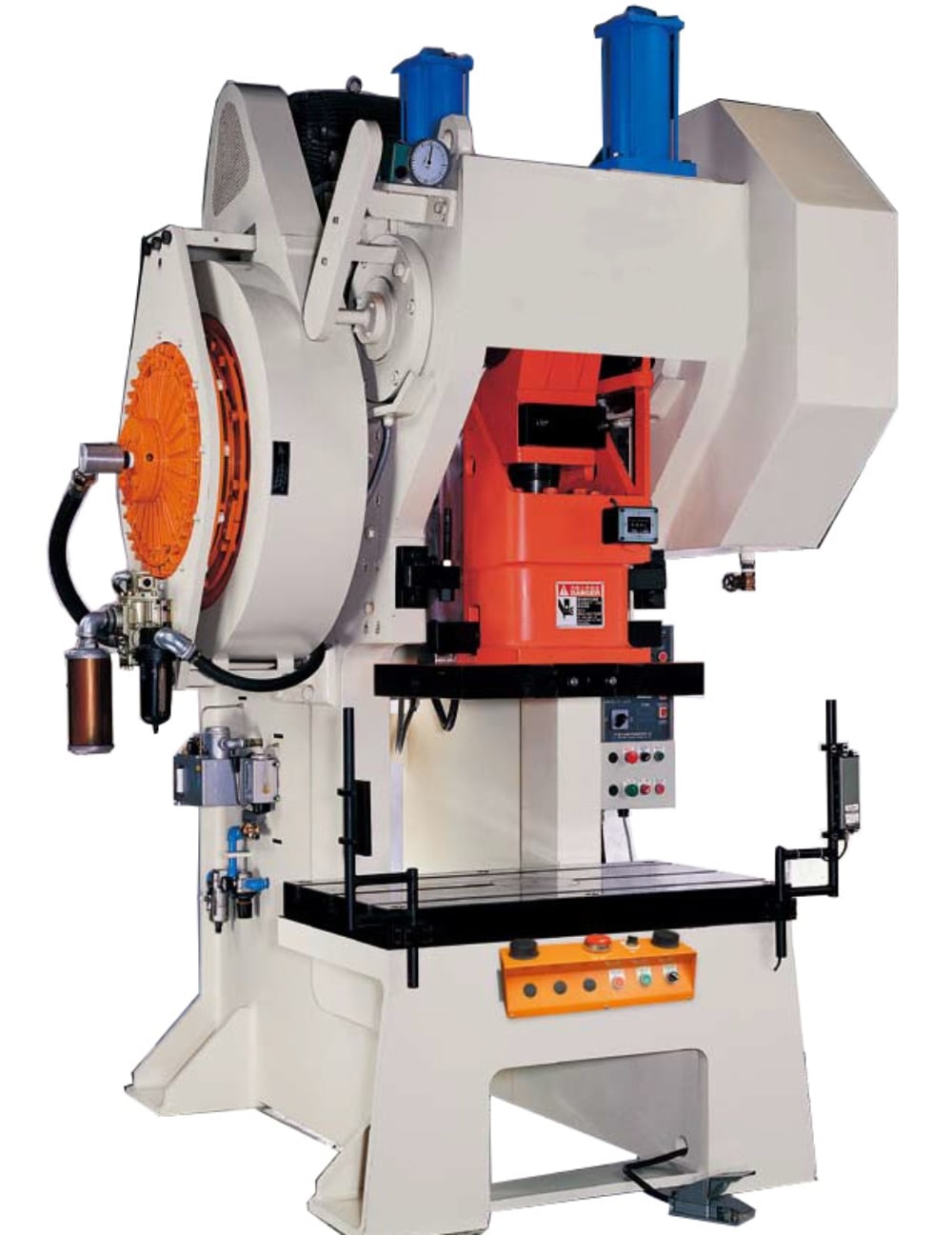
One of the most frequent mistakes in CNC punching is the failure to maintain proper lubrication. Punching is a high-friction process; without adequate lubrication on the punch and die, heat builds up rapidly, leading to galling—where material from the sheet welds to the punch. This not only ruins the tool but can also cause significant damage to the machine’s guide system. Implementing an automatic lubrication system or a strict manual schedule is non-negotiable.
Another common error is ignoring the tool sharpening schedule. Many operators wait until the punch shows visible signs of dulling or until the burr height exceeds acceptable limits. By this time, the tool has already been putting excessive stress on the machine. Regular, proactive sharpening based on the number of hits is a much more cost-effective strategy that preserves both the tool and the machine’s structural integrity.
Improper clamping is also a major issue. If the sheet is not held firmly by the clamps, it can shift during the punching process, leading to misaligned holes and potential collisions between the punch and the clamp. Always ensure that the clamps are positioned correctly and that the sheet is flat. Using a machine with an automatic clamp positioning system can mitigate this risk significantly.
Finally, neglecting software updates and machine calibration is a mistake that leads to long-term inefficiency. CNC technology evolves rapidly, and software updates often include optimizations for tool paths and energy consumption. Furthermore, periodic calibration of the X and Y axes is necessary to compensate for mechanical wear over time. Ignoring these maintenance tasks will eventually result in a loss of precision that can be costly to rectify.
Selection Checklist
When selecting a CNC punching machine, start by defining your production volume. If you are running high-volume, repetitive parts, a machine with a high hit rate and automatic loading/unloading systems is essential. For smaller, more varied batches, prioritize a machine with a large turret capacity and quick-change tooling features to minimize downtime between jobs.
Consider the material types you work with most frequently. If you primarily process stainless steel, you will need a machine with higher tonnage and more robust construction compared to one used for thin aluminum. Also, evaluate the software compatibility. The machine should integrate seamlessly with your existing CAD/CAM workflow to ensure a smooth transition from design to production.
Check the availability of technical support and spare parts. A machine is only as good as the support behind it. HARSLE provides comprehensive after-sales service, ensuring that any technical issues are resolved quickly to minimize downtime. Verify the warranty terms and the availability of training programs for your operators, as a well-trained team is the best way to maximize the machine’s ROI.
Lastly, look at the energy efficiency of the machine. Modern servo-driven punching machines consume significantly less power than older hydraulic models. While the initial investment might be higher, the long-term savings in electricity and maintenance costs make them a smarter choice for sustainable manufacturing. Always request a demonstration or a test run with your specific materials to verify the machine’s performance firsthand.
FAQ
How often should I sharpen my punching tools?
The frequency depends on the material type and thickness. As a rule of thumb, sharpen tools after every 50,000 to 100,000 hits, or sooner if you notice burrs on the edges of the punched holes.
Can a CNC punching machine handle non-metal materials?
While primarily designed for metals like steel, aluminum, and copper, some machines can punch plastics or composite materials. However, this requires specialized tooling and settings to prevent cracking or melting.
What is the difference between a turret punch and a single-head punch?
A turret punch holds multiple tools that can be indexed automatically, allowing for complex parts to be made without stopping. A single-head punch requires manual tool changes, making it better suited for simple, low-volume tasks.
How do I prevent material distortion during punching?
Distortion is often caused by punching too close to the edge or using the wrong clearance. Ensure proper nesting, use high-quality tools, and maintain correct punch-to-die clearance to minimize stress on the sheet.
Is it better to choose a hydraulic or servo-electric machine?
Servo-electric machines are generally faster, more energy-efficient, and require less maintenance than hydraulic machines. However, hydraulic machines are often more cost-effective for very high-tonnage applications.












