How a Punching Machine Helped a Manufacturing Plant Streamline Metal Bracket Production


Introduction: The Challenge of Modern Metal Bracket Production
In the fast-paced world of industrial manufacturing, the demand for precision-engineered metal components has never been higher. For many mid-sized manufacturing plants, the bottleneck often lies in the production of simple yet essential parts like metal brackets. These components are the backbone of construction, automotive, and furniture industries, yet their production often suffers from outdated methods that lead to slow throughput and inconsistent quality. This article explores how a punching machine helped a manufacturing plant streamline metal bracket production, turning a sluggish workflow into a high-efficiency operation.
The plant in question was struggling with traditional drilling and manual cutting methods. Every bracket required multiple setups, manual measurements, and secondary finishing processes to remove burrs and ensure hole alignment. This not only increased labor costs but also created significant lead-time delays that frustrated clients. By transitioning to an automated CNC punching solution, the facility was able to consolidate these steps, drastically reducing the time-per-part and improving overall plant profitability.
HARSLE has observed that many facilities face similar hurdles when scaling their production. The shift from manual or semi-automated processes to a dedicated punching machine is not just an equipment upgrade; it is a fundamental shift in manufacturing philosophy. By leveraging the speed and repeatability of modern punching technology, plants can achieve a level of precision that manual labor simply cannot replicate, ensuring that every bracket meets strict engineering tolerances.
This case study serves as a guide for plant managers and production engineers looking to optimize their metal fabrication lines. We will delve into the technical advantages, the selection process, and the long-term operational benefits of integrating a punching machine into your facility. As we explore the journey of this specific plant, you will see how the right technology acts as a catalyst for growth and operational excellence.
Key Considerations for Streamlining Production
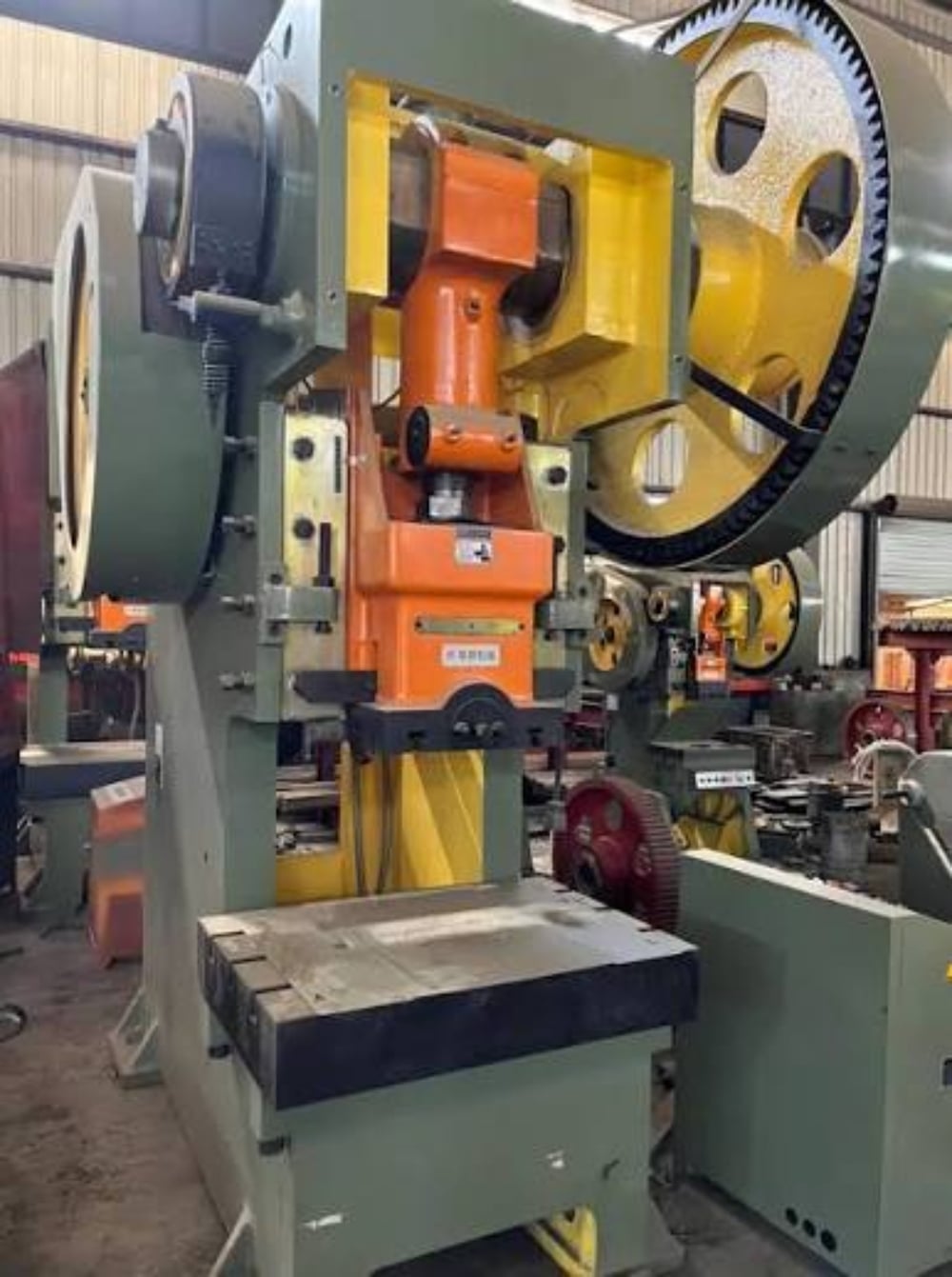
When the plant decided to overhaul its bracket production, the first step was a comprehensive audit of their existing workflow. They identified that the primary waste was in material handling and tool changes. Every time a worker had to move a sheet of metal from a drill press to a shear, time was lost. By analyzing the production cycle, they realized that a punching machine could perform both the cutting and the hole-punching in a single setup, effectively eliminating the need for multiple workstations.
Another critical consideration was the consistency of the brackets. With manual drilling, human error was inevitable, leading to a high scrap rate. When a punching machine helped a manufacturing plant streamline metal bracket production, the scrap rate dropped by nearly 40%. The CNC control system ensures that every hole is placed with sub-millimeter accuracy, regardless of the operator’s fatigue level or the time of day. This level of repeatability is essential for brackets that must fit into standardized assembly lines.
Space optimization was also a major factor. The plant was cluttered with various machines, each dedicated to a single task. By replacing three separate machines with one high-performance punching center, the plant floor became more organized and safer. This reduction in footprint allowed for better material flow, as raw materials could enter one side of the machine and finished brackets could exit the other, ready for bending or powder coating.
Finally, the plant had to consider the cost of tooling and maintenance. While a punching machine represents a significant upfront investment, the long-term savings in labor and the reduction in secondary finishing processes provided a clear return on investment within 18 months. The ability to store multiple tools in a turret meant that the machine could switch between different bracket designs instantly, allowing for high-mix, low-volume production runs that were previously impossible.
Technical Details: Why Punching Machines Excel
The core of the transformation was the adoption of a CNC turret punching machine. Unlike traditional methods, these machines use a high-speed hydraulic or servo-driven ram to force a punch through the metal sheet into a die. This process is incredibly fast, capable of performing hundreds of hits per minute. For a bracket that requires four mounting holes and a central slot, the entire operation can be completed in seconds, whereas manual drilling would take several minutes.
The versatility of the turret is a key technical advantage. A standard turret can hold 20 to 40 different tools. This means that if the plant receives an order for a different bracket size, the operator simply selects the new program on the CNC interface, and the machine automatically rotates the turret to the required tool. This eliminates the downtime associated with manual tool changes, allowing the plant to respond to customer orders with unprecedented speed.
Furthermore, modern punching machines offer advanced features like auto-indexing. This allows the punch to rotate, enabling the creation of complex shapes, slots, and angled features without needing specialized tooling for every single design. This flexibility is what allowed the plant to move from producing only standard brackets to offering custom, high-value components to their clients, effectively expanding their market share.
The integration of CAD/CAM software also played a pivotal role. By importing bracket designs directly from engineering software into the punching machine’s controller, the plant eliminated the need for manual programming. The software optimizes the nesting of parts on the sheet metal, ensuring that material waste is kept to an absolute minimum. This “nesting” capability is a game-changer for profitability, as it maximizes the yield from every sheet of raw material.
Selection Advice: Choosing the Right Equipment
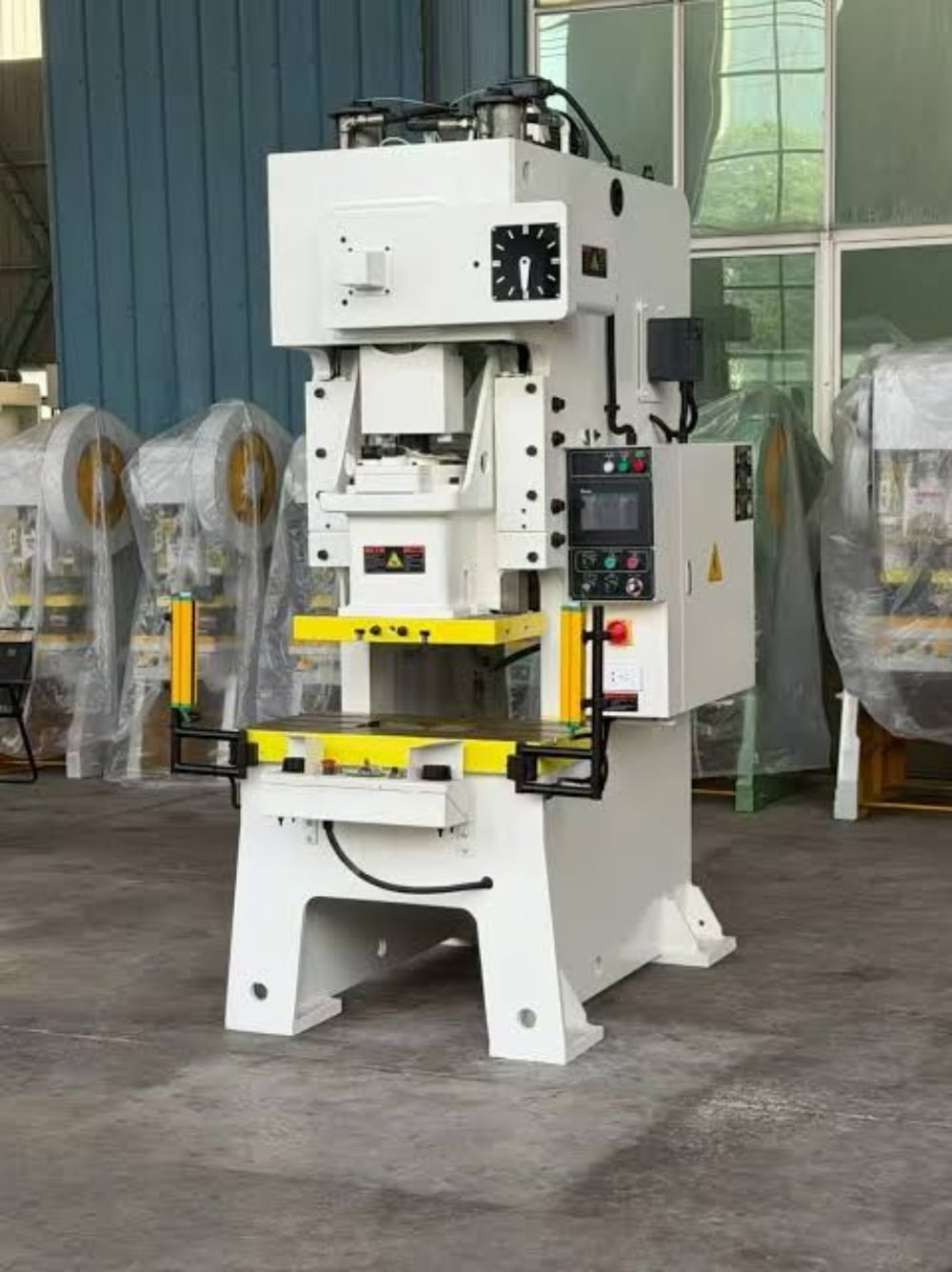
Selecting the right punching machine is a critical decision that requires balancing current needs with future growth. When the plant began its search, they focused on three main criteria: tonnage, turret capacity, and automation level. Tonnage determines the thickness of the metal the machine can process. For standard brackets, a 20-30 ton machine is usually sufficient, but if the plant plans to work with thicker plate steel, a higher tonnage model is necessary.
Turret capacity is another vital consideration. If your product line involves a wide variety of bracket shapes and hole sizes, a larger turret is better. It reduces the frequency of tool changes and allows for more complex parts to be produced in a single cycle. HARSLE recommends evaluating your most common bracket designs and choosing a turret configuration that covers at least 80% of your standard tool requirements to minimize setup time.
Automation level is where the real efficiency gains are found. For high-volume production, consider machines that include automatic loading and unloading systems. These systems allow the machine to run unattended for hours, significantly increasing the plant’s total output. Even if full automation is not in the budget today, look for machines that are “automation-ready,” meaning they can be retrofitted with loaders or conveyors in the future.
Finally, do not overlook the importance of after-sales support and training. A punching machine is a sophisticated piece of equipment, and your operators need to be well-trained to get the most out of it. Choose a manufacturer that provides comprehensive installation, operator training, and readily available spare parts. The success of the plant in this case study was largely due to their partnership with a supplier that provided ongoing technical support, ensuring the machine remained at peak performance.
Maintenance and Operational Best Practices
To ensure that the punching machine continues to deliver the efficiency gains that transformed the plant, a strict maintenance schedule is essential. Punching machines are subject to high levels of vibration and force, meaning that regular lubrication and inspection of the ram and turret mechanisms are non-negotiable. A daily checklist should include checking the oil levels, inspecting the punch and die for signs of wear, and cleaning the scrap removal system.
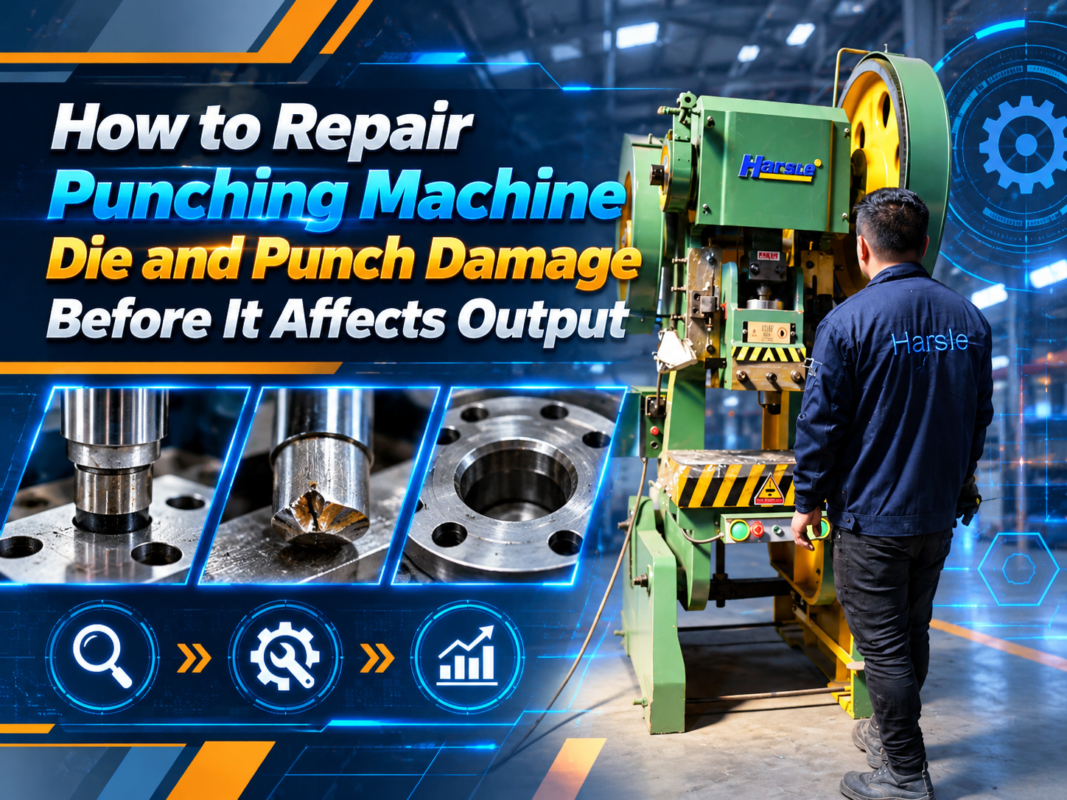
Tool maintenance is perhaps the most important aspect of keeping a punching machine running smoothly. Dull punches not only produce poor-quality holes with burrs but also put unnecessary strain on the machine’s hydraulic system. The plant implemented a “tool rotation” policy, where punches are sharpened or replaced based on a set number of hits rather than waiting for visible signs of wear. This proactive approach prevents costly downtime and ensures consistent bracket quality.
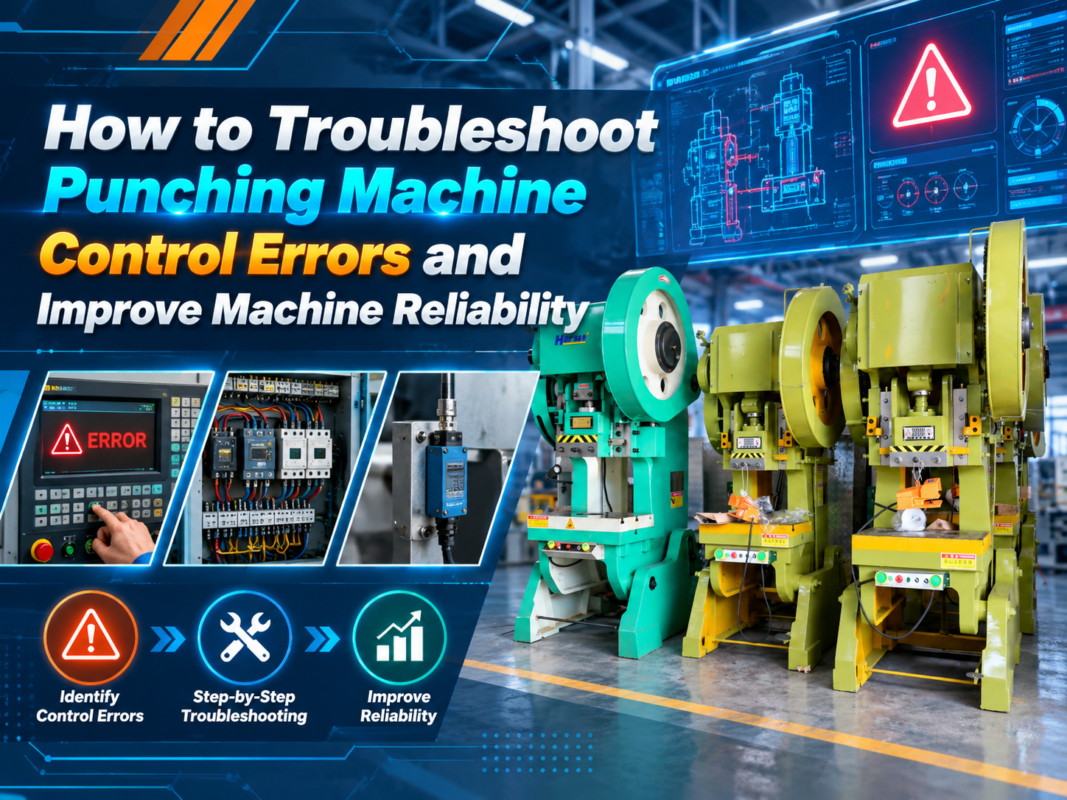
Operator training should focus on both safety and efficiency. Because the machine is automated, operators should be trained to monitor the process for anomalies rather than just feeding the machine. Understanding how to interpret error codes and perform basic troubleshooting can save hours of production time. Furthermore, encouraging operators to suggest improvements to the nesting or programming can lead to continuous incremental gains in efficiency.
Finally, keep the work area clean. Metal dust and scrap can interfere with sensors and moving parts, leading to premature failure. Investing in a good dust collection system and keeping the machine’s surrounding area free of debris will extend the life of your equipment and create a safer working environment. By treating the punching machine as a long-term asset, the plant was able to maintain its competitive edge for years after the initial installation.
FAQ: Common Questions About Punching Machines
- How does a punching machine differ from a laser cutter? While both are used for cutting sheet metal, punching machines are generally faster for repetitive hole patterns and simple shapes. Laser cutters are better for complex, intricate designs but are often slower and more expensive to operate for high-volume, simple bracket production.
- Can a punching machine handle different types of metal? Yes, most industrial punching machines can process mild steel, stainless steel, and aluminum. The key is to ensure the machine has the correct tonnage and that the tooling is appropriate for the material’s hardness.
- What is the typical lifespan of a punching machine? With proper maintenance, a high-quality industrial punching machine can last 15 to 20 years or more. Many machines from the 1990s are still in operation today, though they may lack the advanced CNC features of modern models.
- Is it difficult to program a CNC punching machine? Modern software has made programming much easier. Most systems allow you to import DXF or DWG files directly from CAD software, and the machine’s controller handles the tool pathing and nesting automatically.
- How much space do I need for a punching machine? The space requirement depends on the machine size and whether you include automated loading/unloading. A standard machine might require a footprint of 4×6 meters, but you must also account for material storage and operator access.
Conclusion: The Path to Manufacturing Excellence
The story of how a punching machine helped a manufacturing plant streamline metal bracket production is a testament to the power of modern fabrication technology. By moving away from manual, labor-intensive processes and embracing the speed, precision, and versatility of CNC punching, the plant was able to transform its operations. They reduced lead times, improved product quality, and created a scalable foundation for future growth.
For any manufacturing facility, the decision to invest in new equipment should be driven by a clear understanding of the bottlenecks and a vision for the future. Whether you are producing brackets, electrical enclosures, or custom metal parts, the right punching machine can be the difference between struggling to keep up with demand and leading the market. As you evaluate your own production line, consider the long-term benefits of automation and the competitive advantage that comes with precision engineering.
At HARSLE, we are committed to helping manufacturers find the right equipment to meet their unique challenges. Our range of punching machines is designed with the user in mind, offering the perfect balance of power, reliability, and ease of use. If you are ready to streamline your production and take your manufacturing capabilities to the next level, we invite you to explore our solutions and see how we can help you achieve your goals.
Remember that the transition to automated manufacturing is a journey, not a destination. By focusing on continuous improvement, regular maintenance, and operator training, you can ensure that your investment pays dividends for years to come. The success of the plant we discussed is within reach for any facility willing to embrace the right technology and commit to operational excellence.