How CNC Press Brakes Enhance Application Accuracy In Fabrication: A Comprehensive Guide


Introduction
In the modern landscape of metal fabrication, precision is not merely a goal; it is the fundamental requirement for survival and competitiveness. As industries demand tighter tolerances and more complex geometries, the role of advanced machinery becomes paramount. CNC Press Brakes Enhance Application Accuracy In Fabrication by bridging the gap between manual craftsmanship and digital precision. By integrating sophisticated software with robust hydraulic systems, these machines have revolutionized how metal sheets are transformed into high-precision components.
HARSLE has been at the forefront of this technological evolution, providing fabricators with the tools necessary to achieve repeatable, high-quality results. When we discuss how CNC press brakes enhance application accuracy in fabrication, we are looking at a synergy of mechanical rigidity, advanced sensor feedback, and intelligent control systems that eliminate human error. This article explores the technical nuances that make CNC press brakes the gold standard in modern metalworking.
The transition from conventional mechanical press brakes to CNC-controlled systems has allowed fabricators to handle intricate designs that were previously impossible to produce consistently. Whether you are working with thin-gauge aluminum or thick structural steel, the CNC interface ensures that every bend angle and flange length is executed with micron-level precision. Understanding these mechanisms is essential for any shop looking to optimize its production workflow and reduce material waste.
As we delve deeper into this guide, we will examine the specific features that contribute to this heightened accuracy, the selection criteria for your next machine, and the maintenance practices that keep your equipment performing at its peak. By leveraging the power of CNC technology, fabricators can ensure that their output meets the rigorous standards of aerospace, automotive, and architectural industries.
Key Considerations for Precision Bending
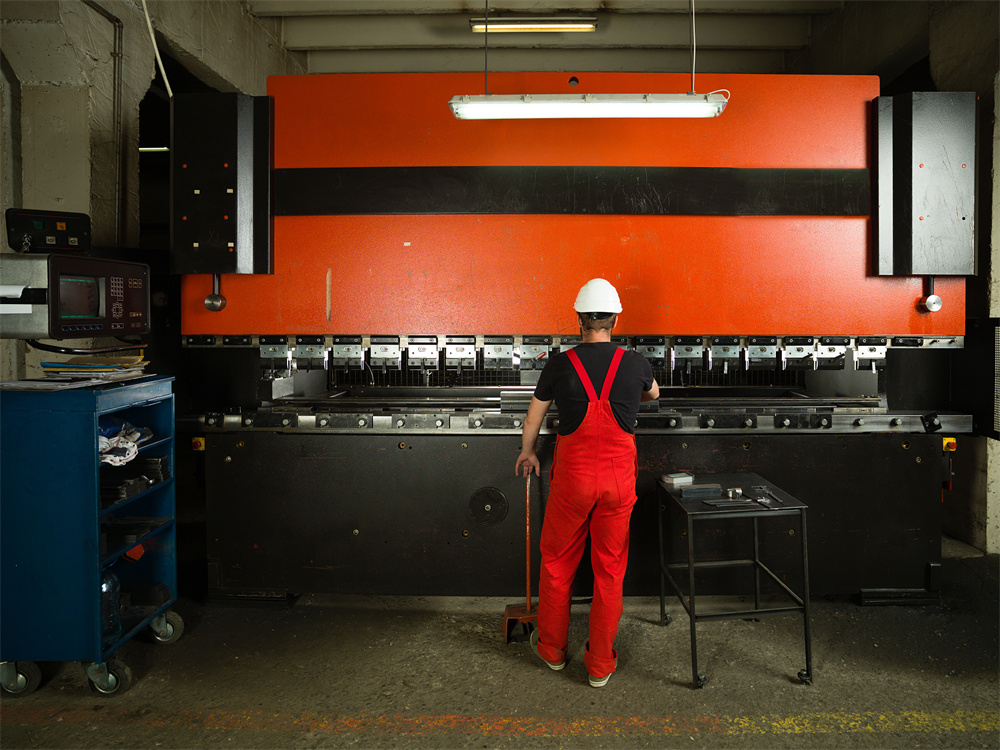
Achieving high accuracy begins long before the metal touches the die. The first key consideration is the structural integrity of the machine frame. A press brake must be able to withstand immense pressure without deflection. HARSLE machines are engineered with high-tensile steel frames that minimize frame deformation, ensuring that the ram remains perfectly parallel to the bed throughout the entire bending cycle.
Material variability is another critical factor. Different metals possess unique spring-back characteristics, which can significantly impact the final bend angle. Modern CNC controllers are equipped with material databases that automatically adjust the bending parameters based on the tensile strength and thickness of the material. This proactive adjustment is a primary way CNC press brakes enhance application accuracy in fabrication, as it compensates for material inconsistencies in real-time.
The backgauge system serves as the backbone of positioning accuracy. A multi-axis CNC backgauge allows for precise control over the flange length. By utilizing high-precision ball screws and linear guides, these systems ensure that the workpiece is positioned exactly where it needs to be every single time. This repeatability is essential for batch production, where even a fraction of a millimeter deviation can lead to assembly failures downstream.
Furthermore, the tooling selection plays a vital role in the final outcome. The interaction between the punch and the die determines the bend radius and the overall quality of the bend. CNC press brakes allow for the use of segmented tooling, which can be configured to accommodate complex part geometries. Proper tooling maintenance and alignment are non-negotiable for shops that prioritize high-precision output.
Technical Details: How CNC Systems Drive Accuracy
The heart of the CNC press brake is its controller. These sophisticated computers process complex CAD/CAM data to calculate the exact force, depth, and speed required for each bend. By simulating the bending process before the machine even moves, the controller can identify potential collisions and optimize the bending sequence, significantly reducing the risk of human error.
Hydraulic synchronization is another technical marvel. In a CNC press brake, the movement of the cylinders is monitored by high-resolution encoders. These encoders provide constant feedback to the controller, which adjusts the hydraulic valves in milliseconds to ensure that both sides of the ram descend at the exact same rate. This electronic synchronization eliminates the need for mechanical torsion bars, allowing for independent control of each cylinder.
Active crowning systems are essential for maintaining accuracy across the entire length of the bend. As the ram applies pressure, the machine frame naturally experiences slight deflection. An active crowning system, controlled by the CNC, applies counter-pressure to the bed, compensating for this deflection and ensuring a uniform bend angle from one end of the workpiece to the other. This is a critical feature for long-part fabrication.
Advanced sensor technology, such as laser angle measurement systems, takes accuracy to the next level. These sensors measure the actual bend angle in real-time and provide feedback to the CNC controller. If the angle deviates from the programmed value, the machine automatically adjusts the ram depth to correct the bend. This closed-loop system is the ultimate answer to the question of how CNC press brakes enhance application accuracy in fabrication.
Selection Advice: Choosing the Right Equipment
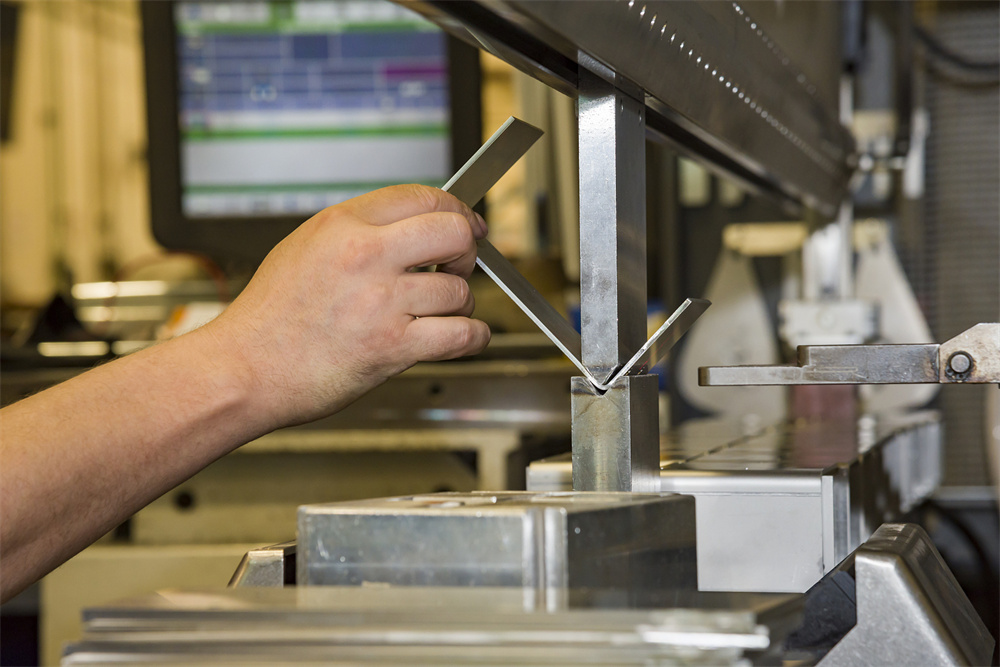
When selecting a CNC press brake, the first step is to define your specific application requirements. Consider the maximum material thickness, the length of the parts you intend to produce, and the complexity of the bends. A machine that is too small will struggle with heavy-duty tasks, while an oversized machine may be inefficient for smaller, high-volume parts. HARSLE offers a range of models tailored to different production scales.
Evaluate the number of axes you require. A standard 3-axis machine (Y1, Y2, X) is sufficient for simple bending, but for complex parts with multiple flanges and varying angles, a 6-axis or 8-axis machine is highly recommended. The additional axes allow for more complex backgauge positioning and automatic tool changing, which significantly increases productivity and accuracy.
Consider the software compatibility. The CNC controller should integrate seamlessly with your existing CAD/CAM software. This allows for a streamlined workflow where the design is sent directly from the engineering office to the shop floor. Look for controllers that offer intuitive interfaces, as this reduces the training time for operators and minimizes the likelihood of programming errors.
Finally, look at the support and service infrastructure. A CNC press brake is a long-term investment. Ensure that the manufacturer provides comprehensive training, readily available spare parts, and responsive technical support. HARSLE prides itself on its global service network, ensuring that your equipment remains operational and accurate throughout its entire service life.
FAQ: Common Questions About Press Brake Accuracy
How does a CNC press brake differ from a manual one?
A manual press brake relies on the operator’s skill to set the depth and position, which is prone to human error. A CNC press brake uses automated controls, sensors, and hydraulic feedback to ensure every bend is identical, significantly increasing accuracy and repeatability.
What is the role of the backgauge in accuracy?
The backgauge acts as a physical stop for the workpiece. By using CNC-controlled axes, the backgauge ensures that the metal is positioned at the exact distance required for the bend, which is critical for maintaining consistent flange lengths.
Can CNC press brakes handle different types of metal?
Yes. CNC controllers come with material libraries that allow the operator to input the material type and thickness. The machine then automatically adjusts the bending force and speed to account for the specific properties of the metal, such as spring-back.
How often should I calibrate my CNC press brake?
Calibration frequency depends on usage, but it is generally recommended to perform a full calibration check every six months. Regular maintenance, including checking the hydraulic system and cleaning the sensors, is vital for maintaining high accuracy.
Why is crowning important?
Crowning compensates for the natural deflection of the machine frame under load. Without it, the bend angle would be inconsistent along the length of the part. Active crowning ensures a uniform bend, which is essential for high-quality fabrication.
Conclusion
The integration of CNC technology into press brake operations has fundamentally transformed the metal fabrication industry. By understanding how CNC press brakes enhance application accuracy in fabrication, shops can make informed decisions that lead to higher quality products, reduced waste, and increased profitability. From the structural rigidity of the frame to the sophisticated closed-loop feedback systems, every component of a HARSLE press brake is designed with precision in mind.
As technology continues to advance, the gap between manual and automated fabrication will only widen. Investing in high-quality CNC equipment is not just about keeping up with the competition; it is about setting a new standard for your own production capabilities. Whether you are a small job shop or a large industrial manufacturer, the precision offered by CNC press brakes is an invaluable asset.
We encourage you to evaluate your current fabrication processes and consider how an upgrade to CNC technology could benefit your operations. By focusing on the key considerations outlined in this guide—structural integrity, advanced control systems, and proper maintenance—you can ensure that your shop remains at the cutting edge of the industry. HARSLE remains committed to providing the innovative solutions necessary to meet the evolving demands of modern metal fabrication.