How to Inspect and Maintain Press Brake Crowning Systems: A Comprehensive Guide


The Critical Importance of Maintaining Your Press Brake Crowning System
In the world of precision metal fabrication, the crowning system is the unsung hero of the press brake. As a machine operator or shop manager, you understand that even the most robust press brake will experience some degree of deflection under high-tonnage loads. The crowning system—whether hydraulic or mechanical—is designed to compensate for this deflection, ensuring that the bend angle remains consistent across the entire length of the workpiece. Without a properly functioning crowning system, your shop will face inconsistent bend angles, costly scrap rates, and increased rework times.
Maintaining your crowning system is not merely about preventing machine downtime; it is about guaranteeing the quality of your output. When a crowning system begins to degrade, the symptoms are often subtle at first. You might notice slight variations in the bend angle at the center of the part compared to the ends. If left unaddressed, these minor deviations can lead to significant structural failures in the final assembly. By prioritizing the inspection and maintenance of these systems, you extend the lifespan of your tooling and the machine itself.
HARSLE emphasizes that a proactive approach to maintenance is far more cost-effective than reactive repairs. A crowning system that is neglected can lead to uneven wear on the bed and ram, which eventually requires expensive professional recalibration or component replacement. By integrating a structured maintenance routine into your daily operations, you ensure that your press brake remains a reliable asset in your production line, capable of handling complex bending tasks with ease.
Furthermore, understanding the mechanics of your specific crowning system is essential. Whether you are using a CNC-controlled hydraulic wedge system or a manual mechanical crowning table, the principles of precision remain the same. This guide is designed to walk you through the essential steps to inspect and maintain press brake crowning systems, ensuring that your HARSLE equipment continues to perform at peak efficiency for years to come.
Daily Inspection Protocols for Crowning Systems
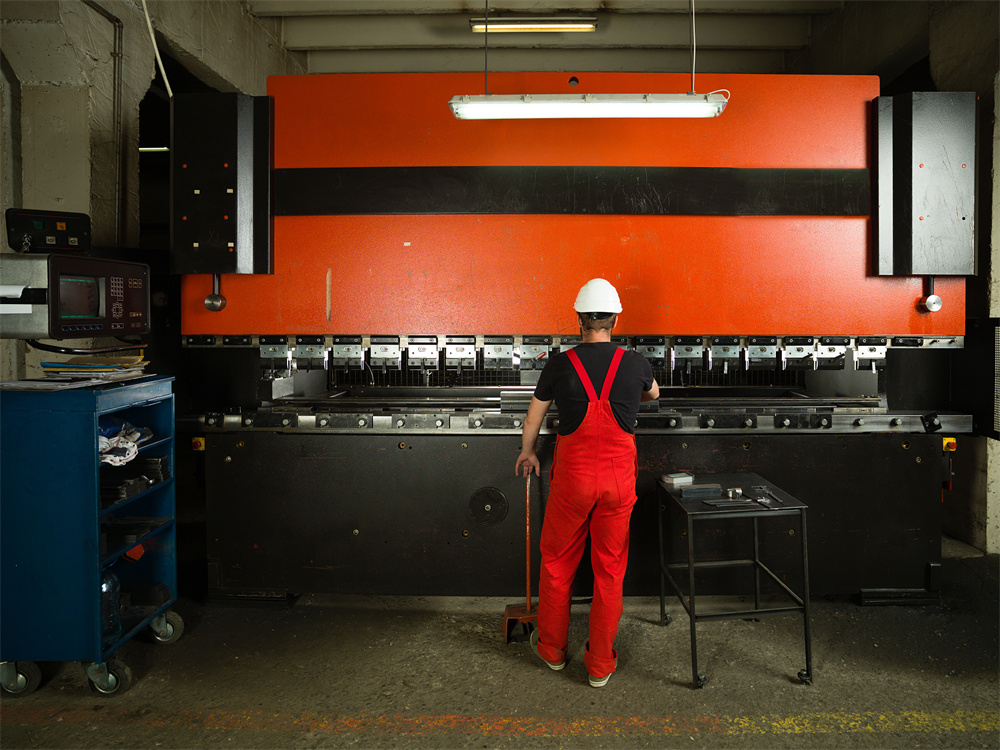
Daily inspections are the first line of defense against unexpected machine failure. Before starting your shift, the crowning system should be part of your pre-operational checklist. Begin by performing a visual inspection of the crowning table or wedge assembly. Look for any signs of debris, metal shavings, or foreign objects that may have accumulated in the wedge gaps. Even small particles can interfere with the smooth movement of the crowning wedges, leading to uneven pressure distribution.
Next, check the hydraulic connections if your machine utilizes a hydraulic crowning system. Inspect the hoses and fittings for any signs of weeping or oil leaks. A small leak might seem insignificant, but it can lead to a drop in system pressure, which directly affects the crowning compensation. Ensure that all hydraulic lines are secure and free from kinks or abrasions that could lead to a catastrophic failure under pressure.
Test the crowning system’s movement through its full range of motion without a workpiece. Observe the movement of the wedges or the crowning table. It should move smoothly and silently. Any jerky motions, grinding noises, or unusual vibrations are immediate red flags that indicate a need for lubrication or mechanical adjustment. If the system is CNC-controlled, verify that the feedback on the controller matches the physical movement of the crowning unit.
Finally, document your findings in a daily logbook. Consistency is key to identifying long-term trends. If you notice that the crowning system requires slightly more pressure to achieve the same bend angle over several weeks, this could indicate internal wear or a slow leak in the hydraulic circuit. By tracking these small changes, you can schedule maintenance during planned downtime rather than being forced into an emergency repair during a high-priority production run.
Hydraulic, Electrical, and Mechanical Checks
A comprehensive maintenance strategy must address the three pillars of the crowning system: hydraulic, electrical, and mechanical components. For hydraulic crowning systems, the quality of the hydraulic fluid is paramount. Contaminated oil is the leading cause of valve failure and cylinder seal degradation. Regularly check the oil level and color; if the oil appears cloudy or dark, it is time for a change. Ensure that the hydraulic filters are replaced according to the manufacturer’s recommended intervals to keep the system free of contaminants.
On the electrical side, focus on the sensors and feedback loops. Modern crowning systems rely on linear encoders or potentiometers to determine the exact position of the crowning wedges. Inspect the wiring harnesses for any signs of damage, such as frayed insulation or loose connections. Ensure that the sensor mounts are tight and that the sensors themselves are free of dust or oil mist, which can interfere with signal accuracy. A faulty sensor will provide incorrect data to the CNC, leading to improper crowning compensation.
The mechanical components, specifically the wedges and the bed surface, require careful attention. Over time, the sliding surfaces of the wedges can become dry or accumulate a buildup of grease and dust, increasing friction. Clean these surfaces thoroughly and apply the appropriate lubricant as specified by HARSLE. Check the mounting bolts of the crowning assembly to ensure they are torqued to the correct specifications. Loose bolts can cause the entire assembly to shift under load, leading to inconsistent bending results.
Lastly, consider the condition of the crowning cylinders or actuators. If your system uses multiple cylinders to distribute pressure, ensure that they are all functioning in unison. Any discrepancy in the extension of these cylinders will result in a non-uniform crowning effect. If you suspect a cylinder is lagging, perform a pressure test to verify that the seals are holding and that the hydraulic flow is balanced across all actuators.
Developing a Robust Lubrication Plan
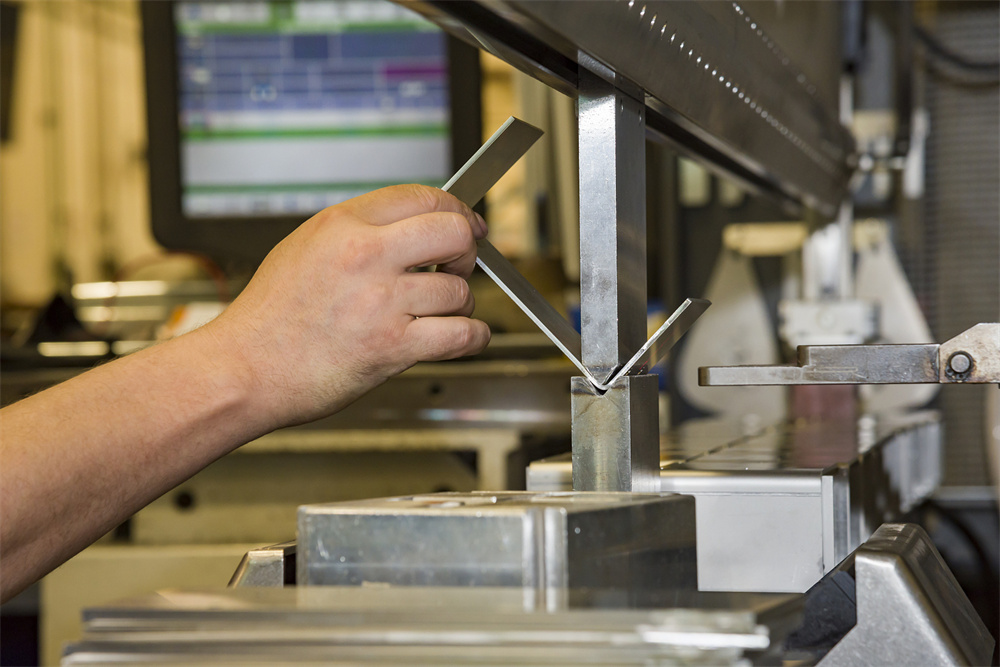
Lubrication is the lifeblood of any mechanical crowning system. Without adequate lubrication, the high-pressure contact points between the wedges will experience accelerated wear, leading to galling and eventual seizure. A robust lubrication plan should be tailored to your specific machine usage. If your press brake operates in a high-volume environment with multiple shifts, the lubrication frequency must be increased accordingly.
Start by identifying all grease points on the crowning assembly. Use a high-quality, extreme-pressure (EP) grease that is compatible with the materials of your crowning wedges. Avoid over-greasing, as excess lubricant can attract dust and metal particles, creating an abrasive paste that accelerates wear. A small, measured amount of grease applied regularly is far more effective than a large amount applied infrequently.
In addition to the grease points, pay attention to the sliding surfaces. These surfaces often require a thin film of lubricant to ensure smooth operation. Use a brush or a lint-free cloth to apply a light coating of lubricant, ensuring that it covers the entire contact area. If your machine is equipped with an automatic lubrication system, verify that the pump is functioning correctly and that all lines are clear of blockages.
Keep a lubrication schedule posted near the machine. This schedule should clearly state which points need lubrication, the type of lubricant to be used, and the frequency of application. Assign responsibility for these tasks to specific operators to ensure accountability. By making lubrication a standard part of the workflow, you prevent the most common mechanical failures associated with crowning systems.
Troubleshooting Signals: When to Call for Help
Even with the best maintenance, issues can arise. Recognizing the early warning signs of a failing crowning system can save your shop thousands of dollars in repairs. One of the most common signals is a “crowning error” message on the CNC controller. This usually indicates that the system has failed to reach the commanded position within the allotted time, suggesting a hydraulic blockage, a faulty sensor, or a mechanical obstruction.
Another signal is inconsistent bend angles across the length of the part. If you have verified that your tooling is in good condition and the material thickness is consistent, the crowning system is the likely culprit. If the center of the bend is consistently different from the ends, the crowning system may not be applying the correct amount of compensation, or the wedges may be stuck in a specific position.
Unusual noises are also a major indicator. A hydraulic crowning system should operate with a smooth, low-frequency hum. If you hear high-pitched whining, banging, or clicking sounds, stop the machine immediately. These noises often indicate air in the hydraulic lines, a failing pump, or mechanical components that are binding under load. Ignoring these sounds will almost certainly lead to a more severe failure.
Finally, look for physical signs of wear. If you notice metal flakes or debris around the crowning wedges, it is a sign of metal-on-metal contact, which means the lubrication has failed or the wedges are misaligned. If you encounter any of these signals, it is best to consult the HARSLE technical support team or a qualified service technician. Attempting to force a malfunctioning crowning system to work can cause permanent damage to the press brake bed.
Maintenance Schedule Table
| Task | Frequency | Description |
|---|---|---|
| Visual Inspection | Daily | Check for debris, leaks, and loose components. |
| Lubrication | Weekly | Apply EP grease to sliding wedges and pivot points. |
| Hydraulic Fluid Check | Monthly | Check oil level, color, and filter condition. |
| Sensor Calibration | Quarterly | Verify crowning position feedback against physical movement. |
| Bolt Torque Check | Bi-Annually | Ensure all mounting bolts are tightened to spec. |
| System Flush | Annually | Replace hydraulic oil and clean the reservoir. |
Frequently Asked Questions (FAQ)
1. How often should I replace the hydraulic oil in my crowning system?
Generally, hydraulic oil should be replaced every 2,000 to 4,000 operating hours, or at least once a year. However, if your environment is particularly dusty or if the machine is running at high temperatures, you may need to change it more frequently. Always check the oil’s condition for signs of oxidation or contamination.
2. Can I use standard grease for my crowning wedges?
No, you should use an extreme-pressure (EP) grease specifically recommended by the manufacturer. Crowning systems operate under immense pressure, and standard grease will break down quickly, leading to metal-on-metal contact and premature wear.
3. What should I do if my crowning system is stuck?
First, ensure the machine is in a safe state and the power is locked out. Check for any physical obstructions in the wedge area. If the system is hydraulic, check for pressure issues. Do not attempt to force the wedges to move with external tools, as this can damage the precision surfaces. Contact HARSLE support for guidance.
4. Why is my crowning system showing a position error?
A position error usually indicates that the CNC controller is not receiving the expected feedback from the crowning system. This could be caused by a faulty linear encoder, a loose cable, or a hydraulic valve that is failing to respond to commands. Start by checking the sensor connections and the hydraulic pressure levels.
5. Is it necessary to calibrate the crowning system regularly?
Yes, calibration is essential to ensure that the crowning compensation matches the actual deflection of the machine. Over time, mechanical wear can alter the relationship between the wedge position and the actual crowning force. Regular calibration ensures that your bend angles remain accurate throughout the life of the machine.