Hydraulic Press Brake Maintenance: Key Inspections Every Operator Should Know


The Critical Importance of Hydraulic Press Brake Maintenance
In the high-stakes environment of modern metal fabrication, the hydraulic press brake serves as the backbone of production. Whether you are operating a high-tonnage HARSLE machine or a compact precision unit, the reliability of your output depends entirely on the health of your equipment. Hydraulic Press Brake Maintenance: Key Inspections Every Operator Should Know is not just a suggestion; it is a fundamental operational requirement that prevents costly downtime and ensures the safety of your workforce.
Neglecting routine maintenance leads to a cascade of mechanical failures. When hydraulic systems are ignored, pressure fluctuations occur, leading to inconsistent bend angles and scrapped parts. Furthermore, mechanical wear on the ram guides or backgauge systems can introduce tolerances that fall outside of industry standards, rendering high-precision work impossible. By implementing a rigorous maintenance culture, shop managers can extend the lifespan of their machinery by years, significantly improving the return on investment.
Beyond the financial implications, safety remains the primary driver for maintenance. A hydraulic press brake is a powerful tool capable of exerting immense force. Worn seals, frayed electrical wiring, or malfunctioning light curtains pose immediate risks to operators. Regular inspections allow for the early detection of fatigue, leaks, or sensor failures, ensuring that the machine operates within its designed safety parameters at all times. Maintenance is, therefore, the most effective form of risk management in the fabrication shop.
Finally, maintenance is about consistency. In an industry where clients demand repeatable quality, a well-maintained machine is the only way to guarantee that the first part of the day is identical to the last. This article serves as your comprehensive guide to the inspections and protocols necessary to keep your HARSLE equipment performing at its peak. From daily checklists to long-term lubrication strategies, we cover the essential steps every operator must master.
Daily Inspection: The First Line of Defense
The daily inspection is the most vital habit an operator can develop. Before the machine is powered up for a shift, a quick walk-around can identify issues that, if left unaddressed, could escalate into major repairs. Start by checking the hydraulic oil level. A low reservoir level can introduce air into the system, causing erratic ram movement and potential damage to the hydraulic pump. Always ensure the oil is clean and free of debris or milky discoloration, which indicates water contamination.
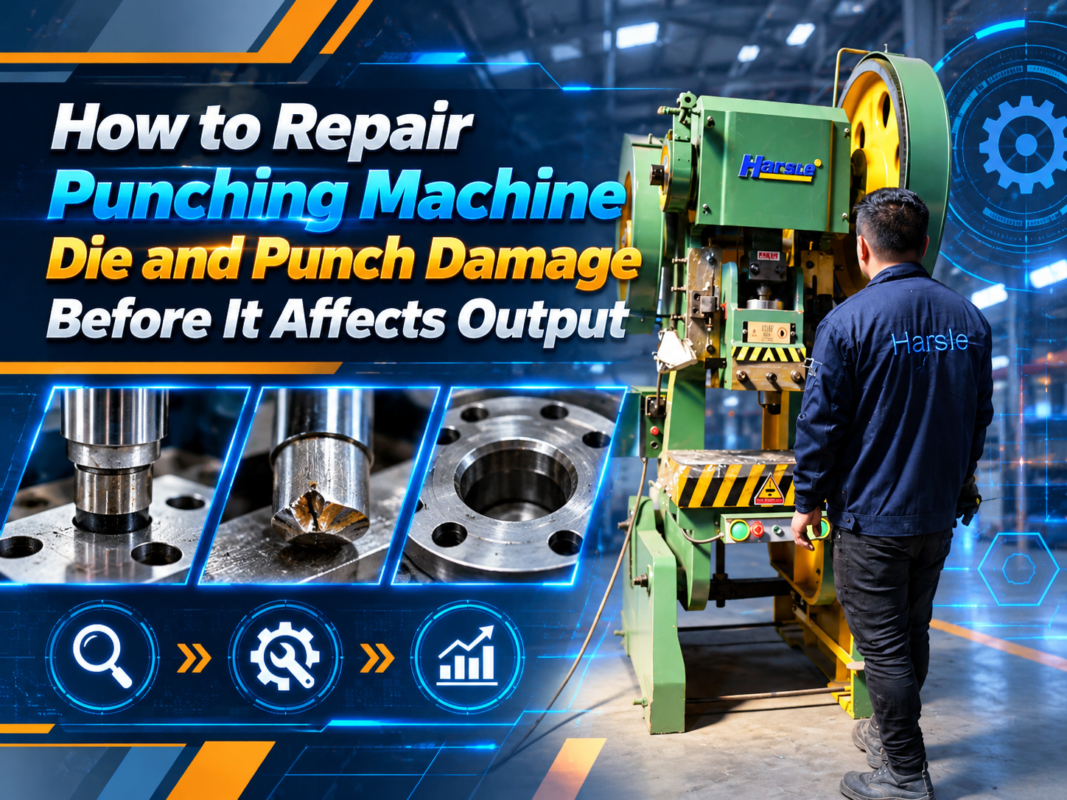
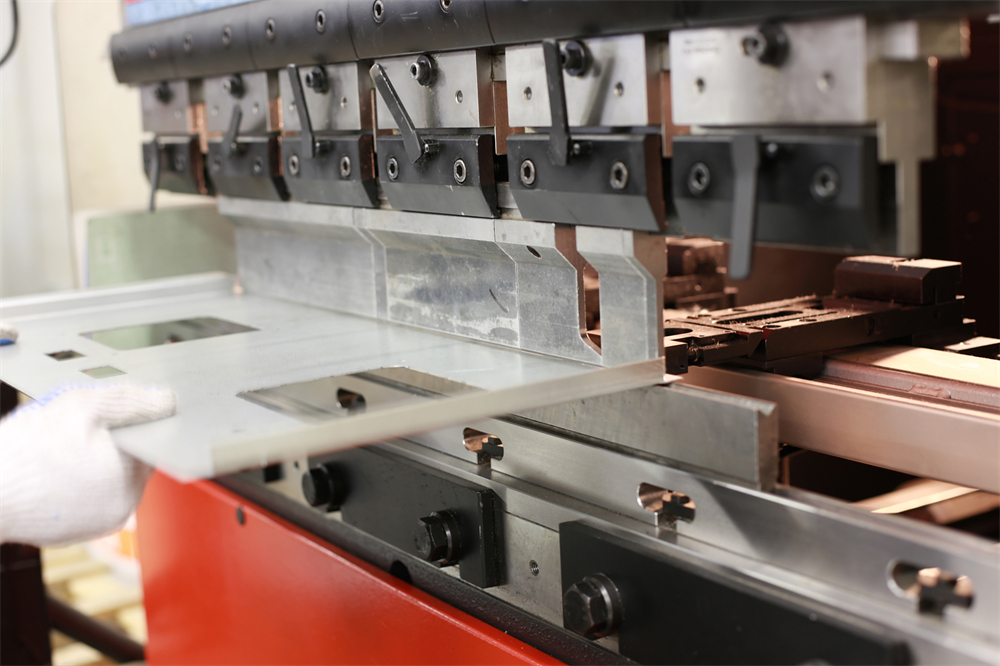
Next, inspect the tooling. The punch and die must be securely seated and free of chips, cracks, or excessive wear. Even a small nick in the die can transfer imperfections to every piece of metal processed. Check the clamping system to ensure that the wedges or hydraulic clamps are locked firmly. A loose tool is a safety hazard and a primary cause of inaccurate bending. If you notice any deformation in the tooling, it must be replaced immediately before production continues.
The backgauge system requires daily attention as well. Ensure that the fingers move smoothly along the X and R axes without binding or unusual noise. Clear away any metal shards or dust that may have accumulated on the backgauge rails. Debris in the drive mechanism can cause the backgauge to lose its calibration, leading to incorrect flange lengths. A clean machine is a precise machine, and taking five minutes to wipe down the rails can save hours of troubleshooting later.
Finally, perform a functional test of the safety systems. Test the light curtains or laser safety guards to ensure they trigger an immediate stop when the beam is interrupted. Check the emergency stop buttons to confirm they are accessible and fully operational. Never bypass safety features to increase production speed; the risk to the operator is never worth the marginal gain in output. If any safety component fails the daily test, the machine must be locked out and reported to maintenance personnel immediately.
Hydraulic, Electrical, and Mechanical Checks
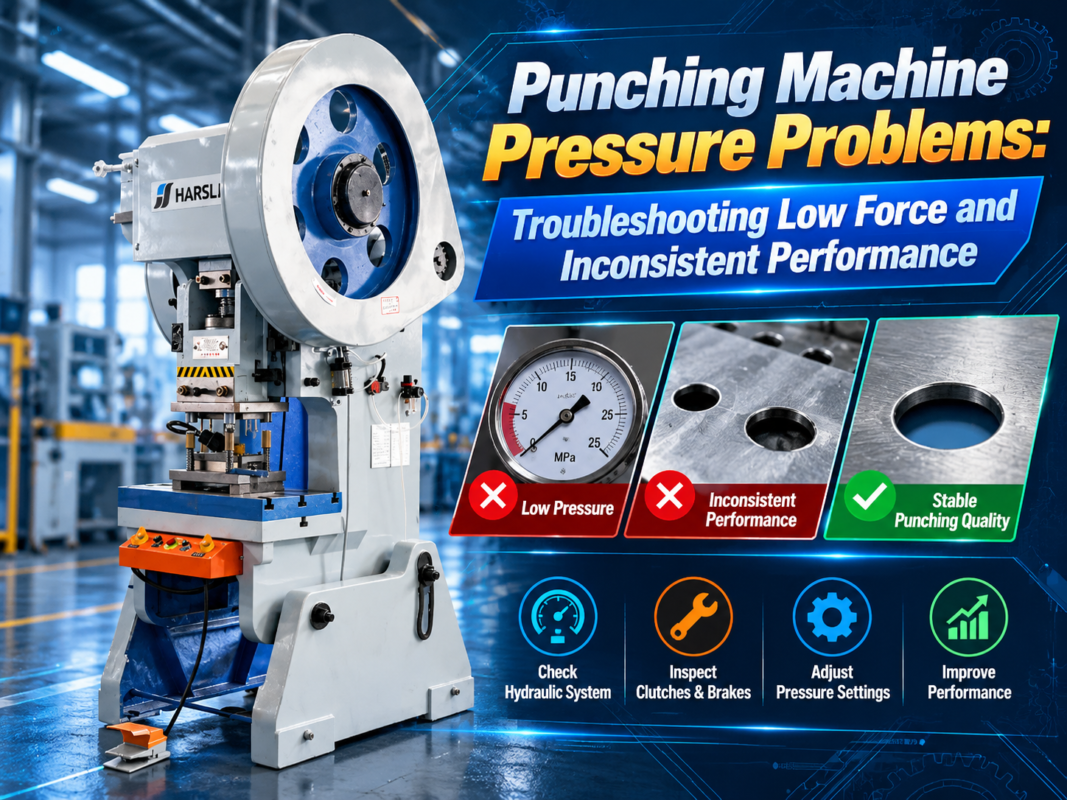
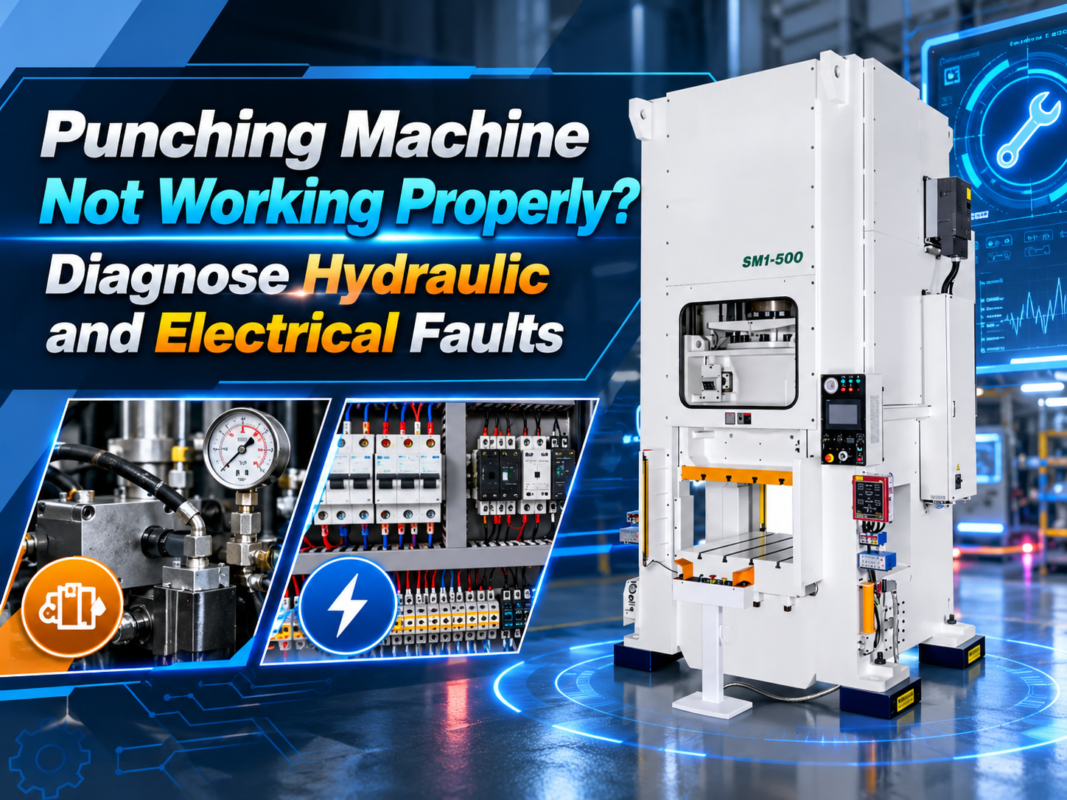
The hydraulic system is the heart of your press brake. Beyond checking oil levels, operators should monitor the system for leaks. Even a small “weeping” seal can lead to a significant loss of pressure over time. Inspect the hoses and fittings for signs of cracking, bulging, or wetness. If you hear a high-pitched whining sound from the pump, it may indicate cavitation, which is often caused by a clogged suction filter or low oil viscosity. Addressing these hydraulic signals early prevents pump failure, which is one of the most expensive repairs in metal fabrication.
Electrical systems require a different approach. Periodically check the electrical cabinet for loose connections or signs of overheating. Dust accumulation inside the cabinet can act as an insulator, causing components to run hotter than intended. Use a vacuum to remove dust, but never use compressed air, as this can force conductive metal particles into sensitive electronic boards. Ensure that all cooling fans are operational and that the cabinet seals are intact to keep out shop contaminants.
Mechanical integrity is centered on the ram and the bed. The ram guides should be checked for proper lubrication and alignment. If the ram shows signs of “chatter” or uneven movement, the gibs may need adjustment. These guides are responsible for maintaining the parallelism between the punch and the die. If they become loose, the bend angle will vary across the length of the workpiece. Consult your HARSLE manual for the specific torque settings and adjustment procedures for your model.
Don’t overlook the crowning system. If your machine is equipped with an active or manual crowning system, ensure that the compensation mechanism functions correctly. The crowning system is designed to counteract the deflection of the bed under load. If it is not calibrated, you will notice that the bend angle is consistent at the ends of the part but shallow in the middle. Regular inspection of the crowning cylinders and wedge blocks ensures that your machine maintains its rated accuracy across its entire working length.

Comprehensive Lubrication Plan
Lubrication is the lifeblood of mechanical longevity. A well-structured lubrication plan prevents metal-on-metal contact, which is the primary cause of premature wear in press brakes. Your HARSLE machine comes with a lubrication chart that specifies the points requiring grease or oil, as well as the recommended intervals. Do not deviate from these specifications, as using the wrong lubricant can be just as damaging as using none at all.
Focus on the high-friction areas, specifically the ram guides and the lead screws of the backgauge. These components are subjected to constant movement and high loads. Use a high-quality lithium-based grease for the guides, ensuring that the old grease is purged as the new grease is applied. This process flushes out any metal particles or dust that may have worked their way into the sliding surfaces. For the backgauge drive screws, a lighter lubricant is often preferred to prevent the accumulation of dust.
Establish a lubrication log. It is easy to lose track of when a machine was last serviced in a busy shop. By keeping a physical or digital log, you ensure that no point is missed. Assign a specific day of the month for deep lubrication tasks, such as checking the oil in the hydraulic reservoir and replacing the return line filters. These filters are critical; they capture the microscopic wear particles that circulate through the hydraulic system. Replacing them on schedule is the cheapest insurance policy you can buy for your pump and valves.
Finally, consider the environment. If your shop is particularly dusty or operates in high-temperature conditions, you may need to shorten your lubrication intervals. Heat breaks down lubricants faster, and dust acts as an abrasive. Observe the condition of the grease during your inspections; if it appears dark, gritty, or dried out, increase the frequency of your maintenance. A proactive approach to lubrication will keep your press brake running smoothly for years to come.
Troubleshooting Signals: When to Call for Help
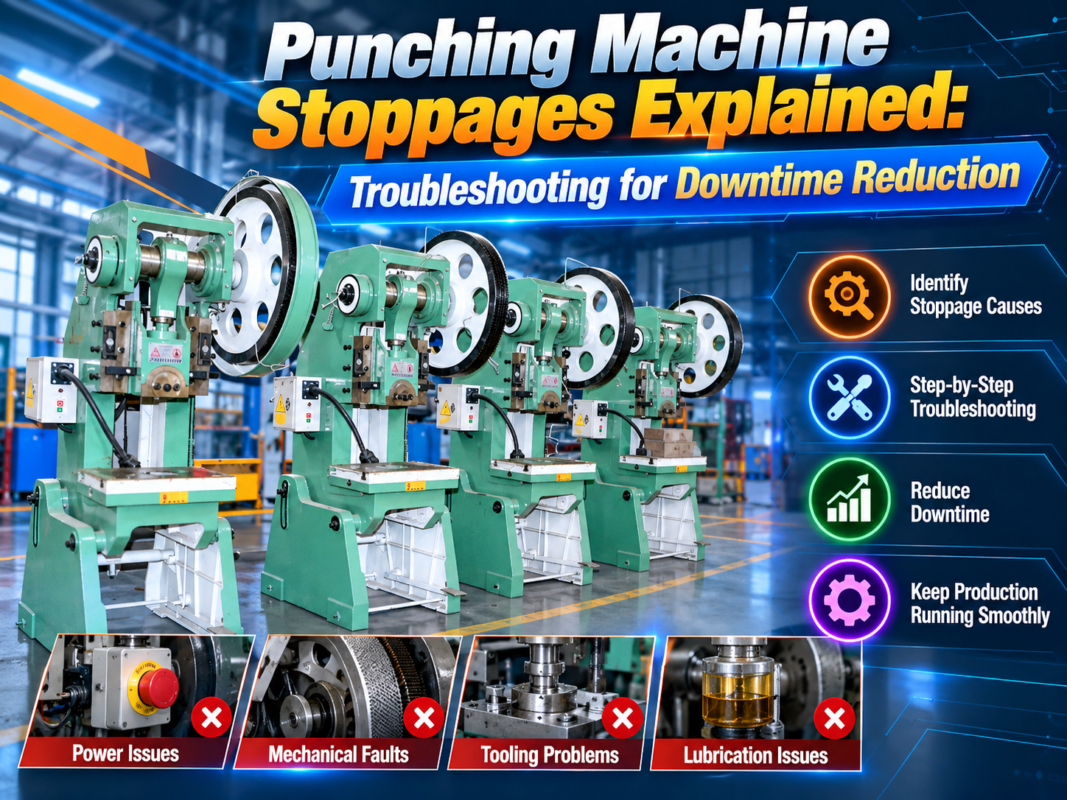
Even with the best maintenance, machines occasionally exhibit signs of trouble. Recognizing these signals early can prevent a minor issue from becoming a catastrophic failure. One common signal is a change in the sound of the machine. A hydraulic press brake should have a consistent, rhythmic hum. If you hear banging, knocking, or a sudden change in pitch, stop the machine immediately. These sounds often indicate internal mechanical failure or hydraulic cavitation.
Inconsistent bend angles are another major red flag. If you are using the same material and tooling but the bend angle varies from part to part, the issue is likely in the crowning system, the ram alignment, or the backgauge repeatability. Check the clamping pressure and ensure the material is seated correctly against the backgauge fingers. If the problem persists, it may be time to recalibrate the CNC controller or check the hydraulic valves for sticking.
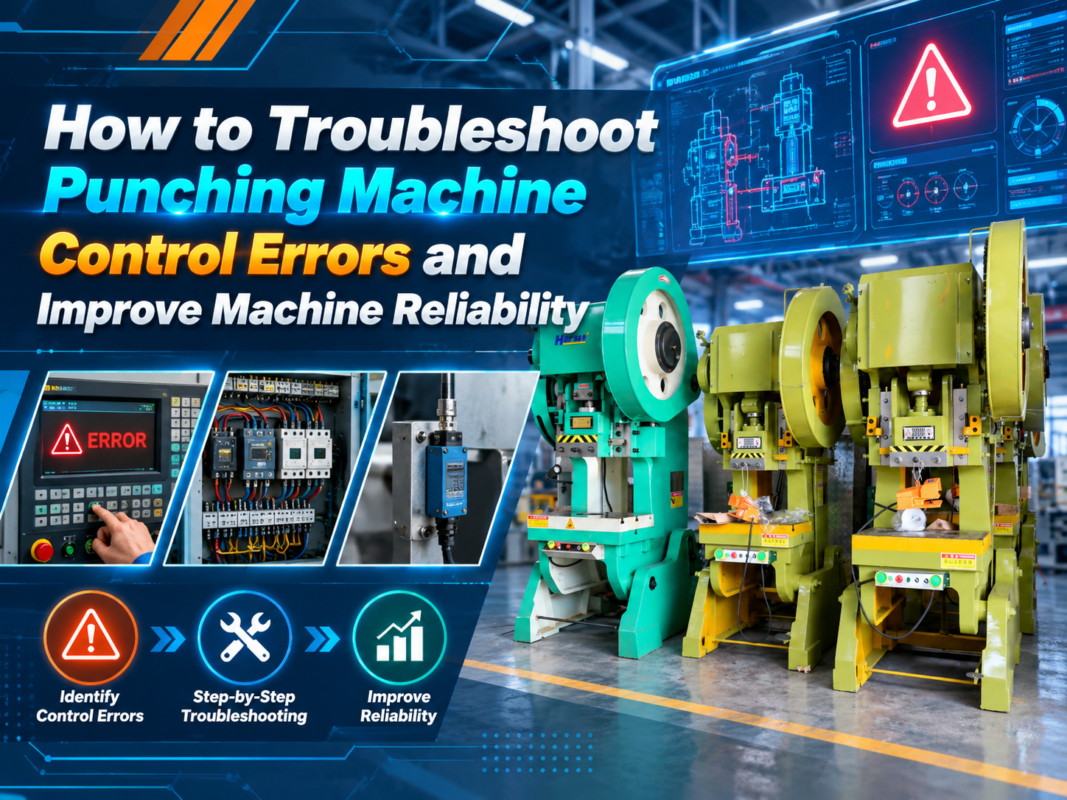
Error codes on the CNC controller are not just suggestions; they are diagnostic tools. Never clear an error code without understanding its cause. If the controller displays a “Pressure Error” or “Axis Limit” warning, investigate the root cause. Often, these errors are triggered by a sensor that is out of alignment or a cable that has been damaged. Ignoring these codes can lead to the machine operating in a degraded state, which puts extra strain on other components.
Finally, pay attention to the physical condition of the machine’s frame. While rare, cracks in the weldments or signs of structural fatigue are serious. If you notice any deformation or unusual stress marks on the frame, contact the HARSLE support team immediately. Structural integrity is the foundation of your machine’s accuracy and safety. Never attempt to weld or repair the frame of a press brake without consulting the manufacturer, as this can compromise the machine’s certification and safety rating.
Maintenance Schedule Table
| Frequency | Task | Description |
|---|---|---|
| Daily | Visual Inspection | Check oil levels, tooling condition, and safety guards. |
| Weekly | Cleaning | Wipe down backgauge rails and remove metal debris. |
| Monthly | Lubrication | Grease ram guides and check hydraulic filter condition. |
| Quarterly | Electrical Check | Inspect cabinet for dust and loose connections. |
| Bi-Annually | Calibration | Verify ram parallelism and backgauge accuracy. |
| Annually | Full Service | Replace hydraulic oil and perform deep system diagnostics. |
Frequently Asked Questions (FAQ)
How often should I change the hydraulic oil in my press brake?
Generally, hydraulic oil should be changed every 2,000 to 4,000 operating hours, or once a year, depending on the intensity of use and the cleanliness of the shop environment. Always check the oil’s color and viscosity; if it appears milky or burnt, change it immediately.
Why is my press brake making a loud noise during operation?
Loud noises can indicate several issues, including low oil levels, a clogged suction filter, or air in the hydraulic lines. It could also be a sign of mechanical wear in the pump or the ram guides. Stop the machine and perform a thorough inspection of the hydraulic system.
Can I use any grease for the ram guides?
No, you should always use the lubricant recommended by the manufacturer. Using the wrong type of grease can lead to poor lubrication, increased friction, and potential damage to the guide surfaces. Refer to your HARSLE manual for the specific grease specifications.
What should I do if the backgauge is not accurate?
First, ensure the backgauge rails are clean and free of debris. Check for any loose bolts or mechanical play in the fingers. If the hardware is secure, perform a recalibration of the backgauge axes through the CNC controller. If the issue persists, check the drive belt or ball screw for wear.
Is it safe to clean the electrical cabinet with compressed air?
No, it is not recommended. Compressed air can force conductive metal dust into sensitive electronic components, causing short circuits. Use a vacuum cleaner with a non-conductive nozzle to remove dust from the cabinet.