
Laser Cutting Machine Maintenance Checklist to Improve Accuracy and Extend Service Life


The Critical Importance of Laser Cutting Machine Maintenance
In the high-stakes world of metal fabrication, the laser cutting machine serves as the heartbeat of the production floor. Whether you are processing thin-gauge stainless steel or thick carbon plates, the precision of your output is directly tied to the health of your equipment. Implementing a rigorous Laser Cutting Machine Maintenance Checklist to Improve Accuracy and Extend Service Life is not merely a suggestion; it is a fundamental operational necessity. When machines are neglected, the resulting micro-vibrations, thermal drift, and optical degradation lead to costly scrap, downtime, and premature component failure.
HARSLE understands that industrial machinery represents a significant capital investment. By adhering to a structured maintenance protocol, operators can ensure that the laser beam remains perfectly focused, the gantry moves with sub-millimeter precision, and the power source operates at peak efficiency. This proactive approach transforms maintenance from a reactive ‘fix-it’ chore into a strategic advantage that maximizes throughput and minimizes the total cost of ownership.
Furthermore, regular maintenance is the primary defense against the harsh environment of a fabrication shop. Metal dust, humidity, and temperature fluctuations can wreak havoc on sensitive electronics and optical paths. A consistent maintenance schedule acts as a shield, protecting the internal components from contamination and wear. By prioritizing these tasks, shop managers can guarantee that their HARSLE laser cutting machine continues to deliver the high-quality edges and intricate geometries that clients demand.
Finally, the long-term financial impact of a well-maintained machine cannot be overstated. Machines that receive regular care retain higher resale values and experience fewer catastrophic failures. By following this Laser Cutting Machine Maintenance Checklist to Improve Accuracy and Extend Service Life, you are not just cleaning a machine; you are investing in the longevity and reliability of your entire production line.
Daily Inspection: The First Line of Defense
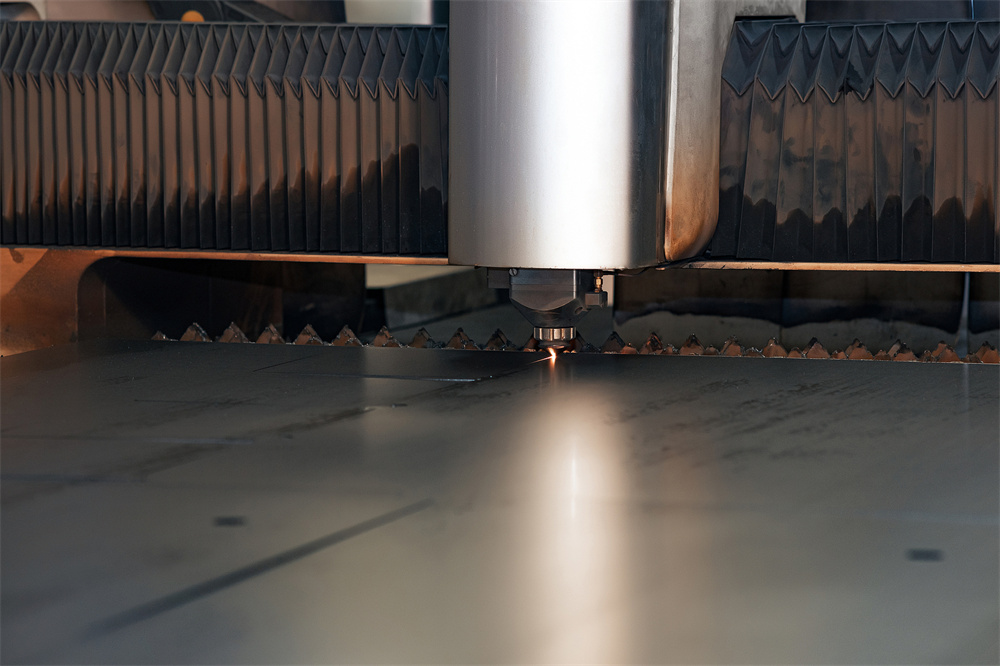
Daily inspections are the foundation of any effective maintenance program. Before the first cut of the day, operators should perform a visual and functional walkthrough to identify potential issues before they escalate. Start by checking the laser head and nozzle. The nozzle is the most exposed part of the system; any slag buildup or physical damage here will immediately compromise the cut quality and potentially damage the lens.
Next, inspect the protective lens and the cover glass. These optical components are susceptible to dust and debris. Even a microscopic speck of dust can absorb laser energy, leading to thermal stress and cracking. Use only manufacturer-approved cleaning solutions and lint-free wipes to ensure the optical path remains pristine. A quick daily check of these components can save thousands of dollars in replacement costs over the machine’s lifespan.
Check the cooling system levels and temperatures. Laser cutting machines generate immense heat, and the chiller unit is responsible for keeping the laser source and optics within a stable operating range. Ensure that the coolant levels are topped off and that there are no visible leaks in the hoses or connections. If the chiller displays any warning codes, address them immediately before initiating the cutting process.
Finally, perform a quick check of the machine’s gantry and drive systems. Ensure that the rails are free of debris and that the lubrication system is functioning. A quick wipe-down of the guide rails and a check of the rack and pinion drive will prevent premature wear caused by metal dust accumulation. These daily habits are the most effective way to ensure the machine is ready for a high-precision shift.
Hydraulic, Electrical, and Mechanical Checks
Beyond daily tasks, a deeper dive into the machine’s core systems is required on a weekly or monthly basis. For machines equipped with hydraulic components—such as automatic pallet changers or specialized clamping systems—it is vital to check hydraulic fluid levels and pressure gauges. Contaminated fluid is the leading cause of valve failure; ensure that filters are changed according to the manufacturer’s recommended intervals to keep the system running smoothly.
The electrical cabinet requires careful attention. Over time, the cooling fans in the cabinet can accumulate dust, which restricts airflow and leads to overheating of the CNC controller and laser power supply. Use compressed air (at a low, controlled pressure) to blow out the cabinet, ensuring that all vents are clear. Simultaneously, inspect the electrical connections for any signs of loose wires or heat discoloration, which could indicate a potential short circuit or poor contact.
Mechanical integrity is paramount for accuracy. Check the tension of the drive belts and the alignment of the gantry. Even a slight misalignment can lead to ‘stair-stepping’ or inaccurate hole diameters in your finished parts. Use a precision square or a laser calibration tool to verify that the X and Y axes are perfectly perpendicular. If you notice any vibration during rapid movements, it may be time to adjust the servo motor parameters or tighten the mechanical couplings.
Lastly, examine the gas delivery system. The assist gas (Oxygen, Nitrogen, or Compressed Air) must be delivered at the correct pressure and purity. Check all hoses for cracks or kinks and ensure that the regulators are functioning correctly. Any fluctuation in gas pressure will result in inconsistent cut quality, particularly when switching between different material thicknesses. Keeping these systems in top shape is essential for maintaining the high standards of HARSLE equipment.
Comprehensive Lubrication Plan
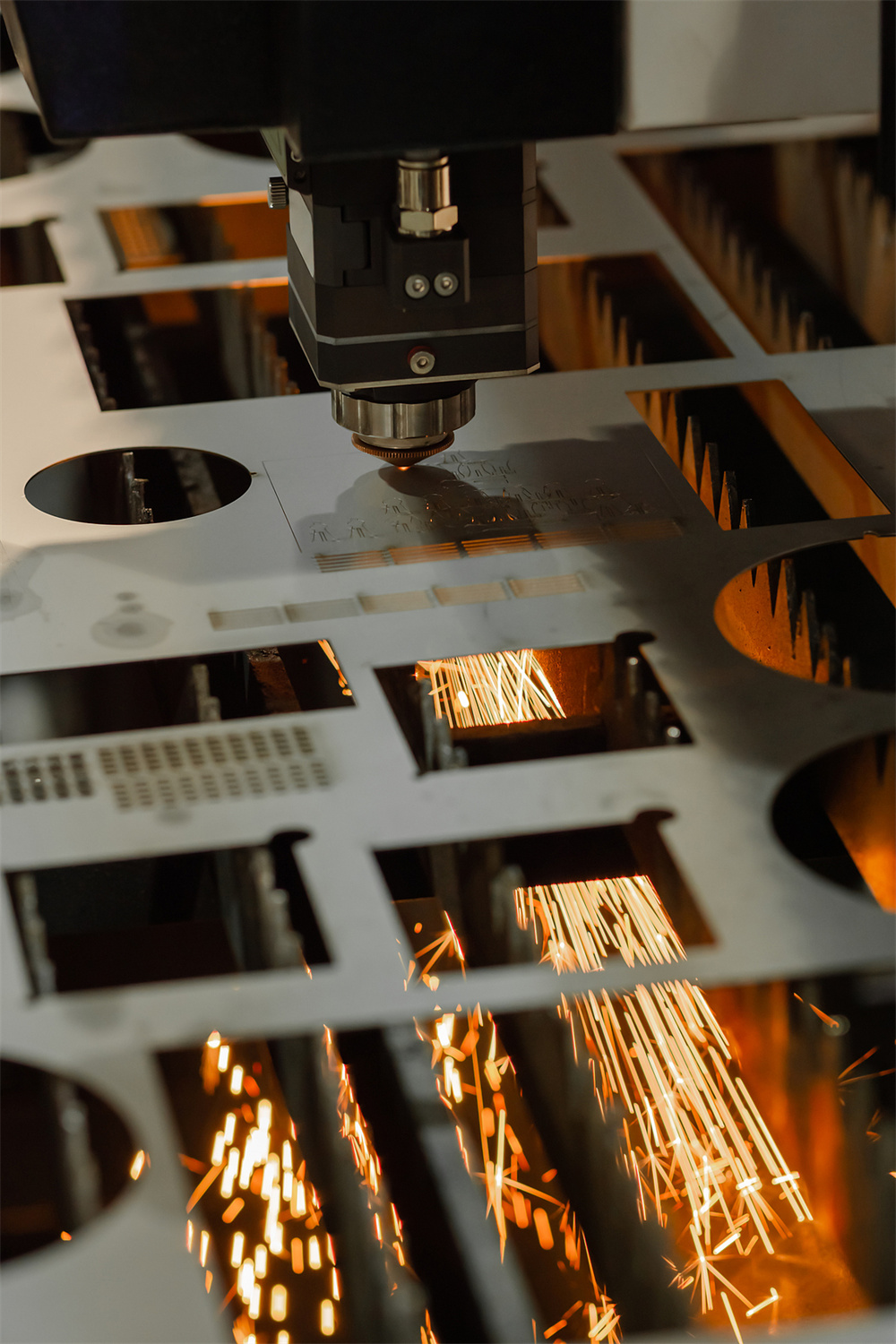
A robust lubrication plan is the lifeblood of your laser cutting machine’s mechanical longevity. The rack and pinion systems, linear guides, and ball screws are high-precision components that operate under significant stress. Without proper lubrication, friction will cause these parts to overheat and wear down, leading to a loss of accuracy that cannot be corrected through software adjustments alone.
Establish a color-coded lubrication schedule. Different parts of the machine may require different types of lubricants—some need high-temperature grease, while others require light machine oil. Ensure that your maintenance team is using the exact specifications provided in the HARSLE manual. Over-lubricating can be just as harmful as under-lubricating, as excess grease can attract metal dust and create an abrasive paste that accelerates wear.
Pay special attention to the lubrication of the Z-axis, which moves the laser head up and down. Because this axis is frequently in motion, it is prone to drying out. Clean the rails thoroughly before applying fresh lubricant to ensure that no old, contaminated grease is pushed into the bearing blocks. A clean, well-lubricated Z-axis ensures that the focal point remains consistent throughout the entire cutting process.
Finally, document every lubrication event. Keeping a log of when and where lubricant was applied helps in tracking the health of the machine over time. If a specific axis requires more frequent lubrication than others, it may indicate a mechanical issue that needs to be addressed. By treating lubrication as a disciplined process rather than an afterthought, you significantly extend the service life of your metal fabrication equipment.
Troubleshooting Signals: When to Call for Help
Even with the best maintenance, machines will occasionally signal that something is wrong. Recognizing these signs early is the key to preventing a minor issue from becoming a major breakdown. One of the most common signals is a change in the sound of the machine. If the gantry makes a grinding or clicking noise during movement, it is a clear indicator of a bearing failure or a damaged rack tooth.
Another critical signal is a decline in cut quality. If you notice burrs on the bottom of the cut, inconsistent edge finish, or a loss of detail in intricate patterns, it is time to inspect the optics and the nozzle alignment. If cleaning the optics does not resolve the issue, the laser beam may have drifted, or the focus lens may be reaching the end of its service life.
Pay attention to the CNC controller’s error logs. Modern HARSLE machines are equipped with sophisticated diagnostic software that tracks everything from motor current to temperature spikes. Never ignore a recurring error code, even if the machine seems to be running fine. These codes are often early warnings of component fatigue or software communication issues that could lead to a sudden stoppage during a critical production run.
Finally, watch for thermal instability. If the chiller is running constantly or if the laser power seems to fluctuate during long cuts, there may be an issue with the cooling loop or the laser source itself. By staying vigilant and responding to these signals, you can maintain the high level of accuracy expected from your laser cutting machine and avoid the high costs of emergency repairs.
Maintenance Schedule Table
| Frequency | Task | Objective |
|---|---|---|
| Daily | Clean nozzle and protective lens | Maintain cut quality |
| Daily | Check coolant levels | Prevent overheating |
| Weekly | Clean guide rails and racks | Reduce mechanical wear |
| Weekly | Inspect gas hoses and connections | Ensure consistent pressure |
| Monthly | Lubricate all moving axes | Extend component life |
| Monthly | Clean electrical cabinet filters | Protect sensitive electronics |
| Quarterly | Check beam alignment | Improve cutting accuracy |
| Annually | Full system calibration | Restore factory precision |
Frequently Asked Questions (FAQ)
How often should I replace the protective lens on my laser cutting machine?
The frequency of replacement depends on your cutting environment and material types. If you notice pitting, scratches, or persistent cloudiness that cleaning cannot remove, it is time to replace the lens. Generally, a high-quality lens can last several months with proper daily cleaning.
Why is my laser cutting machine losing accuracy over time?
Accuracy loss is usually caused by mechanical wear in the drive system, thermal expansion of the frame, or misalignment of the optical path. Regular lubrication and periodic calibration of the X, Y, and Z axes are essential to maintain precision.
Can I use any lubricant for my laser cutting machine?
No. Always use the specific lubricants recommended by HARSLE. Using the wrong type of grease can lead to chemical incompatibility, excessive friction, or the attraction of metal dust, which will damage your linear guides and bearings.
What is the most common cause of laser cutting machine downtime?
The most common causes are optical contamination (dirty lenses) and cooling system failures. Both are largely preventable through the consistent application of a daily and weekly maintenance checklist.
How does regular maintenance improve the ROI of my machine?
Regular maintenance reduces scrap rates, minimizes expensive emergency repairs, and extends the operational life of the machine. A machine that is well-maintained also holds its value better, providing a higher return on investment when it is time to upgrade.
By following this comprehensive guide, you ensure that your HARSLE laser cutting machine remains a reliable, high-precision asset for your metal fabrication business. Consistent care is the secret to long-term success in the competitive world of industrial manufacturing.












