
Press Brake Applications In Agricultural Machinery Equipment Fabrication: A Comprehensive Guide


Introduction to Press Brake Applications In Agricultural Machinery Equipment Fabrication
The agricultural sector relies heavily on robust, durable, and precision-engineered machinery to sustain global food production. From massive combine harvesters to intricate irrigation systems, the structural integrity of these machines depends on high-quality metal components. At the heart of this manufacturing process lies the press brake. Understanding press brake applications in agricultural machinery equipment fabrication is essential for manufacturers looking to improve efficiency, reduce waste, and enhance the longevity of their products.
Agricultural equipment is subjected to extreme environmental conditions, including heavy loads, abrasive soil, moisture, and constant vibration. Consequently, the metal parts used in these machines must be formed with absolute precision. A press brake allows fabricators to transform flat sheet metal into complex, load-bearing shapes that form the chassis, frames, and protective housings of tractors, plows, and seeders. By utilizing advanced bending technology, manufacturers can ensure that every component fits perfectly, reducing assembly time and improving the overall performance of the machinery.
HARSLE has been at the forefront of providing high-performance metal fabrication equipment tailored for the agricultural industry. As the demand for more efficient and technologically advanced farming equipment grows, the role of the press brake becomes even more critical. This guide explores the technical nuances, material considerations, and strategic advantages of integrating modern press brake technology into agricultural manufacturing workflows.
In this article, we will delve into the specific bending requirements for agricultural components, the importance of tonnage and bed length, and how HARSLE machinery provides the necessary precision to meet the rigorous standards of the agricultural sector. Whether you are a small-scale fabricator or a large-scale OEM, mastering these applications is key to staying competitive in the modern industrial landscape.
Key Considerations for Agricultural Metal Fabrication
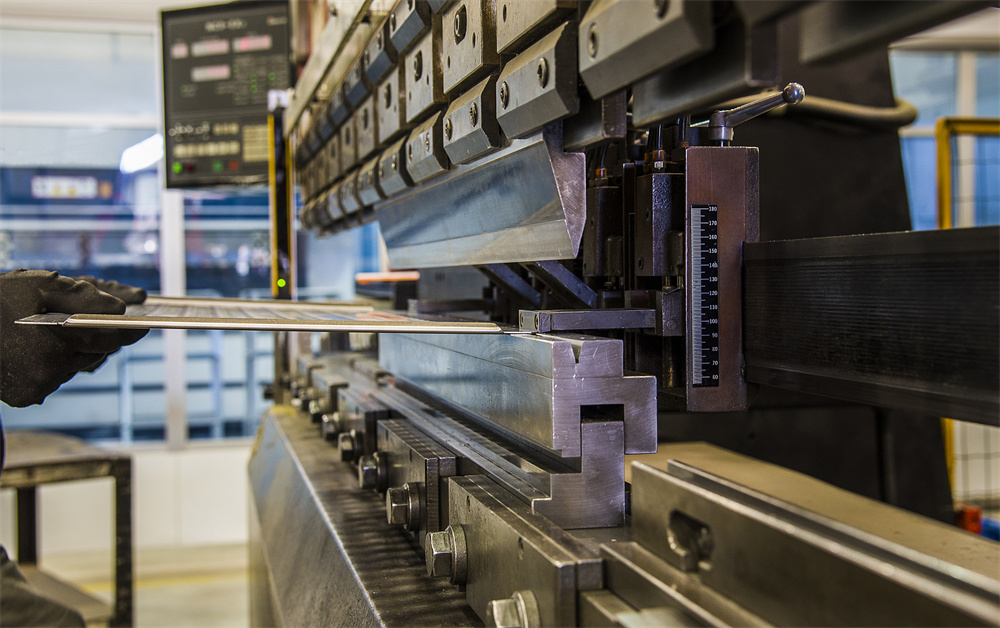
When considering press brake applications in agricultural machinery equipment fabrication, the first factor to address is material thickness and strength. Agricultural machinery often utilizes high-strength, low-alloy (HSLA) steels or wear-resistant plates to withstand the harsh conditions of the field. These materials require higher bending forces compared to standard mild steel, necessitating the use of heavy-duty hydraulic press brakes capable of handling significant tonnage without compromising on accuracy.
Another critical consideration is the complexity of the part geometry. Agricultural equipment often features long, multi-bend profiles such as frame rails, structural beams, and large protective guards. These parts require long bed lengths and advanced backgauge systems to ensure that each bend is perfectly aligned. If the backgauge is not precise, the entire structural integrity of the agricultural machine can be compromised, leading to premature failure in the field.
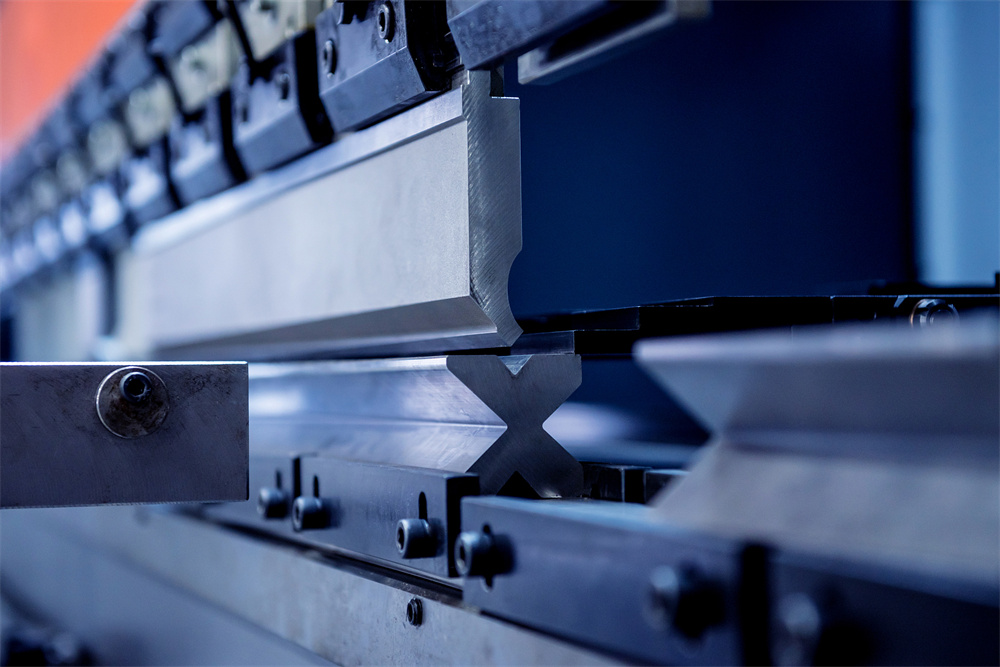
Tooling selection is equally important. Because agricultural parts are often made from abrasive or high-tensile materials, the tooling must be durable enough to resist wear and deformation. Using hardened, precision-ground punches and dies is essential to maintain consistent bend angles across large production runs. Manufacturers must also consider the spring-back effect, which is more pronounced in high-strength materials, and utilize press brakes with advanced CNC controllers that can compensate for these variations automatically.
Efficiency and throughput are the final pillars of successful agricultural fabrication. In a competitive market, the ability to switch between different part designs quickly is a major advantage. Modern press brakes equipped with quick-change tooling systems and intuitive software allow operators to transition from bending a tractor fender to a plow blade in minutes. This flexibility reduces downtime and allows manufacturers to respond rapidly to changing market demands.
Technical Details of Press Brake Operations
The technical execution of bending agricultural components involves a deep understanding of hydraulic systems and CNC programming. A modern press brake operates by applying force through a ram to a punch, which pushes the metal sheet into a die. In agricultural fabrication, this process must be highly repeatable. HARSLE press brakes utilize advanced hydraulic synchronization, ensuring that the ram remains perfectly parallel to the bed throughout the entire stroke, even under off-center loading conditions.
CNC controllers play a pivotal role in modern fabrication. For agricultural machinery, the controller must be capable of handling complex 3D simulations. This allows the operator to visualize the bending process before the metal is even touched, identifying potential collisions or errors. By simulating the bend, manufacturers can optimize the sequence of operations, minimizing the number of times a large, heavy part needs to be repositioned, which significantly improves safety and productivity.
The backgauge system is the unsung hero of the press brake. In agricultural equipment, where parts can be several meters long, the backgauge must be robust and highly accurate. Multi-axis backgauges (X, R, Z1, Z2) allow for the bending of tapered parts and complex shapes that are common in modern machinery design. These systems ensure that the metal is positioned correctly every time, eliminating the need for manual measurement and reducing the risk of human error.
Finally, safety features are non-negotiable in an industrial environment. Agricultural fabrication often involves handling large, heavy sheets of metal. Modern press brakes are equipped with laser safety guards that monitor the bending zone in real-time. If an obstruction is detected, the machine stops instantly, protecting the operator without sacrificing cycle speed. These technical advancements ensure that the fabrication process is not only efficient but also safe for the workforce.
Selection Advice for Agricultural Fabricators
Choosing the right press brake for agricultural machinery equipment fabrication requires a strategic approach. First, evaluate your maximum material thickness and length. It is always advisable to select a machine with a slightly higher tonnage capacity than your current requirements to account for future growth and the potential use of harder, high-strength materials. A machine that is constantly pushed to its maximum capacity will experience faster wear and tear, leading to increased maintenance costs.
Consider the level of automation required for your production volume. If you are producing high volumes of identical parts, a press brake with an automatic tool changer or robotic integration might be the best investment. However, for job shops that handle a wide variety of custom agricultural components, a versatile, high-precision CNC press brake with a user-friendly interface is often the better choice. HARSLE offers a range of solutions that can be customized to fit the specific throughput needs of your facility.
Evaluate the support and service capabilities of the manufacturer. Agricultural machinery fabrication is a 24/7 operation for many companies, and downtime is costly. Ensure that your press brake supplier provides comprehensive training, readily available spare parts, and responsive technical support. A machine is only as good as the support behind it, and HARSLE prides itself on providing long-term partnerships with our clients to ensure their equipment remains operational for years to come.
Lastly, look at the energy efficiency of the machine. Modern hydraulic systems with variable frequency drives (VFDs) can significantly reduce power consumption compared to older, traditional hydraulic systems. Given the energy-intensive nature of metal fabrication, investing in an energy-efficient press brake not only lowers your carbon footprint but also provides substantial savings on operational costs over the life of the machine.
FAQ: Press Brake Applications In Agricultural Machinery Equipment Fabrication
What is the most important factor when choosing a press brake for agricultural parts?
The most important factor is the tonnage-to-length ratio. Agricultural parts are often long and made from thick, high-strength steel. You need a machine that provides consistent force across the entire bed length to ensure uniform bends.
How does CNC technology improve agricultural fabrication?
CNC technology allows for precise control over the bending angle, depth, and backgauge positioning. It reduces the reliance on operator skill, minimizes scrap rates, and enables the production of complex geometries that would be impossible to achieve manually.
Can a standard press brake handle wear-resistant steel?
Yes, but you must ensure the machine has sufficient tonnage and that you are using the correct tooling. Wear-resistant steel requires more force to bend and can cause premature wear on standard tooling, so high-quality, hardened dies are recommended.
How often should a press brake be maintained?
Regular maintenance should be performed according to the manufacturer’s schedule, typically every 6 to 12 months. This includes checking hydraulic fluid levels, inspecting seals, cleaning the backgauge, and verifying the calibration of the ram and bed.
Why is HARSLE recommended for agricultural fabrication?
HARSLE provides robust, high-precision machinery specifically designed for heavy-duty industrial applications. Our machines are known for their durability, advanced CNC capabilities, and excellent after-sales support, making them ideal for the demanding environment of agricultural manufacturing.
Conclusion
The role of press brake applications in agricultural machinery equipment fabrication cannot be overstated. As farming practices evolve to become more efficient and technology-driven, the machinery used to support these practices must also advance. By investing in high-quality, precision-engineered press brakes, manufacturers can ensure that their equipment is built to last, capable of performing under the most challenging conditions, and produced with the highest level of efficiency.
HARSLE remains committed to empowering agricultural fabricators with the tools they need to succeed. From heavy-duty hydraulic systems to intuitive CNC software, our solutions are designed to address the unique challenges of the agricultural sector. Whether you are bending structural frames for tractors or intricate components for harvesting equipment, our press brakes provide the reliability and accuracy required to maintain a competitive edge.
As you look to upgrade your fabrication capabilities, remember that the right equipment is an investment in your company’s future. By focusing on material compatibility, automation, and long-term support, you can build a manufacturing process that is both productive and profitable. Explore the HARSLE range of metal fabrication equipment today and discover how we can help you take your agricultural machinery production to the next level.












