Press Brake Cost Breakdown: Machine, Tooling, Installation, and Maintenance


Price Range Overview
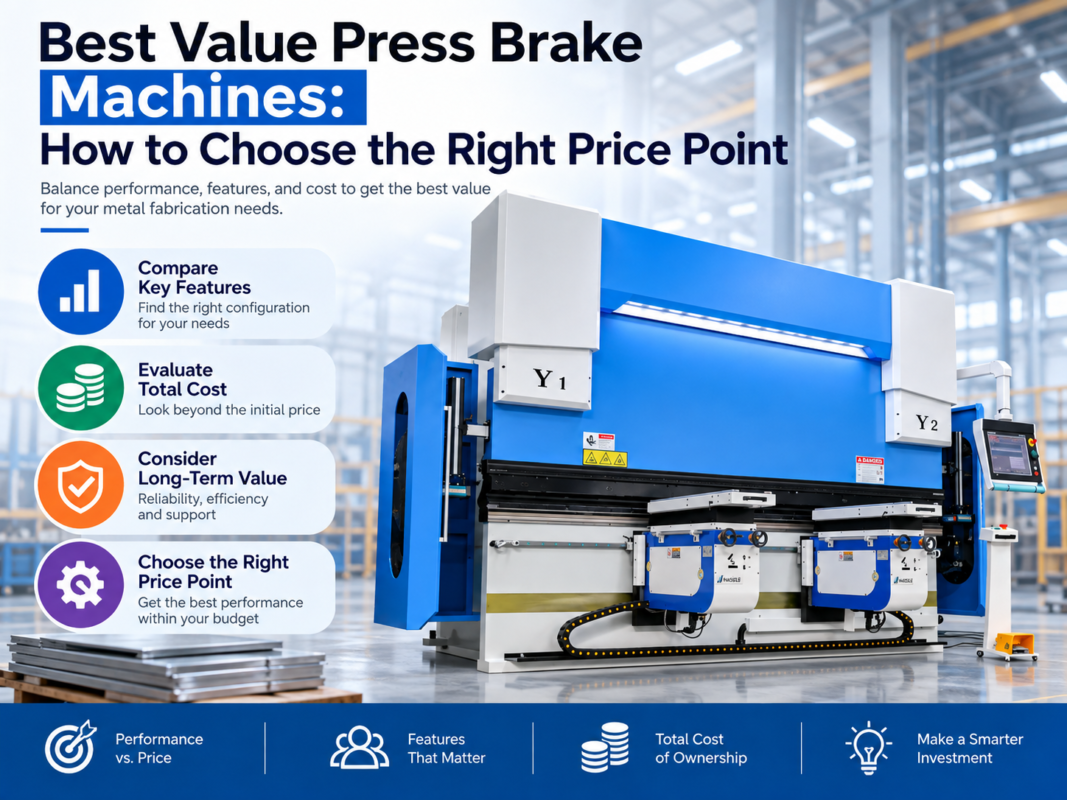
Investing in a press brake is a significant capital expenditure for any metal fabrication shop. Understanding the Press Brake Cost Breakdown: Machine, Tooling, Installation, Maintenance is essential for accurate budgeting and long-term financial planning. Generally, entry-level hydraulic press brakes can start as low as $20,000 to $40,000 for smaller, manual-heavy units. Mid-range machines, which offer higher precision and automation, typically fall between $60,000 and $150,000. High-end, fully automated electric or servo-hydraulic systems designed for high-volume production can exceed $250,000 to $500,000 depending on the tonnage and axis configuration.
The price range is heavily influenced by the machine’s capacity, which is measured in tonnage (bending force) and bed length. A 50-ton machine with a 2-meter bed will naturally cost significantly less than a 500-ton machine with a 6-meter bed. Beyond the physical size, the control system plays a massive role in the final price. Modern CNC controllers that integrate with CAD/CAM software add value but also increase the initial purchase price. Buyers must evaluate their specific production needs against these price tiers to avoid over-investing in features they won’t utilize.
It is also important to consider the geographical origin of the machine. While European and Japanese machines are often priced at a premium due to brand reputation and advanced engineering, modern manufacturers like HARSLE provide high-performance alternatives that offer competitive pricing without sacrificing build quality. When comparing quotes, ensure that you are comparing “apples to apples” by looking at the standard features included in the base price versus optional add-ons that might be necessary for your specific workflow.
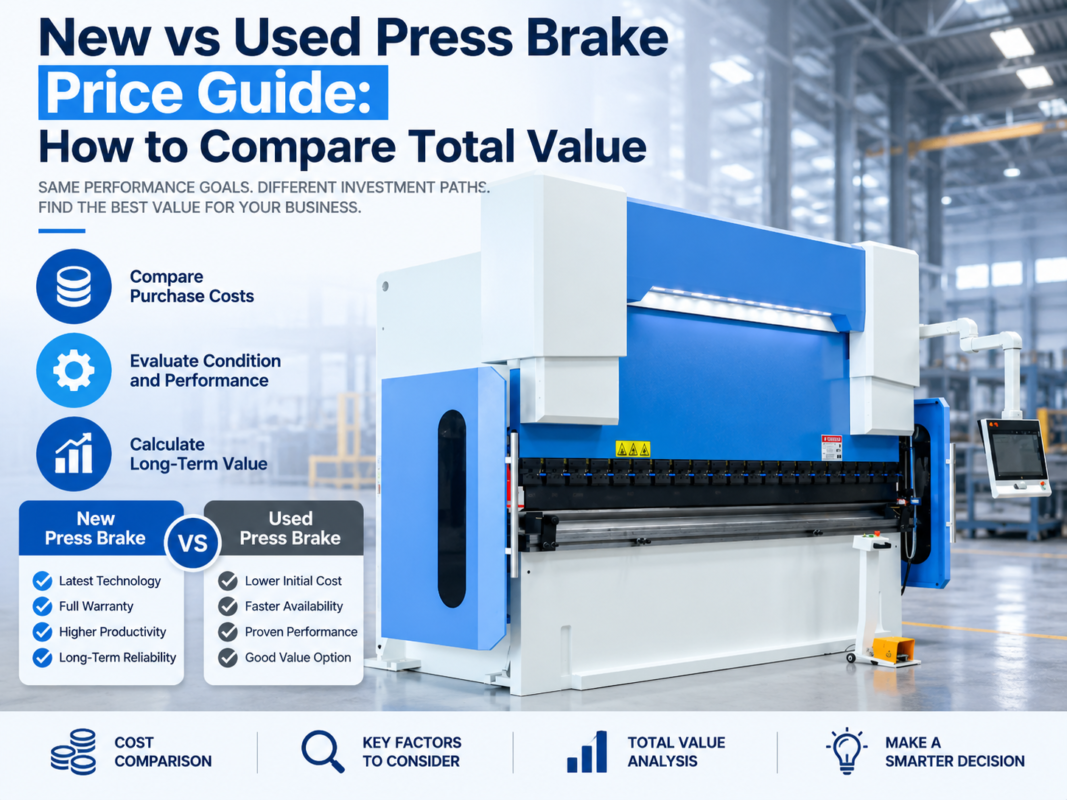
Finally, the market for used machinery can offer lower entry costs, but this comes with significant risks. Used machines may lack modern safety features, have worn hydraulic components, or suffer from outdated control software that is difficult to service. For most professional fabrication shops, the total cost of ownership over five years is often lower when purchasing a new machine with a full warranty and manufacturer support, rather than dealing with the unpredictable maintenance costs of aging equipment.
Main Cost Drivers
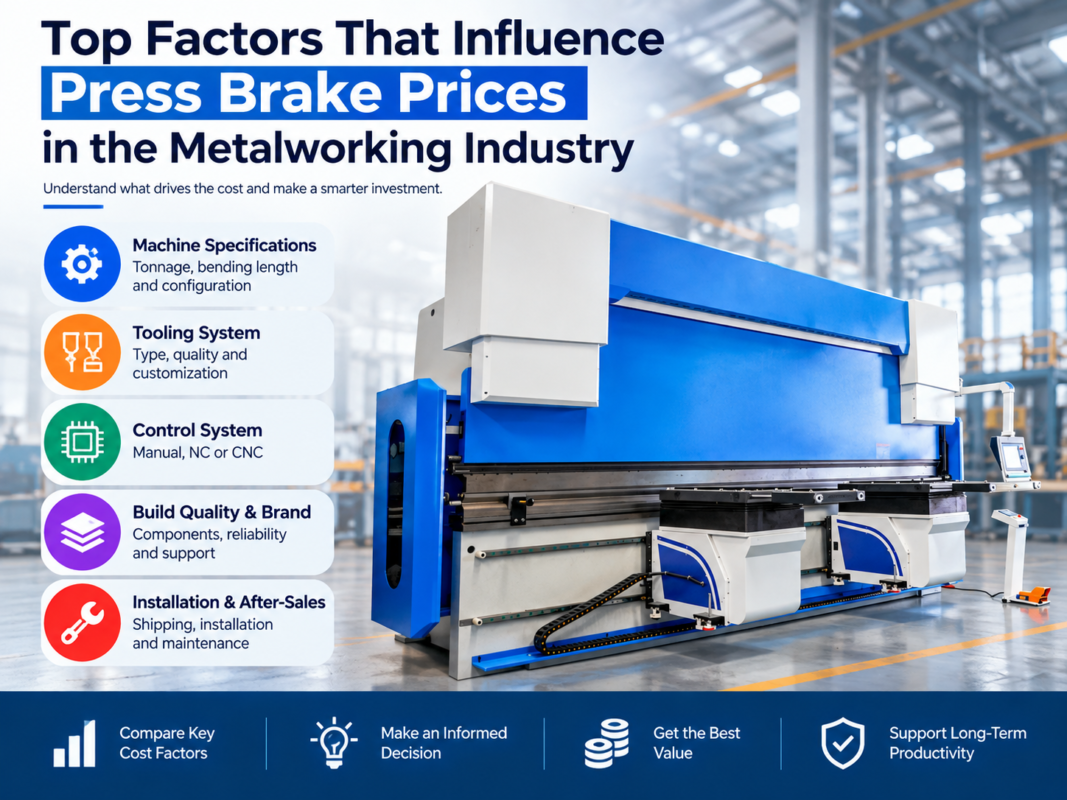
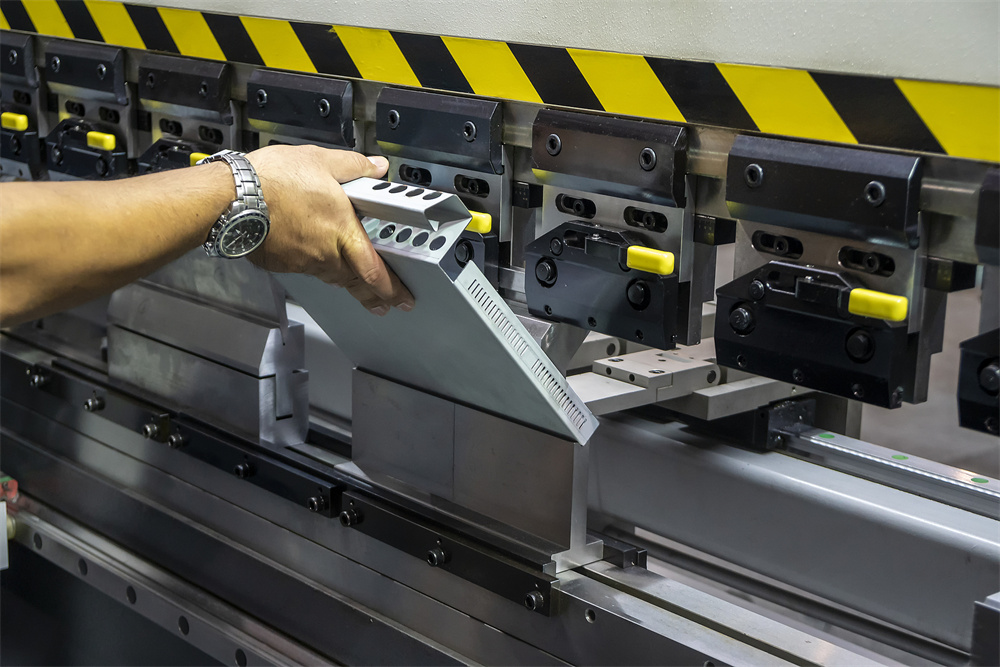
The primary driver of any press brake cost is the structural integrity and the tonnage capacity of the frame. A heavy-duty, stress-relieved steel frame is required to withstand the immense pressure of bending thick metal plates. The thicker the material and the longer the bend, the higher the tonnage required, which necessitates a larger, more robust frame. This increase in steel and manufacturing precision directly correlates to the machine’s price tag.
The hydraulic system is the heart of the press brake. High-quality hydraulic components, such as proportional valves, high-pressure pumps, and precision cylinders, are vital for maintaining bending accuracy. Cheaper hydraulic systems may suffer from drift or inconsistent pressure, leading to scrap parts and increased operational costs. Investing in premium hydraulic components ensures repeatability, which is the most critical metric in high-precision metal fabrication.
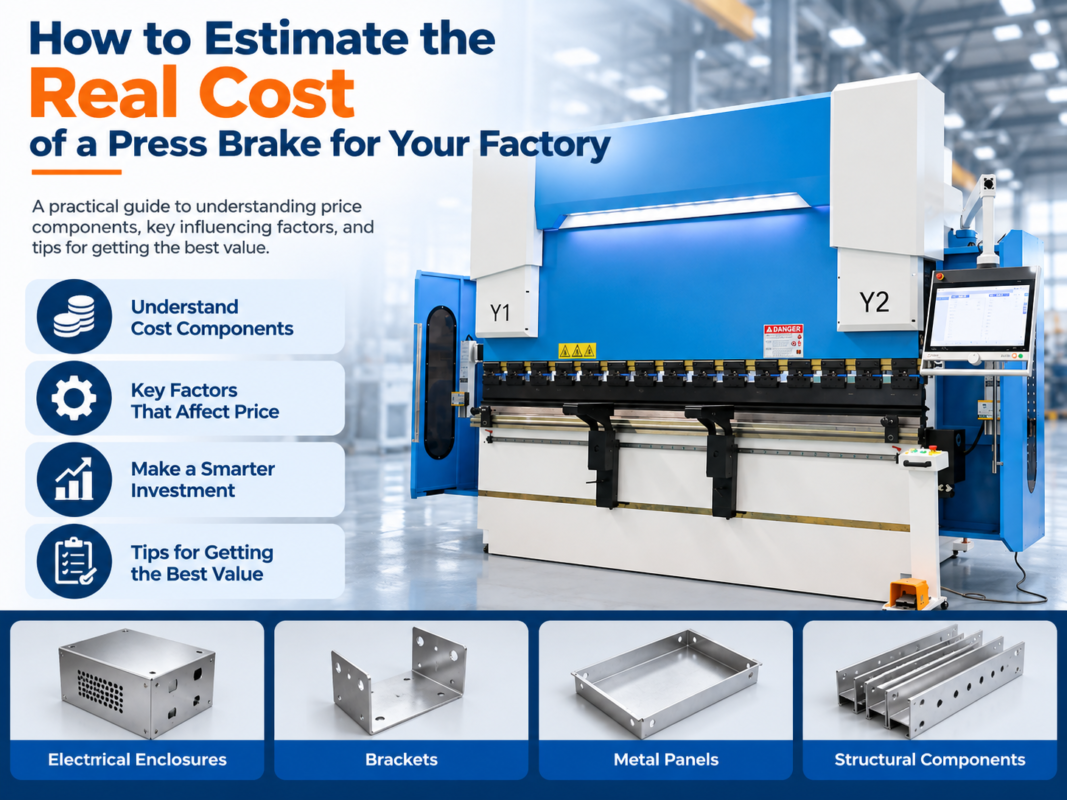
Axis configuration is another major cost driver. A basic press brake might only have a Y1/Y2 axis (the two cylinders) and a manual backgauge. However, modern production often requires 4-axis, 6-axis, or even 8-axis machines. Each additional axis—such as CNC-controlled backgauge fingers, crowning systems, or sheet followers—adds complexity to the machine’s design and software, significantly increasing the cost. These features are essential for complex parts but represent a significant portion of the initial investment.
The CNC controller is the “brain” of the operation. Modern controllers offer 3D visualization, automatic bend sequence calculation, and cloud connectivity for remote monitoring. While a simple controller might suffice for basic 90-degree bends, shops handling complex geometries will need advanced software. The cost of the controller includes not just the hardware, but the proprietary software development and the ease of use for the operator, which impacts labor efficiency over the life of the machine.
Configuration Impact
Customizing your press brake configuration allows you to tailor the machine to your specific production requirements, but every addition impacts the bottom line. One of the most common upgrades is the automatic crowning system. Crowning compensates for the deflection of the machine bed during the bending process, ensuring a consistent bend angle across the entire length of the part. While some entry-level machines use manual crowning, CNC-controlled hydraulic crowning is standard on high-end models and is a must-have for precision work.
Backgauge sophistication is another critical configuration choice. A standard backgauge moves along the X-axis, but adding R-axis (vertical movement) and Z-axis (lateral movement of fingers) allows for much faster and more complex bending. For shops that produce parts with multiple bend angles and varying flange lengths, a multi-axis backgauge is an essential investment that drastically reduces setup time and increases throughput.
Safety features are non-negotiable and also impact the total cost. Modern press brakes are equipped with laser light curtains, safety mats, and specialized guarding systems that prevent operator injury. While these systems add to the initial cost, they are vital for compliance with international safety standards and for reducing insurance premiums. Never compromise on safety to save on the initial purchase price, as the cost of an accident far outweighs the price of the machine.
Tooling compatibility is another configuration factor. Some machines are designed for specific tooling styles, such as European style or American style. If you already have a large inventory of tooling, you may want to choose a machine that is compatible with your existing setup. If you are starting from scratch, consider the long-term benefits of quick-change clamping systems, which allow operators to swap out punches and dies in seconds rather than minutes, significantly increasing machine uptime.
Hidden Costs
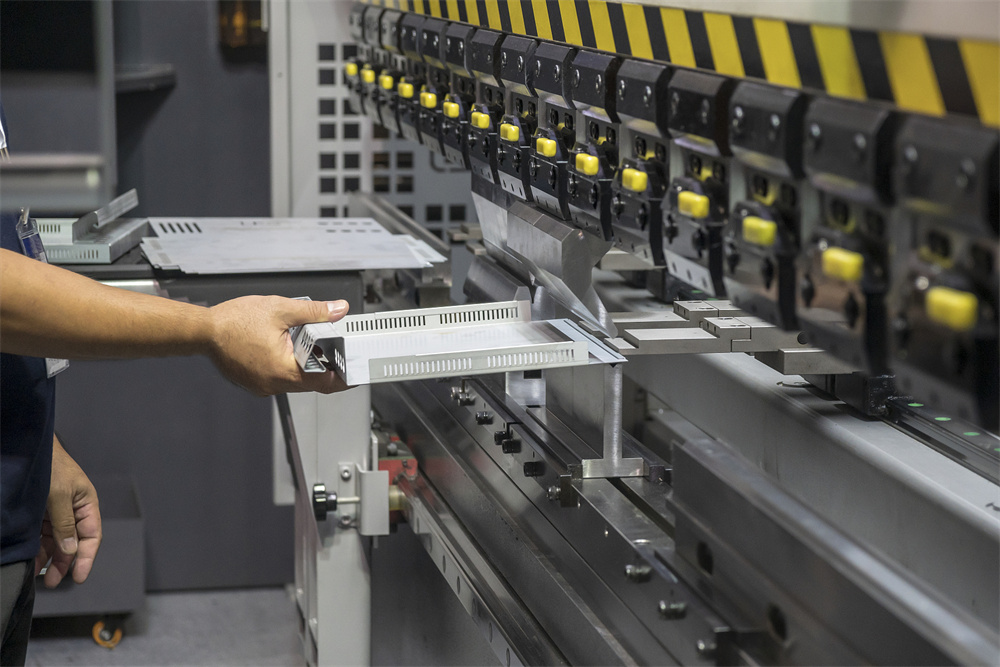
When calculating the Press Brake Cost Breakdown: Machine, Tooling, Installation, Maintenance, many buyers overlook the “hidden” costs that appear after the purchase order is signed. Shipping and rigging are the first of these. Moving a multi-ton press brake requires specialized flatbed trucks and heavy-duty cranes or forklifts. Depending on the distance and the complexity of the delivery, shipping and rigging can add several thousand dollars to the total cost.
Site preparation is another frequently underestimated expense. A press brake requires a reinforced concrete foundation to handle the weight and the vibration of the machine. If your shop floor is not thick enough, you may need to excavate and pour a new foundation. Additionally, you must consider the electrical requirements. High-tonnage machines often require high-voltage, three-phase power, which may necessitate an upgrade to your shop’s electrical panel or the installation of new transformers.
Training is an essential, yet often overlooked, cost. Even the most advanced machine is useless if your operators do not know how to program it efficiently. Manufacturer training programs, whether on-site or at a training facility, are a necessary investment. You should also factor in the “learning curve” cost—the period during the first few weeks when production speed will be slower as your team gets up to speed with the new equipment.
Finally, consider the cost of consumables and spare parts. While the machine itself is a capital asset, you will need a budget for replacement filters, hydraulic oil, and wear parts like backgauge fingers or clamping bolts. Establishing a relationship with a reliable supplier like HARSLE ensures that you have access to these parts quickly, minimizing downtime and keeping your production schedule on track.
ROI Calculation
Calculating the Return on Investment (ROI) for a press brake involves looking at more than just the purchase price. You must consider the increase in production capacity, the reduction in scrap rates, and the labor savings. A modern, automated press brake can often complete a job in half the time of an older, manual machine. By calculating the hourly rate of your shop and the number of parts produced per hour, you can estimate the time it will take for the machine to pay for itself.
Another factor in the ROI calculation is the reduction in secondary operations. High-precision bending means that parts fit together perfectly during assembly, eliminating the need for grinding, re-bending, or excessive welding to fix errors. This “right the first time” capability is a massive cost saver that is often ignored in initial budget projections. When you factor in the labor hours saved on rework, the ROI becomes much more attractive.
Energy efficiency is also a growing consideration. Newer servo-hydraulic or electric press brakes consume significantly less power than older, traditional hydraulic machines that keep the pump running constantly. Over several years of operation, the energy savings can be substantial, further improving the ROI. When evaluating different models, ask the manufacturer for the machine’s power consumption profile during idle and active states.
Finally, consider the impact on your shop’s capabilities. A new press brake might allow you to take on jobs that were previously impossible, such as bending thicker materials or handling more complex geometries. This expansion of your service offering can lead to new revenue streams, which should be factored into your long-term ROI analysis. A press brake is not just a tool; it is a business growth engine.
Buying Advice
Before finalizing your purchase, create a detailed list of your current and future production needs. Do not buy a machine based on your current workload alone; consider where your business will be in five years. If you anticipate moving into thicker materials or larger parts, it is better to invest in a slightly higher tonnage machine now than to have to replace it in a few years.
Always request a demonstration or visit a showroom. Seeing the machine in operation allows you to evaluate the build quality, the speed of the backgauge, and the user-friendliness of the controller. Ask the operator about their experience with the machine’s interface. A machine that is difficult to program will lead to operator frustration and lower productivity, regardless of how well it is built.
Check the manufacturer’s support network. A press brake is a long-term investment, and you need to know that you can get technical support and spare parts when you need them. Look for companies that offer remote diagnostics, as this can save you days of downtime by allowing technicians to troubleshoot software issues over the internet.
Finally, review the warranty terms carefully. A comprehensive warranty that covers both parts and labor is a sign of a manufacturer’s confidence in their product. Be wary of machines with very short or limited warranties, as this may indicate a lack of long-term reliability. By following this guide, you can make an informed decision that balances cost, performance, and reliability for your metal fabrication business.
FAQ
- What is the most important factor in press brake cost? The tonnage and bed length are the primary drivers, followed by the complexity of the CNC controller and the number of axes.
- How often should I perform maintenance? Routine maintenance should be performed every 500 to 1,000 operating hours, including oil changes, filter replacements, and lubrication of moving parts.
- Is it worth buying a used press brake? It can be, but only if the machine has been well-maintained and you have access to parts and service. For most, a new machine offers better long-term value.
- How do I determine the tonnage I need? Tonnage is determined by the material type, thickness, and the length of the bend. Use a standard bending force chart or consult with your machine manufacturer.
- What is the difference between hydraulic and electric press brakes? Hydraulic machines are powerful and ideal for heavy-duty work, while electric machines are faster, quieter, and more energy-efficient for lighter, high-precision tasks.