Press Brake Uses In Aerospace Sheet Metal Forming: A Comprehensive HARSLE Guide


Introduction to Aerospace Sheet Metal Forming
The aerospace industry represents the pinnacle of engineering precision, where every component must meet rigorous safety and performance standards. Within this sector, the role of metal fabrication equipment is paramount. Specifically, press brake uses in aerospace sheet metal forming have evolved from simple bending tasks to complex, high-precision operations that define the structural integrity of aircraft and spacecraft. As materials become lighter and stronger, the machinery required to shape them must offer unparalleled accuracy and repeatability.
HARSLE has long been at the forefront of providing advanced metal fabrication solutions tailored to the unique demands of the aerospace sector. In an industry where a fraction of a millimeter can determine the success of a flight component, the choice of press brake technology is not merely a purchase decision; it is a strategic investment in quality control. This guide explores how modern press brakes are utilized in aerospace manufacturing, the technical challenges involved, and how to select the right equipment for your facility.
Aerospace manufacturing involves working with exotic alloys, including titanium, Inconel, and high-strength aluminum series. These materials possess unique spring-back characteristics and thermal properties that require specialized bending techniques. Press brakes used in this environment must be equipped with advanced CNC controllers, dynamic crowning systems, and high-precision tooling to ensure that every bend meets the stringent tolerances required by aviation regulatory bodies.
By integrating HARSLE’s high-performance press brakes into the production line, aerospace manufacturers can achieve significant improvements in throughput and part consistency. This article delves into the technical nuances of these processes, providing a roadmap for engineers and procurement managers looking to optimize their sheet metal forming capabilities.
Key Considerations for Aerospace Bending
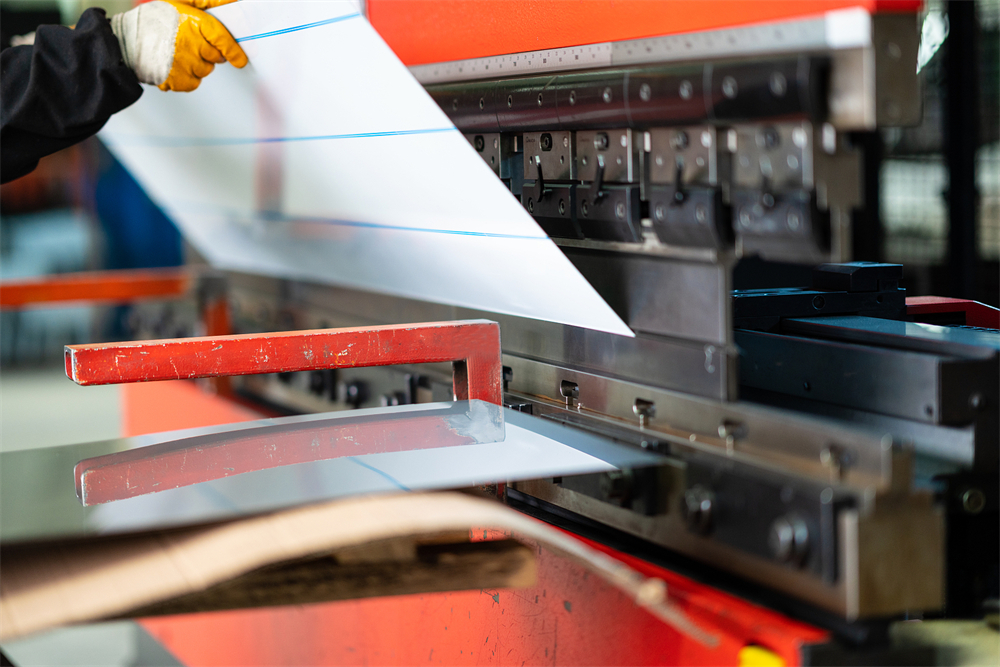
When discussing press brake uses in aerospace sheet metal forming, the primary consideration is material integrity. Aerospace components are often subjected to extreme stress, vibration, and temperature fluctuations. Consequently, the bending process must not introduce micro-cracks or excessive residual stress into the material. This requires the use of press brakes with precise pressure control and specialized bending sequences that minimize material fatigue.
Another critical factor is the management of spring-back. Because aerospace alloys are often high-strength, they tend to return to their original shape after the bending force is removed. Modern HARSLE press brakes utilize advanced software algorithms to calculate and compensate for spring-back in real-time. This ensures that the final angle is accurate to within a few arc-minutes, eliminating the need for costly manual rework or post-forming adjustments.
Surface finish is equally important in the aerospace industry. Many components are used in aerodynamic applications where surface smoothness is vital for drag reduction. The tooling used in the press brake must be polished and maintained to prevent surface marring or contamination. HARSLE provides specialized tooling solutions designed to work with sensitive aerospace-grade materials, ensuring that the aesthetic and functional integrity of the part is preserved throughout the forming process.
Finally, traceability and documentation are non-negotiable in aerospace. Every bend performed on a part must be recorded and verified against design specifications. Modern press brakes are equipped with data logging capabilities that track bending force, ram position, and cycle time. This data is essential for quality assurance audits and ensures that every component produced meets the strict certification requirements of the aerospace industry.
Technical Details of Aerospace Press Brake Operations
The technical implementation of press brake uses in aerospace sheet metal forming involves a combination of hardware precision and software intelligence. At the core of these operations is the hydraulic or electric press brake, which must provide consistent tonnage across the entire bed length. HARSLE’s range of CNC press brakes features multi-axis backgauges, allowing for complex, multi-bend parts to be formed in a single setup, which significantly reduces the risk of human error.
Dynamic crowning is a vital technical feature for aerospace applications. As the press brake applies force, the bed and ram naturally deflect. In aerospace, where tolerances are extremely tight, this deflection can lead to inconsistent bend angles along the length of the part. HARSLE’s automatic crowning systems compensate for this deflection by adjusting the bed geometry in real-time, ensuring a uniform bend angle from one end of the workpiece to the other.
Tooling geometry plays a significant role in the success of aerospace forming. V-die openings and punch radii must be carefully selected based on the material thickness and the required bend radius. For aerospace alloys, a larger bend radius is often preferred to prevent cracking at the bend line. HARSLE’s engineering team works closely with clients to design custom tooling that optimizes the flow of material during the bending process, reducing the risk of thinning at the bend apex.
Furthermore, the integration of offline programming software is a game-changer for aerospace manufacturers. By simulating the bending process in a 3D environment before the metal ever touches the machine, engineers can identify potential collisions, optimize the bending sequence, and calculate the exact blank size required. This digital twin approach minimizes material waste and ensures that the production process is as efficient as possible, which is crucial when working with expensive aerospace-grade materials.
Selection Advice for Aerospace Manufacturers
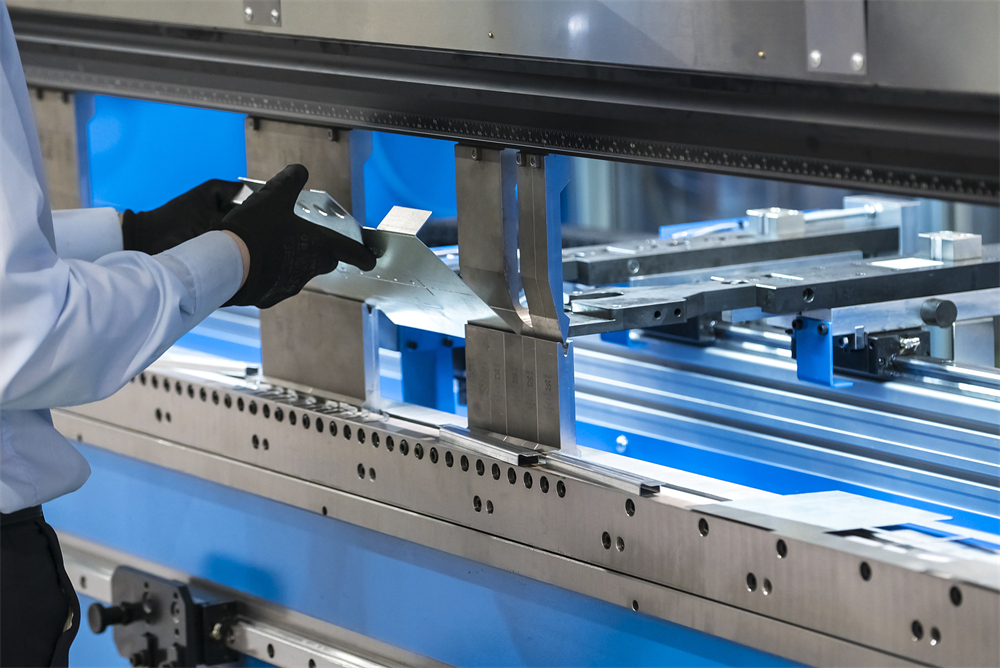
Selecting the right press brake for aerospace applications requires a deep understanding of your production volume, material types, and tolerance requirements. For high-mix, low-volume production, a flexible CNC press brake with quick-change tooling is essential. This allows for rapid transitions between different part geometries without sacrificing precision. HARSLE offers a variety of configurations that can be customized to meet these specific operational needs.
Consider the tonnage requirements carefully. While aerospace parts are often thin, the high-strength nature of the alloys means they require significant force to bend. It is always better to have a machine with slightly more tonnage than you currently need to ensure that the press brake operates well within its capacity, which extends the lifespan of the machine and improves overall accuracy. HARSLE’s sales engineers can assist in calculating the exact tonnage required based on your specific material specifications.
Automation is another area to consider. As the aerospace industry faces labor shortages and the need for higher throughput, robotic press brake cells are becoming increasingly popular. A robotic cell can handle the loading, bending, and unloading of parts with perfect consistency, 24/7. HARSLE provides integrated robotic solutions that are pre-configured for aerospace applications, offering a turnkey path to increased productivity and reduced operational costs.
Finally, prioritize after-sales support and maintenance. Aerospace manufacturing is a high-stakes environment where downtime is costly. Choosing a partner like HARSLE ensures that you have access to expert technical support, genuine spare parts, and regular maintenance training. A well-maintained press brake is the foundation of a reliable aerospace production line, and investing in a high-quality machine from a reputable manufacturer is the best way to ensure long-term success.
Frequently Asked Questions (FAQ)
- What materials are most commonly bent using press brakes in aerospace?
Common materials include 2024 and 7075 aluminum alloys, titanium grades (such as Ti-6Al-4V), and high-nickel superalloys like Inconel. Each requires specific bending parameters to avoid cracking. - How does HARSLE ensure precision in aerospace bending?
HARSLE machines utilize high-resolution encoders, advanced CNC controllers, and automatic dynamic crowning systems to maintain sub-millimeter accuracy across the entire bend length. - Is offline programming necessary for aerospace press brake operations?
While not strictly mandatory, offline programming is highly recommended for aerospace to ensure complex parts are bent correctly, reduce setup time, and minimize material waste. - Can press brakes handle the spring-back associated with titanium?
Yes, modern HARSLE press brakes feature sophisticated software that calculates spring-back based on material properties, allowing the machine to over-bend slightly to achieve the desired final angle. - What maintenance is required for aerospace-grade press brakes?
Regular maintenance includes checking hydraulic fluid levels, inspecting tooling for wear, calibrating the backgauge, and ensuring the CNC software is updated to the latest version for optimal performance.
Conclusion
The role of press brake uses in aerospace sheet metal forming is critical to the advancement of modern aviation. As the industry continues to push the boundaries of speed, efficiency, and safety, the machinery used to fabricate its components must keep pace. HARSLE remains committed to providing the aerospace sector with the high-precision, reliable, and technologically advanced press brakes necessary to meet these challenges.
By focusing on material integrity, precision engineering, and the integration of smart manufacturing technologies, aerospace companies can ensure that their production lines are capable of delivering the highest quality components. Whether you are a Tier 1 supplier or a specialized aerospace workshop, understanding the technical requirements and selecting the right equipment is the first step toward excellence in manufacturing.
We invite you to explore HARSLE’s full range of metal fabrication equipment. Our team of experts is ready to help you optimize your sheet metal forming processes, ensuring that your facility remains at the cutting edge of aerospace technology. Contact us today to discuss your specific requirements and discover how our solutions can elevate your production capabilities.