
Real-World Results: Improving Cost Control with a High-Speed Laser Cutting Machine


Introduction
In the competitive landscape of modern metal fabrication, the ability to maintain tight profit margins while delivering high-quality components is the hallmark of a successful enterprise. For many manufacturers, the transition from traditional mechanical cutting or plasma systems to advanced fiber laser technology represents a pivotal moment in operational strategy. This article explores the concept of Real-World Results: Improving Cost Control with a High-Speed Laser Cutting Machine, demonstrating how HARSLE equipment transforms production floors into hubs of efficiency.
Cost control in metal fabrication is rarely about cutting corners; it is about optimizing the utilization of raw materials, reducing labor hours per unit, and minimizing energy consumption. High-speed laser cutting machines have emerged as the gold standard for achieving these objectives. By leveraging high-power fiber lasers, manufacturers can achieve unprecedented cutting speeds and precision, effectively lowering the cost-per-part ratio that dictates long-term profitability.
As we delve into the mechanics of these machines, we will examine how HARSLE integrates cutting-edge software and hardware to solve common industry pain points. From material waste reduction to the elimination of secondary finishing processes, the impact of a high-speed laser on a company’s bottom line is measurable and significant. This guide serves as a comprehensive resource for shop owners and production managers looking to modernize their facilities.

Key Considerations for Cost Control
When evaluating the financial impact of a new machine, the primary metric is often the total cost of ownership (TCO). This includes not only the initial purchase price but also the operational costs, maintenance requirements, and the longevity of the equipment. A high-speed laser cutting machine excels in this area by providing a faster return on investment through increased throughput and reduced scrap rates.
Material utilization is perhaps the most critical factor in cost control. Traditional cutting methods often require significant spacing between parts to account for the width of the cut (kerf) or the heat-affected zone (HAZ). HARSLE’s high-speed fiber lasers feature extremely narrow kerf widths, allowing for tighter nesting of parts on a single sheet of metal. This efficiency can reduce raw material waste by 10% to 20%, which translates to massive savings over the course of a production year.
Labor costs represent another significant variable. High-speed laser systems are highly automated, often requiring minimal operator intervention once the nesting software has optimized the cutting path. By reducing the time spent on manual material handling and post-cut deburring, shops can reallocate skilled labor to more complex tasks, thereby increasing the overall value-add per employee hour.
Energy efficiency is an often overlooked component of cost control. Fiber laser technology is inherently more energy-efficient than CO2 lasers or plasma cutters. HARSLE machines utilize advanced fiber optic delivery systems that minimize power loss during transmission. This reduction in electricity consumption, combined with lower cooling requirements, contributes to a smaller carbon footprint and lower monthly utility bills, further stabilizing operational costs.
Technical Details of HARSLE Laser Systems
The core of HARSLE’s performance lies in the integration of high-quality fiber laser sources, robust gantry systems, and intelligent CNC controllers. These components work in harmony to ensure that the machine maintains high speeds without sacrificing precision. The fiber laser source provides a concentrated beam that cuts through various metals—including stainless steel, carbon steel, aluminum, and brass—with exceptional speed and edge quality.
The gantry system is designed for high acceleration and deceleration, which is essential for complex geometries. When cutting intricate patterns, the machine must be able to change direction rapidly without vibrating or losing accuracy. HARSLE utilizes lightweight yet rigid materials in the gantry construction, paired with high-precision servo motors, to achieve the rapid movements necessary for high-speed production cycles.
Software integration is the “brain” of the operation. Modern HARSLE laser cutting machines come equipped with advanced nesting software that automatically calculates the most efficient layout for parts. This software also manages the cutting parameters, such as gas pressure, focal length, and feed rate, based on the material type and thickness. By automating these settings, the machine ensures consistent quality and prevents errors that could lead to wasted material.
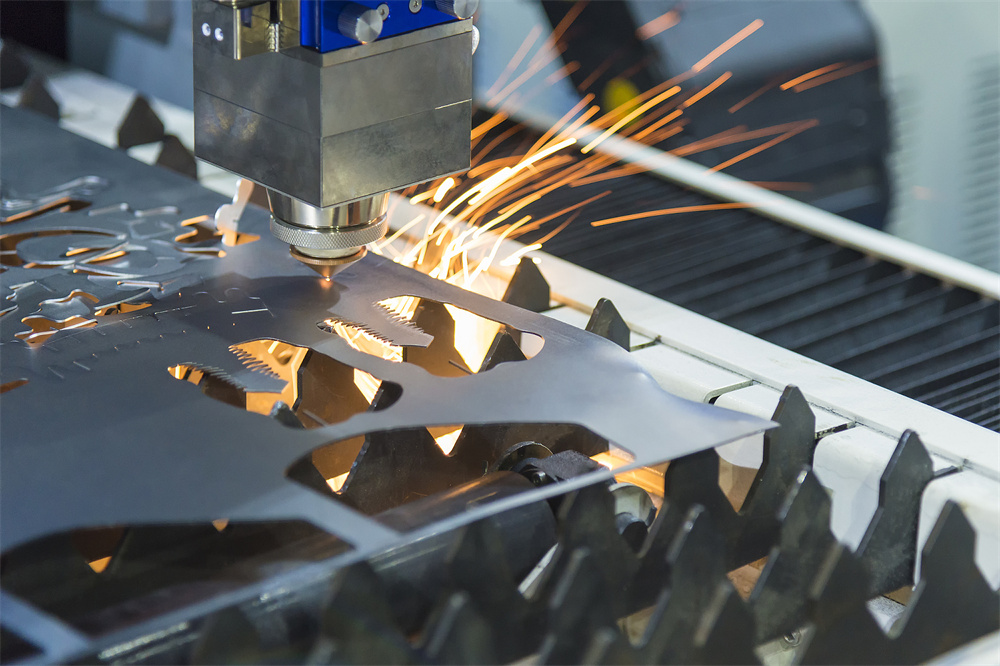
Furthermore, the inclusion of automatic nozzle changers and pallet changers significantly reduces downtime. In a high-speed environment, every second the machine is not cutting is a second of lost potential revenue. HARSLE’s automated systems allow for continuous operation, where one sheet is being loaded while another is being cut, effectively doubling the machine’s uptime compared to manual systems.
Selection Advice: Choosing the Right Machine
Selecting the right laser cutting machine requires a thorough analysis of your current production needs and future growth projections. Start by identifying the most common materials and thicknesses you process. If your shop primarily handles thin-gauge sheet metal, a lower-wattage laser might be sufficient. However, if you frequently process thick plates, investing in a higher-wattage fiber laser will provide the necessary power to maintain speed and edge quality.
Consider the size of the work area. HARSLE offers various bed sizes to accommodate different sheet dimensions. Choosing a machine that matches your standard material sizes prevents the need for excessive trimming or repositioning, which saves time and reduces the risk of errors. Always factor in the physical footprint of the machine and the necessary clearance for maintenance and material loading.
Support and service are as important as the machine itself. When investing in high-speed laser technology, you are entering a long-term partnership with the manufacturer. HARSLE provides comprehensive training for operators and maintenance staff, ensuring that your team can maximize the machine’s potential from day one. Look for manufacturers that offer remote diagnostics and readily available spare parts to minimize potential downtime.
Finally, evaluate the software compatibility. Your new laser cutting machine should integrate seamlessly with your existing CAD/CAM workflow. HARSLE’s systems are designed to be user-friendly, allowing for quick imports of design files and rapid setup times. If your team is already familiar with specific design software, ensure that the machine’s controller supports those file formats to streamline the transition process.
Häufig gestellte Fragen (FAQ)
1. How does a fiber laser improve cost control compared to plasma cutting?
Fiber lasers offer much higher precision and narrower kerf widths, which significantly reduces material waste. Additionally, they require less post-cut finishing, saving on labor costs.
2. What is the expected maintenance for a HARSLE laser cutting machine?
Routine maintenance includes cleaning the protective lens, checking the cooling system, and inspecting the gantry rails. HARSLE provides a detailed maintenance schedule to ensure optimal performance.
3. Can these machines handle reflective materials like copper and brass?
Yes, modern fiber laser technology is highly effective at cutting reflective materials, provided the machine is equipped with the correct laser source and parameter settings.
4. How long does it take to train an operator on a HARSLE laser?
Thanks to the intuitive CNC interface, operators can typically learn the basics of machine operation within a few days, though mastering advanced nesting and optimization takes more time.
5. Is it worth upgrading from a CO2 laser to a fiber laser?
In most cases, yes. Fiber lasers have lower energy consumption, faster cutting speeds for thin-to-medium materials, and require less maintenance than CO2 lasers.
Conclusion
Achieving Real-World Results: Improving Cost Control with a High-Speed Laser Cutting Machine is not just a theoretical goal; it is a practical reality for manufacturers who choose the right technology. By investing in HARSLE’s advanced fiber laser solutions, businesses can significantly reduce their operational costs, improve material utilization, and increase their overall production capacity. The combination of high-speed performance, energy efficiency, and intelligent automation makes these machines an essential asset for any modern metal fabrication facility.
As the industry continues to evolve, the demand for precision and speed will only increase. Staying ahead of the curve requires equipment that can adapt to changing market needs while maintaining a lean cost structure. Whether you are looking to replace aging machinery or expand your current capabilities, HARSLE provides the reliability and technical excellence required to succeed in today’s competitive environment. Take the step toward optimized production today and see how high-speed laser technology can redefine your bottom line.


