How Press Brakes Are Used In Stainless Steel Fabrication: A Comprehensive Guide


Introduction to Stainless Steel Bending
In the modern manufacturing landscape, stainless steel stands out as a premier material due to its exceptional corrosion resistance, aesthetic appeal, and structural integrity. However, working with this alloy requires specialized knowledge and equipment. Understanding how press brakes are used in stainless steel fabrication is essential for any shop aiming to produce high-quality, durable components. Whether you are working with 304, 316, or high-strength duplex grades, the precision of your bending process dictates the success of the final product.
HARSLE has long been at the forefront of providing advanced metal fabrication equipment designed to handle the unique challenges posed by stainless steel. Unlike mild steel, stainless steel possesses a higher tensile strength and a significant spring-back effect, which necessitates more robust machinery and precise control systems. This guide explores the technical nuances of the bending process, the importance of tooling, and how to optimize your workflow for maximum efficiency.
When we discuss how press brakes are used in stainless steel fabrication, we are looking at a synergy between operator skill, machine capability, and material science. The process involves applying controlled force to a sheet of metal to achieve a specific angle, often requiring complex calculations to account for the material’s elastic recovery. As industries ranging from food processing to aerospace demand tighter tolerances, the role of the modern CNC press brake becomes increasingly critical.
By mastering the fundamentals of stainless steel bending, fabricators can reduce waste, minimize secondary finishing operations, and ensure consistent output. This article serves as a comprehensive resource for professionals looking to refine their operations, select the right equipment, and troubleshoot common issues encountered on the shop floor.
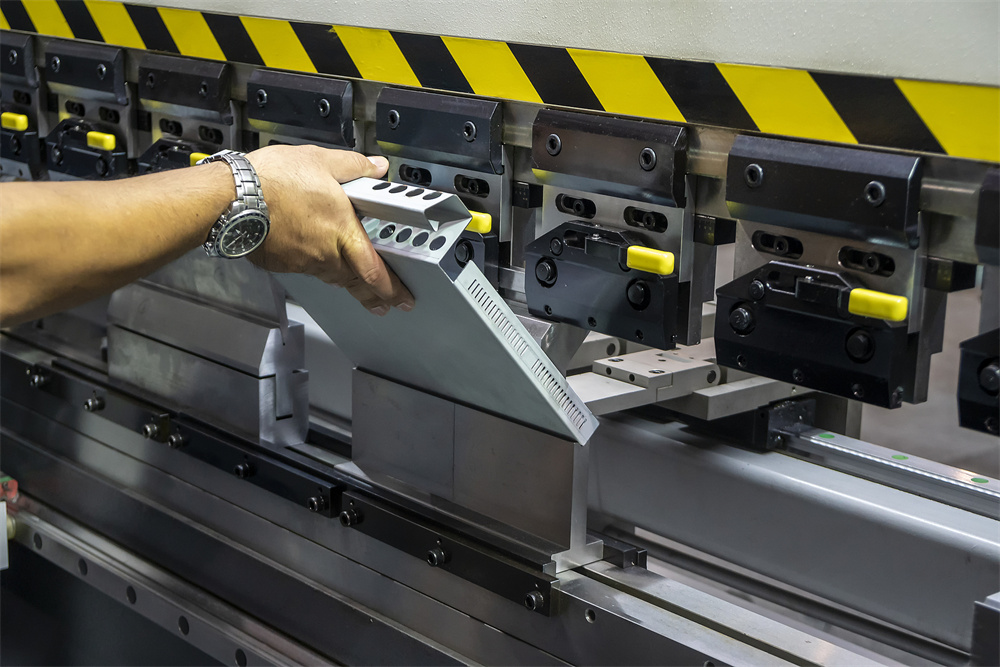
Key Considerations for Stainless Steel Fabrication
The primary challenge when bending stainless steel is its work-hardening property. As the material is deformed, its hardness increases, which can lead to cracking if the bend radius is too tight. Fabricators must carefully select the bend radius based on the material thickness and grade. A general rule of thumb is to maintain a minimum inside bend radius that is at least equal to the material thickness, though this can vary based on the specific alloy.
Spring-back is another critical factor. Because stainless steel has a higher yield strength than mild steel, it tends to return to its original shape after the bending force is released. To compensate for this, press brakes must be equipped with sophisticated CNC controllers that allow for over-bending. By programming the machine to bend slightly past the target angle, the material settles into the desired position once the pressure is removed.
Surface finish protection is paramount in stainless steel fabrication. Stainless steel is often used for its appearance, and scratches or marks from the tooling can be costly to repair. Using specialized protective films during the bending process and ensuring that the die and punch surfaces are polished and free of debris is essential. HARSLE machines are designed with precision-ground tooling interfaces to minimize surface marring.
Lubrication also plays a vital role in the bending process. While not always necessary for thinner gauges, using a high-quality lubricant can reduce friction between the sheet and the die, preventing galling and ensuring a smoother bend. This is particularly important when working with thicker plates or high-strength stainless grades where the pressure exerted on the tooling is significantly higher.
Technical Details of the Bending Process
The mechanics of how press brakes are used in stainless steel fabrication involve a combination of force, speed, and positioning. The hydraulic system of a press brake must be capable of delivering consistent tonnage throughout the entire stroke. HARSLE hydraulic press brakes utilize advanced proportional valve technology to ensure that the ram movement is smooth and accurate, which is crucial for maintaining the integrity of the stainless steel grain structure.
Tooling selection is the backbone of the bending process. The V-opening of the bottom die must be correctly matched to the material thickness. If the V-opening is too small, the material may be forced into the die, causing excessive stress and potential cracking. Conversely, if the V-opening is too large, the bend angle may be inconsistent. Fabricators should refer to standardized tonnage charts to ensure they are not exceeding the machine’s capacity while achieving the required bend.
The CNC control system is the brain of the operation. Modern press brakes allow for multi-axis control, including the backgauge, ram depth, and crowning compensation. Crowning is particularly important in stainless steel fabrication; as the machine bends the metal, the bed and ram may deflect slightly under the high tonnage required. A dynamic crowning system compensates for this deflection, ensuring that the bend angle remains uniform across the entire length of the workpiece.
Furthermore, the sequence of bends is critical for complex parts. When bending stainless steel, the order of operations can affect the final dimensions. Operators must plan the sequence to avoid collisions between the workpiece and the machine frame. Advanced simulation software is often used to visualize the bending process before the first piece of metal is even touched, saving time and material.
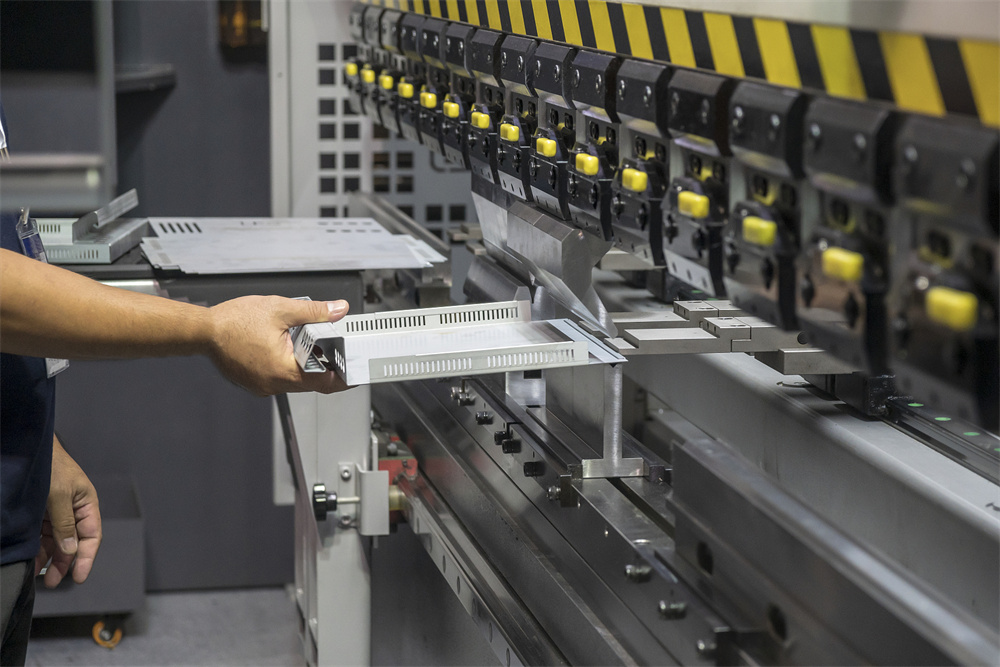
Selection Advice: Choosing the Right Press Brake
When investing in a press brake for stainless steel fabrication, capacity is the first consideration. You must calculate the maximum tonnage required for your thickest and longest stainless steel parts. Because stainless steel requires more force than mild steel, it is often wise to choose a machine with a slightly higher tonnage rating than your current needs suggest, providing a buffer for future projects and reducing wear on the machine.
The length of the bed is equally important. Ensure that the machine can accommodate the longest sheets you intend to process. Additionally, consider the daylight opening and stroke length. If you are producing deep-drawn parts or using tall tooling, you will need a machine with a generous daylight opening to allow for easy part removal and tool changes.
Look for advanced features such as automatic tool clamping and laser angle measurement systems. These features significantly reduce setup time and ensure that every part meets the required specifications. In high-mix, low-volume environments, the ability to switch between different jobs quickly is a major competitive advantage. HARSLE offers a range of customizable options to tailor the machine to your specific production requirements.
Finally, consider the support and service provided by the manufacturer. A press brake is a long-term investment. You need a partner who provides comprehensive training, readily available spare parts, and responsive technical support. HARSLE prides itself on its global service network, ensuring that your equipment remains operational and productive for years to come.
Frequently Asked Questions
- Why does stainless steel require more tonnage than mild steel? Stainless steel has a higher tensile strength, meaning it resists deformation more than mild steel, requiring more force to achieve the same bend.
- How can I prevent surface scratches on stainless steel? Use protective films, ensure tooling is clean and polished, and consider using urethane film or specialized inserts on the die.
- What is the best way to manage spring-back? Utilize a CNC press brake with an angle-measuring system or perform test bends to calibrate the over-bending angle.
- How often should I perform maintenance on my press brake? Regular maintenance, including checking hydraulic fluid levels, cleaning filters, and inspecting tooling, should be performed according to the manufacturer’s schedule, typically every 500-1000 operating hours.
- Can I use the same tooling for mild steel and stainless steel? While possible, it is recommended to keep separate tooling for stainless steel to prevent cross-contamination, which can lead to rust on the stainless surface.
Conclusion
Understanding how press brakes are used in stainless steel fabrication is a journey of continuous improvement. By respecting the material’s properties, investing in high-quality HARSLE machinery, and adhering to best practices in tooling and maintenance, fabricators can achieve exceptional results. Stainless steel is a demanding yet rewarding material, and with the right approach, your shop can produce components that meet the highest standards of quality and durability.
As technology continues to evolve, the integration of automation and AI-driven control systems will further refine the bending process. Staying informed about these advancements and choosing a reliable partner like HARSLE will ensure that your fabrication business remains at the cutting edge of the industry. Whether you are a small job shop or a large-scale manufacturer, the principles outlined in this guide provide a solid foundation for success in stainless steel fabrication.