Hydraulic Press Brake Price Guide: Typical Costs and Key Features


Understanding the Hydraulic Press Brake Price: Typical Costs Key Features
Investing in a hydraulic press brake is a significant capital expenditure for any metal fabrication facility. Understanding the Hydraulic Press Brake Price: Typical Costs Key Features is essential for making an informed decision that balances immediate budget constraints with long-term production requirements. Whether you are a small job shop or a large-scale manufacturing plant, the cost of these machines varies wildly based on tonnage, bending length, and automation levels.
At HARSLE, we recognize that the market for bending technology is complex. A entry-level manual press brake might cost a fraction of a fully automated CNC robotic cell. This guide aims to demystify the pricing structure, helping you navigate the technical specifications that drive value and performance in your workshop.
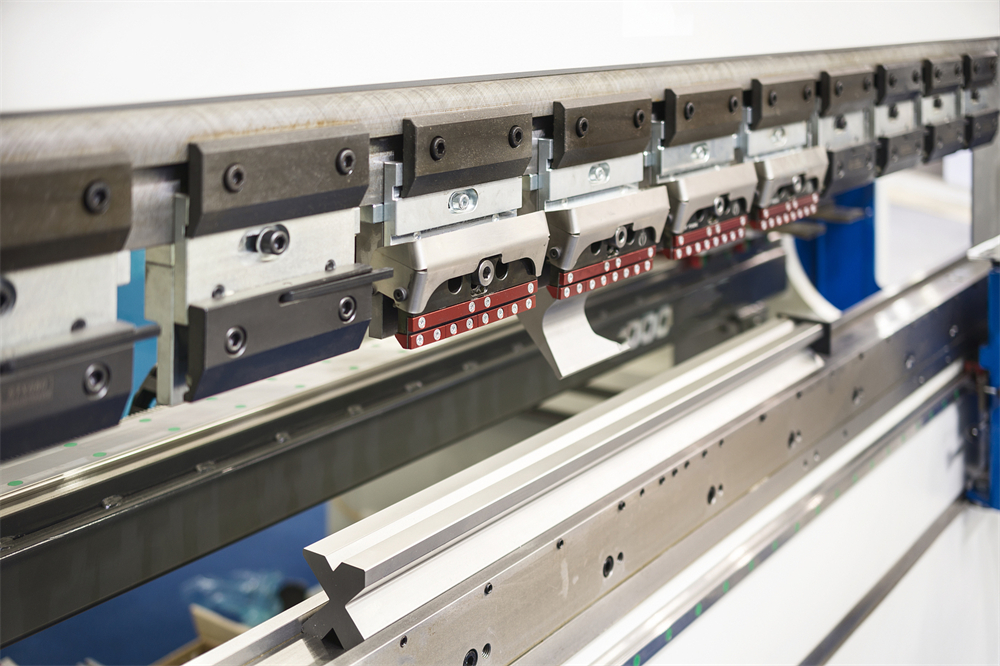
Price Range Overview: What to Expect
The price of a hydraulic press brake generally falls into three distinct tiers. Entry-level machines, often used for light-gauge work or prototype development, typically range from $15,000 to $40,000. These machines often feature basic NC controllers and manual backgauge adjustments, making them suitable for shops with lower production volumes or simpler bending requirements.
Mid-range machines, which represent the workhorses of the industry, usually cost between $45,000 and $120,000. These units are equipped with advanced CNC controllers, multi-axis backgauges, and high-precision hydraulic systems. They are designed for high-repeatability tasks and are the standard for most medium-sized fabrication businesses looking to balance speed and accuracy.
High-end, fully automated systems can exceed $200,000 and reach well into the millions for custom robotic cells. These systems include automatic tool changers, laser angle measurement, and sophisticated software integration. When evaluating the Hydraulic Press Brake Price: Typical Costs Key Features, it is vital to identify which tier aligns with your current throughput and future growth projections.
Main Cost Drivers in Press Brake Technology
The primary driver of cost is the machine’s tonnage capacity. Tonnage refers to the amount of force the machine can exert to bend metal. Higher tonnage requires heavier frames, more robust hydraulic cylinders, and more powerful motors, all of which increase the manufacturing cost. A 100-ton machine will naturally be more expensive than a 40-ton machine due to the sheer volume of steel required to maintain structural integrity under load.
Bending length is the second major cost factor. A machine capable of bending 10-foot sheets requires a longer bed and ram, which necessitates more precise machining to ensure consistent bending pressure across the entire length. As the bed length increases, the complexity of the crowning system—which compensates for bed deflection—also increases, adding to the total cost.
The control system is perhaps the most significant technological cost driver. A simple NC controller allows for basic depth control, while a high-end CNC controller offers 3D visualization, offline programming, and automatic calculation of bend sequences. The integration of software and the ability to communicate with other factory systems significantly impact the price point.
Configuration Impact on Total Investment
Configuration options allow fabricators to tailor a machine to specific applications, but each added feature increases the price. For instance, the number of backgauge axes is a critical configuration choice. A standard machine might come with two axes (X and R), but adding Z-axis fingers or additional backgauge stations increases the machine’s versatility and its price tag.
Hydraulic systems also vary in configuration. Energy-efficient servo-hydraulic systems, which only consume power when the ram is moving, are more expensive upfront than traditional constant-running hydraulic pumps. However, the long-term energy savings and reduced noise levels often justify the higher initial investment for high-volume shops.
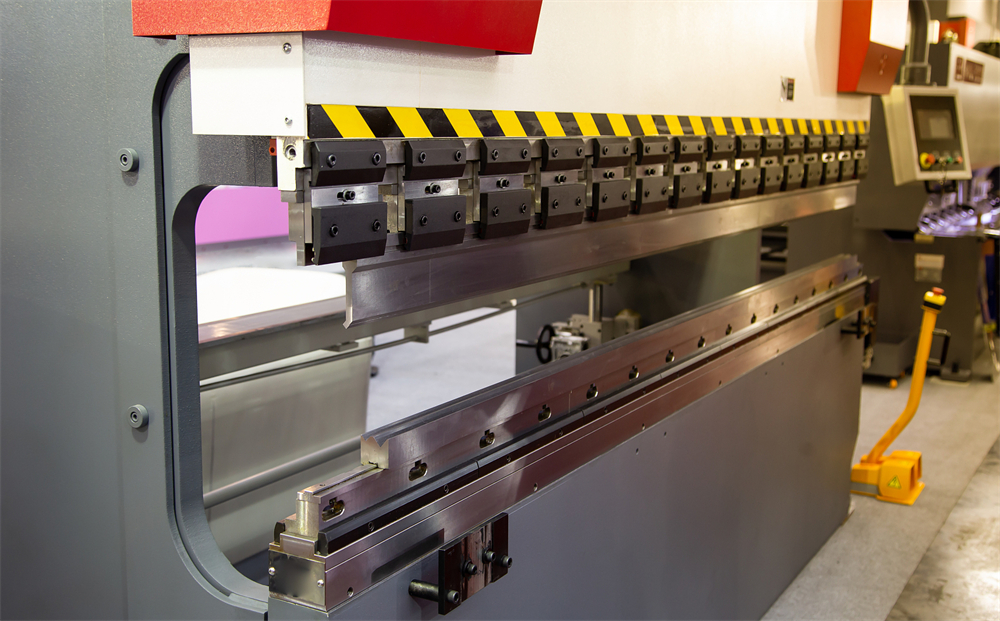
Tooling compatibility is another configuration factor. Machines designed to accept European-style or American-style tooling have different clamping systems. Hydraulic clamping systems, which allow for rapid tool changes, are a premium feature that significantly reduces downtime but adds to the initial capital cost. Choosing the right configuration requires a deep understanding of your typical part geometry and material thickness.
Hidden Costs: Beyond the Sticker Price
When calculating the Hydraulic Press Brake Price: Typical Costs Key Features, buyers often overlook the “hidden” costs of installation and commissioning. Shipping heavy machinery, especially international freight, can be substantial. Furthermore, professional installation by factory-trained technicians is highly recommended to ensure the machine is leveled correctly and calibrated for precision.
Electrical and foundation requirements are frequently underestimated. Depending on the machine’s power requirements, you may need to upgrade your facility’s electrical panels or transformers. Additionally, high-tonnage machines often require a reinforced concrete foundation to prevent vibration and ensure bending accuracy, which can be a significant site preparation expense.
Maintenance and training are ongoing costs that must be factored into the total cost of ownership. Regular hydraulic fluid changes, filter replacements, and software updates are necessary to keep the machine running at peak performance. Investing in operator training is also crucial; an untrained operator can cause significant damage to the machine or the tooling, leading to costly repairs and production delays.
ROI Calculation for Metal Fabrication
Calculating the Return on Investment (ROI) for a press brake involves looking at more than just the purchase price. You must consider the reduction in labor costs, the increase in production speed, and the improvement in part quality. A machine that reduces setup time by 50% through automatic tool changing can pay for itself in just a few years by allowing for more frequent, smaller batch runs.
Waste reduction is another key ROI metric. Modern CNC press brakes with angle measurement systems significantly reduce scrap rates by compensating for material spring-back and thickness variations. When you calculate the cost of wasted material and the labor hours spent on rework, the value of a higher-precision machine becomes clear.
Finally, consider the market competitiveness. A shop equipped with the latest bending technology can take on more complex projects, offer faster turnaround times, and maintain tighter tolerances than competitors using outdated equipment. This ability to capture higher-margin work is often the most significant, yet hardest to quantify, benefit of upgrading your press brake technology.
Buying Advice: Selecting the Right Machine
Before purchasing, conduct a thorough audit of your current and projected part requirements. Do not overbuy on tonnage if your typical work involves thin-gauge sheet metal, but ensure you have enough capacity for the occasional heavy-duty job. Consult with HARSLE experts to discuss your specific material types, as stainless steel and high-tensile alloys require different bending forces than mild steel.
Always prioritize the quality of the controller and the support network. A machine is only as good as the support behind it. Ensure that the manufacturer or distributor offers local service, readily available spare parts, and comprehensive training programs. The Hydraulic Press Brake Price: Typical Costs Key Features should always include the value of reliable after-sales support.
Finally, consider the resale value. High-quality, well-maintained hydraulic press brakes hold their value remarkably well. Investing in a reputable brand with a strong track record ensures that if you decide to upgrade in the future, you will be able to recoup a significant portion of your initial investment. Always ask for references and, if possible, visit a shop currently using the model you are considering.
FAQ: Frequently Asked Questions
- What is the most important factor in press brake pricing? Tonnage and bending length are the primary drivers, followed closely by the sophistication of the CNC controller and the level of automation.
- How often should I perform maintenance? Routine maintenance should be performed according to the manufacturer’s schedule, typically every 500 to 1,000 operating hours, to ensure hydraulic integrity and mechanical precision.
- Is it worth buying a used press brake? Used machines can be cost-effective, but you must carefully inspect the hydraulic system, the ram alignment, and the controller software to avoid hidden repair costs.
- What is the difference between NC and CNC? NC (Numerical Control) allows for basic programming of bend depth, while CNC (Computer Numerical Control) allows for complex, multi-axis programming and integration with CAD/CAM software.
- How does material thickness affect my choice? Thicker materials require higher tonnage and often necessitate specialized tooling and crowning systems to ensure a consistent bend across the entire length of the part.