Press Brake Case Study for Job Shops: Cutting Rework and Improving Edge Quality


Introduction: The Challenge of Precision in Modern Job Shops
In the competitive landscape of modern metal fabrication, job shops face a relentless pressure to balance high-volume throughput with uncompromising precision. For many, the primary bottleneck is not the cutting or welding phase, but the bending process. When parts arrive at the assembly stage with inconsistent bend angles or marred edges, the cost of rework can quickly erode profit margins. This article explores a comprehensive Press Brake Case Study for Job Shops: Cutting Rework and Improving Edge Quality, focusing on how HARSLE technology transforms these operational hurdles into competitive advantages.
The modern job shop environment is defined by high-mix, low-volume production. Unlike dedicated production lines, job shops must pivot between materials, thicknesses, and complex geometries daily. This variability often leads to human error, inconsistent spring-back compensation, and tool wear, all of which contribute to poor edge quality and the need for expensive rework. By integrating advanced CNC press brake systems, shops can standardize their processes and achieve repeatable results that meet the most stringent industry standards.
HARSLE has worked with numerous job shops to identify the root causes of production inefficiencies. Through this Press Brake Case Study Job Shops: Cutting Rework Improving Edge Quality, we have observed that the transition from manual or legacy hydraulic systems to modern, sensor-driven press brakes is the single most effective strategy for reducing scrap rates. This guide serves as a roadmap for shop owners and production managers looking to optimize their bending departments.
Understanding the relationship between material properties, tooling selection, and machine control is essential. When a press brake is properly calibrated and equipped with advanced crowning systems, the result is not just a bent piece of metal, but a high-quality component that requires zero secondary finishing. This article will delve into the technical nuances that allow fabricators to achieve this level of excellence consistently.
Key Considerations for Reducing Rework in Bending
The first step in any Press Brake Case Study for Job Shops: Cutting Rework and Improving Edge Quality is analyzing the material behavior. Every metal alloy possesses unique spring-back characteristics. If a press brake operator does not account for these variables, the bend angle will deviate, leading to parts that do not fit into subsequent jigs or assemblies. Advanced CNC controllers now feature material libraries that automatically adjust the ram depth based on tensile strength and thickness, significantly reducing the trial-and-error phase.
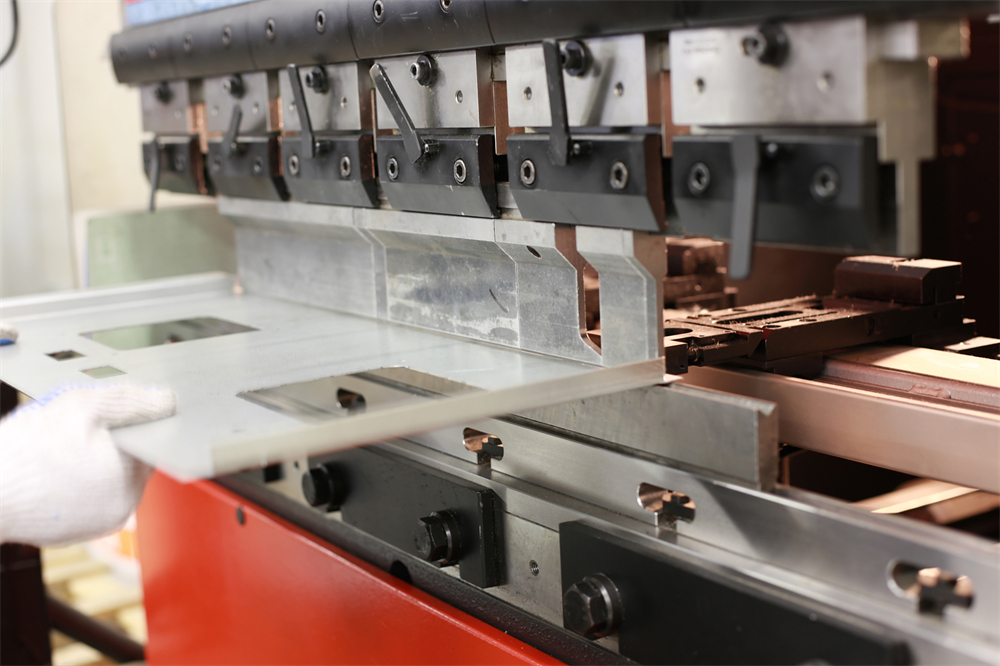
Tooling selection is another critical factor. Using worn or mismatched dies is a leading cause of edge marking and inconsistent bend radii. In our case studies, we found that shops switching to high-quality, hardened tooling saw an immediate improvement in edge finish. Furthermore, the use of protective films or specialized urethane inserts can prevent the marring of sensitive materials like stainless steel or pre-painted aluminum, which is vital for high-end architectural or medical applications.
Operator training and standardized operating procedures (SOPs) play a pivotal role. Even the most sophisticated machine cannot compensate for poor setup practices. By implementing a digital workflow where the machine receives instructions directly from CAD/CAM software, the reliance on operator intuition is minimized. This digital integration ensures that the bend sequence is optimized for both efficiency and structural integrity, preventing unnecessary stress on the material.
Finally, the environment of the shop floor must be considered. Temperature fluctuations can affect the viscosity of hydraulic oil, which in turn impacts the precision of the ram movement. HARSLE machines are designed with thermal compensation features that maintain accuracy regardless of ambient shop conditions. By controlling these environmental variables, job shops can ensure that the first part is just as accurate as the hundredth part, effectively eliminating the need for rework.
Technical Details: How HARSLE Technology Enhances Quality
HARSLE press brakes utilize advanced electro-hydraulic synchronization to ensure that the ram remains perfectly parallel to the bed throughout the entire bending cycle. This is achieved through high-speed proportional valves and linear encoders that provide real-time feedback to the CNC controller. In a typical Press Brake Case Study Job Shops: Cutting Rework Improving Edge Quality, this level of synchronization is the primary reason for the drastic reduction in angular deviation across the length of the bend.
Another technical breakthrough is the active crowning system. Traditional mechanical crowning can be cumbersome to adjust, often leading to operators settling for ‘good enough’ settings. HARSLE’s CNC-controlled crowning system automatically adjusts the bed geometry based on the bending force and material length. This ensures that the pressure is distributed evenly, preventing the ‘canoe’ effect where the center of the bend is less accurate than the ends.
The integration of laser angle measurement systems allows for real-time, in-process correction. As the machine bends the material, the laser sensors measure the actual angle and communicate with the controller to make micro-adjustments before the stroke is completed. This technology is a game-changer for job shops dealing with varying material batches, as it eliminates the need for manual inspection and re-bending.
Furthermore, the backgauge system is designed for high-speed, multi-axis positioning. By utilizing servo-driven backgauges, HARSLE machines can position the workpiece with micron-level accuracy. This ensures that the bend line is perfectly aligned every time, which is critical for complex parts with multiple bends. When the backgauge is precise, the operator does not need to fight the material, resulting in faster cycle times and reduced physical fatigue.

Selection Advice: Choosing the Right Press Brake for Your Shop
When selecting a press brake for a job shop, the most common mistake is focusing solely on tonnage. While tonnage is important, the ‘intelligence’ of the machine is what truly drives productivity. A shop should prioritize machines with open-architecture controllers that can easily import files from common CAD/CAM packages. This reduces programming time and ensures that the bending sequence is optimized for the specific material and tooling available.
Consider the versatility of the tooling clamping system. Quick-change clamping systems allow operators to switch between different die sets in minutes rather than hours. In a job shop, where batch sizes are small, the ability to perform rapid changeovers is essential for maintaining profitability. HARSLE offers various clamping options, including hydraulic and pneumatic systems, which provide consistent clamping force and reduce the risk of operator error.
Energy efficiency is another factor that impacts long-term operational costs. Hybrid press brakes, which combine hydraulic power with servo-electric motors, offer significant energy savings by only consuming power when the ram is in motion. These machines are also quieter and require less hydraulic oil, which reduces maintenance requirements and environmental impact. For shops looking to modernize, a hybrid system is often the best investment for both performance and sustainability.
Finally, look for a manufacturer that provides robust technical support and training. A press brake is a long-term asset, and the ability to access spare parts and expert advice is crucial for minimizing downtime. HARSLE prides itself on a global support network that ensures our clients can keep their machines running at peak performance. When evaluating a supplier, ask about their response times, the availability of remote diagnostics, and the quality of their training programs for your staff.
FAQ: Common Questions Regarding Press Brake Efficiency
How does a CNC press brake reduce rework compared to a manual machine?
A CNC press brake automates the calculation of bend allowances and spring-back compensation. By using sensors and pre-programmed material data, it ensures that the machine settings are correct before the first bend is made, whereas manual machines rely on operator trial-and-error.
What is the role of crowning in improving edge quality?
Crowning compensates for the deflection of the press brake bed and ram under load. By ensuring the pressure is uniform across the entire length of the die, crowning prevents uneven bending, which is the primary cause of poor edge quality and inconsistent angles.
Can HARSLE press brakes handle different material thicknesses in one sequence?
Yes, modern HARSLE CNC controllers allow for multi-step programming where the machine automatically adjusts the pressure, backgauge position, and ram depth for each step, even if the material thickness or bend angle changes between operations.
How often should I perform maintenance on my press brake?
Routine maintenance should be performed according to the manufacturer’s schedule, typically every 500 to 1,000 operating hours. This includes checking hydraulic fluid levels, cleaning the backgauge rails, and inspecting the tooling for signs of wear or damage.
What is the benefit of a laser angle measurement system?
A laser measurement system provides real-time feedback during the bending process. It allows the machine to adjust its stroke dynamically, ensuring that the final bend angle is perfect, even if the material’s thickness or hardness varies slightly from the specifications.
Conclusion: Investing in Quality for Long-Term Success
The journey toward zero-rework production is not achieved overnight, but through the strategic application of technology and process discipline. As demonstrated in this Press Brake Case Study for Job Shops: Cutting Rework and Improving Edge Quality, the transition to high-precision, CNC-controlled equipment is the most effective way to elevate the standards of a metal fabrication shop. By focusing on material consistency, advanced tooling, and the intelligent use of HARSLE’s automated features, job shops can significantly reduce their scrap rates and improve their bottom line.
Investing in a HARSLE press brake is more than just purchasing a piece of metal fabrication equipment; it is a commitment to quality and efficiency. Our machines are designed to meet the evolving needs of the industry, providing the flexibility required for high-mix production and the precision required for high-end applications. We encourage shop owners to evaluate their current bending processes and consider how modern technology can help them overcome the challenges of rework and inconsistent edge quality.
As the industry continues to advance, the gap between shops that embrace automation and those that rely on legacy methods will only widen. By staying informed about the latest developments in press brake technology and prioritizing the training of your workforce, you can ensure that your shop remains a leader in the competitive metal fabrication market. Contact HARSLE today to learn more about our range of press brakes and how we can help you optimize your production workflow for maximum success.