
Press Brake Applications In Modern Metal Fabrication: A Complete Guide


Introduction
In the rapidly evolving landscape of industrial manufacturing, the press brake stands as a cornerstone of precision metal forming. As a fundamental piece of metal fabrication equipment, the press brake allows manufacturers to transform flat sheet metal into complex, three-dimensional components with unparalleled accuracy. Whether you are operating in the automotive, aerospace, or construction sectors, understanding the full scope of press brake applications is essential for optimizing production efficiency and maintaining competitive quality standards.
The evolution of bending technology has shifted from manual, labor-intensive processes to highly automated CNC-controlled systems. Modern press brakes, such as those engineered by HARSLE, integrate advanced software, hydraulic synchronization, and multi-axis backgauges to handle intricate geometries that were once considered impossible. This guide serves as a comprehensive resource for professionals looking to master the application, selection, and maintenance of these critical machines.
By leveraging the capabilities of a modern press brake, fabricators can significantly reduce material waste, shorten lead times, and improve the structural integrity of their finished products. As we delve into the technical nuances of these machines, we will explore how they function, the industries they serve, and the strategic considerations required to select the right equipment for your specific fabrication needs.
Understanding the synergy between tooling, material properties, and machine force is the first step toward achieving excellence in metal forming. This article provides a deep dive into the technical details that define modern fabrication, ensuring that your facility remains at the forefront of industrial innovation.
Key Considerations for Modern Metal Fabrication
When integrating a press brake into your production line, the primary consideration must be the material properties of the workpieces. Different metals, such as stainless steel, aluminum, and high-strength carbon steel, exhibit varying degrees of springback and tensile strength. A machine that is perfectly calibrated for mild steel may require different tonnage and tooling configurations when processing high-tensile alloys. Failure to account for these material characteristics often leads to inconsistent bend angles and premature tool wear.
Another critical factor is the complexity of the part design. Modern fabrication often requires multi-stage bending, where a single sheet of metal undergoes several sequential operations to reach its final form. The availability of multi-axis backgauges is vital here, as they allow for precise positioning of the workpiece across complex planes. Fabricators must evaluate whether their projects require simple 90-degree bends or intricate, multi-radius profiles that demand advanced CNC programming capabilities.
Production volume and throughput requirements also dictate the type of press brake needed. For high-volume, repetitive tasks, automated robotic loading and unloading systems can drastically increase output while reducing human error. Conversely, for custom, low-volume fabrication, a flexible, easy-to-program machine with quick-change tooling systems is more advantageous. Balancing the initial capital investment against long-term operational savings is a hallmark of strategic equipment procurement.
Finally, safety and operator ergonomics cannot be overlooked. Modern press brakes are equipped with sophisticated light curtains, laser safety systems, and ergonomic controls that protect the operator while maintaining high cycle speeds. Investing in a machine that prioritizes safety not only complies with industrial regulations but also fosters a more productive and confident workforce, ultimately leading to higher quality output.
Technical Details of Press Brake Systems
At the heart of every press brake is the hydraulic or electric drive system that generates the force required for bending. Hydraulic press brakes remain the industry standard for heavy-duty applications, offering immense tonnage capacity and reliability. These systems utilize synchronized cylinders to ensure that the ram descends with perfect parallelism, which is crucial for achieving consistent bend angles across the entire length of the workpiece.
The CNC controller acts as the brain of the machine, managing the ram depth, backgauge position, and pressure settings. Modern controllers allow for offline programming, where engineers can simulate the bending process in a virtual environment before a single piece of metal is touched. This capability minimizes setup time and prevents costly mistakes during the production run. Furthermore, the integration of real-time angle measurement systems allows the machine to automatically compensate for material thickness variations, ensuring precision even with inconsistent raw material batches.
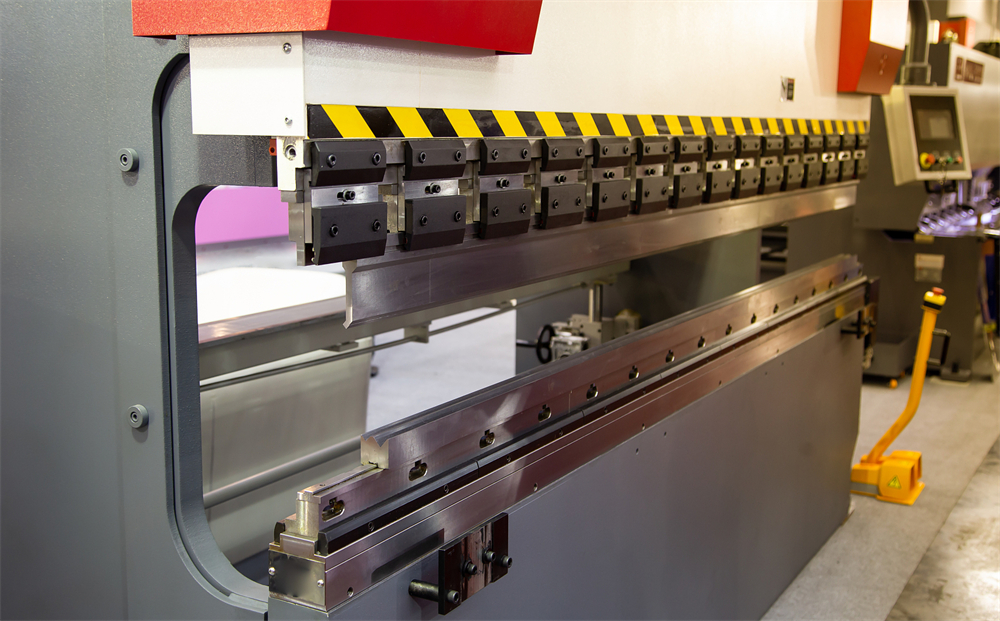
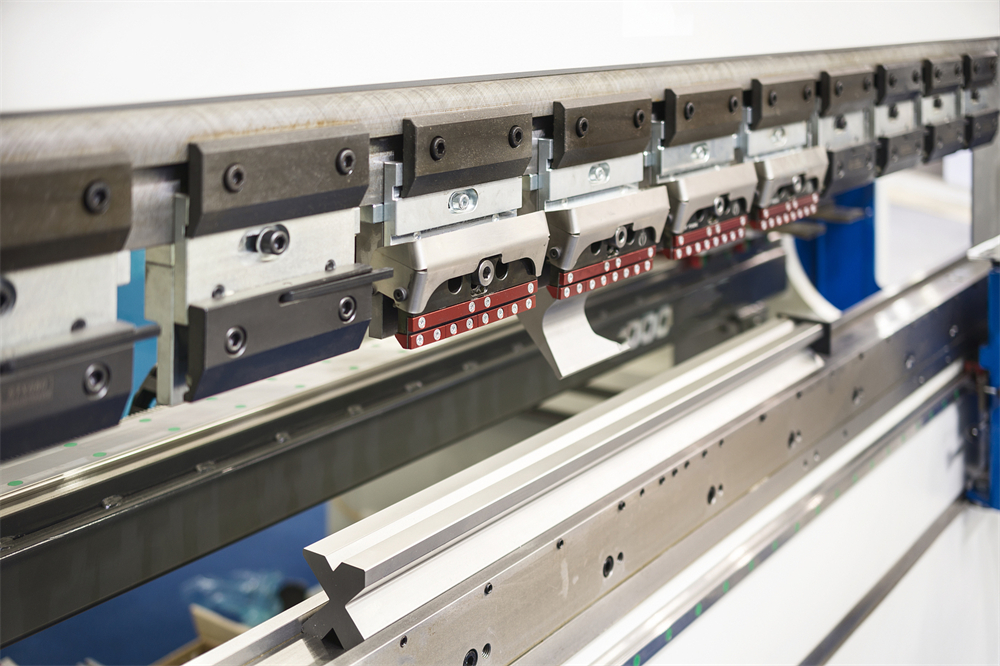
Tooling geometry is another technical pillar of press brake operation. The punch and die set must be selected based on the desired bend radius, material thickness, and the V-opening of the die. Using the correct tooling reduces the required bending force and prevents surface marking on the workpiece. High-quality, hardened tooling is essential for maintaining precision over thousands of cycles, and quick-change clamping systems allow operators to switch between different tool profiles in minutes rather than hours.
The backgauge system is perhaps the most critical component for dimensional accuracy. Modern backgauges feature multiple axes (X, R, Z1, Z2), allowing the operator to position the sheet metal in three dimensions. This is particularly important for parts with non-parallel bends or tapered edges. By automating the backgauge movement, the press brake ensures that every bend is located exactly where the blueprint specifies, eliminating the need for manual marking and reducing the risk of human error.
Selection Advice for Fabricators
Selecting the right press brake is a significant investment that requires a thorough analysis of your current and future production needs. Start by calculating the maximum tonnage required for your thickest material and longest bend length. It is always advisable to select a machine with a slightly higher tonnage capacity than your current maximum requirement to avoid running the machine at its limit, which can lead to accelerated wear and reduced accuracy.
Consider the bending length of the machine. While it might be tempting to purchase the largest bed available, a machine that is too long for your typical parts will be less efficient and more expensive to operate. Assess your average part size and select a bed length that accommodates your largest standard component while allowing for efficient workflow. If you occasionally handle oversized parts, look for machines with side frames that allow for the passage of longer sheets.
- Evaluate the Controller: Ensure the CNC interface is intuitive and supports the file formats used by your design team (e.g., DXF, STEP).
- Check Serviceability: Choose a manufacturer like HARSLE that offers robust technical support, readily available spare parts, and comprehensive training programs.
- Assess Energy Efficiency: Modern servo-hydraulic systems consume significantly less power than traditional hydraulic pumps, offering long-term cost savings.
- Review Safety Features: Never compromise on safety; ensure the machine meets all local and international safety standards for industrial machinery.
Finally, look for a machine that offers modularity. As your business grows, your needs may change. A press brake that supports the addition of extra backgauge axes, robotic interfaces, or advanced software modules will provide a better return on investment over the machine’s lifespan. Partnering with a reputable supplier ensures that you are not just buying a machine, but a long-term solution for your fabrication challenges.
FAQ: Common Questions About Press Brakes
Q: What is the difference between air bending and bottom bending?
A: Air bending involves pressing the metal into a V-die without the punch touching the bottom of the die, allowing for flexibility in bend angles. Bottom bending forces the metal to the bottom of the die, resulting in higher precision and less springback, but it requires more tonnage.
Q: How often should I perform maintenance on my press brake?
A: Routine maintenance should be performed daily (cleaning and visual inspection), with more comprehensive checks (hydraulic fluid analysis, filter changes, and calibration) conducted quarterly or semi-annually, depending on usage intensity.
Q: Can a press brake handle different types of materials?
A: Yes, but you must adjust the tonnage and tooling accordingly. Harder materials like stainless steel require more force and specific tooling geometries compared to softer materials like aluminum or mild steel.
Q: Why is my press brake producing inconsistent bend angles?
A: This is often caused by material thickness variations, worn tooling, or a lack of synchronization between the hydraulic cylinders. Check your calibration and ensure your tooling is in good condition.
Conclusion
Mastering press brake applications in modern metal fabrication is a journey of continuous improvement and technical precision. By understanding the capabilities of your equipment, selecting the right tools for the job, and adhering to a strict maintenance schedule, you can ensure that your fabrication facility remains efficient, profitable, and capable of meeting the most demanding customer requirements. HARSLE remains committed to providing the industry with the high-performance machinery and expertise needed to excel in this competitive field. Whether you are a small job shop or a large-scale manufacturer, the right press brake is the foundation upon which your success is built.












