
Why A Servo Press Brake Helped Cut Cycle Time In A Custom Sheet Metal Plant


Introduction: The Evolution of Bending Efficiency
In the competitive landscape of custom sheet metal fabrication, the difference between a profitable shop and one struggling with overhead often comes down to cycle time. For years, hydraulic systems dominated the factory floor, providing the raw force necessary for heavy-duty bending. However, as demand for precision and faster turnaround times has grown, manufacturers have looked toward more agile solutions. This is exactly why a servo press brake helped cut cycle time in a custom sheet metal plant, marking a significant shift in how modern facilities approach production.
The transition from traditional hydraulic machines to servo-electric technology is not merely an upgrade in hardware; it is a fundamental change in operational philosophy. Servo press brakes utilize high-precision motors to drive the ram, offering instantaneous response times and superior control over the bending process. By eliminating the lag associated with hydraulic fluid movement and valve response, shops can achieve a level of throughput that was previously unattainable.
For custom fabrication plants, where batch sizes are often small and changeovers are frequent, the ability to minimize downtime is critical. Servo technology allows for faster approach, bending, and return speeds, which directly impacts the bottom line. In this article, we explore the technical advantages of servo systems and why they have become the gold standard for shops looking to optimize their workflow.
As we delve into the mechanics of these machines, it becomes clear that the efficiency gains are not just theoretical. They are measurable, repeatable, and essential for any business aiming to scale in the current industrial climate. Whether you are dealing with complex geometries or high-volume production, understanding the impact of servo-driven systems is the first step toward modernization.
Key Considerations for Modernizing Your Fabrication Line
When evaluating the need for a new press brake, the primary consideration is often the bottleneck in your current production line. If your operators are spending more time waiting for the ram to cycle than actually positioning parts, your hydraulic system may be holding you back. A servo press brake helps cut cycle time in a custom sheet metal plant by providing consistent, high-speed performance that does not fluctuate with oil temperature or pressure changes.
Energy efficiency is another major factor. Traditional hydraulic press brakes require the pump motor to run continuously, consuming electricity even when the machine is idle. In contrast, servo press brakes only consume power during the actual bending stroke. This reduction in energy consumption not only lowers operational costs but also aligns with modern sustainability goals, which are increasingly important for custom fabrication shops seeking to reduce their carbon footprint.
Maintenance requirements also play a vital role in the decision-making process. Hydraulic systems are prone to leaks, require regular oil changes, and involve complex valve maintenance. Servo systems, being largely mechanical and electrical, eliminate the need for hydraulic fluid management. This leads to a cleaner work environment and significantly reduces the time spent on routine maintenance, allowing your team to focus on production rather than machine upkeep.
Finally, consider the precision requirements of your client base. Servo press brakes offer unparalleled repeatability, often within microns. This level of accuracy reduces scrap rates and the need for secondary operations, which is a hidden way to cut cycle time. When a part is bent correctly the first time, every time, the entire production flow becomes more streamlined and predictable.
Technical Details: How Servo Technology Outperforms Hydraulics
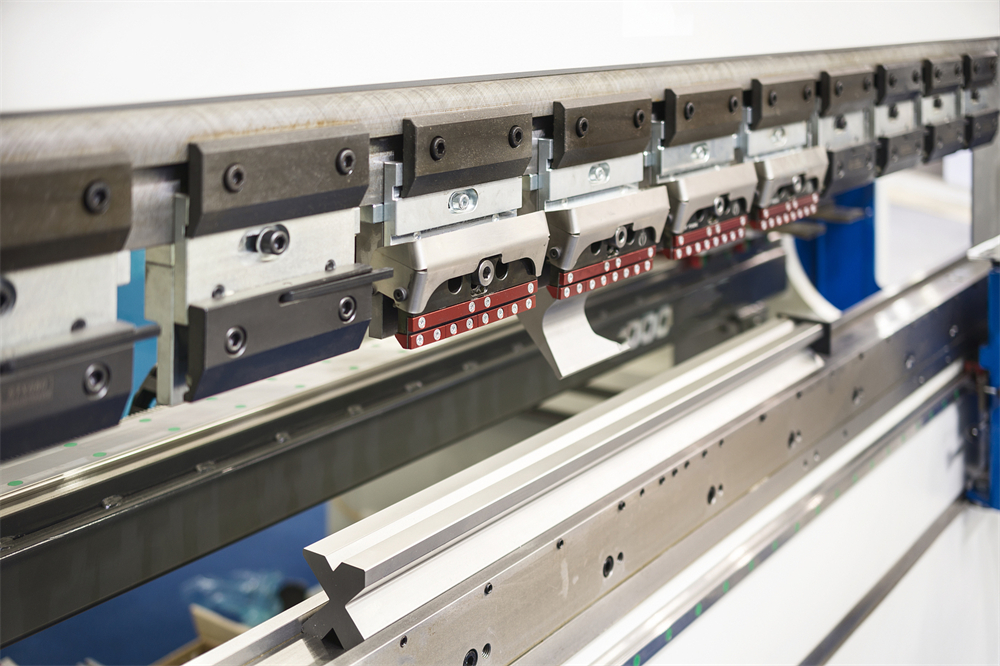
The core difference between a hydraulic and a servo press brake lies in the power transmission. A hydraulic system relies on a pump, valves, and cylinders to move the ram. This system is inherently limited by the speed of fluid flow and the mechanical response time of the valves. Conversely, a servo press brake uses high-torque servo motors connected to ball screws or belt drives, allowing for direct, instantaneous control over the ram’s position.
This direct control enables “dynamic bending,” where the machine can adjust its speed and force profile in real-time. For instance, the machine can approach the workpiece at high speed, slow down precisely for the bend, and then retract rapidly. This cycle is optimized for every single bend, ensuring that no time is wasted during the non-productive phases of the cycle.
Furthermore, servo press brakes are immune to the thermal drift that plagues hydraulic machines. In a hydraulic system, as the oil heats up throughout the day, the viscosity changes, which can lead to slight variations in bending angles. Servo systems maintain consistent performance regardless of how long the machine has been running, ensuring that the first part of the morning is identical to the last part of the afternoon.
The integration of advanced CNC controllers with servo drives also allows for sophisticated multi-axis control. Modern HARSLE servo press brakes can synchronize multiple axes with extreme precision, enabling the production of complex, multi-bend parts in a single handling. This reduction in part handling is a major contributor to why a servo press brake helped cut cycle time in a custom sheet metal plant.
Selection Advice: Choosing the Right Servo Press Brake
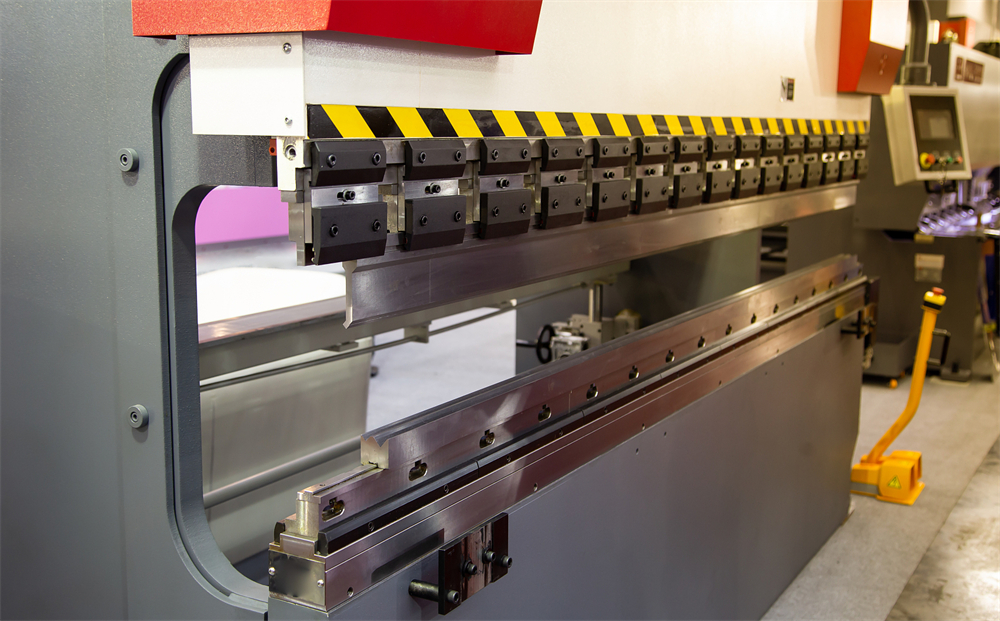
Selecting the right machine requires a thorough analysis of your typical part profile. If your shop handles a wide variety of materials and thicknesses, you need a machine with a flexible control system that can store and recall bending programs instantly. Look for machines that offer intuitive HMI (Human-Machine Interface) software, which allows operators to program complex bends in minutes rather than hours.
Consider the tonnage requirements carefully. While servo press brakes are incredibly efficient, they are generally best suited for light to medium-gauge materials. If your shop primarily works with very thick plate, you may still require a hybrid or heavy-duty hydraulic system. However, for the vast majority of custom sheet metal work, a servo press brake provides the perfect balance of speed, accuracy, and force.
Evaluate the backgauge system. The speed and accuracy of the backgauge are just as important as the ram speed. A high-speed, multi-axis backgauge allows for rapid positioning of the workpiece, which is essential for reducing cycle time. Ensure the machine you choose has a robust backgauge system that can handle the complexity of your parts without requiring manual adjustments.
Finally, look for a manufacturer that provides comprehensive support and training. A servo press brake is a sophisticated piece of equipment, and your team needs to be fully trained to leverage its capabilities. HARSLE offers extensive documentation and technical support to ensure that your transition to servo technology is seamless and that you see an immediate return on your investment.
FAQ: Common Questions About Servo Press Brakes
- Q: Is a servo press brake really faster than a hydraulic one?
A: Yes. Because servo motors provide instantaneous response and eliminate the lag of hydraulic valves, the ram can move faster and more precisely, significantly reducing cycle time. - Q: Are servo press brakes more expensive to maintain?
A: Generally, no. While the initial investment may be higher, the lack of hydraulic oil, filters, and valve maintenance leads to lower long-term operating costs. - Q: Can a servo press brake handle heavy-duty bending?
A: Servo press brakes are optimized for precision and speed in light to medium-gauge materials. For extremely heavy plate, hydraulic systems are often still preferred, though servo technology is rapidly advancing in this area. - Q: How does a servo press brake help with energy costs?
A: Servo systems only draw power when the motor is actively moving the ram. Hydraulic systems often run the pump motor continuously, wasting energy during idle periods. - Q: Is it difficult to train operators on a servo press brake?
A: Most modern servo press brakes feature user-friendly CNC interfaces that simplify programming. With proper training, operators can quickly adapt to the new system.
Conclusion: Investing in the Future of Fabrication
The evidence is clear: the transition to servo-electric technology is a game-changer for custom sheet metal plants. By understanding why a servo press brake helped cut cycle time in a custom sheet metal plant, business owners can make informed decisions that drive efficiency, reduce costs, and improve product quality. The combination of speed, precision, and energy efficiency makes these machines an essential asset for any shop looking to remain competitive in a fast-paced market.
As you evaluate your current production capabilities, consider the long-term benefits of upgrading your equipment. The initial investment in a servo press brake is quickly offset by the gains in throughput and the reduction in scrap and maintenance costs. At HARSLE, we are committed to providing the advanced machinery necessary to help your business thrive. Whether you are looking to increase your output or improve the consistency of your parts, our range of servo press brakes is designed to meet the demands of modern fabrication.
Ultimately, the goal of any fabrication plant is to deliver high-quality parts to customers as quickly and efficiently as possible. By embracing servo technology, you are not just buying a machine; you are investing in a more productive and profitable future. Take the step today to modernize your facility and experience the difference that precision engineering can make in your daily operations.












