
Daily Punching Machine Maintenance Tasks Every Operator Should Follow: A Comprehensive Guide


The Critical Importance of Daily Punching Machine Maintenance
In the high-stakes environment of metal fabrication, the punching machine serves as the backbone of production efficiency. Whether you are operating a high-speed CNC turret punch or a standard hydraulic punching press, the reliability of your equipment directly correlates to your bottom line. Neglecting routine care leads to premature wear, costly downtime, and potential safety hazards that can jeopardize your entire facility. Implementing a rigorous protocol for daily punching machine maintenance tasks every operator should follow is not merely a suggestion; it is a fundamental requirement for operational excellence.
When machines are left unmaintained, the accumulation of metal dust, debris, and friction-induced heat begins to degrade internal components. Over time, this results in misalignment, inaccurate hole punching, and excessive noise. By dedicating just a few minutes at the start and end of every shift to systematic checks, operators can identify minor issues before they escalate into catastrophic failures. This proactive approach extends the lifespan of expensive tooling and ensures that the machine operates within its designed tolerances, maintaining the quality of your finished products.
Furthermore, a well-maintained machine is a safer machine. Punching equipment involves immense force and high-speed moving parts; any mechanical instability can lead to unpredictable behavior. Regular inspections allow operators to spot loose bolts, frayed wiring, or leaking seals, preventing accidents before they occur. HARSLE emphasizes that the culture of maintenance starts with the operator—the person who knows the machine’s rhythm and sound best. When operators take ownership of their equipment, the entire production line benefits from increased uptime and consistent output.
Finally, consider the financial implications. The cost of a replacement hydraulic pump or a custom-machined guide rail far outweighs the cost of daily cleaning supplies and lubricants. By adhering to a strict maintenance schedule, you protect your capital investment. This guide outlines the essential daily tasks that every operator should integrate into their workflow to ensure their punching machine remains in peak condition for years to come.
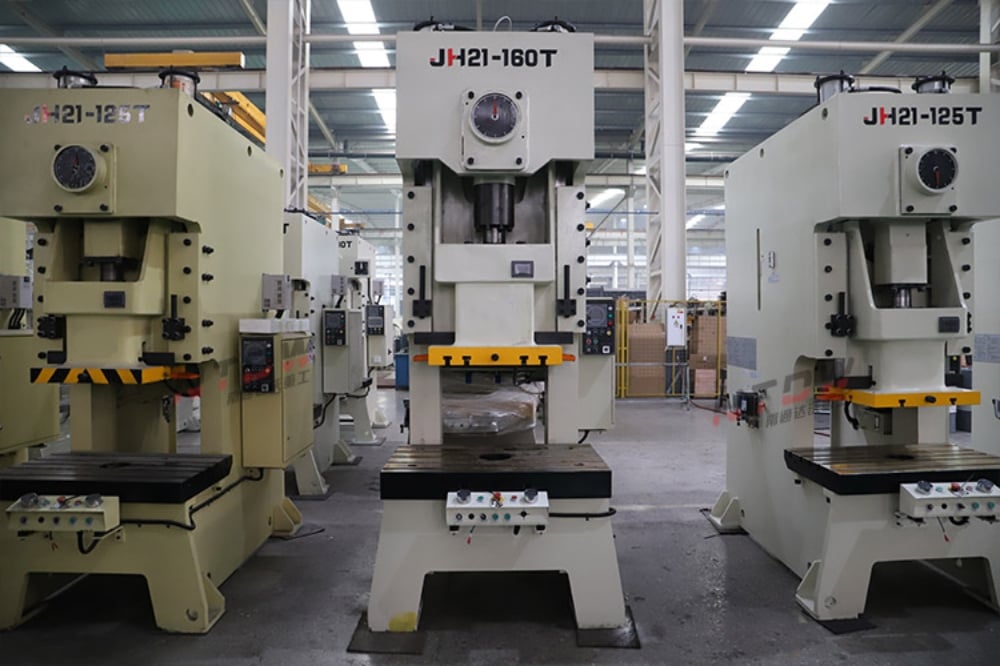
Daily Inspection Protocols: The First Line of Defense
The daily inspection process should begin before the machine is even powered on. A visual walk-around is the most effective way to detect external damage or environmental changes that could affect performance. Start by checking the area surrounding the machine; ensure that there is no accumulation of scrap metal, oil spills, or obstructions that could interfere with the operator’s movement or the machine’s safety sensors. A clean workspace is the foundation of a clean machine.
Next, inspect the tooling and the die set. Check for signs of chipping, dulling, or excessive wear on the punch and die surfaces. Even a minor chip can cause burrs on your finished parts and increase the force required for the punching operation, putting unnecessary strain on the machine’s frame. If you notice any irregularities, report them immediately to your supervisor. Using damaged tooling is one of the fastest ways to shorten the life of your punching machine’s ram and guide systems.
Check the safety guards and emergency stop buttons. These are the most critical components for operator safety. Ensure that all light curtains are clean and unobstructed, and verify that the emergency stop button is functional. If the machine has a physical barrier guard, ensure it is securely mounted and that the interlock switches are engaging properly. Never bypass a safety feature for the sake of speed; the risks far outweigh any temporary gain in production time.
Finally, listen to the machine as it starts up. A healthy punching machine should have a consistent, rhythmic sound. Any unusual grinding, squealing, or knocking noises during the initial warm-up cycle are immediate red flags. By performing these checks daily, you create a baseline of “normal” operation, making it much easier to detect when something is starting to go wrong.
Hydraulic, Electrical, and Mechanical System Checks
The heart of most modern punching machines is the hydraulic system. Daily checks should focus on fluid levels and the condition of the hydraulic oil. Low oil levels can cause the pump to cavitate, leading to internal damage and inconsistent pressure. Check the sight glass or dipstick to ensure the oil is at the recommended level. Additionally, look for any signs of leaks around hoses, fittings, and cylinders. Even a small drip can indicate a failing seal that could lead to a major pressure loss during a critical production run.
Electrical systems require a different approach. While you should never open the main control cabinet unless you are a qualified technician, you can perform external checks. Inspect the condition of all power cables and control wires. Look for signs of fraying, heat damage, or loose connections. Ensure that the control panel is free of dust and that all buttons and switches are responsive. If the machine uses a CNC controller, ensure the screen is clean and that the cooling fans for the electronics are running quietly and are not blocked by dust.
Mechanical checks involve the moving parts of the machine. The ram, the guide rails, and the turret (if applicable) are subject to constant stress. Check for any play or looseness in the ram assembly. If the machine has an automatic tool changer, observe its movement to ensure it is smooth and that there is no binding. Tighten any loose bolts or fasteners that may have vibrated loose during the previous shift’s operation. A stable machine is a precise machine.
Pay close attention to the lubrication points. Many modern punching machines have centralized lubrication systems, but these still require verification. Check the reservoir levels and ensure that the pump is cycling as intended. If your machine requires manual greasing, follow the manufacturer’s schedule strictly. Over-greasing can be just as harmful as under-greasing, as it can attract contaminants and cause seals to blow out. Always wipe away old grease before applying new lubricant to prevent the buildup of abrasive grit.
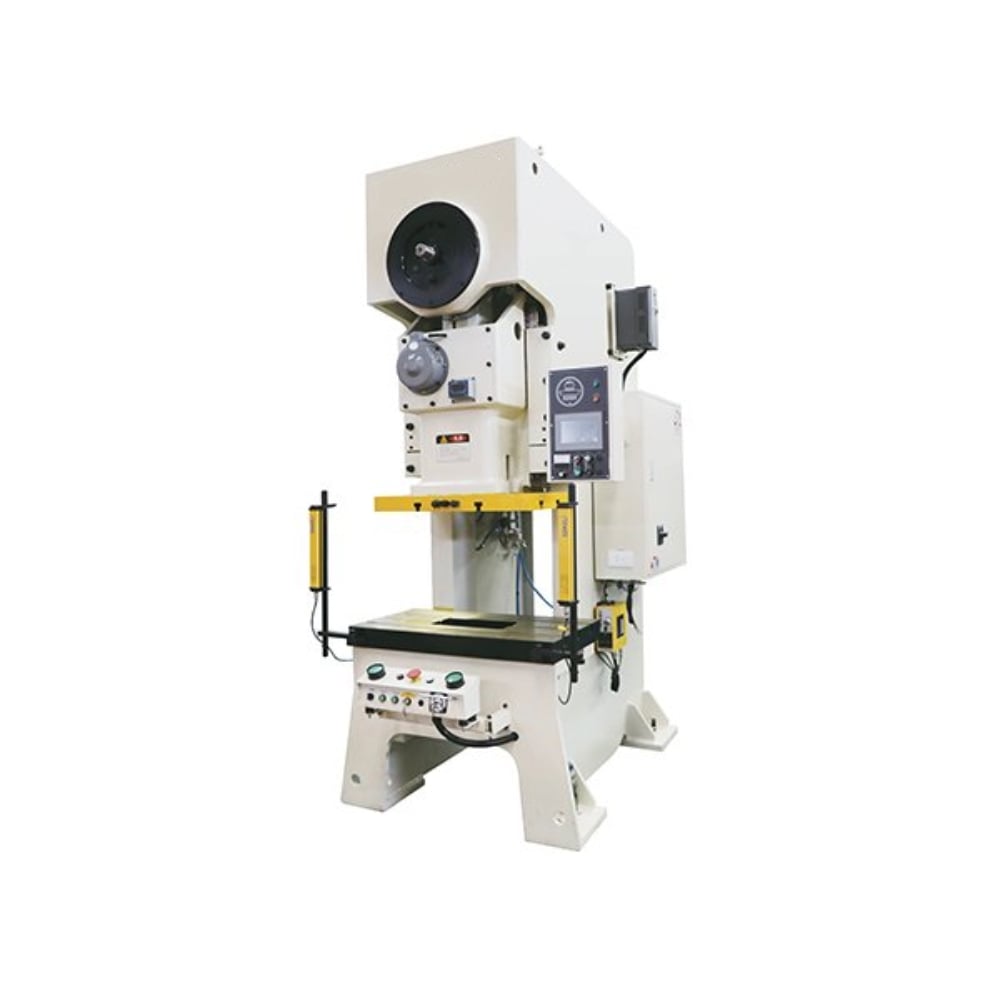
Developing a Robust Lubrication Plan
Lubrication is the lifeblood of any industrial machine. A well-executed lubrication plan reduces friction, dissipates heat, and prevents corrosion. For punching machines, the focus should be on the sliding surfaces, the ram guides, and the turret rotation mechanisms. Use only the lubricants specified by the manufacturer; using the wrong viscosity or type of oil can lead to premature wear and void your warranty. HARSLE recommends keeping a lubrication log to track when and where grease or oil was applied.
Start by cleaning the lubrication points before applying new lubricant. This prevents dirt and metal shavings from being pushed into the bearings or sliding surfaces. Use a lint-free cloth to wipe down the areas. Once clean, apply the lubricant according to the manufacturer’s specifications. If the machine has an automatic lubrication system, verify that the lines are not kinked or blocked and that the pressure gauge indicates the system is functioning correctly.
Don’t forget the tooling. Punching tools require specific lubricants to prevent galling and to extend the life of the punch and die. Apply a thin, even coat of lubricant to the punch tip and the die cavity before starting a new job. This not only improves the quality of the cut but also reduces the stripping force required, which in turn reduces the load on the machine’s ram. Be mindful of the environment; use environmentally friendly lubricants where possible and clean up any excess to prevent slipping hazards.
Finally, evaluate the lubrication schedule periodically. If you are running the machine at higher speeds or in a particularly dusty environment, you may need to increase the frequency of lubrication. Conversely, if you notice excessive oil dripping from the machine, you may be over-lubricating. Adjust your plan based on the actual operating conditions of your facility to ensure the best balance between protection and cleanliness.
Troubleshooting Signals: When to Call for Help
Even with the best maintenance, machines can develop issues. Recognizing the early warning signs is the mark of a skilled operator. One of the most common signals is a change in the quality of the punched parts. If you notice burrs, uneven edges, or distorted holes, it is a clear indication that the tooling is dull or the machine’s clearance settings are off. Do not ignore these signs; continuing to punch with dull tools will only damage the machine further.
Another signal is a change in the machine’s performance. If the ram speed seems slower than usual, or if the machine struggles to complete a punch cycle, there may be a hydraulic issue or a motor problem. Similarly, if the machine is running hotter than normal, check the cooling system and the lubrication levels. Overheating is a major cause of component failure and should be addressed immediately.
Pay attention to error codes on the CNC controller. Modern HARSLE machines are equipped with sophisticated diagnostic systems that can pinpoint the location of a fault. Never clear an error code without understanding the root cause. If the machine displays a recurring error, document it and consult the maintenance manual or contact the technical support team. Ignoring these codes can lead to more severe damage and expensive repairs.
Finally, trust your intuition. If the machine feels “off” or sounds different, investigate it. Operators who have worked with a machine for a long time often develop a sense for its normal operation. If you feel that something is wrong, it probably is. It is always better to perform a quick inspection and find nothing than to ignore a potential problem until it causes a total machine failure.
Daily Punching Machine Maintenance Schedule Table
| Task Category | Specific Action | Frequency |
|---|---|---|
| Visual Inspection | Check for loose bolts, leaks, and debris | Daily (Start of Shift) |
| Tooling Check | Inspect punch/die for wear or chipping | Daily (Start of Shift) |
| Safety Systems | Test E-stop and light curtains | Daily (Start of Shift) |
| Lubrication | Check oil levels and grease sliding surfaces | Daily (Mid-Shift) |
| Hydraulic System | Verify pressure and check for leaks | Daily (Ongoing) |
| Cleaning | Remove scrap and wipe down surfaces | Daily (End of Shift) |
| Documentation | Log maintenance tasks in the machine book | Daily (End of Shift) |
Frequently Asked Questions (FAQ)
How often should I change the hydraulic oil in my punching machine?
Generally, hydraulic oil should be changed every 2,000 to 4,000 operating hours, or once a year, depending on the intensity of use and the environment. Always refer to your HARSLE manual for the specific interval recommended for your model.
Can I use any type of grease for my punching machine?
No. You must use the specific grade and type of lubricant recommended by the manufacturer. Using the wrong lubricant can lead to chemical incompatibility, which can damage seals and bearings.
What should I do if my machine starts making a loud knocking noise?
Stop the machine immediately using the emergency stop button. A knocking noise often indicates a mechanical failure, such as a loose bearing or a damaged drive component. Do not attempt to operate the machine until a qualified technician has inspected it.
Is it necessary to clean the machine every single day?
Yes. Metal dust and scrap are abrasive. If left to accumulate, they can work their way into sensitive components, causing premature wear and electrical shorts. A clean machine is a reliable machine.
How do I know if my punch tooling is dull?
Signs of dull tooling include increased burr height on the bottom of the part, a loud “snap” sound during the punch, and an increase in the force required to punch through the material. If you notice these signs, it is time to sharpen or replace the tooling.












