Why Your Laser Cutting Machine Is Not Piercing Properly and How to Fix It


Introduction
In the high-precision world of metal fabrication, the piercing process is the critical first step of any laser cutting operation. When your laser cutting machine is not piercing properly, it doesn’t just slow down production; it leads to material waste, damaged nozzles, and potential long-term harm to the laser source. As a leading manufacturer of industrial machinery, HARSLE understands that consistent, clean piercing is the backbone of efficient manufacturing.
Piercing failure often manifests as excessive slag, cratering, or the laser simply failing to penetrate the material entirely. Whether you are working with mild steel, stainless steel, or aluminum, the physics of the piercing process remains constant: the laser must deliver enough energy density to melt and eject material before the cutting head begins its programmed path. When this process is interrupted, the entire workflow is compromised.
This comprehensive guide is designed to help operators and shop managers diagnose why their laser cutting machine is not piercing properly and how to fix it. By systematically reviewing your optical alignment, gas parameters, and software settings, you can restore your machine to peak performance. We will explore the technical nuances of laser piercing and provide actionable steps to ensure your HARSLE equipment—or any industrial laser—operates at its full potential.
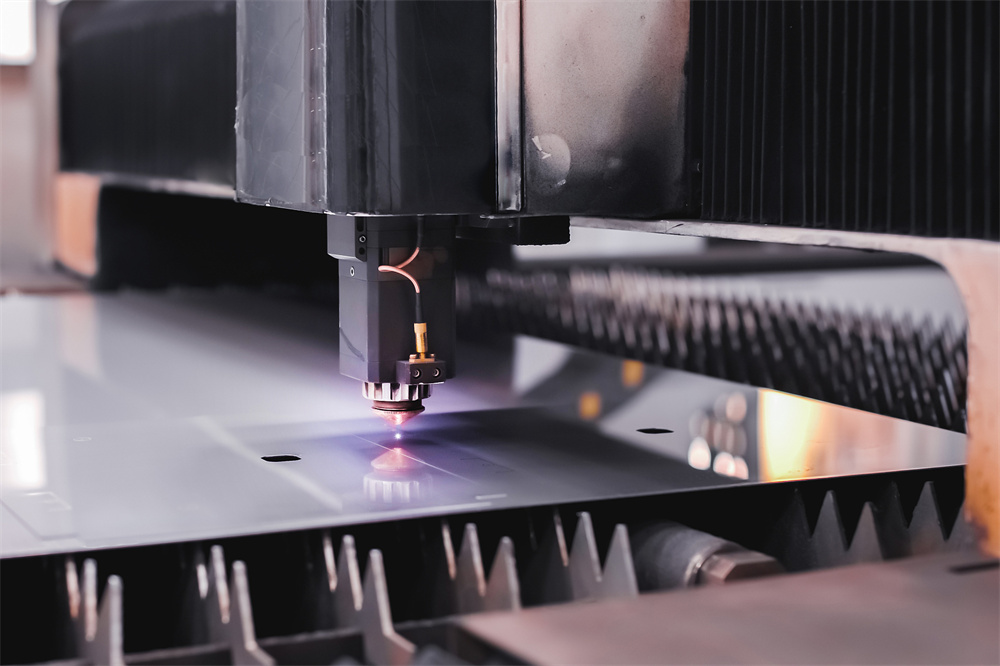
Key Considerations for Laser Piercing
Before diving into complex technical repairs, it is essential to understand the variables that influence the piercing process. The most common reason a laser cutting machine is not piercing properly is a mismatch between the material thickness and the laser parameters. If the laser power is too low or the frequency is incorrect, the material will not reach its melting point quickly enough, leading to a ‘failed pierce’ where the laser reflects back into the nozzle.
Another key consideration is the condition of your consumables. The nozzle and the protective lens are the front line of your laser system. A nozzle with a damaged orifice will distort the gas flow, preventing the molten metal from being blown away effectively. Similarly, a contaminated protective lens will scatter the laser beam, reducing the power density at the focal point. Regular inspection of these components is the first step in any troubleshooting protocol.
Environmental factors also play a significant role. Humidity and ambient temperature can affect the stability of the laser beam, particularly in high-power fiber laser systems. Furthermore, the quality of the assist gas—whether oxygen, nitrogen, or compressed air—must be monitored. Impurities in the gas, such as oil or moisture, can cause oxidation or inconsistent piercing, leading to poor edge quality and potential damage to the workpiece.
Finally, consider the material surface itself. Rust, scale, or protective coatings can significantly alter the absorption rate of the laser beam. If your material is not clean, the laser may struggle to initiate the pierce, causing the machine to ‘pop’ or ‘spatter’ during the initial phase. Always ensure that your raw materials are stored correctly and cleaned before being loaded onto the laser cutting bed.
Technical Details: Troubleshooting the Piercing Process
When you find that your laser cutting machine is not piercing properly, you must perform a systematic audit of the machine’s technical settings. Start by checking the focal position. The focal point for piercing is often different from the focal point for cutting. If your software is set to a cutting focus during the piercing stage, the energy density will be too low to penetrate the material effectively.
Next, examine the assist gas pressure. For oxygen piercing, high pressure is required to blow away the molten metal, but if the pressure is too high, it can actually cool the material too quickly, preventing a clean hole. Conversely, if the pressure is too low, the molten metal will remain in the hole, causing a ‘re-weld’ effect. Adjusting the gas pressure in small increments while monitoring the pierce quality is a standard practice for experienced operators.
The piercing frequency and duty cycle are equally important. In many cases, a ‘pulse’ pierce is preferred over a continuous wave pierce. By using a pulse setting, you allow the material to cool slightly between bursts, which prevents the heat-affected zone (HAZ) from becoming too large and reduces the risk of the nozzle being damaged by molten spatter. If your machine is struggling, try reducing the frequency to allow for a more controlled energy delivery.
Optical alignment is the final technical frontier. If the laser beam is not perfectly centered in the nozzle, the gas flow will be asymmetrical. This causes the laser to hit the side of the nozzle, leading to rapid degradation of the nozzle tip and inconsistent piercing. Use a centering tool to verify that the beam is perfectly aligned with the nozzle orifice. Even a slight deviation can cause significant piercing issues that worsen as the material thickness increases.

Selection Advice: Choosing the Right Equipment
If you are frequently encountering piercing issues, it may be time to evaluate whether your current machine is suited for your specific applications. Not all laser cutting machines are created equal. When selecting a machine for heavy-duty metal fabrication, look for systems that offer advanced piercing features, such as ‘fast pierce’ technology or automatic focus adjustment. These features allow the machine to adapt to different material thicknesses in real-time.
Consider the power output of the laser source. If you are consistently cutting thick plate (15mm+), a low-power laser will struggle to pierce effectively, leading to frequent failures. Investing in a higher-wattage fiber laser can provide the necessary energy density to pierce thick materials instantly, reducing the time the laser spends in the piercing phase and extending the life of your consumables.
Look for machines that feature robust software integration. Modern laser control systems, like those found on HARSLE machines, include pre-set parameter libraries that have been tested for various materials and thicknesses. Using these manufacturer-recommended settings is the best way to avoid piercing issues. If you are constantly having to manually override these settings, it may indicate that your machine’s software is not optimized for your specific production needs.
Finally, prioritize machines with high-quality cooling and filtration systems. A stable laser source is a reliable laser source. Machines that incorporate advanced chiller units and high-efficiency gas filtration systems are less prone to the environmental fluctuations that cause piercing inconsistencies. When buying, ask the manufacturer about their maintenance support and the availability of spare parts, as a machine that is easy to maintain will always be more productive in the long run.
FAQ: Common Piercing Questions
- Q: Why does my laser make a loud popping sound during piercing?
A: That popping sound is usually caused by molten metal being blown back into the nozzle. This is often due to insufficient gas pressure or an incorrect focal position. Check your nozzle for damage and ensure your gas pressure is set correctly for the material thickness. - Q: How often should I change my nozzle to prevent piercing issues?
A: Nozzle life depends on the material and thickness. However, if you notice the pierce hole becoming irregular or the machine struggling to penetrate, it is time to replace the nozzle. A good rule of thumb is to inspect the nozzle every 8 hours of operation. - Q: Does the type of assist gas affect piercing?
A: Absolutely. Oxygen is typically used for mild steel to assist in the exothermic reaction, while nitrogen is used for stainless steel and aluminum to prevent oxidation. Using the wrong gas will result in poor piercing and edge quality. - Q: Can a dirty protective lens cause piercing failure?
A: Yes. A dirty lens scatters the laser beam, reducing the power density at the focal point. This makes it impossible for the laser to pierce effectively. Always keep your protective lenses clean and replace them if they show signs of pitting or burning. - Q: What is the ‘pierce delay’ setting?
A: The pierce delay is the time the laser stays in one spot to ensure the material is fully penetrated before the cutting head begins to move. If your pierce delay is too short, the machine will start moving before the hole is complete, leading to ‘drag’ and poor cut quality.
Conclusion
When your laser cutting machine is not piercing properly, it is rarely a sign of a catastrophic failure. More often, it is a symptom of a minor calibration issue or a worn-out consumable. By systematically checking your focal position, gas pressure, nozzle condition, and software parameters, you can resolve the vast majority of piercing problems. Remember that the piercing process is the foundation of your cut quality; investing time in perfecting this stage will pay dividends in reduced scrap rates and increased machine uptime.
At HARSLE, we are committed to providing our customers with the knowledge and equipment necessary to excel in the competitive field of metal fabrication. Whether you are troubleshooting an existing machine or looking to upgrade to a more advanced system, understanding the mechanics of laser piercing is essential for success. Keep your optics clean, your parameters optimized, and your consumables fresh, and your laser cutting machine will continue to deliver the precision and efficiency your business demands.
If you continue to experience issues after performing these checks, do not hesitate to reach out to our technical support team. Sometimes, a deeper look into the laser source or the motion control system is required. With the right maintenance habits and a proactive approach to troubleshooting, you can ensure that your laser cutting operations remain smooth, efficient, and profitable for years to come.