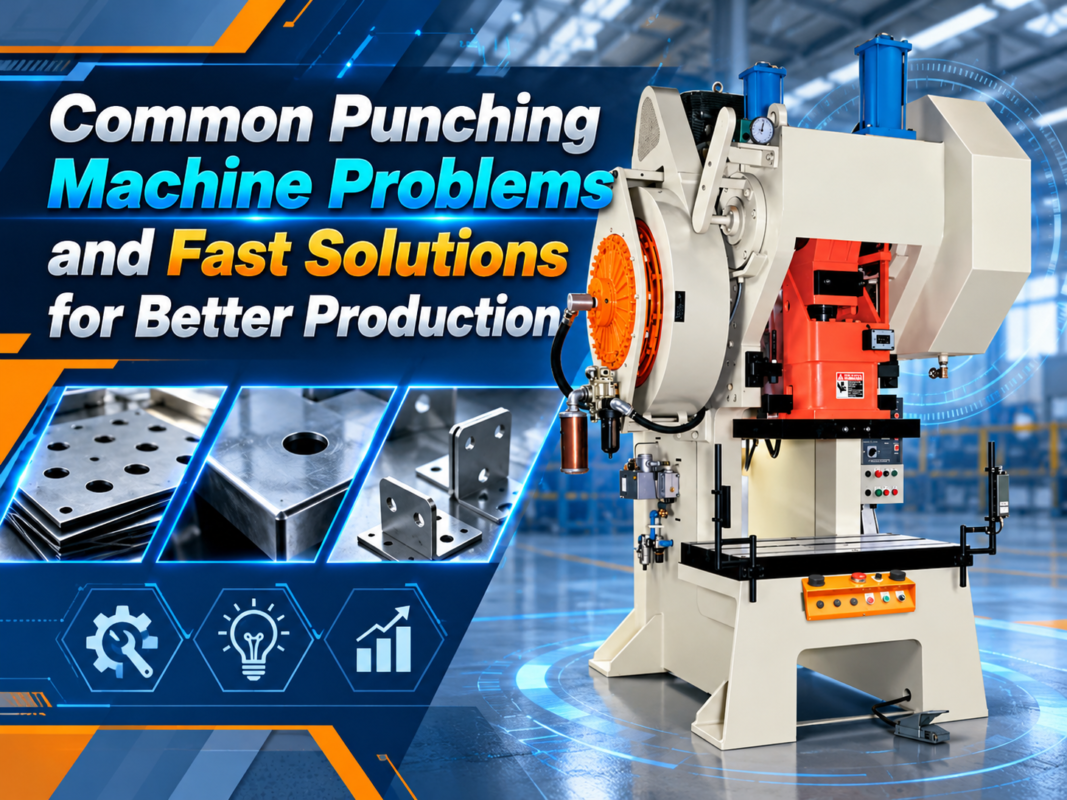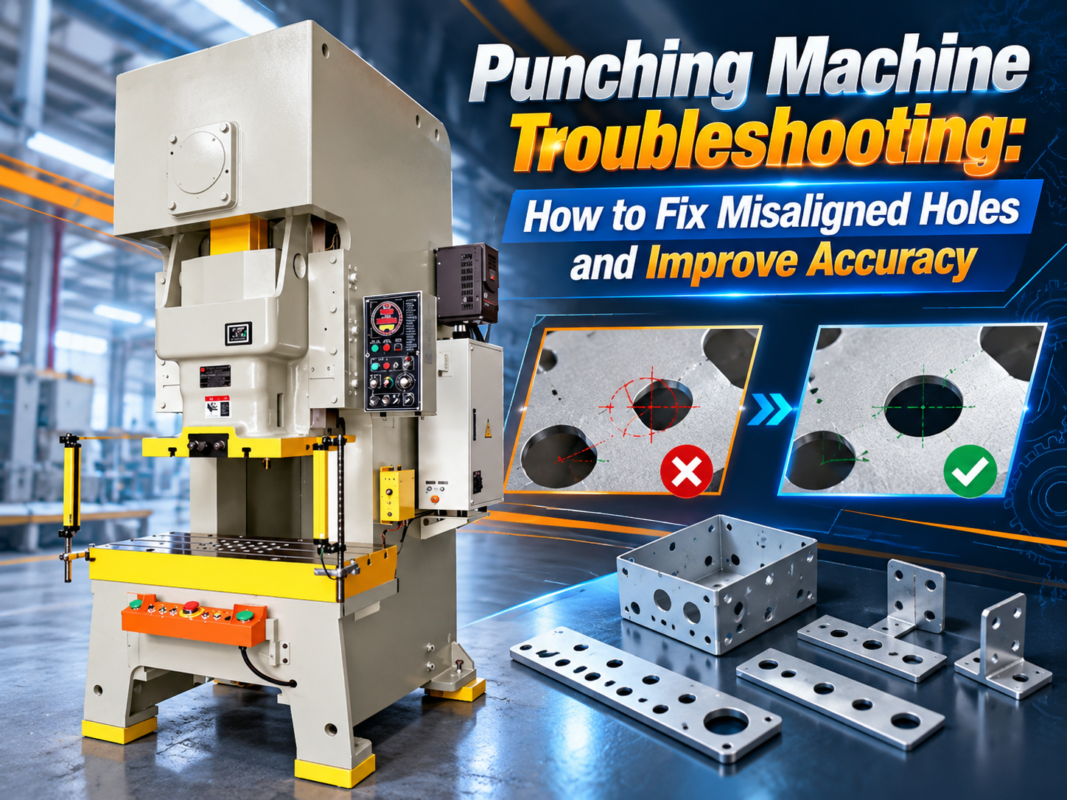
How to Repair Punching Machine Die and Punch Damage Before It Affects Output


Introduction
In the high-precision world of metal fabrication, the punching machine serves as the backbone of production efficiency. However, even the most robust HARSLE punching machines are subject to the inevitable wear and tear of daily operation. Learning how to repair punching machine die and punch damage before it affects output is not merely a maintenance task; it is a critical strategy for protecting your bottom line. When punches and dies begin to degrade, the quality of your finished parts drops, burr sizes increase, and the risk of catastrophic machine failure rises exponentially.
Proactive maintenance is the difference between a profitable production line and one plagued by downtime. By identifying early signs of tool fatigue—such as increased noise, irregular edge finishes, or excessive stripping force—operators can intervene before the damage becomes irreversible. This guide explores the technical methodologies required to maintain your tooling, ensuring that your punching operations remain consistent, accurate, and cost-effective throughout the machine’s lifecycle.
Understanding the relationship between material hardness, clearance, and tool geometry is essential for any fabrication shop. When you repair punching machine die and punch damage before it affects output, you are essentially extending the life of your capital investment. This article provides a comprehensive roadmap for identifying, assessing, and rectifying common tooling issues, helping you maintain the high standards expected from HARSLE industrial equipment.
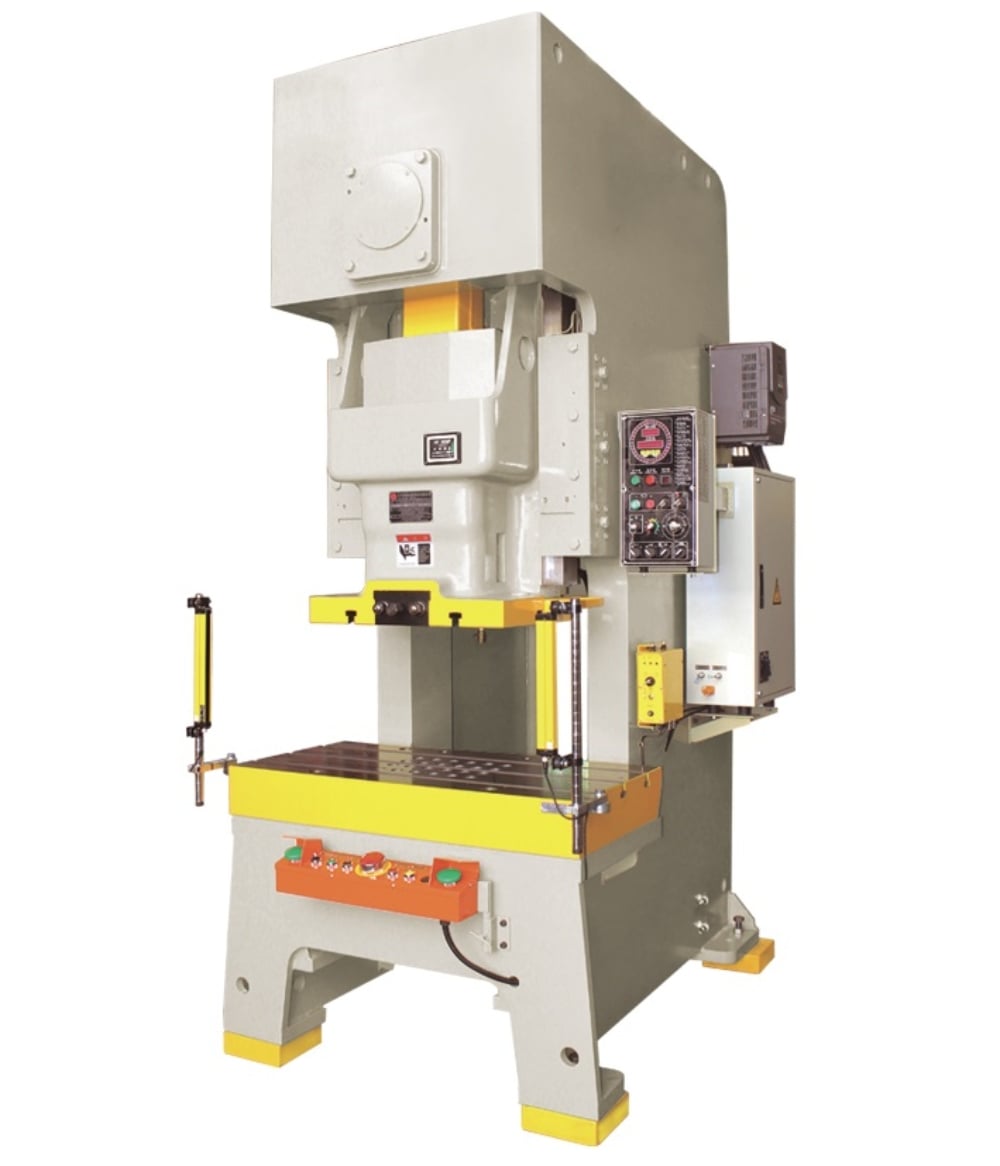
Key Considerations for Tooling Longevity
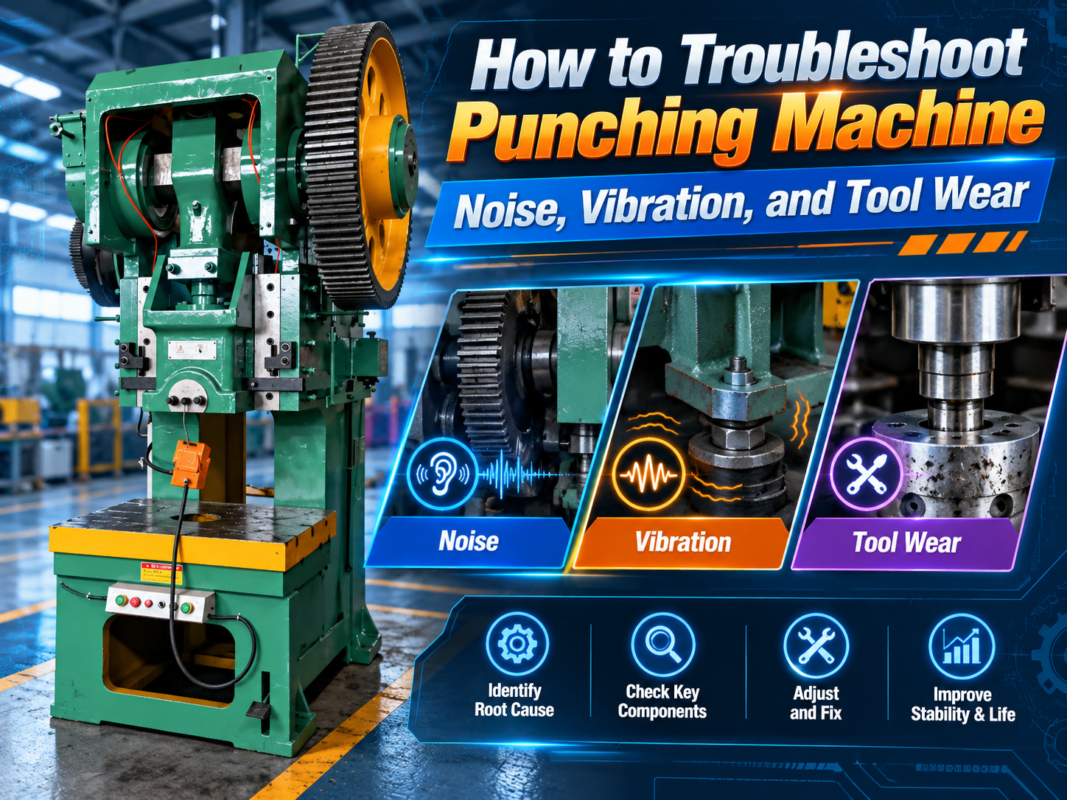
The first step in preventing damage is understanding the environment in which your tools operate. Punching is a high-stress process that involves significant friction and heat. If the lubrication system is not functioning correctly, or if the material being punched is harder than the tool steel, the punch will experience accelerated abrasive wear. Operators must monitor the lubrication levels and the type of lubricant used, as this is the primary defense against premature tool degradation.
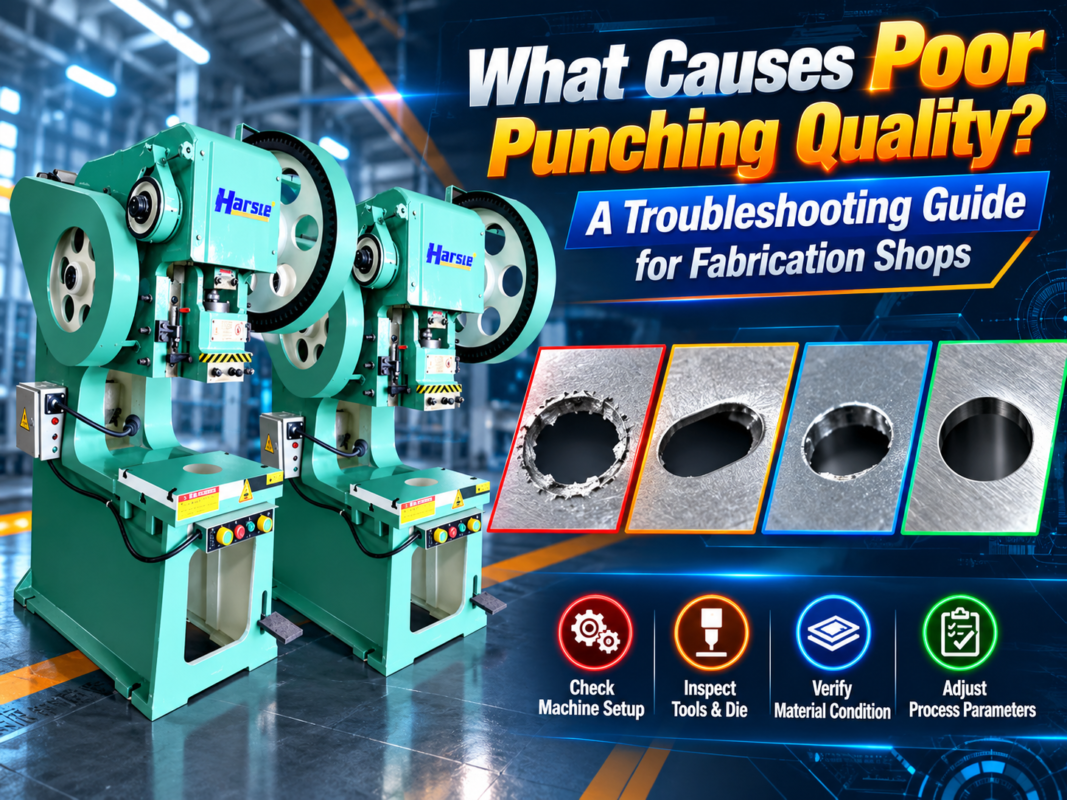
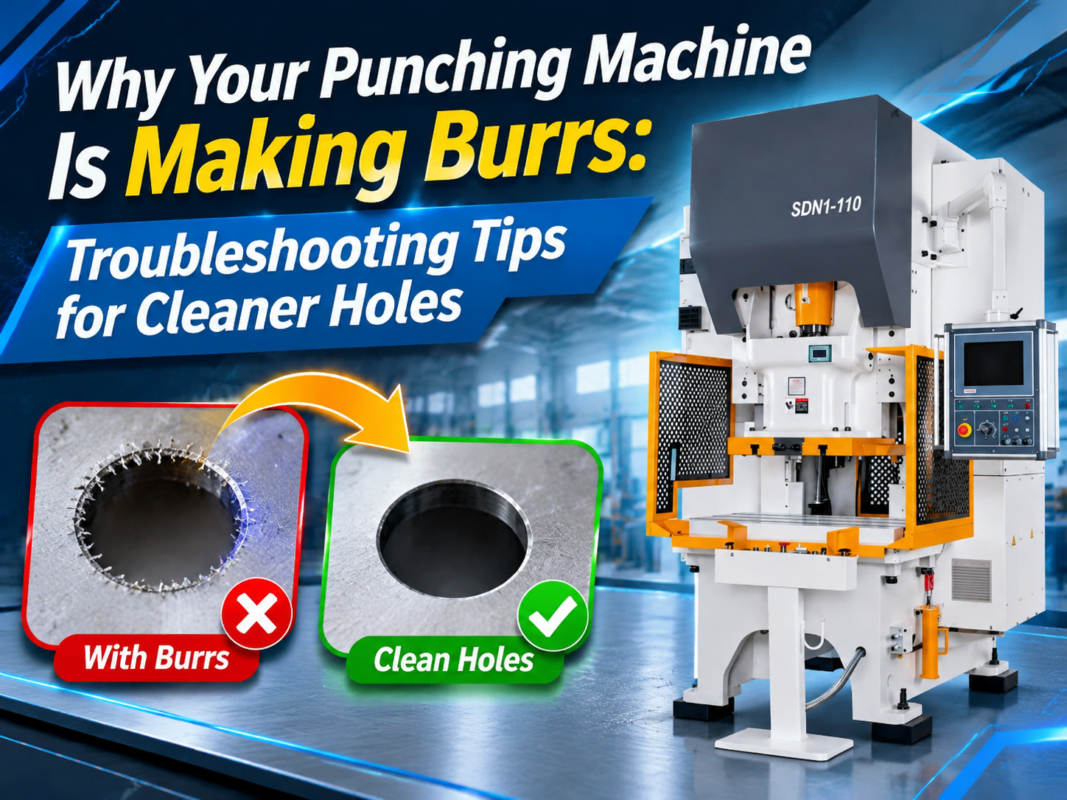
Another critical consideration is the clearance between the punch and the die. Incorrect clearance is the leading cause of premature tool failure. If the clearance is too tight, the punch will experience excessive side loading, leading to chipping or snapping. If it is too loose, the material will be pulled into the gap, causing burrs and rapid edge rounding. Regularly checking these clearances against the material thickness is a fundamental aspect of how to repair punching machine die and punch damage before it affects output.
Operator training plays a vital role in the longevity of your punching machine. Often, damage occurs due to improper loading of sheets or the use of dull tools that require higher tonnage to penetrate the metal. When a tool is dull, the machine must work harder, which transfers stress back into the ram and the tool holders. Encouraging a culture of inspection where operators report “feel” changes during the punching cycle can prevent small issues from becoming major repairs.
Environmental factors, such as the cleanliness of the workshop, also impact tool life. Metal dust and debris can find their way into the die cavity, causing galling or scratching on the punch surface. Implementing a strict cleaning schedule for the die set and the turret or tool holder assembly is essential. By keeping the workspace clean, you reduce the likelihood of abrasive particles damaging the precision-ground surfaces of your tooling.
Technical Details: Assessing and Repairing Damage
When you detect signs of wear, the first technical step is a thorough visual and tactile inspection. Use a magnifying glass to check for micro-cracks or chipping on the cutting edges. If the edges are rounded, the tool is likely dull and requires sharpening. Sharpening should be performed using a precision surface grinder, ensuring that the face of the punch is ground perfectly flat and perpendicular to the axis of the tool. Removing too much material at once can cause the steel to overheat, leading to softening and loss of hardness.
For galling—a common issue where material sticks to the punch—the repair process involves careful removal of the adhered metal. Use a fine-grit honing stone to gently polish the surface of the punch. Avoid using aggressive files or coarse abrasives, as these can alter the geometry of the tool. Once the galled material is removed, the punch should be cleaned with a solvent and inspected for any remaining surface irregularities that could cause the problem to recur immediately.
If the die has experienced chipping, the repair process is more complex. Small chips can sometimes be ground out, provided the overall height of the die remains within the machine’s tolerance specifications. However, if the chip is deep, the die may need to be replaced. Attempting to weld or build up a die is generally not recommended, as the heat-affected zone can compromise the structural integrity and hardness of the tool steel, leading to failure under the high-impact forces of the punching cycle.
Regularly measuring the punch and die dimensions is a critical part of how to repair punching machine die and punch damage before it affects output. Keep a log of tool dimensions after each sharpening session. This allows you to track how much material has been removed and predict when a tool will reach the end of its useful life. This data-driven approach prevents the use of tools that are too short to provide proper support, which is a common cause of punch breakage in high-speed punching applications.
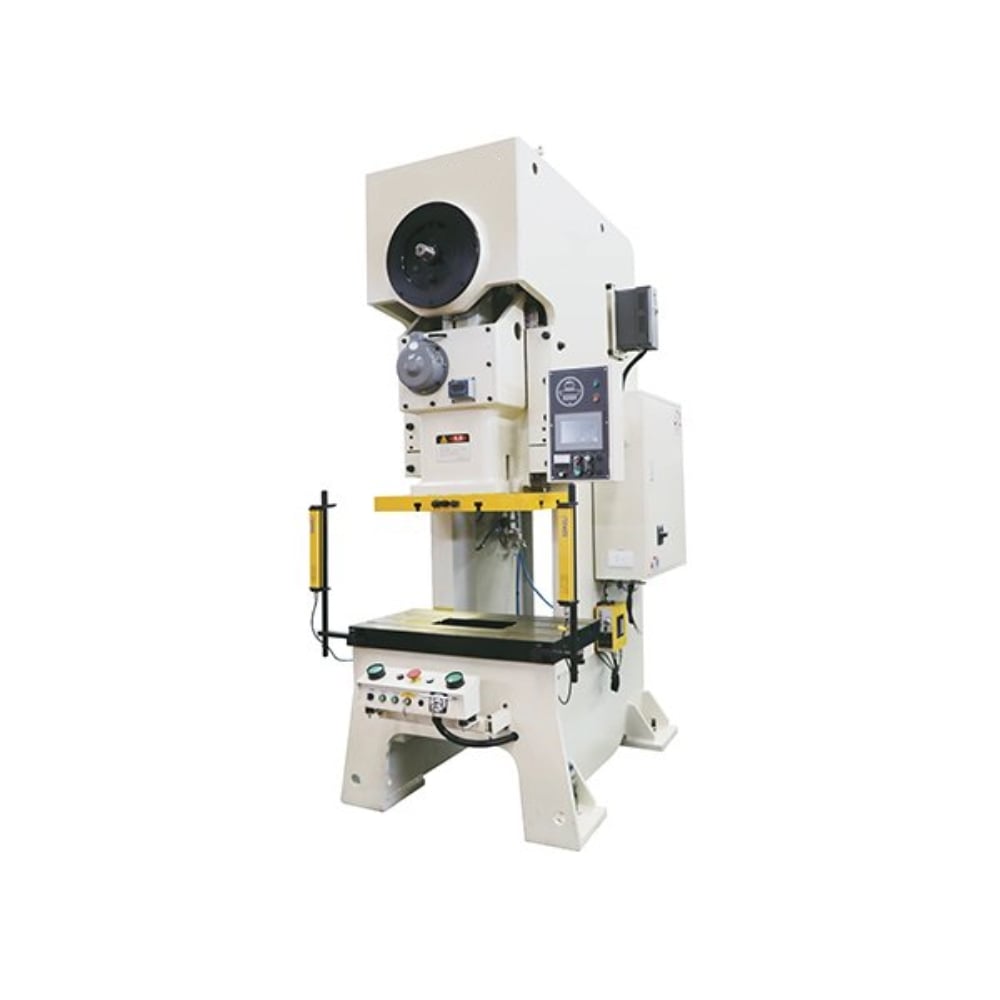
Selection Advice for High-Performance Tooling
When it comes time to replace or upgrade your tooling, the selection process is just as important as the repair process. High-quality tool steel, such as M2 or D2 grade, is essential for demanding applications. These materials offer the best balance of toughness and wear resistance. When purchasing, always verify the coating options available. Titanium Nitride (TiN) or similar coatings can significantly reduce friction and prevent galling, effectively extending the time between necessary maintenance intervals.
Consider the geometry of the punch tip. For thicker materials or high-strength alloys, a shear angle on the punch face can reduce the required punching force and minimize the shock load on the machine. While these tools are slightly more expensive, the reduction in machine wear and the improvement in part quality often justify the investment. Consult with HARSLE technical support to determine the best tool geometry for your specific material range and production volume.
It is also advisable to maintain a comprehensive inventory of spare parts. Having a set of frequently used punches and dies on hand ensures that you can perform a quick swap when damage is detected, rather than waiting for shipping. This strategy is a cornerstone of how to repair punching machine die and punch damage before it affects output, as it minimizes the temptation to “keep running” a damaged tool just to finish a job.
Finally, evaluate the compatibility of your tooling with your current punching machine’s automatic tool changer or turret system. Ensure that the locking mechanisms and alignment pins are in perfect condition. Even the best punch will fail prematurely if it is not seated correctly in the machine. Investing in high-quality tool holders and ensuring they are maintained alongside the punches themselves will create a more stable and reliable punching environment.
FAQ: Common Questions About Punching Machine Maintenance
- How often should I sharpen my punching tools? There is no fixed interval, as it depends on the material thickness, type, and machine speed. Monitor the burr height on your parts; when it exceeds your quality threshold, it is time to sharpen.
- Can I repair a cracked punch? No. A cracked punch is a safety hazard and will likely shatter under pressure. It should be discarded immediately to prevent damage to the die or the machine ram.
- Why does my punch keep galling? Galling is often caused by insufficient lubrication, incorrect clearance, or using a tool that is not coated for the specific material being punched. Check your lubrication system first.
- What is the best way to clean the die cavity? Use compressed air to remove debris, followed by a light wipe with a clean cloth and a non-residue solvent. Avoid using metal scrapers that could scratch the die surface.
- Does the machine’s tonnage affect tool life? Yes. Operating the machine near its maximum tonnage capacity increases stress on all components. Ensure your machine is appropriately sized for the material thickness you are processing.
Conclusion
Mastering how to repair punching machine die and punch damage before it affects output is a fundamental skill for any metal fabrication professional. By focusing on proactive maintenance, understanding the technical requirements of tool geometry, and selecting high-quality materials, you can significantly reduce downtime and improve the consistency of your production. HARSLE machines are designed for durability, but their performance is ultimately tied to the care and attention provided by the operator.
Remember that the cost of a new punch or a few minutes of sharpening is negligible compared to the cost of a damaged die set or a machine breakdown. Implement a regular inspection schedule, keep your tools clean and well-lubricated, and never ignore the early warning signs of tool wear. By treating your tooling with the same level of care as your primary machinery, you ensure that your fabrication shop remains competitive, efficient, and capable of delivering high-quality results for years to come.
As you continue to refine your maintenance processes, keep detailed records of your tooling performance. This data will not only help you troubleshoot recurring issues but will also inform your future purchasing decisions. With a disciplined approach to maintenance, you can transform your punching operations into a model of reliability and precision, fully leveraging the capabilities of your HARSLE equipment.