
A Complete Guide to Shearing Machine Inspection Before Production Starts


The Critical Importance of Pre-Production Inspection
In the high-stakes environment of metal fabrication, the shearing machine serves as the foundational tool for precision cutting. Performing a complete shearing machine inspection before production starts is not merely a procedural formality; it is a vital operational necessity. When a machine is neglected, minor mechanical drifts or hydraulic pressure fluctuations can lead to significant material waste, damaged blades, and, most importantly, severe workplace accidents. By establishing a rigorous pre-shift inspection routine, operators can identify potential failure points before they escalate into costly downtime.
HARSLE emphasizes that the longevity of your equipment is directly tied to the discipline of your maintenance team. A shearing machine operates under immense pressure, exerting tons of force to slice through steel plates. Over time, the vibration and heat generated during these cycles can loosen fasteners, degrade seals, and alter the clearance between blades. A proactive inspection strategy ensures that the machine remains within its optimal tolerance levels, guaranteeing that every cut meets the exact specifications required by your clients.
Furthermore, safety compliance is a non-negotiable aspect of industrial manufacturing. Regulatory bodies require that heavy machinery be maintained in safe working order. A documented inspection process provides an audit trail that demonstrates your commitment to safety standards. By catching issues early, you protect your workforce from the dangers of mechanical failure, such as unexpected blade drops or hydraulic leaks that create slip hazards. Investing time in a pre-production checklist is an investment in the overall productivity and safety culture of your facility.
Finally, consider the financial implications of unplanned maintenance. When a shearing machine breaks down mid-shift, the ripple effect on your production schedule can be devastating. You face missed deadlines, overtime costs for repairs, and the potential loss of customer trust. By integrating a comprehensive inspection protocol, you transition from reactive repairs to predictive maintenance, allowing you to schedule service during planned downtime rather than during peak production hours.

Daily Inspection Protocols for Operators
The daily inspection process should be systematic and thorough. Start by conducting a visual walk-around of the entire machine. Look for any signs of external damage, such as dents on the frame, loose wiring, or debris that may have accumulated around the foot pedal or the control console. Ensure that the area surrounding the machine is clean and free of trip hazards, as a cluttered workspace is a primary contributor to operational errors.
Next, check the emergency stop buttons and safety light curtains. These are your primary lines of defense. Test the emergency stop to ensure it immediately cuts power to the hydraulic pump and halts all motion. If your machine is equipped with light curtains or laser scanners, verify that they are clean and properly aligned. If the machine continues to operate when the light beam is interrupted, stop production immediately and consult your maintenance manual or HARSLE support.
Examine the blade clearance and the condition of the cutting edges. Even a small piece of metal scrap left on the table can cause significant damage to the blades during the next cycle. Use a feeler gauge to verify that the clearance is set correctly for the thickness of the material you are about to process. If the blades appear dull or chipped, they must be sharpened or replaced before production begins to prevent burrs on the finished parts and excessive strain on the machine’s drive system.
Finally, verify the settings on the backgauge. The backgauge is responsible for the precision of your cut length. Ensure that it moves smoothly along its rails and that the digital readout matches the physical position of the gauge. Any discrepancy here will lead to inaccurate parts, resulting in wasted material and rework. By verifying these basic elements every morning, you set the stage for a productive and error-free shift.
Hydraulic, Electrical, and Mechanical Checks
The hydraulic system is the heart of your shearing machine. Before starting the motor, check the hydraulic oil level in the reservoir. Low oil levels can lead to cavitation in the pump, which causes premature wear and erratic pressure delivery. Inspect all hoses and fittings for signs of weeping or leaks. A small drip today can become a high-pressure burst tomorrow, so address any compromised seals immediately.
Electrical integrity is equally critical. Open the electrical cabinet (ensuring the machine is locked out/tagged out first) to check for loose connections or signs of overheating, such as discolored wires or a burnt smell. Ensure that the cooling fans are operational, as heat is the primary enemy of electronic components. If your machine uses a PLC (Programmable Logic Controller), check the diagnostic screen for any error codes or warnings that may have been logged during the previous shift.
Mechanically, focus on the ram and the hold-down cylinders. The ram should move vertically without any lateral play or binding. Listen for unusual grinding or knocking sounds during the initial dry cycle. The hold-down cylinders must exert even pressure across the entire width of the material to prevent it from shifting during the cut. If one cylinder is lagging, it indicates a potential issue with the hydraulic manifold or a worn seal that needs attention.
Lastly, check the lubrication points. Most modern shearing machines feature an automatic lubrication system, but it is not foolproof. Verify that the pump is cycling and that oil is reaching all the critical pivot points and sliding surfaces. If your machine requires manual greasing, ensure that the grease nipples are clean and that you are using the manufacturer-recommended lubricant. Proper lubrication reduces friction, lowers operating temperatures, and significantly extends the life of the machine’s moving parts.
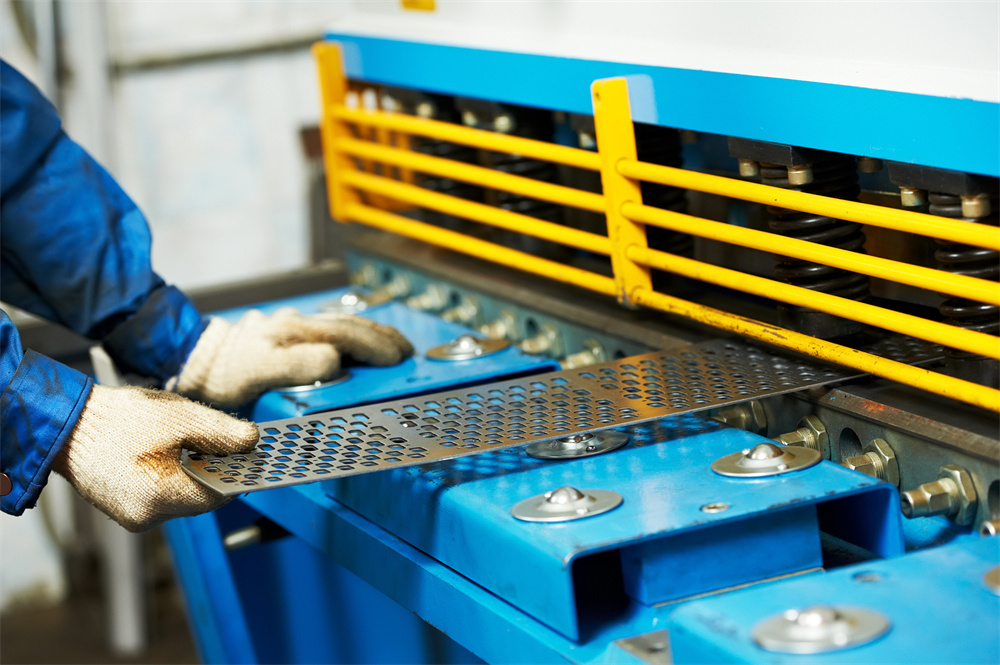
Developing a Robust Lubrication Plan
A lubrication plan is the backbone of a long-term maintenance strategy. It is not enough to simply apply grease; you must apply the right amount of the right lubricant at the right interval. Start by creating a lubrication map of your shearing machine. Identify every grease fitting, oil reservoir, and sliding surface. Label these points clearly on the machine to ensure that no point is overlooked during the maintenance cycle.
Establish a schedule based on machine hours rather than calendar days. A machine running two shifts a day requires lubrication twice as often as one running a single shift. Use a logbook or a digital maintenance management system to track when each point was last serviced. This prevents over-lubrication, which can attract dust and debris, and under-lubrication, which leads to metal-on-metal wear.
Select high-quality lubricants that meet HARSLE’s specifications. Using a generic grease might seem cost-effective in the short term, but it often lacks the additives necessary to handle the high-pressure, high-load environment of a shearing machine. Consult your machine’s manual to understand the viscosity requirements for the hydraulic oil and the NLGI grade for the grease. Consistency is key; avoid mixing different types of lubricants, as this can cause chemical reactions that degrade the performance of both.
Finally, train your operators on the importance of the lubrication plan. They are the ones who see the machine every day and are best positioned to notice if a lubrication point is blocked or if a reservoir is running dry. Encourage a culture where maintenance is seen as a shared responsibility. When operators take ownership of their machine’s health, the frequency of unexpected breakdowns drops significantly, and the overall efficiency of the fabrication shop increases.
Troubleshooting Signals: When to Stop Production
Recognizing the early warning signs of a failing shearing machine can save your company thousands of dollars. One of the most common signals is a change in the sound of the machine. If the hydraulic pump begins to whine or the ram makes a clunking sound during the stroke, stop the machine immediately. These noises are often indicators of air in the hydraulic lines, low oil, or loose mechanical components that require urgent adjustment.
Another critical signal is the quality of the cut. If you notice burrs on the edge of the material, it is a clear sign that the blade clearance is incorrect or the blades have become dull. Continuing to cut with dull blades increases the load on the machine, which can lead to motor burnout or structural damage to the ram. Similarly, if the material is slipping during the cut, the hold-down cylinders may be failing to provide sufficient clamping force.
Pay attention to the temperature of the hydraulic oil. If the oil feels excessively hot to the touch or if the machine’s cooling system is running constantly, you may have a restricted filter or a failing pump. Overheated oil loses its lubricating properties and can damage the internal components of the hydraulic valves. Check the oil temperature gauge if your machine is equipped with one, and compare it to the normal operating range specified in your manual.
Finally, be alert for any erratic behavior in the control system. If the backgauge moves inconsistently, if the digital display flickers, or if the machine fails to cycle when the foot pedal is pressed, these are signs of electrical faults. Do not attempt to bypass safety interlocks or force the machine to cycle. Electrical issues can be unpredictable and dangerous. Always perform a lockout/tagout procedure before investigating the electrical cabinet, and if you are unsure of the cause, contact a qualified technician.
Comprehensive Maintenance Schedule Table
| Frequency | Task | Action Required |
|---|---|---|
| Daily | Visual Inspection | Check for leaks, loose bolts, and debris. |
| Daily | Safety Systems | Test E-stop and light curtains. |
| Weekly | Lubrication | Check oil levels and grease all pivot points. |
| Weekly | Blade Check | Inspect cutting edges for chips and burrs. |
| Monthly | Hydraulic System | Check oil filters and test pressure levels. |
| Quarterly | Electrical | Inspect wiring, connections, and cooling fans. |
| Bi-Annually | Calibration | Verify backgauge accuracy and blade clearance. |
| Annually | Full Overhaul | Replace seals, change hydraulic oil, and inspect ram guides. |
Frequently Asked Questions (FAQ)
How often should I sharpen the blades on my shearing machine?
The frequency of blade sharpening depends on the material type, thickness, and the volume of cuts. As a rule of thumb, if you notice burrs on your parts or if the machine requires more force than usual to complete a cut, it is time to sharpen the blades.
What is the most common cause of shearing machine failure?
The most common cause is poor maintenance, specifically regarding hydraulic oil quality and blade clearance settings. Neglecting these two areas leads to accelerated wear on the pump and the ram assembly.
Can I use any hydraulic oil in my HARSLE shearing machine?
No, you must use the oil grade specified in your machine’s manual. Using the wrong viscosity can lead to poor performance, overheating, and damage to the hydraulic valves.
What should I do if the machine makes a loud noise during operation?
Stop the machine immediately using the emergency stop button. Check for loose mechanical parts, low hydraulic oil, or foreign objects in the cutting area. If the noise persists, contact HARSLE technical support.
Is it necessary to keep a maintenance log?
Yes, a maintenance log is essential for tracking the history of your machine, ensuring compliance with safety regulations, and helping technicians diagnose recurring issues more effectively.


