Common Punching Machine Applications In Workshops And Mass Production Lines


Introduction to Punching Machine Versatility
Whether you are operating a small-scale job shop or managing a high-volume automotive assembly plant, understanding the common punching machine applications in workshops and mass production lines is essential for optimizing your manufacturing workflow. KAVDO has long been at the forefront of providing robust, high-performance punching solutions that cater to these diverse industrial needs.
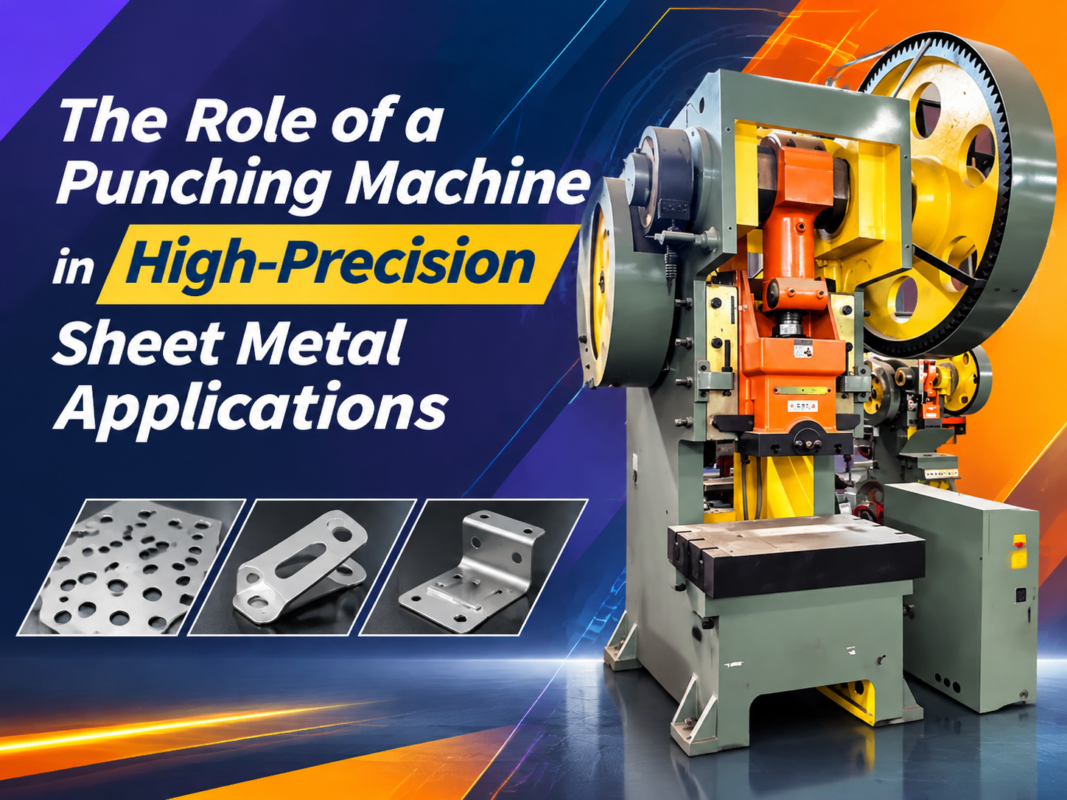
A punching machine is essentially a force-multiplying tool designed to shear, pierce, or form metal sheets through the application of high pressure. By utilizing a punch and die set, these machines can create complex shapes, holes, and patterns in materials ranging from mild steel and aluminum to stainless steel and copper. The evolution from manual mechanical presses to sophisticated CNC-controlled turret punch presses has revolutionized how industries approach metal forming.
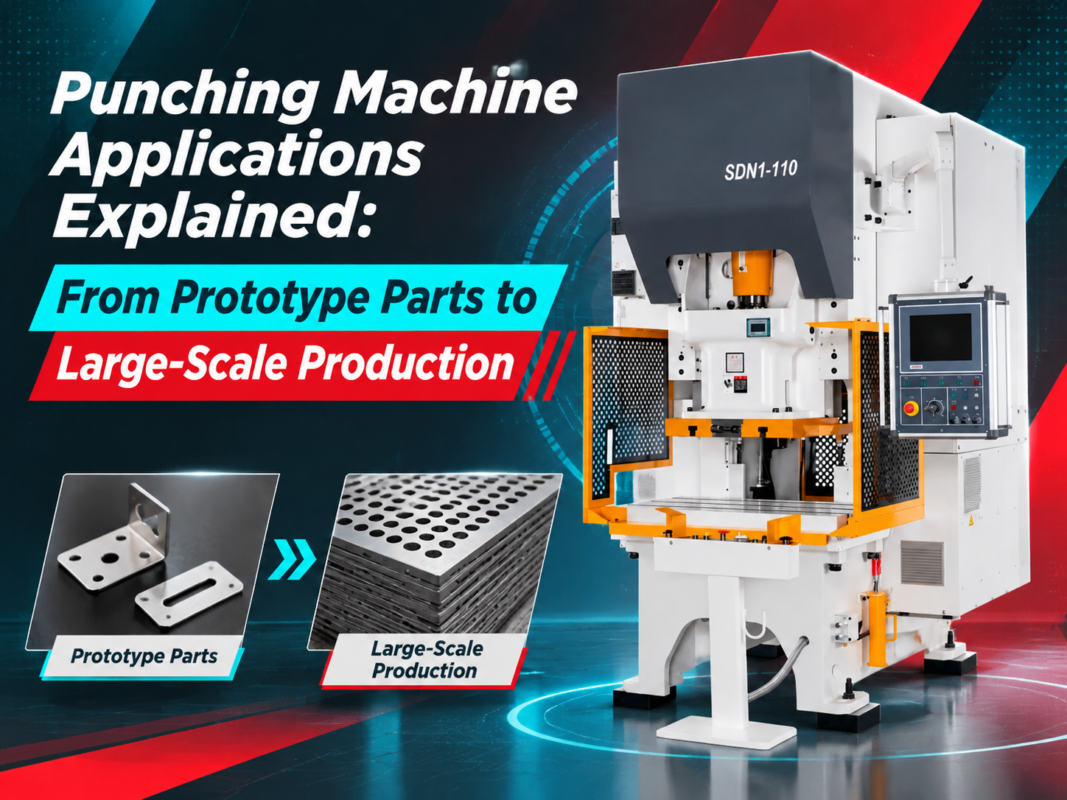
The primary appeal of these machines lies in their speed, repeatability, and versatility. In a workshop setting, a punching machine might be used for custom brackets or small-batch prototypes, while in a mass production line, it serves as the engine for continuous, high-speed output of standardized components. This article explores the technical nuances, operational advantages, and strategic selection criteria for integrating punching technology into your facility.
As we delve into the specific applications, it is important to recognize that the choice of machine—be it a hydraulic ironworker or a high-speed CNC punch press—depends heavily on the material thickness, production volume, and the complexity of the desired geometry. KAVDO’s engineering philosophy focuses on bridging the gap between high-end industrial requirements and the practical needs of daily workshop operations.
Key Considerations for Punching Machine Integration
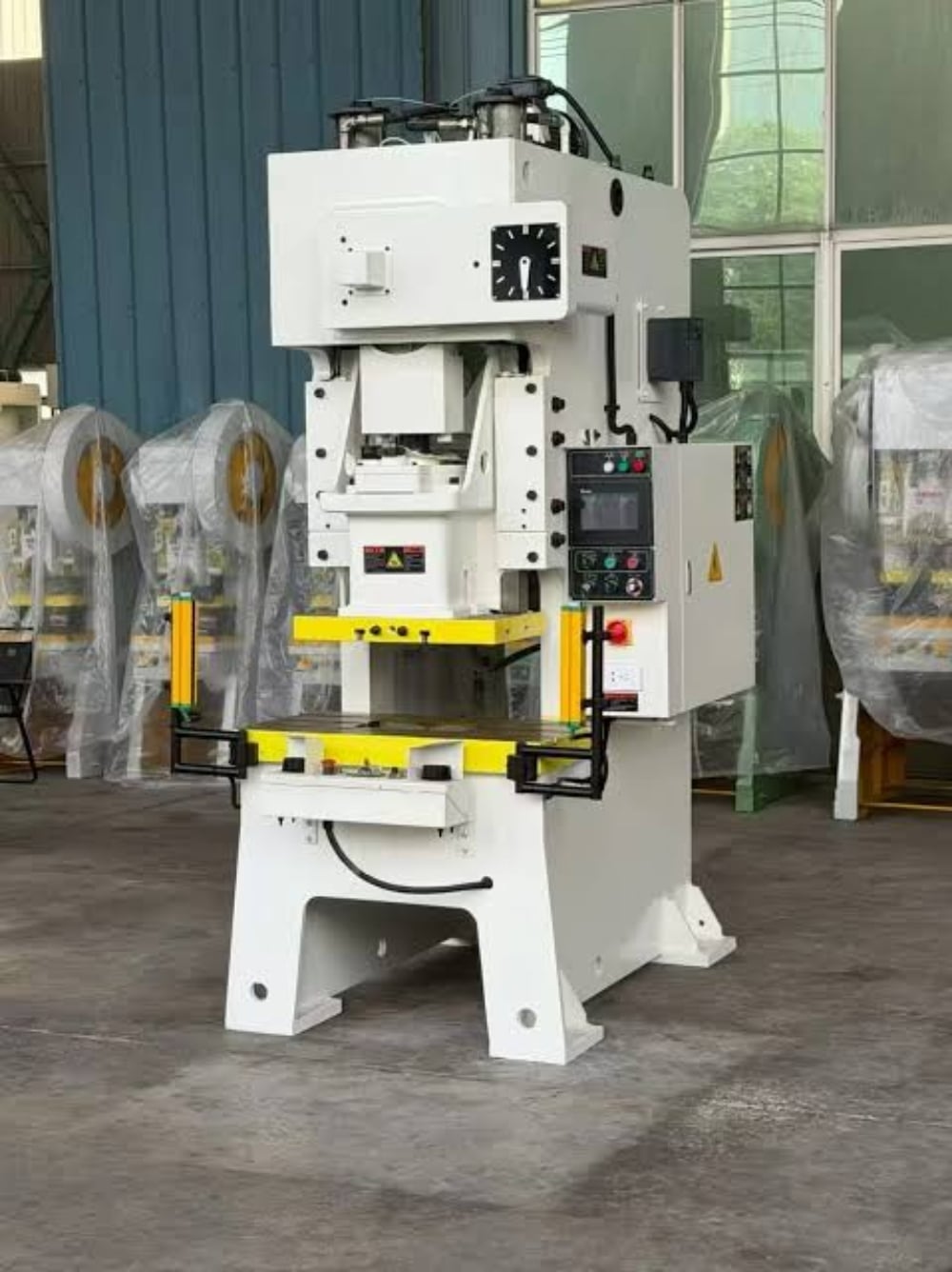
Integrating a punching machine into your production environment requires careful planning. The first factor to consider is the material type and thickness. Punching machines are rated by their tonnage capacity; exceeding this limit can lead to premature tool wear, machine damage, or inconsistent part quality. Workshops must evaluate the maximum shear strength of the materials they process most frequently to ensure the machine remains within its optimal operating range.
Production volume is the second critical consideration. For workshops handling high-mix, low-volume production, a machine with a quick-change tool system is invaluable. This reduces downtime during setup changes, allowing operators to switch between different hole patterns or part geometries rapidly. Conversely, mass production lines prioritize cycle time and automation. In these environments, features like automatic loading and unloading systems, as well as high-speed turret indexing, are non-negotiable.
Space and layout also play a significant role. A standalone hydraulic ironworker is compact and ideal for workshops with limited floor space, offering multi-functional capabilities like shearing, punching, and notching in one footprint. In contrast, a fully automated CNC punching cell requires significant floor space for material handling conveyors, scrap removal systems, and safety fencing. KAVDO recommends conducting a thorough site assessment before installation to ensure proper power supply, pneumatic requirements, and workflow ergonomics are met.
Finally, maintenance and operator skill levels must be addressed. Modern CNC punching machines are highly sophisticated, requiring operators who are comfortable with software interfaces and basic troubleshooting. However, they also offer diagnostic tools that simplify maintenance. Establishing a preventative maintenance schedule—covering lubrication, tool sharpening, and hydraulic fluid checks—is the best way to ensure the longevity of your investment and maintain consistent production quality.
Technical Details of Punching Processes
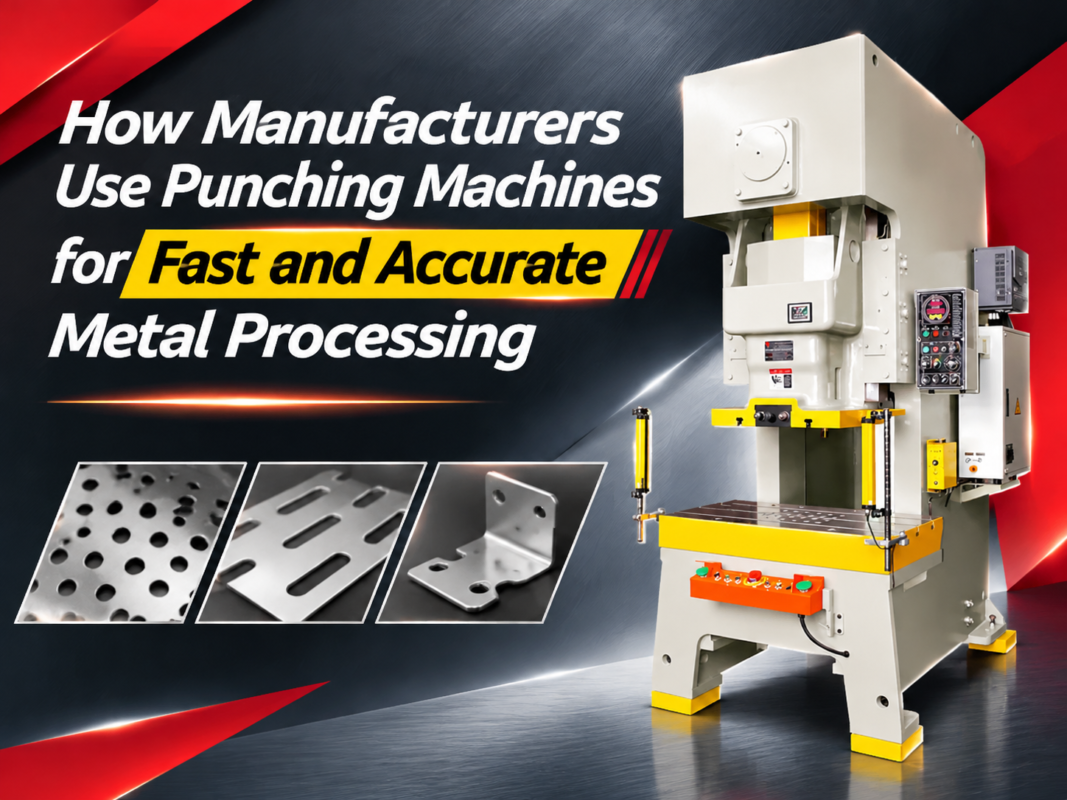
The punching process is a mechanical shearing operation. When the punch descends into the die, it creates a localized stress concentration that exceeds the ultimate shear strength of the material. This results in a clean cut through the sheet metal. The clearance between the punch and the die is a critical technical parameter; if the clearance is too tight, the machine experiences excessive force and tool wear, while too much clearance results in burrs and poor edge quality.
In CNC punching machines, the turret system is the heart of the operation. A turret can hold dozens of different tools, allowing the machine to perform a wide variety of operations without manual intervention. The indexing capability of the turret allows for the rotation of shaped tools, enabling the creation of complex contours and patterns that would otherwise require multiple setups. This is particularly useful in mass production lines where consistency across thousands of parts is mandatory.
Hydraulic systems in punching machines provide a consistent force throughout the entire stroke. This is a significant advantage over mechanical flywheel presses, which have varying force profiles. Hydraulic control allows for features like dwell time, which is essential for certain forming operations such as embossing or louvers. By controlling the pressure and speed of the ram, operators can achieve high-quality results even on delicate or thick materials.
Software integration is the final piece of the technical puzzle. Modern punching machines utilize CAD/CAM software to optimize tool paths, minimize scrap, and maximize material utilization. By nesting parts efficiently on a sheet, manufacturers can significantly reduce waste, which is a major cost driver in high-volume production. KAVDO’s control systems are designed to be intuitive, allowing for rapid programming and simulation of the punching process before the first sheet is ever touched.
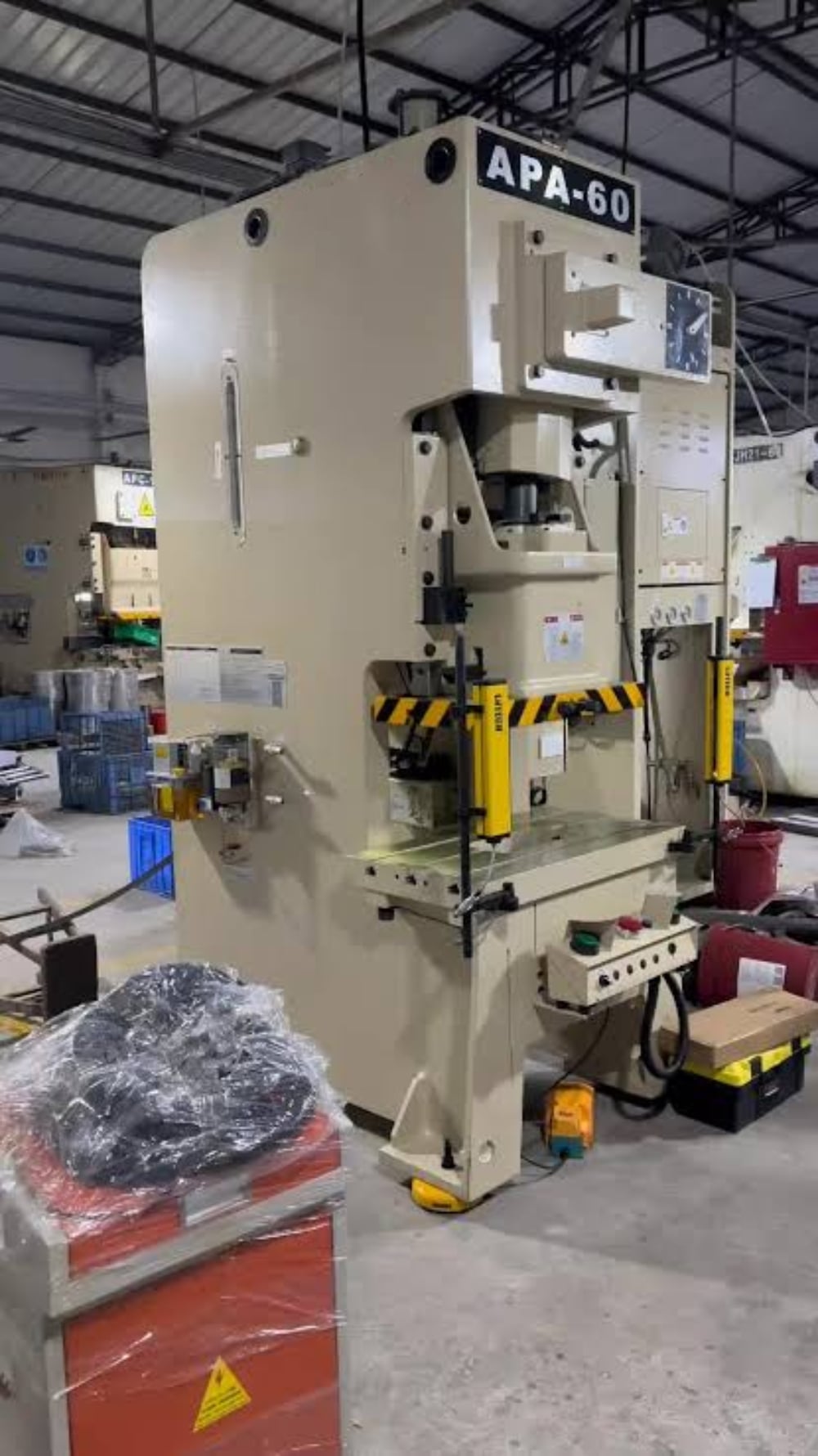
Common Punching Machine Applications in Workshops and Mass Production Lines
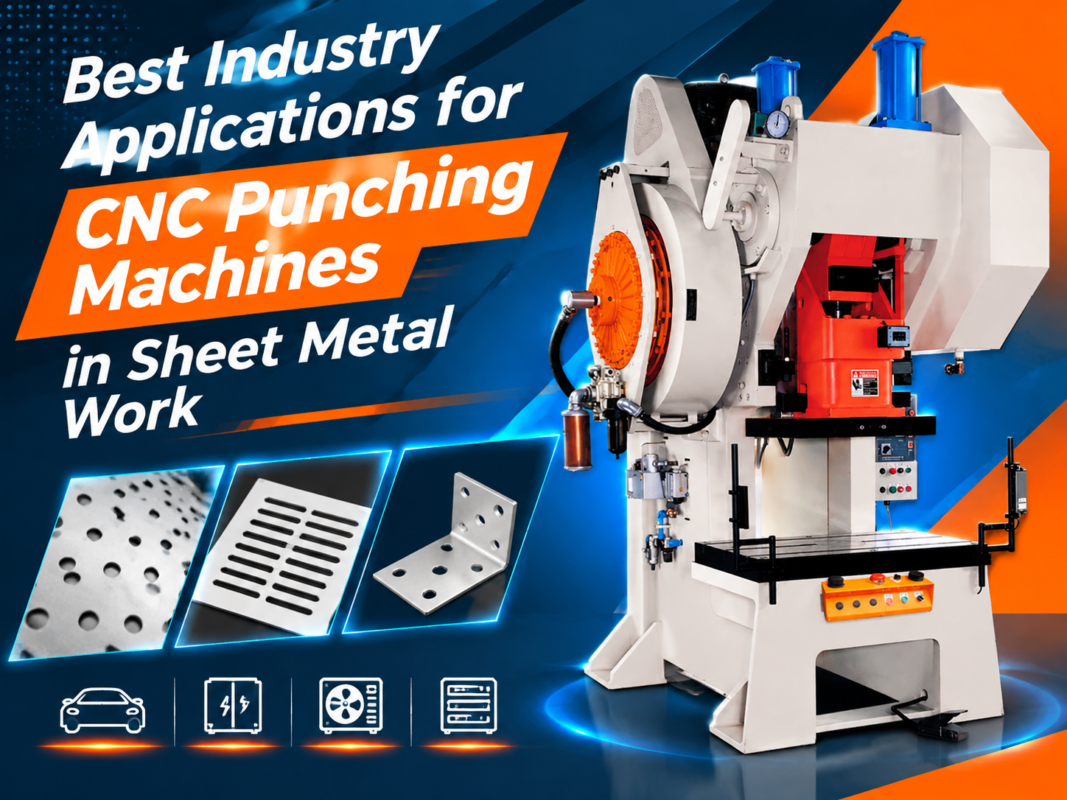
The versatility of punching machines allows them to be used across a vast array of industries. In the electrical industry, punching machines are indispensable for creating enclosures, switchgear cabinets, and cable trays. These parts require precise hole patterns for mounting components and ventilation, which can be achieved rapidly with a CNC turret punch press. The ability to perform louvering and knock-out operations in the same cycle makes these machines highly efficient for electrical manufacturing.
In the automotive and aerospace sectors, punching machines are used for producing structural components, brackets, and interior panels. Mass production lines in these industries rely on the high-speed, automated nature of punching to keep up with assembly demands. The repeatability of CNC punching ensures that every bracket fits perfectly, reducing the need for manual rework and ensuring structural integrity.
Construction and HVAC industries also benefit significantly from punching technology. Ductwork fabrication, for instance, requires repetitive punching of flanges and connection points. A punching machine can handle these tasks with ease, ensuring that all duct sections are uniform and easy to assemble on-site. Furthermore, the ability to punch heavy-gauge steel plates for structural supports makes these machines a staple in steel fabrication workshops.
Beyond these, furniture manufacturing, appliance production, and even the creation of decorative metal panels utilize punching machines. Whether it is creating intricate patterns in architectural screens or punching mounting holes in refrigerator frames, the application is limited only by the creativity of the design and the capability of the tooling. KAVDO provides specialized tooling solutions to help customers tackle these unique challenges effectively.
| Industry | Common Application | Key Machine Feature |
|---|---|---|
| Eléctrico | Enclosures & Switchgear | Louvering & Knock-out tools |
| Automotriz | Brackets & Structural parts | High-speed indexing |
| HVAC | Ductwork & Flanges | Automated material handling |
| Construcción | Structural plates & Beams | High tonnage capacity |
| Furniture | Decorative panels | Complex contouring |
Choosing the Right Equipment
Selecting the right punching machine is a strategic decision that impacts your business for years. First, define your production goals. If you are a job shop, prioritize flexibility. Look for machines with a wide range of tool stations and quick-change capabilities. If you are a mass production facility, prioritize throughput. Look for machines with high hit rates, automatic tool changers, and integrated sheet loading/unloading systems.
Consider the material range. If you frequently work with stainless steel or thicker materials, ensure the machine has a robust frame and sufficient tonnage. Some machines are optimized for thin-gauge sheet metal, while others are built for heavy-duty plate work. KAVDO offers a range of models, from compact hydraulic ironworkers to heavy-duty CNC turret presses, to ensure you don’t over-invest in features you don’t need or under-invest in the capacity you require.
Evaluate the software ecosystem. A machine is only as good as the software that drives it. Ensure the machine is compatible with standard CAD/CAM formats and that the control interface is user-friendly. Training is also a factor; choose a manufacturer that provides comprehensive support and training to get your team up to speed quickly. KAVDO prides itself on providing not just the hardware, but the technical support necessary for long-term success.
Finally, consider the total cost of ownership. This includes not just the purchase price, but also energy consumption, maintenance costs, and the availability of spare parts. A machine that is cheap to buy but expensive to maintain or prone to downtime will ultimately cost more in the long run. Invest in quality, reliable equipment that is backed by a reputable manufacturer with a strong service network.
FAQ: Preguntas comunes sobre máquinas de punzonado
What is the difference between a mechanical and hydraulic punching machine?
Mechanical machines use a flywheel and clutch system, offering high speed but less control over the stroke. Hydraulic machines use pressurized fluid to drive the ram, offering consistent force throughout the stroke and better control for forming operations.
How often should I sharpen my punching tools?
Tool life depends on the material type, thickness, and the number of hits. Generally, you should inspect tools for signs of wear or burrs every few thousand hits. Regular sharpening extends the life of the tool and ensures high-quality part edges.
Can a punching machine perform forming operations?
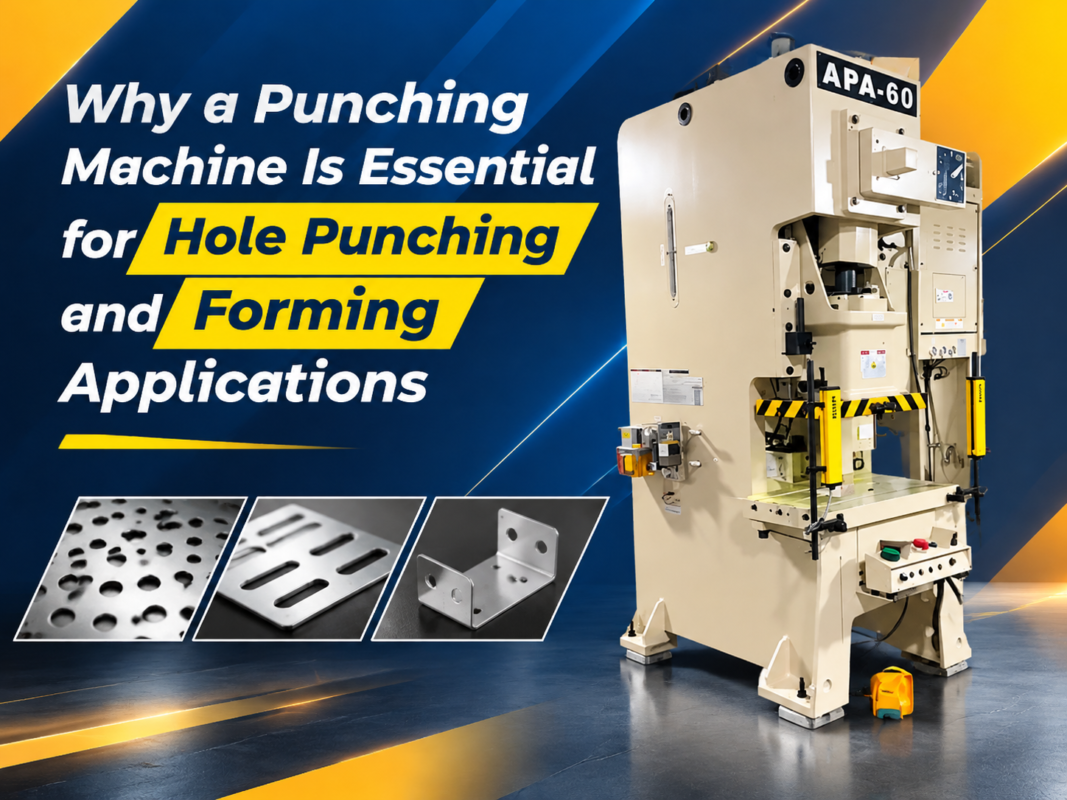
Yes, many modern punching machines can perform forming operations like embossing, louvering, countersinking, and bending, provided the correct tooling is installed.
What is the maximum thickness a punching machine can handle?
This varies by machine tonnage. Small ironworkers might handle up to 10-15mm, while heavy-duty industrial punch presses can handle significantly thicker plates. Always check the machine specifications for the specific material yield strength.
How do I minimize scrap in my punching process?
Use advanced nesting software to optimize the layout of parts on the sheet. Additionally, consider common-line punching, where parts share a cut line, to further reduce material waste.
Conclusión
The role of punching machines in modern manufacturing is undeniable. From the versatility required in custom workshops to the high-speed efficiency demanded by mass production lines, these machines provide the foundation for high-quality metal fabrication. By understanding the technical requirements, selecting the right equipment for your specific needs, and maintaining your machinery with care, you can significantly enhance your production capabilities.
KAVDO remains committed to advancing the technology of metal fabrication. Our range of punching machines is designed to meet the evolving needs of the industry, ensuring that our partners can achieve precision, speed, and reliability in every project. Whether you are looking to upgrade your current workshop or expand your mass production capacity, we are here to provide the expertise and equipment to help you succeed.
As you move forward, remember that the key to success lies in the synergy between operator skill, high-quality tooling, and robust machinery. By focusing on these elements, you can ensure that your punching operations remain a competitive advantage in your market. Explore our catalog of punching solutions today and take the next step in optimizing your fabrication workflow.